Skip to content
Precise Roof Ventilation Installation in Watkinsville, Georgia
We install roof ventilation systems across Watkinsville, Georgia for homeowners throughout Oconee County and the 30677 area. Our certified installers engineer balanced intake and exhaust airflow using net free area calculations that meet code, drop attic temperatures, and extend shingle life. Call today for a free attic assessment.



4.9 RATING

4.9 RATING
Residential Roofing
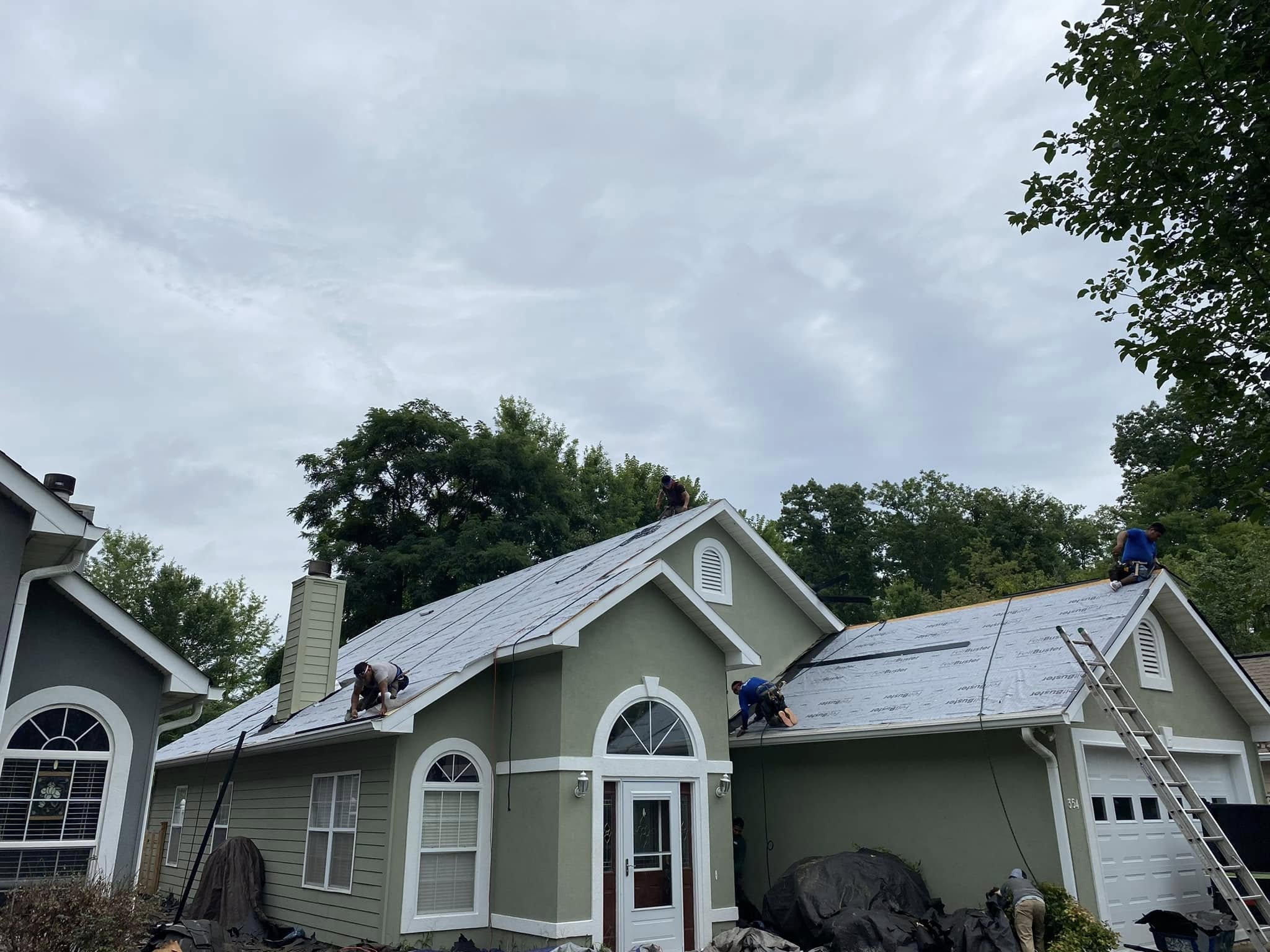
We provide residential roofing services with advice about material options, financing and how to get started on your new or replacement roof. Count on our years of experience.
Commercial Roofing
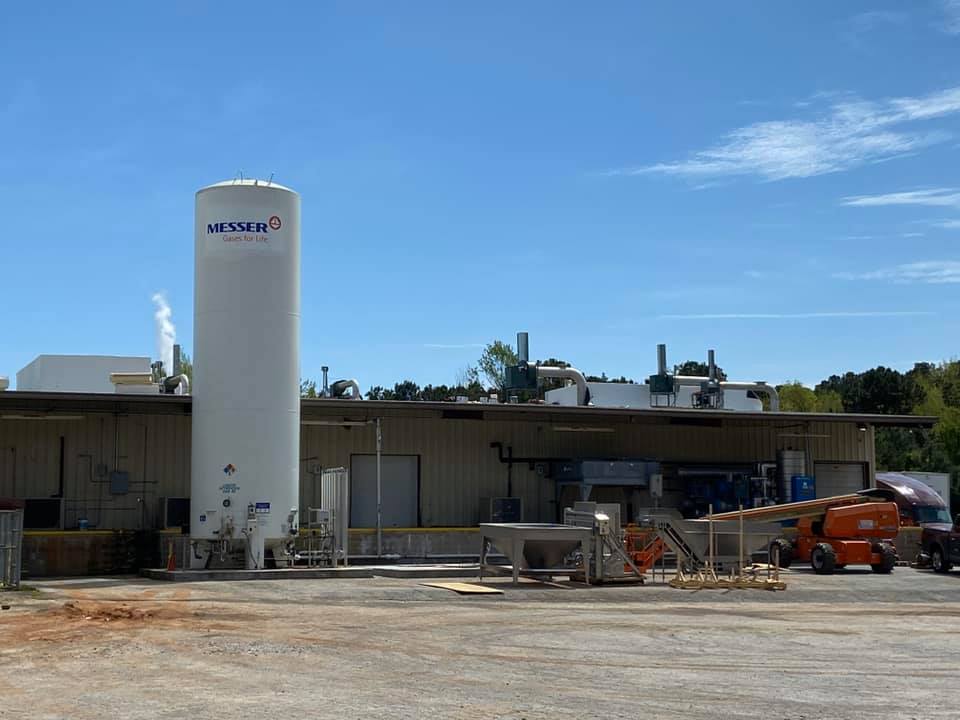
Take a look at our commercial roofing repair and materials. Whether you need a new roof or replacement in Watkinsville, we handle projects for small and large businesses.
New Construction
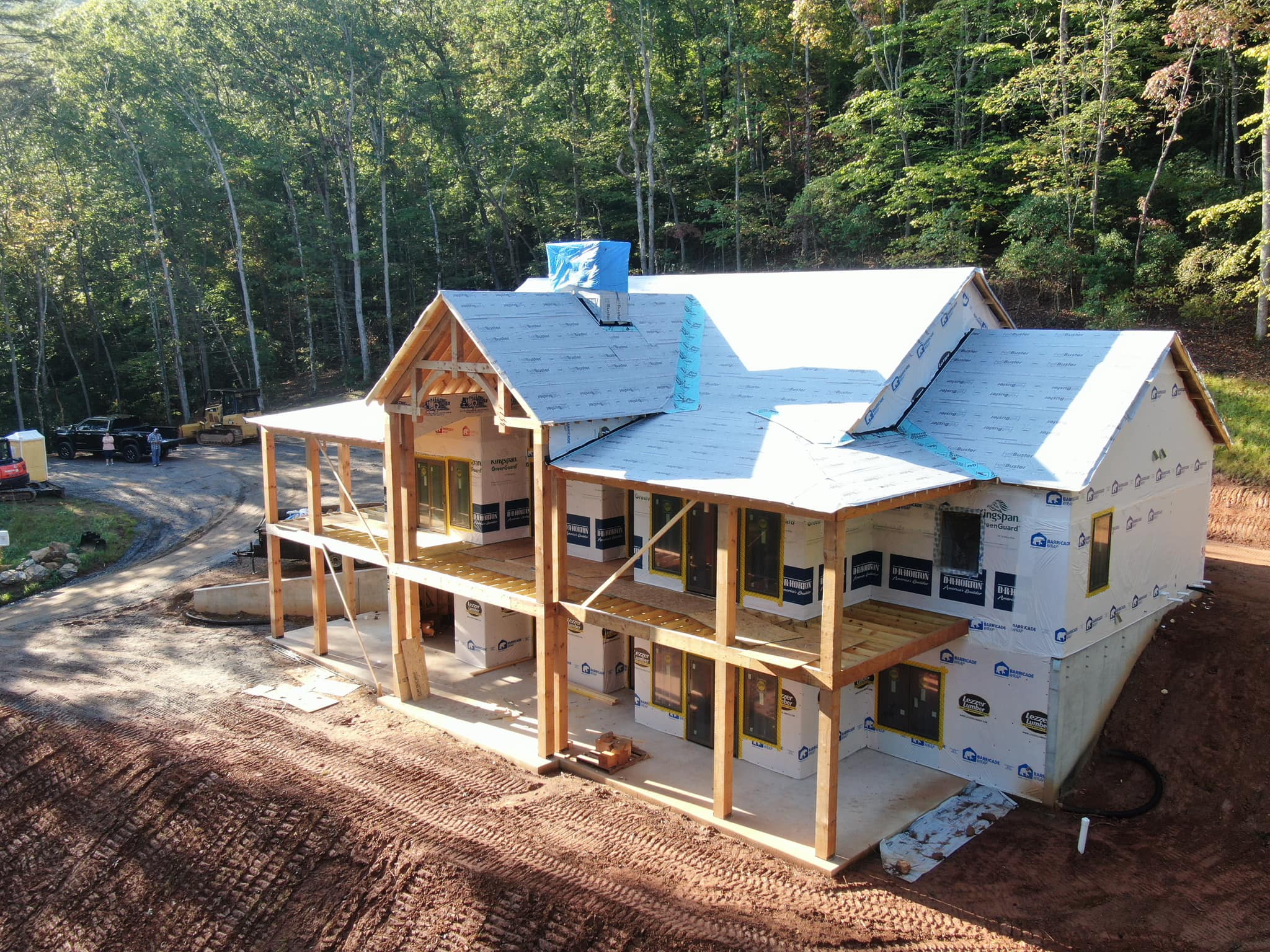
We offer new residential construction you’ve dreamed about, be it traditional, log, timber or Structural Insulated Panels (SIP), or a combination of building methods and materials.

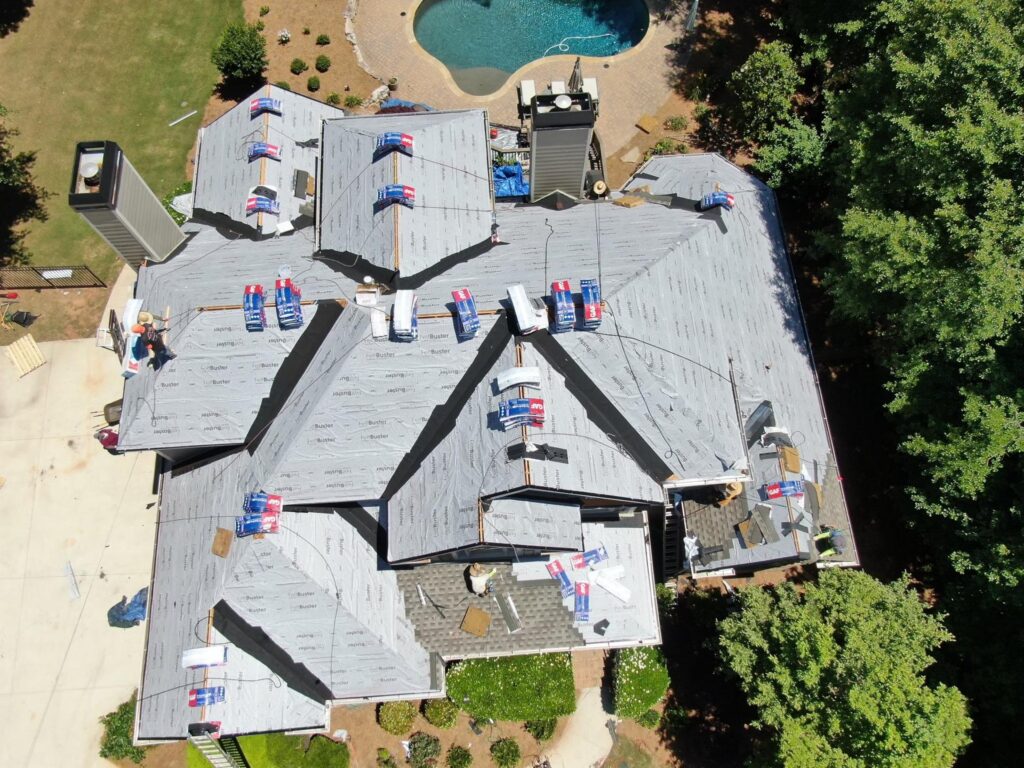
20+
Years of Experience
Ventilation Specialists Engineering Balanced Airflow for Watkinsville Homes
Watkinsville homeowners turn to Ridgeline Roofing and Exteriors the moment attic temperatures climb above one-thirty degrees in summer. Our certified installers run net free area calculations, balance intake and exhaust airflow at fifty-fifty splits, and engineer ventilation systems that meet IRC code while actually moving real air through the attic.
The one-to-three-hundred ratio rule governs every install. Each three hundred square feet of attic floor needs one square foot of net free vent area, split evenly between intake at the eaves and exhaust at the ridge. Every roof ventilation installation Watkinsville GA project starts with this calculation.
Component choices stack on top of the math. Ridge vents, hip vents, box vents, gable end vents, powered fans, and solar attic fans each fit specific roof geometries. Soffit vents, drip edge intake vents, and gable louvers handle the intake side. Our residential roof ventilation team specs the right combination for every home.
Every project ships with attic temperature baseline readings, post-install verification readings, photo documentation of intake and exhaust placement, and a written balanced-system certificate. A typical ridge vent installation Watkinsville job finishes in one to two working days, depending on roof complexity and the number of vent types required for the balanced design.
Searching for attic ventilation near me that actually engineers the system instead of just slapping on a vent? We run the calculations on every job. Older roofs that need ventilation upgrades during a shingle replacement route are included in our residential asphalt shingle roofing project planning.
Net Free Area Calculations Drive Every Watkinsville Ventilation Design
Manufacturers publish specific net free area ratings on every commercial vent product they make. Twelve linear feet of ridge vent might deliver eighteen inches of NFA on the spec sheet. Round soffit plugs deliver around five inches each. We calculate the exact NFA needed and source vents that hit the target precisely. Our Watkinsville roof installation team handles every calculation precisely.
Avoiding Short-Circuit Airflow When Mixing Vent Types on Roofs
Mixing ridge vents with box vents on the same Watkinsville roof creates a problematic short-circuit. Air enters at the box vent, exits at the ridge nearby, and never moves through the rest of the attic effectively. We never combine high-exhaust types on the same roof installation. Our residential gutter and roof inspection team identifies short-circuit risks during every detailed attic assessment.
Powered attic fans paired with ridge vents create another short-circuit problem. The fan pulls air down through the ridge vent instead of through the soffits, reversing the intended flow direction. Every roof vent installation we deliver follows single-exhaust-type principles.
Gable vent retirement happens during many balanced-system retrofits. Our residential soffit fascia repair team blocks off the old gable louvers, adds proper soffit intake, and installs a continuous ridge vent for a fully balanced system that moves air correctly through every section of the attic.

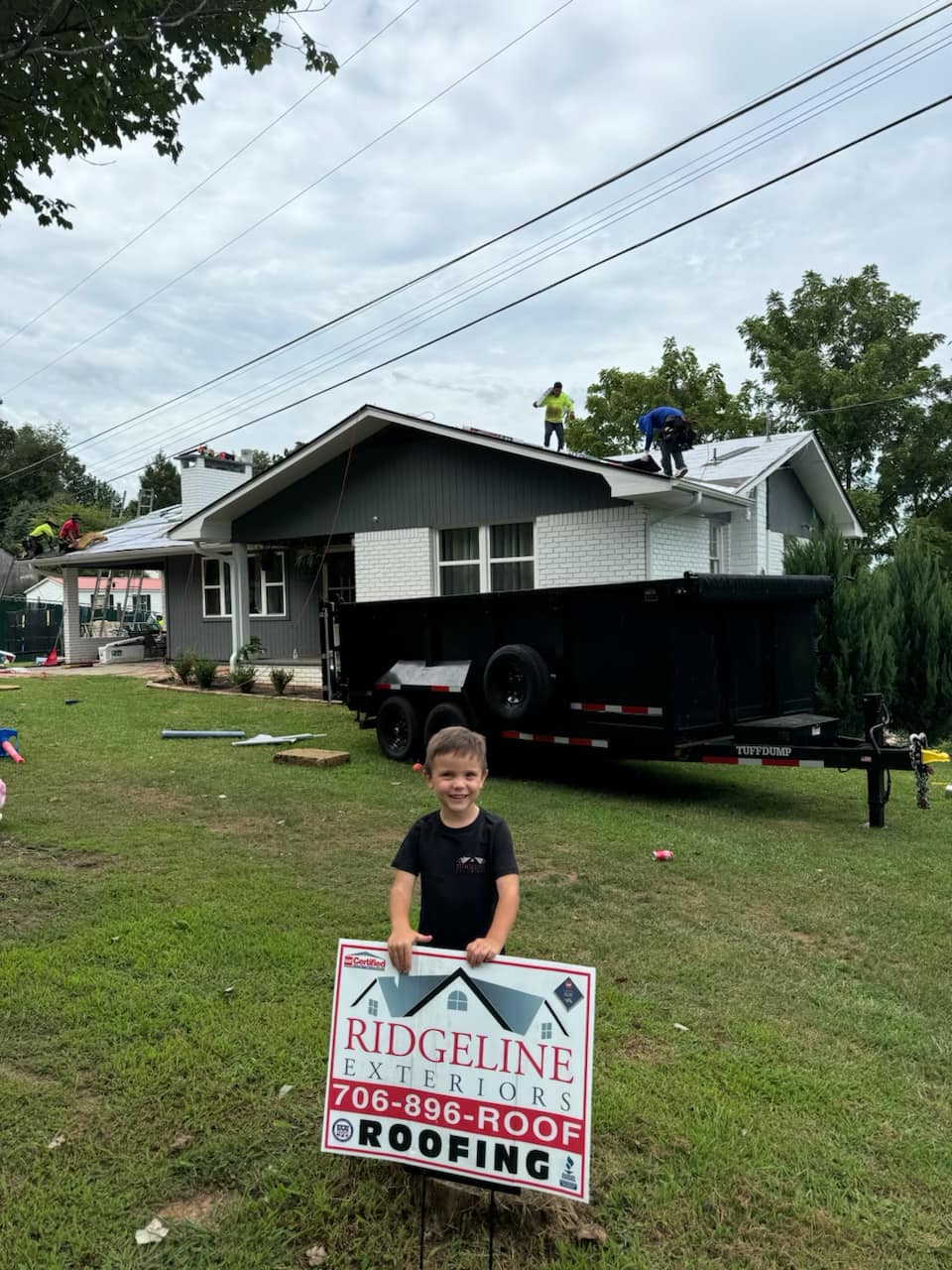
Ridgeline Roofing and Exteriors Inspections are Powered by Drone Zone AI
98%
Customers Satisfaction
What Clients Say About Us
Posted on GoogleTrustindex verifies that the original source of the review is Google. My roofing came out prefect finished in one day very impressed with the speed and professionalism that they provide.Posted on GoogleTrustindex verifies that the original source of the review is Google. Brian Stamps gave us the most thorough estimate of any others we spoke to, and explained all our options in detail. He worked with our insurance company to get the best settlement, and began work on our roof very quickly. His team was extremely professional, friendly, and skilled. They left our property in perfect condition, and completed 6,000 sq ft of roof in one day. I will recommend Ridgeline Exteriors to anyone needing roof work!Posted on GoogleTrustindex verifies that the original source of the review is Google. Brian and his crew earned a five star rating for all that they did from the very start all the way through to the finish. It was a pleasure to work with Brian and his team, they demonstrated a high level of professionalism throughout the process and we were completely satisfied with the work that they did. We would be happy to recommend Brian and his crew to all future clients. Thank you, Brian and team!Posted on GoogleTrustindex verifies that the original source of the review is Google. We first used Ridgeline for our roof in Loganville after experiencing hail damage. We were very satisfied then & when we realized they also provided construction services, we hired Ridgeline without hesitation. Brian & his crew built us a beautiful porch in North Georgia and Blake, the sub for our stone fireplace did an awesome job. We are 100% satisfied and spend the majority of our time relaxing on our new porch. We could not be happier!Posted on GoogleTrustindex verifies that the original source of the review is Google. Excellent experience! Steve and Bryan were extremely professional and considerate during the entire experience. I really enjoyed the one-stop- shop experience with installation and/or repair of roof, gutters, siding and dormer windows. Each crew that came on site did an excellent job and the clean-up was completed to perfection! I will definitely be calling them again in the future!Posted on GoogleTrustindex verifies that the original source of the review is Google. Brian and his company replaced the roofs on our house and my son's house. They handled the entire process in a professional manner and we are thrilled with their work. I would highly recommend this company.Posted on GoogleTrustindex verifies that the original source of the review is Google. We hired Brian with Ridgeline Exteriors to build an enclosed deck on the back of our home. The builders were skilled and precise. We were asked our preferences as the construction progressed. The roofline was designed to match our existing roofline and it looks amazing! Brian has skilled craftsmen who each specialize in roofing, woodwork, screens, painting and staining. He even has a guy that built us a custom screendoor. We are enjoying this deck so much and just wish we had hired them sooner!Posted on GoogleTrustindex verifies that the original source of the review is Google. In and out in less than a day. All the guys were extremely professional!!Posted on GoogleTrustindex verifies that the original source of the review is Google. This is the only company I will ever use!! They just don’t do roofs they literally can do it all and probably more!!! Our new roof looks so much better then I thought it would, they got it done fast and efficient!! Love this company 🥰
Solar Powered Attic Fans for Energy-Conscious Homeowners
Solar attic fans run free off rooftop panels and qualify for the thirty-percent federal clean energy tax credit. Our residential roof insurance claims team documents storm damage to existing solar attic fans across Watkinsville homes every cooling season.


- Trusted Asphalt Roofing Professionals
Ventilation Installers Backed by Trusted Industry Credentials
Watkinsville homeowners routinely verify BBB accreditation status before any roofing contractor enters the attic space for ventilation upgrade work. Our spotless decade-long record gives every Watkinsville roof repair service call instant credibility during the initial homeowner quote phase.
Active NRCA membership keeps every supervising installer current on net free area standards, intake-exhaust balance principles, vent product certification, and IRC R806 code requirements. Each roof vent installation benefits from this ongoing training.
Our GAF Master Elite status pairs with manufacturer ventilation certifications on every Watkinsville shingle roof repair project that includes ventilation upgrades.
Insulation Baffles Keep Watkinsville Soffit Intake Vents Clear
Blown-in insulation often blocks soffit intake vents from the inside. Cold air cannot enter, the balanced system fails, and the attic overheats anyway. We install rigid baffles in every rafter bay during ventilation work, creating a permanent airflow channel from the soffit up to the ridge. Drip edge intake vents help when the soffit space runs short on residential roof underlayment projects. Bathroom exhaust fans route through residential flashing repair coordination.
Ventilation Prevents Ice Dams on Steep Pitched Roofs
Warm air rising into the attic gradually melts snow on the upper roof surface. The meltwater refreezes at the cold eave below, creating an ice dam that backs water under shingles. Proper ventilation keeps the attic at outdoor air temperature, preventing the entire melt-refreeze cycle. Our skylight installation repair team coordinates ventilation upgrades during related skylight work.
Attic Temperature Reduction Extends Shingle Life and Cuts Cooling Costs
Asphalt shingles installed over an unventilated attic age twice as fast as shingles over a properly ventilated one. The heat exposure dries out shingle oils, curls edges, and cracks surfaces. Every impact resistant shingles residential upgrade targets this heat-exposure problem.
Cooling cost reduction shows up on the next electric bill. Watkinsville homes routinely see ten to twenty percent reductions in summer cooling costs after a balanced ventilation upgrade. The HVAC runs less because the ceiling stops radiating heat downward.
IRC R806 building code requirements are satisfied with our balanced ventilation designs. Maintenance plans monitor the system through our residential roof maintenance plans program, catching blocked vents and damaged baffles before any moisture problems develop in the attic above.
The result is a ventilation system that actually performs as designed. Watkinsville homeowners receive attic temperature baseline data, post-install verification readings, photo documentation of every vent placement, and one project manager covering every concern.
Frequently Asked Questions
A roof ventilation installation in Watkinsville, GA typically takes one to two working days for a single-story home. Larger multi-story homes with multiple roof planes stretch to three days. Smaller scope items, like adding a few soffit vents finish within a single morning visit on most homes.
Roof ventilation installation costs roughly six hundred to three thousand dollars, depending on home size, vent types selected, and whether new soffit intake needs cutting. Simple ridge vent replacement on an existing shingle roof anchors the lower end. Full balanced-system retrofits with baffles and new soffits sit higher.
You know your attic needs more ventilation if attic temperatures exceed one-thirty degrees in summer, if you see mold or moisture on the underside of the roof deck, if shingles age faster than expected, or if upstairs rooms run hot during cooling season despite normal HVAC performance.
Net free area in roof ventilation is the actual open vent area through which air can move. Manufacturers publish NFA ratings on every vent product. A vent with a screen rated at eighteen square inches of NFA delivers eighteen square inches of actual airflow capacity, not the full vent dimension.
You should not mix different types of exhaust vents on the same roof. Ridge vents combined with box vents create short-circuit airflow that bypasses most of the attic. Single-exhaust-type designs work best. Intake vents can vary between soffit, drip edge, and gable louvers without short-circuiting the system.
Solar attic fans work as well as electric ones during sunny daytime hours when attic cooling matters most. The fans automatically run faster as the sun gets stronger and the attic gets hotter, matching airflow to actual cooling demand. Federal tax credits offset thirty percent of the install cost.
Adding roof ventilation can reduce cooling bills by ten to twenty percent in most Georgia homes. The savings come from cooler attic temperatures, less heat radiating down into the conditioned living space, and reduced HVAC runtime throughout the long summer cooling season. Documented utility bill comparisons confirm the savings clearly.
Yes, ventilation can be added without replacing your roof. Soffit vents, gable vents, and certain ridge vent retrofits all work as add-on installs. Our roof cleaning services residential team coordinates ventilation upgrades alongside routine roof care visits.
The 1:300 ventilation rule means every three hundred square feet of attic floor needs one square foot of net free vent area. The total gets split evenly between intake at the eaves and exhaust at the ridge. This ratio satisfies IRC R806 code requirements for most residential applications.
Yes, we offer ventilation as part of every new roof install. Balanced ventilation gets engineered into the install spec during the initial design phase rather than being added as an afterthought. The combined approach produces better airflow results than retrofitting ventilation onto an already-completed new roof installation later.