Storm Damage Patterns Across Apalachee and Surrounding Oconee County Communities
The Apalachee River corridor creates unique weather patterns that directly affect shingle roof performance across Oconee County neighborhoods. Properties along the river in Apalachee, Bostwick, and North High Shoals experience intensified storm conditions due to the water’s influence on local wind patterns and moisture levels. Homes in the 30621 zip code, particularly those near High Shoals Road and along Elder Mill Road, face additional challenges from storm systems that follow the river valley. The interaction between Georgia’s humid climate and these waterway-influenced weather systems creates specific types of asphalt shingle damage that homeowners in Covena, Bishop, and Poplar Springs neighborhoods should understand.
According to Verisk’s Roofing Realities Trend Report, over 50 percent of residential claims are driven by wind and hail damage, with non-catastrophic wind and hail roof claims increasing from 17 percent in 2022 to 25 percent in 2024. Properties throughout the Apalachee area, including homes in Washington Farms, Eastville, and Echo Brook Park subdivisions, experience this trend firsthand as storm systems move through the region. The combination of dimensional shingles, architectural shingles, and older 3-tab shingles across neighborhoods like Ashland, Farmington, and Elder creates varying degrees of vulnerability to storm damage. Understanding how different storm types affect ridge cap shingles, starter strips, and underlayment systems helps homeowners along Mars Hill Road and Hog Mountain Road prepare for Georgia’s severe weather seasons. Homeowners in Poplar Springs, Covena, and North High Shoals along High Shoals Road benefit from professional roof repair services that address these concerns before they escalate.
Wind Damage Mechanisms on Apalachee Area Shingle Roofs
Uplift Forces and Shingle Adhesion Failure
Wind uplift affects asphalt shingles differently across Apalachee’s varied terrain, with properties near the Historic Elder Mill Covered Bridge and along the Apalachee River experiencing stronger gusts due to the open water exposure. Homes in Scull Shoals, Little Creek, and Iron Horse subdivisions often see starter strip failure when winds exceed 60 mph, particularly on roof sections facing prevailing storm directions. The adhesive bond between shingle layers weakens under sustained wind pressure, causing lifted shingles and eventual nail pop failures throughout neighborhoods in the 30621 and 30677 zip codes. Architectural shingles on properties along Lane Creek Road and McNutt Creek Road demonstrate better wind resistance than traditional 3-tab shingles, but both materials suffer when synthetic underlayment or felt paper underneath becomes compromised.
Edge Damage and Perimeter Vulnerabilities
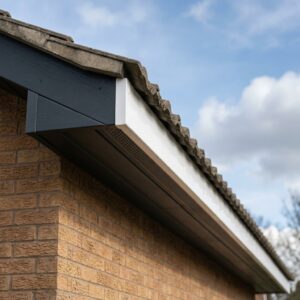
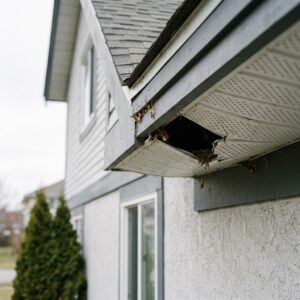
Roof edges along eaves and rakes experience the highest wind pressures during storms affecting Apalachee, Bostwick, and surrounding Oconee County communities. Properties in Heritage Park, Woodlands, and Woodridge North subdivisions frequently develop drip edge separation and fascia board damage when storms approach from the southwest along US 441 corridors. The combination of wind-driven rain and compromised step flashing creates moisture intrusion points that affect roof decking and OSB sheathing over time. Homes near Oconee County High School and along Malcom Bridge Road show consistent patterns of soffit vent damage and soffit panel displacement during severe weather events.
Directional Wind Patterns and Vulnerable Roof Sections
Storm systems moving through the Apalachee River valley create predictable wind patterns that affect specific roof sections on homes throughout Bishop, North High Shoals, and Poplar Springs. Properties facing southwest along High Shoals Road and Experiment Station Road experience direct wind impact on gable ends and dormer sections, leading to missing shingles and damaged counter flashing around chimney penetrations. The National Roofing Contractors Association reports that wind damage claims have increased significantly in recent years, with homes in Covena, Elder, and Farmington neighborhoods seeing consistent damage to ridge vents and pipe boots during spring storm seasons. Understanding these patterns helps property owners along Greensboro Highway and Hillsboro Road identify vulnerable areas before storm seasons arrive.
Hail Impact Damage Across Different Shingle Materials
Granule Loss and Surface Protection Degradation
Hail damage manifests differently on various shingle types installed throughout Apalachee area neighborhoods, with older 3-tab shingles showing immediate granule loss while newer dimensional shingles often hide initial impact damage. Properties in Echo Brook Park, Eastville, and Washington Farms that experienced recent hail events demonstrate how granule displacement exposes the underlying asphalt mat to UV degradation and moisture penetration. According to Verisk data, the average roof lifespan in hail-prone states like Georgia drops to just 15 years compared to 22 years in western states with less severe weather. Homes along Mars Hill Road and throughout the 30677 zip code area show accelerated aging when synthetic underlayment beneath damaged shingles becomes exposed to weather elements.
Impact Fractures and Structural Shingle Damage
Larger hailstones create fractures in asphalt shingles that may not be immediately visible from ground level on properties throughout Ashland, Gratis, and Campton neighborhoods. Professional inspection reveals cracked shingles and compromised adhesive seals on homes near Oconee Veterans Park and along Elder Mill Road, where hail damage often concentrates on south-facing roof slopes. The impact force transfers through damaged shingles to affect ice-and-water shield installations and roof decking, particularly on properties in Nolan Manor, Little Creek, and Scull Shoals subdivisions. Metal roofing systems on commercial properties along US 441 and Hog Mountain Road show different damage patterns, with denting rather than the granule loss typical of asphalt installations.
Hidden Damage and Long-Term Performance Issues
Hail impacts create micro-fractures in shingle materials that lead to premature failure on roofs throughout the Apalachee area, affecting properties in Wrayswood, Iron Horse, and Lane Creek neighborhoods months after storm events. These hairline cracks allow moisture to penetrate the shingle structure, causing accelerated deterioration of the asphalt matrix and eventual curling shingles on homes near Lane Creek Golf Course and Providence Golf Club. Industry data from IBISWorld shows Georgia’s roofing market size reaches $2.3 billion annually, with much of this activity driven by storm-related replacement needs across communities like Maxeys, Stephens, and surrounding rural areas in the 30621 zip code. Understanding signs your shingle roof needs repair becomes critical for homeowners in Barber Creek and Colham Ferry areas where hail damage may not be immediately apparent.
Rainfall Penetration and Water Damage Mechanisms
Compromised Flashing Systems
Heavy rainfall during storms tests flashing integrity around chimneys, skylights, and roof penetrations on homes throughout Apalachee, Bostwick, and North High Shoals communities. Properties near Salem Baptist Church and Antioch Christian Church often experience skylight flashing failure when existing sealants degrade under intense water pressure and temperature cycling. The combination of damaged step flashing and compromised counter flashing creates entry points for moisture intrusion that affects interior spaces and roof decking materials. Homes in Bishop, Poplar Springs, and Covena neighborhoods along High Shoals Road show consistent patterns of chimney flashing deterioration during extended rainfall events, particularly when existing installations use outdated materials or techniques.
Saturated Underlayment and Decking Issues
When storm damage allows water penetration past the shingle layer, saturated underlayment systems fail to provide secondary protection for roof decking on properties throughout Heritage Park, Woodlands, and surrounding subdivisions in the 30677 zip code. Plywood decking and OSB sheathing absorb moisture quickly, leading to sagging roof deck conditions and potential structural issues on homes near Westminster Christian Academy and along New High Shoals Road. The Asphalt Roofing Manufacturers Association reports that proper underlayment installation is critical for long-term roof performance, yet many older homes in Elder Heights, Elder Ridge, and Farmington neighborhoods have outdated felt paper systems that provide inadequate moisture protection. Professional assessment of shingle roof damage after georgia heat waves often reveals compromised decking materials that require attention beyond simple shingle replacement.
Valley and Low-Slope Vulnerability
Roof valleys concentrate water flow during heavy rainfall, creating high-stress conditions for valley flashing and adjacent shingle installations on properties throughout the Apalachee River corridor. Homes in Echo Brook Park, Eastville, and Washington Farms with complex roof designs experience valley-related leaks when debris accumulation or flashing deterioration impedes proper drainage. The pitch and slope of roof sections affects water shedding efficiency, with lower-slope areas in Ashland, Gratis, and Campton neighborhoods showing increased vulnerability to standing water and ice damming during winter weather events. Properties along Experiment Station Road and Malcom Bridge Road benefit from regular valley cleaning and flashing inspection to prevent water-related damage during Georgia’s intense summer thunderstorm seasons.
Temperature-Related Shingle Damage from Storm Conditions
Thermal Shock and Expansion-Contraction Cycles
Rapid temperature changes during storm systems cause thermal shock in asphalt shingles throughout Oconee County communities, with properties in Nolan Manor, Little Creek, and Scull Shoals experiencing accelerated material fatigue from repeated expansion and contraction cycles. The ThinkHazard World Bank data classifies Georgia’s extreme heat hazard as high, with expected extreme heat events occurring at least once in the next five years across the region. This thermal stress affects nail attachment points and creates stress fractures in dimensional shingles and architectural shingles, particularly on south-facing roof sections that receive maximum solar exposure between storm events. Homes along Mars Hill Road and throughout neighborhoods near Oconee County High School show consistent patterns of thermal-related damage that manifests as lifted shingles and compromised adhesive bonds.
Material Brittleness and Cold Weather Impact
Winter storms bring sudden temperature drops that make asphalt shingles brittle, increasing susceptibility to impact damage on properties throughout Wrayswood, Iron Horse, and Lane Creek subdivisions. The combination of cold temperatures and wind stress causes existing minor damage to propagate into larger problems, affecting homes near Historic Elder Mill Covered Bridge and along the Apalachee River where moisture levels remain elevated. Cold weather also affects the performance of sealants used in flashing installations, leading to separation at critical junction points around pipe boots, roof vents, and ridge vent systems. Understanding wind damage to shingle roofs in farmington helps property owners in Maxeys, Stephens, and Barber Creek areas recognize when cold-weather brittleness contributes to storm damage severity.
Heat-Related Adhesive Failure
Extreme heat following storm events accelerates adhesive degradation in shingle installations throughout Apalachee area neighborhoods, affecting properties in Colham Ferry, McNutt Creek, and Rocky Branch communities where summer temperatures regularly exceed 95 degrees. The adhesive strips that bond shingle layers lose effectiveness when exposed to prolonged heat, leading to wind uplift vulnerability during subsequent storm events. This cyclical damage pattern affects homes along US 441, SR 15, and SR 53 corridors where heat island effects from paved surfaces intensify thermal stress on roofing materials. Professional evaluation becomes essential for identifying heat-related damage before it compromises overall roof system integrity.
Debris Impact and Physical Roof Damage
Falling Branch and Tree Damage
Storm-generated debris poses significant threats to shingle roofs throughout the heavily wooded areas surrounding Apalachee, particularly in neighborhoods like Heritage Park, Woodlands, and Woodridge North where mature trees overhang residential properties. Falling branches puncture shingle surfaces and damage underlying roof decking, creating immediate moisture intrusion points that require emergency repair attention. The impact force from large debris can compress or displace ridge cap shingles and damage ridge vent installations, affecting proper attic ventilation on homes near Lane Creek Golf Course and Providence Golf Club. Properties along tree-lined roads such as Elder Mill Road, Lane Creek Road, and McNutt Creek Road face elevated debris risk during severe weather events, making preventive tree maintenance an important component of roof protection strategies.
Airborne Projectile Impact
High winds during storms transform loose construction materials, patio furniture, and landscape elements into projectiles that damage shingle installations throughout Bishop, North High Shoals, and Poplar Springs communities. Metal roofing panels from nearby structures can cause significant damage to asphalt shingles during tornado-strength winds, particularly affecting properties in the 30621 zip code where mixed construction types exist in close proximity. The impact creates punctures in shingle surfaces and can drive debris through underlayment layers into roof decking materials, requiring comprehensive repair attention. Commercial properties along High Shoals Road and Greensboro Highway often see collateral damage from airborne debris originating at retail and industrial sites during severe weather events.
Accumulated Debris and Drainage Obstruction
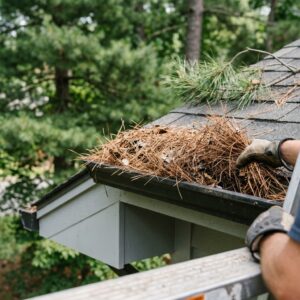
Storm debris accumulation in roof valleys and around penetrations creates drainage problems that lead to standing water and moisture intrusion on properties throughout Covena, Elder, and Farmington neighborhoods. Leaves, twigs, and other organic matter block gutters and downspouts, causing water to back up under shingle edges and compromise starter strip installations. According to RubyHome industry data, 33 percent of roof replacements are driven by leak issues, many of which originate from debris-related drainage problems rather than direct storm damage. The accumulation particularly affects homes in wooded areas near Antioch Christian Church, Salem Baptist Church, and Bishop Baptist Church where falling leaves create seasonal maintenance challenges. Understanding missing shingles and what they mean for your roof helps property owners recognize when debris impact has compromised individual shingle integrity and overall roof performance.
Identifying Storm Damage Through Professional Assessment
Ground-Level Damage Indicators
Homeowners throughout Echo Brook Park, Eastville, and Washington Farms can identify potential storm damage by looking for granule accumulation in gutters, missing or displaced shingles visible from ground level, and damaged flashing around chimneys and roof penetrations. Curling shingles along roof edges and cracked shingles on easily visible sections often indicate more extensive damage throughout the roof system. Properties in Ashland, Gratis, and Campton neighborhoods should check for separated drip edge, damaged soffit panels, and displaced soffit vents after storm events. The presence of exposed nail heads, lifted starter strips, or algae staining in unusual patterns can signal areas where moisture intrusion has begun following storm damage.
Interior Warning Signs
Water stains on interior ceilings and walls indicate roof system compromise on homes throughout Nolan Manor, Little Creek, and Scull Shoals, often appearing days or weeks after storm events as moisture works through damaged roof assemblies. Increased humidity levels in attic spaces and musty odors suggest that compromised underlayment or damaged roof decking requires professional attention. Properties near Oconee Veterans Park and along Experiment Station Road may experience ceiling tile discoloration, paint bubbling, or visible mold growth when storm damage allows ongoing moisture penetration. These interior signs often indicate that damaged ice-and-water shield or compromised flashing systems need immediate repair to prevent further structural damage.
Professional Inspection Benefits
Professional roof assessment identifies storm damage that may not be visible during casual inspection, particularly important for properties in Wrayswood, Iron Horse, and Lane Creek neighborhoods where complex roof designs hide damage indicators. Trained inspectors can identify compromised synthetic underlayment, damaged step flashing, and early-stage rot in roof decking materials before problems become extensive. Industry data shows that homes with moderate to poor roof condition experience 60 percent higher loss costs according to Verisk Aerial Imagery Analytics, making professional assessment a valuable investment for property owners throughout the 30677 and 30621 zip codes. Watkinsville roofing contractors provide detailed documentation of storm damage that supports insurance claims and ensures comprehensive repair approaches for homes along Mars Hill Road, Hog Mountain Road, and surrounding areas.
Insurance Claims and Documentation for Storm Damage
Immediate Post-Storm Actions
Property owners throughout Apalachee, Bostwick, and North High Shoals should document storm damage immediately following severe weather events, photographing damaged shingles, displaced flashing, and any visible structural issues from safe vantage points. The Verisk Roofing Realities Trend Report indicates that roof-related claims represent 25 percent of residential claim value nationwide, making proper documentation critical for successful insurance processing. Homeowners in Heritage Park, Woodlands, and Woodridge North neighborhoods should photograph interior water damage, measure affected areas, and maintain detailed records of when damage first appeared. Prompt notification to insurance carriers helps establish timelines and ensures that temporary protective measures don’t complicate claim evaluation processes.
Professional Documentation Standards
Insurance companies require detailed documentation of storm damage extent and repair scope for properties throughout Maxeys, Stephens, and Barber Creek communities, making professional assessment valuable for complex claims. Qualified inspectors provide measurements, material specifications, and photographic evidence that supports comprehensive repair estimates including damaged dimensional shingles, compromised underlayment, and affected roof decking materials. The documentation process benefits homeowners near Westminster Christian Academy and along New High Shoals Road where storm damage may affect multiple roof systems or building components. Professional estimates that include proper material specifications for architectural shingles, ridge cap shingles, and flashing components help ensure adequate insurance settlements for complete repairs.
Understanding Coverage Limitations
Insurance coverage for storm damage varies significantly based on policy terms and damage circumstances, affecting how homeowners in Colham Ferry, McNutt Creek, and Rocky Branch areas approach repair decisions. Many policies distinguish between sudden storm damage and gradual deterioration, making timing documentation important for claims involving damaged starter strips, lifted shingles, or compromised roof vents. Understanding shingle roof repair costs helps property owners evaluate whether insurance settlements provide adequate coverage for complete system restoration including proper underlayment replacement and structural repairs. Age and condition of existing roofing materials affect coverage determinations, particularly for homes with older 3-tab shingles or outdated flashing installations.
Long-Term Protection Strategies for Apalachee Area Properties
Implementing comprehensive storm protection strategies helps homeowners throughout the Apalachee River corridor minimize future damage risks while maintaining property values across Oconee County’s diverse neighborhoods. Properties in Echo Brook Park, Eastville, Washington Farms, and Ashland benefit from proactive approaches that address both immediate storm preparedness and long-term roof system maintenance. Regular inspection of architectural shingles, dimensional shingles, and associated flashing components helps identify minor issues before they develop into major problems requiring extensive repair or replacement. The combination of proper maintenance, strategic upgrades, and professional oversight creates robust protection against Georgia’s increasingly severe storm patterns affecting communities throughout the 30677, 30621, 30638, and 30645 zip codes.
Ridgeline Roofing and Exteriors has observed increasing storm intensity and frequency affecting properties from Farmington and Elder to Bishop and North High Shoals, making professional guidance essential for protecting these significant investments. According to Cost vs Value Report data, typical roof replacement provides 60 to 70 percent return on investment, while proper maintenance and timely storm damage repair help extend roof lifespan and maintain home values throughout Poplar Springs, Covena, Heritage Park, and surrounding areas. The expertise required to properly assess storm damage, specify appropriate materials, and execute comprehensive repairs makes professional partnership valuable for property owners along Mars Hill Road, Hog Mountain Road, High Shoals Road, and throughout Oconee County’s residential communities where storm damage continues to challenge traditional roofing approaches.