The best metal roofing panel for a home depends on your budget, roof pitch, and how long you want the roof to last. Standing seam panels are the top choice for most homes because they hide all fasteners, resist leaks, and can last 40 to 70 years or more, according to data from Englert Inc. But other panel types like corrugated metal, R-panels, and metal shingles also have a place depending on the home and the homeowner’s goals. This article breaks down each major type of metal roofing panel, answers the most common questions homeowners ask, and helps you figure out which option makes the most sense for your roof.
What Is the Best Metal Roofing for Residential Homes?
The best metal roofing for residential homes is standing seam steel with a Kynar 500 painted finish. This panel type hides all fasteners under raised seams, which dramatically reduces the chance of leaks over time. It handles thermal expansion without putting stress on the fasteners, which is why roofing professionals consistently recommend it for houses. According to Bill Ragan Roofing, a properly installed standing seam metal roof can last 30 to 50 years, and in ideal conditions even longer.
That said, “best” also depends on the slope of your roof, your aesthetic goals, and how much you want to spend up front. Homeowners in Watkinsville and the surrounding Oconee County area deal with hot, humid summers and occasional severe storms, so durability and weather resistance are especially important here. A panel that can handle Georgia’s summer heat, occasional hail, and strong storm winds is worth every penny.
If you want a reliable starting point, metal roofing in Watkinsville from a local contractor who knows the area’s climate is the smartest move you can make.
Which Metal Roofing Sheet Is Best?
The best metal roofing sheet for most homes is a 26-gauge steel standing seam panel with a Galvalume substrate and a Kynar 500 painted coating. The 26-gauge thickness hits the sweet spot between strength and weight. Galvalume gives it excellent corrosion resistance. The Kynar 500 finish protects against UV fading and chalking for decades, and it typically comes with a 30-year paint warranty according to Bill Ragan Roofing.
For budget-conscious homeowners who still want metal, a 29-gauge corrugated steel panel is a widely used alternative. It costs less to manufacture and install, but it uses exposed fasteners, which means the screws and rubber washers will need to be checked and replaced every 5 to 10 years to prevent leaks. Englert Inc. notes that screw-down systems typically last 20 to 30 years with proper maintenance, compared to 40 to 70 years or more for concealed-fastener systems.
Which Is Better, Corrugated or Rib Type Metal Roofing?
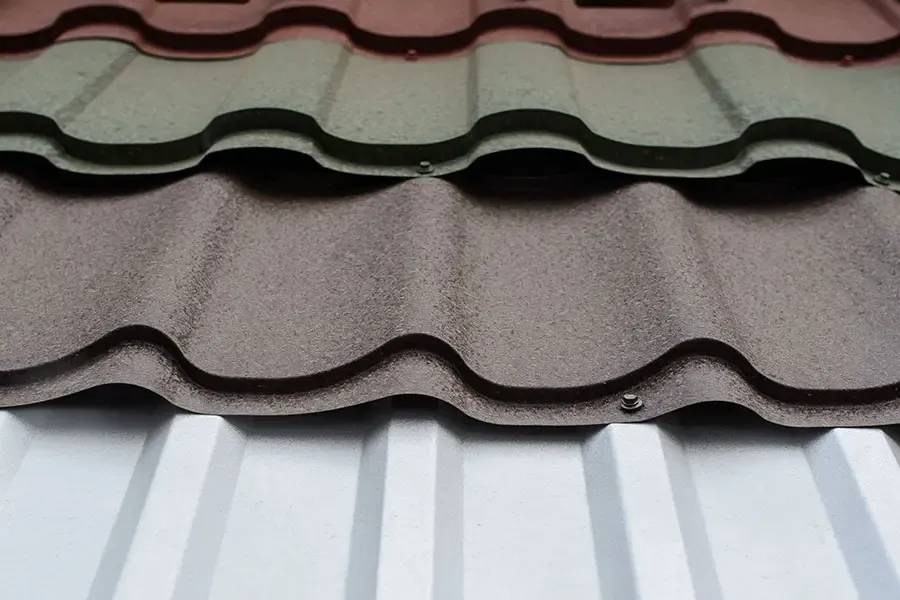
Corrugated metal roofing and rib-type (R-panel) metal roofing are both exposed-fastener systems, but they have meaningful differences. Corrugated metal uses a wavy, rounded profile and is one of the oldest metal roofing styles still in use. R-panels use a more angular, trapezoidal rib profile and are very common in agricultural, commercial, and some residential settings.
For residential homes, corrugated panels offer more curb appeal and a more traditional look. R-panels shed water more efficiently on very low-slope roofs and are often a bit easier to install at scale. Both are affordable and widely available. The main downside of both is the same: exposed fasteners that require periodic maintenance. For homes near Hiawassee, GA, where heavy rain and storms are common, a concealed-fastener panel like standing seam is still the stronger long-term choice for preventing water intrusion.
What Is the Biggest Problem With Metal Roofs?
The biggest problem with metal roofs is the higher upfront cost compared to asphalt shingles. Metal roofing can cost two to three times more to install than a standard asphalt shingle roof, according to Englert Inc. For many homeowners, that sticker shock is the biggest barrier to choosing metal.
Beyond cost, exposed-fastener metal roofs have a specific maintenance issue: the rubber washers around the screws can degrade over time and allow water to seep in. This is not a problem with standing seam panels since there are no exposed fasteners, but it is a real concern for corrugated and R-panel systems. Finally, metal can be dented by large hail, though Class 4 impact-rated panels are designed to resist standard hail damage.
The good news is that these problems are manageable with proper panel selection and professional installation. The long-term savings in energy, maintenance, and longevity often outweigh the higher starting cost over the life of the roof.
What Type of Metal Roof Lasts the Longest?
Copper and zinc metal roofs last the longest. Copper roofs can exceed 100 years with proper care, and zinc is not far behind, often lasting 70 to 100 years or more. According to Englert Inc., copper and zinc types far surpass the lifespan of steel and aluminum systems. The tradeoff is cost: copper is one of the most expensive roofing materials available.
For most Georgia homeowners, steel standing seam roofs are the practical long-term winner. They last 40 to 70+ years, resist corrosion with a Galvalume coating, and cost far less than copper or zinc. Aluminum is another excellent option, especially in coastal or high-humidity areas, since it does not rust. According to the Metal Roofing Alliance, metal roofing systems resist fire, rot, and insect damage and perform well in high-wind and storm-prone climates, which describes Watkinsville and Hiawassee perfectly.
What Is the Best Grade of Metal Roofing?
The best grade of metal roofing for a residential home is 26-gauge steel. Gauge refers to the thickness of the metal: the lower the gauge number, the thicker and stronger the panel. A 26-gauge panel is thick enough to resist denting and warping while still being manageable to install. Some higher-end projects use 24-gauge for even more rigidity, and this is often preferred in areas that see frequent hail or high wind events.
29-gauge panels are common in agricultural and budget residential applications, but they are noticeably thinner and more prone to oil-canning (a visible waviness in the panel surface) and denting. If you are investing in a metal roof for your home in the Watkinsville area, 26-gauge is the minimum grade worth considering for a product you want to last decades.
What Are the Disadvantages of Galvalume Metal Roofing?
The disadvantages of Galvalume roofing are that it can be incompatible with certain materials, is not ideal for very low-slope applications without proper drainage, and can be scratched during installation if not handled carefully. Galvalume is a steel substrate coated with a blend of aluminum and zinc, and it is highly resistant to rust and corrosion. However, direct contact with copper, lead, or treated lumber can cause a chemical reaction that speeds up degradation. It also performs less effectively in standing water, so proper roof pitch and drainage are essential.
Despite these limitations, Galvalume remains one of the most widely recommended substrates for residential metal roofing. When used correctly with a quality painted finish like Kynar 500, it gives homeowners a roof that resists rust, fading, and weather damage for several decades. McElroy Metal notes that pairing a Galvalume substrate with a Kynar paint finish is one of the best ways to maximize the long-term performance of a metal roof.
Is a Metal Roof on a House Better Than Shingles?
Yes, a metal roof on a house is better than shingles in almost every measurable category except upfront cost. Metal roofs last 40 to 70 years or more, while asphalt shingles typically last 15 to 30 years, according to data compiled from multiple roofing sources including Englert Inc. and RubyHome. That means a homeowner who installs metal may never need to replace their roof again, while shingle roofs may require two or three replacements over the same period.
Metal roofs also outperform shingles in energy efficiency. According to Metal Central, metal roofing can deliver up to 40% energy savings by reflecting solar heat away from the home. Shingles absorb heat, which makes your cooling system work harder during Georgia’s hot summers. For families in Watkinsville dealing with peak summer temperatures, that energy savings adds up year after year.
Metal is also better in severe weather. Metal roofs can withstand winds up to 140 miles per hour, according to Skabelund Roofing. A quality asphalt shingle roof is not built to the same standard. This matters in Hiawassee and the North Georgia mountains, where storms can be sudden and intense.
Does Homeowners Insurance Go Down With a Metal Roof?
Yes, homeowners insurance often goes down with a metal roof. According to the Metal Roofing Alliance, homeowners who install metal roofs may see their insurance premiums drop by up to 35%. According to Falcon Roofing, the average discount is around 20%. These discounts happen because insurance companies recognize that metal roofs are more resistant to fire, hail, and wind damage, which means fewer and smaller claims over time.
In Georgia, this is an especially relevant point. Storms across the region regularly produce hail and high winds that damage asphalt shingle roofs. A Class 4 impact-rated metal roof can withstand impacts that would crack or strip shingles, reducing your likelihood of filing a claim after every major storm. Always contact your insurance agent directly to confirm what discounts apply to your specific policy and location before making a decision.
Why Do Insurance Companies Not Like Metal Roofs?
Insurance companies do not universally dislike metal roofs. In fact, most insurers view metal roofs favorably because of their durability and low claim frequency. However, there are specific situations where an insurer may be cautious. If a metal roof is installed over existing shingles instead of a clean tear-off, some insurers may see that as a potential problem because moisture can become trapped between layers. If the metal roof uses low-quality materials or was installed by an unlicensed contractor, an insurer may decline to offer a discount or could even raise rates.
The simplest way to keep your insurer happy is to hire a licensed, reputable roofing contractor and use quality materials. Document everything, keep your warranties, and notify your insurer right after installation. According to ATR Roofing, failing to provide documentation of your roof replacement and materials can prevent you from receiving any insurance discount at all.
What Metal Roofing Won’t Rust?
Aluminum, copper, and zinc metal roofing won’t rust. Aluminum is naturally rust-resistant because it forms a protective oxide layer when exposed to air. Copper is also naturally corrosion-resistant and has been used on roofs for centuries. Zinc behaves similarly, developing a self-healing patina that protects the metal underneath.
Galvalume-coated steel is not completely rust-proof, but the aluminum-zinc alloy coating gives it excellent corrosion resistance that far exceeds bare or galvanized steel. For most Georgia homeowners, Galvalume steel with a quality painted finish is the most practical rust-resistant choice because it balances performance with affordability. If you are within a few miles of a coastal or very high-humidity environment, aluminum panels are worth the extra consideration.
What Gauge Metal Roofing Is Best for Houses?
26-gauge metal roofing is best for houses. It provides a strong balance of thickness, weight, and impact resistance that suits residential applications well. The thicker the gauge (lower number), the more durable the panel. 24-gauge is even stronger and is often used in commercial or high-end residential projects where maximum performance is the goal.
29-gauge panels are sometimes marketed for residential use, but they are noticeably thinner and better suited for outbuildings, barns, and agricultural structures. For a home in the Oconee County or Towns County areas, the investment in 26-gauge or better pays off in a roof that holds up through hailstorms, wind events, and decades of temperature cycles without warping or denting easily.
When Should You Not Use a Metal Roof?
You should not use a metal roof when your roof has a very low slope below 3:12 pitch and you are planning to use a panel type that is not rated for low slope. Exposed-fastener panels like corrugated metal and R-panels require at least a 3:12 pitch to drain water effectively. On roofs below that pitch, water can pool around the fasteners and seams, increasing the risk of leaks over time.
You should also avoid metal roofing if the structure itself is not sound enough to support proper installation. And if you are on a very tight budget and plan to sell the home within a few years, the upfront cost of metal may not make financial sense compared to a quality shingle replacement. Talk to a local contractor who can assess your specific roof before making a final decision.
Can a Tornado Take Off a Metal Roof?
Yes, a tornado can take off a metal roof, just as it can remove any other roofing material. Tornadoes produce extreme wind forces that can exceed the structural limits of any roof system. However, metal roofs perform significantly better than asphalt shingles in high-wind events. Metal roofs can withstand sustained winds up to 140 miles per hour, according to Skabelund Roofing, while most asphalt shingle roofs are rated for far lower wind speeds.
Standing seam metal roofs, in particular, are designed with hidden clips that allow the panel to flex and expand without losing its grip on the structure. This design makes them especially resistant to wind uplift. In storm-prone areas like the foothills around Hiawassee, a metal roof is one of the most protective options you can put on a home.
What Are the Top 5 Roofing Materials?
The top 5 roofing materials used on residential homes are asphalt shingles, standing seam metal, metal shingles, clay and concrete tile, and slate. Asphalt shingles are the most common by far. According to This Old House, they dominate the U.S. roofing market because of their low cost and wide availability. Metal roofing is the fastest-growing alternative, with acceptance rising due to its durability, energy efficiency, and storm resistance.
For homeowners in Watkinsville and Hiawassee, the climate makes metal and heavy-duty options especially worth considering. The North Georgia region gets significant rainfall, occasional hail, and high summer heat. A roof that can handle all three without wearing out in 15 to 20 years is a smart long-term choice.
What Are the Disadvantages of Corrugated Metal Sheets?
The disadvantages of corrugated metal sheets are exposed fasteners that require regular maintenance, potential for oil-canning (visual waviness), noise during heavy rain without proper insulation, and limited suitability for very low-slope roofs. The exposed screws and washers are the biggest ongoing concern. Over time, the rubber washers around each fastener break down from UV exposure and thermal cycling. When that happens, water can seep through the screw holes and into the roof deck below.
Corrugated metal is also louder than standing seam during heavy rain because there is no secondary layer to dampen sound. Adding insulation during installation solves most of the noise issue, but it does add to the overall project cost. Despite these drawbacks, corrugated metal remains a durable and affordable option for many homeowners, especially when installed correctly with quality fasteners and inspected periodically.
What Are the Red Flags for Roofing Contractors?
The red flags for roofing contractors are high-pressure sales tactics, requests for full payment before work begins, no physical address or license number, no written contract, and unwillingness to provide references. If a contractor shows up uninvited right after a storm and pushes you to sign immediately, that is a storm chaser and a serious warning sign. According to ATR Roofing, hiring an unlicensed contractor can lead to denied insurance claims and rejected discount applications from your insurance company.
Always verify that your contractor is licensed in Georgia, carries liability insurance, and offers a written workmanship warranty. A reputable local company will be happy to provide all of this without pressure.
What Is the 25% Rule in Roofing?
The 25% rule in roofing is a building code standard used in many jurisdictions that states if more than 25% of a roof is repaired or replaced within a 12-month period, the entire roof must be brought up to current building code standards. This rule exists to prevent homeowners and contractors from doing piecemeal repairs that avoid the cost of a full compliant replacement.
In practice, this means that a large repair job can trigger a full permit-required replacement project. This is worth knowing if you are considering patching a significant section of a metal or shingle roof. A licensed contractor familiar with Oconee County and Towns County building departments will be able to advise you on what applies to your specific situation.
Is What Is Grace for Roofing?
Grace in roofing refers to Grace Ice and Water Shield, which is a self-adhering waterproof underlayment made by Grace Construction Products. It is used in vulnerable areas of the roof such as valleys, eaves, and around penetrations like vents and skylights to create a watertight barrier. The material sticks directly to the roof deck and seals around nails and fasteners, which prevents water from creeping in through small gaps.
For metal roofing projects, a quality underlayment like this is especially important under corrugated or exposed-fastener panels. Standing seam panels benefit from it as well, particularly in valley areas. A good underlayment is one of the layers that determines how long any roof truly lasts, regardless of the material on top.
What Is the Cheapest Time of Year to Replace a Roof?
The cheapest time of year to replace a roof is typically late fall or early winter, specifically November through February in most parts of the Southeast. During this slower season, roofing contractors often have more availability and may offer better scheduling flexibility. However, this varies by contractor and by how busy local demand is after storm seasons.
In the Watkinsville and Hiawassee areas, summer storm season often keeps roofing crews very busy through September and October. Planning your roof replacement outside of peak storm recovery season can sometimes work in your favor. That said, the best deal is always from a contractor who offers honest, competitive pricing year-round rather than one who slashes rates only in the off-season. Quality workmanship matters more than saving a little on timing.
Metal Roofing Panel Comparison Table
| Panel Type | Fastener Style | Typical Lifespan | Best For | Maintenance Level |
|---|---|---|---|---|
| Standing Seam Steel | Concealed | 40 to 70+ years | Residential, steep-slope | Low |
| Corrugated Steel | Exposed | 20 to 40 years | Budget residential, outbuildings | Moderate (washer checks) |
| R-Panel / Rib Panel | Exposed | 20 to 30 years | Low-slope residential, commercial | Moderate |
| Metal Shingles | Concealed | 30 to 50 years | Traditional-look homes | Low |
| Stone-Coated Steel | Concealed | 30 to 50 years | High-wind regions, curb appeal | Low |
| Aluminum Panels | Concealed or Exposed | 40 to 70+ years | High-humidity, coastal areas | Low |
| Copper Panels | Concealed | 70 to 100+ years | Premium, historic homes | Very Low |
Sources: Englert Inc., Bill Ragan Roofing, Baker Metal & Dixie Supply, McElroy Metal, Metal Roofing Alliance
How to Tell If a Roofer Is Lying
You can tell if a roofer is lying if their inspection produces a damage report that does not match what you observed, if they refuse to show you photos of the damage they claim exists, or if they recommend a full replacement when a qualified second opinion suggests repair is sufficient. Storm chasers are notorious for exaggerating damage to increase the scope of an insurance claim. Always get a second opinion before signing anything after a storm event.
Honest roofing contractors will walk you through every finding, show you photos of problem areas, and explain clearly why they are recommending repair or replacement. If a contractor avoids specific answers or pushes you toward an immediate decision, take that as a signal to slow down and verify. In the Watkinsville and Hiawassee areas, there are reputable local contractors who will give you a straight answer. You deserve nothing less.
Knowing when a roof repair is the right call versus a full replacement is something a trustworthy contractor will help you figure out without any pressure.
What Is Better, TPO or EPDM Roofing?
TPO and EPDM are both flat-roof membrane systems used primarily on low-slope and commercial roofs, not steep-slope residential roofs. TPO (Thermoplastic Polyolefin) is better in hot climates because it is a white reflective membrane that bounces solar heat away from the building. EPDM (Ethylene Propylene Diene Monomer) is a black rubber membrane that performs well in cold climates and is very durable against freeze-thaw cycles.
For the steep-slope homes common in Watkinsville and the mountain communities around Hiawassee, neither of these systems applies. They are worth knowing about if you have a flat garage, workshop, or commercial structure. For a standard home roof, metal panels or quality shingles are the right conversation to have. The commercial roofing options in Watkinsville cover flat-roof systems for business owners who need them.
Frequently Asked Questions
Is a metal roof worth it in the Watkinsville, GA area?
Yes, a metal roof is worth it in the Watkinsville area. Georgia’s climate brings hot summers, heavy rainfall, and occasional severe storms that test asphalt shingles hard. Metal roofs last 40 to 70 years or more, compared to 15 to 30 years for shingles according to Englert Inc., meaning local homeowners could avoid one or two complete replacements over the life of the home. The long-term savings on energy, maintenance, and insurance premiums make the higher upfront cost worthwhile for most families planning to stay in their home long-term.
What metal roofing panel type is best for homes in Hiawassee, GA?
Standing seam metal panels are the best choice for homes in Hiawassee. The North Georgia mountains around Towns County see significant rainfall, occasional snow and ice, and high winds during storm season. Standing seam’s concealed fastener design prevents water from penetrating through screw holes, and the panel’s ability to handle thermal expansion makes it ideal for the temperature swings between mountain winters and Georgia summers. Metal roofs can also withstand winds up to 140 miles per hour, according to Skabelund Roofing, which matters in an area that sees strong seasonal storms.
How long does a metal roof last in Georgia’s climate?
A metal roof lasts 40 to 70 years or more in Georgia’s climate when properly installed. Georgia’s combination of high humidity, UV exposure, and summer storms is well within the performance range of quality steel and aluminum metal panels. Galvalume-coated steel with a Kynar 500 paint finish holds up especially well in humid conditions. Regular annual inspections to check for debris buildup in valleys and verify that all sealants remain intact are all the maintenance most metal roofs in the Watkinsville and Hiawassee areas will need.
Does a metal roof increase home value in Oconee County?
Yes, a metal roof increases home value in Oconee County. According to research cited by Tadlock Roofing and Remodeling Magazine, homeowners can recoup an average of 85 to 95% of the installation cost in resale value. Buyers in the Watkinsville area know that a metal roof means decades without a replacement, which is a strong selling point. The added energy savings and potential insurance discounts of up to 35%, according to the Metal Roofing Alliance, also make the home more attractive to informed buyers.
Can a metal roof be installed over existing shingles in Georgia?
Yes, metal roofing can be installed over existing shingles in Georgia in some cases, but it is not always the best option. Installing over old shingles can trap moisture between layers, which may lead to deck rot over time. It can also void certain material warranties. A full tear-off and fresh installation gives the new metal roof a clean foundation, allows the deck to be inspected for damage, and ensures the longest possible lifespan. Most reputable contractors in the Watkinsville and Hiawassee areas will recommend a tear-off unless there is a specific structural reason to avoid it.
What is the most affordable metal roofing option for Georgia homeowners?
The most affordable metal roofing option for Georgia homeowners is 29-gauge corrugated steel panels with exposed fasteners. These panels cost significantly less per square foot than standing seam systems and are widely available through regional suppliers. They are a legitimate choice for detached garages, workshops, and secondary structures. For the main home, spending a little more for 26-gauge standing seam is worth the investment in leak prevention and longevity. According to Baker Metal and Dixie Supply, a professionally installed metal roof lasts 40 to 70 years, which spreads the cost over a much longer period than most people initially expect.
How do I find a trustworthy metal roofing contractor near Watkinsville or Hiawassee?
You find a trustworthy metal roofing contractor near Watkinsville or Hiawassee by verifying their Georgia roofing license, asking for proof of liability insurance, and requesting references from past local clients. Look for contractors with a physical address in the area, a written contract that outlines scope, materials, and warranty terms, and a workmanship guarantee on the installation itself. Avoid contractors who show up uninvited after storms, pressure you to sign quickly, or ask for full payment before starting work. A good local contractor will take the time to walk your roof with you and explain every recommendation clearly and without pressure.Final Thoughts
Metal roofing is one of the best long-term investments a homeowner in the Watkinsville or Hiawassee area can make. It outlasts asphalt shingles by decades, holds up better in severe weather, reduces energy costs by up to 40% according to Metal Central, and can lower homeowners insurance premiums by as much as 35% according to the Metal Roofing Alliance. The panel type you choose, standing seam, corrugated, R-panel, metal shingle, or stone-coated steel, should match your roof’s pitch, your budget, and how long you plan to stay in the home.
If you are ready to explore metal roofing for your home, the team at Ridgeline Roofing and Exteriors serves both Watkinsville and Hiawassee with honest inspections, expert installations, and the local knowledge that comes from working in these communities every day. Contact Ridgeline Roofing today to schedule your free roof inspection and find out which metal panel is the right fit for your home. Do not wait until a storm forces the decision. Get ahead of it now with a roof built to last.
Ready to get started? Explore your options with Watkinsville metal roofing and see what a properly installed metal panel system can do for your home’s protection, value, and energy costs.