Skip to content
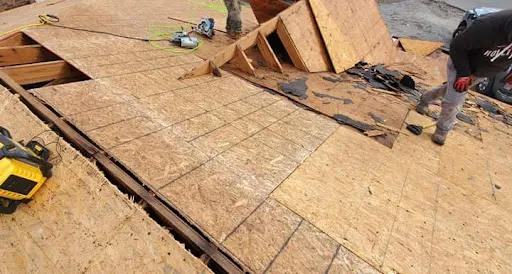
A roof is installed through a systematic sequence of steps that begins before any crew sets foot on the building and ends with a final inspection and cleanup. Understanding what each step involves, and why it matters, helps homeowners in Watkinsville and Hiawassee know what a quality installation looks like, what questions to ask their contractor, and why cutting corners on any one step creates problems that show up years later as leaks, premature failure, and voided warranties. This guide walks through every stage of a residential asphalt shingle roof installation from the initial assessment through the final walkthrough, and answers every question Georgia homeowners ask about the roofing process.
How Are Roofs Installed?
Roofs are installed through a multi-step process that begins with an inspection and material selection, proceeds through the removal of old roofing, deck preparation, underlayment, flashing, shingle installation, ridge capping, and ends with final inspection and cleanup. According to Bill Ragan Roofing, the process follows a specific sequence because each layer of the roofing system depends on the layer below it being correctly prepared and installed. The visible shingles on top are the last thing a professional crew installs, not the first, because the entire system underneath them determines how well the shingles perform and how long they last. According to FoxHaven Roofing, a professional installation addresses more than just the visible shingles: the contractor inspects the roof deck, installs proper underlayment and flashing, ensures adequate ventilation, and applies roofing materials according to manufacturer specifications, with each step playing a critical role in protecting the home.
For homeowners in Watkinsville and Hiawassee who are having a roof replaced, understanding the full installation sequence is the most practical tool for evaluating whether a contractor is doing the job correctly. A contractor who skips the underlayment inspection, reuses old flashing at chimneys and vents, or does not apply starter shingles at the eave is delivering a deficient installation that the homeowner cannot see from the ground. Knowing what should happen at each stage gives you the ability to ask the right questions before work begins and to understand the written scope in the proposal you are reviewing.
What Is the 25% Rule in Roofing?
The 25% rule in roofing is a building code standard that requires a full permitted roof replacement when more than 25% of a roof’s surface area is repaired or replaced within a 12-month period. This rule applies in most Georgia jurisdictions including Oconee County and Towns County, and it is enforced to prevent homeowners from making large-scale repairs that bypass the permitting and code-compliance requirements of a complete installation. When cumulative repair work crosses the 25% threshold in a calendar year, the building department treats the project as a full replacement, which means the entire roof must be brought up to current code standards for underlayment, ventilation, flashing, and drip edge.
For homeowners dealing with storm damage in the Watkinsville area, the 25% rule has real practical implications. Storm events that damage one-third of a roof trigger the replacement threshold, turning what seemed like a repair situation into a code-required full replacement. A licensed local roofing contractor will measure the damage scope accurately and advise whether you are below the threshold or in full replacement territory, and will pull the required permit for any work that qualifies. Unpermitted roofing work creates complications with insurance coverage, with future property sales, and with the legality of subsequent repairs on that roof system.
What Time of Year Is the Cheapest to Replace a Roof?
The cheapest time of year to replace a roof is late fall through early winter, from November through February in Georgia. According to Columbus Roofing Company, scheduling during the off-peak season can save 10% to 20% compared to peak summer pricing. Roofing contractors in Watkinsville and Hiawassee are at full capacity from spring through early fall when storm repair demand, active construction activity, and the post-storm insurance claim cycle keep crews booked and pricing at the top of the market. Winter scheduling produces better contractor availability, faster project timelines, and more competitive bids from qualified local contractors who have schedule capacity to fill.
Georgia’s mild winters create few practical barriers to off-season roofing. Architectural asphalt shingles require a minimum temperature of approximately 40 degrees Fahrenheit for the adhesive sealant strips to bond properly, and Georgia temperatures rarely remain below that threshold long enough to prevent installation during winter months. A licensed local contractor will monitor the forecast and schedule work on days that meet the temperature and weather conditions the manufacturer specifies for a valid warranty installation. For homeowners with a planned replacement on the capital expenditure schedule, committing to a fall or winter installation window is one of the most straightforward ways to reduce the total project cost without any trade-off in material quality or workmanship.
What Are the Common Roof Design Mistakes?
The most common roof design mistakes are insufficient roof pitch for the material being used, inadequate valley design at intersecting roof planes, improper attic ventilation that shortens shingle life and causes ice dams, and neglecting to specify appropriate underlayment and flashing for the climate. According to Today’s Homeowner, most roof failures do not come from the shingles or panels themselves but from the small parts that contractors attempt to cut costs on, including underlayment, flashing, and valley metal. A roof that looks structurally sound from the outside can be a systemic failure waiting to happen if any of these design elements were specified or installed incorrectly.
For new construction and significant renovations in the North Georgia mountains around Hiawassee, roof design mistakes that are common elsewhere are amplified by the higher elevation climate. A roof pitch that sheds water adequately in the lower Piedmont may not shed snow and ice effectively enough at Hiawassee’s elevation, and the flashing detail at a chimney that is acceptable in Atlanta requires more robust construction in Towns County where freeze-thaw cycling is more severe. Working with a licensed roofing contractor who has specific experience with the local climate and building code requirements for your jurisdiction is the most reliable way to avoid design mistakes that only reveal themselves years after installation.
What Are the Three Types of Roofing?
The three broad categories of roofing are steep-slope roofing, low-slope roofing, and flat roofing, each of which uses different materials and installation methods suited to its pitch range. Steep-slope roofing covers any roof with a pitch of 3:12 or greater and includes asphalt shingles, metal roofing, wood shakes, clay and concrete tile, and slate. These systems rely primarily on gravity and overlap to shed water and are the most common category for residential homes in Watkinsville and Hiawassee. Low-slope roofing covers pitches from 1/4:12 to 2:12 and uses membrane systems such as TPO, EPDM, and modified bitumen that are waterproof rather than water-shedding. Flat roofing, which is technically also low-slope, is common on commercial buildings and modern residential designs with nearly level roof structures.
Within steep-slope residential roofing, the three most commonly compared material types are asphalt shingles, metal roofing, and tile. According to Wikipedia’s domestic roof construction entry, asphalt shingles make up as much as 75% of all steep-slope roofs in North America because they are typically less expensive than other materials and are available everywhere. Metal roofing is the fastest-growing category and is particularly well-suited to Georgia’s storm-active climate due to its wind and hail resistance. Tile roofing, including clay and concrete tile, is popular in Mediterranean and Spanish-style residential architecture and offers exceptional durability when the structure can support its weight. For most homeowners in Watkinsville and Hiawassee, the choice comes down to asphalt shingles for the best upfront cost or metal roofing for the best long-term investment, with the specific decision shaped by ownership timeline, budget, and local storm exposure.
How Many Hours Does It Take to Install a Roof?
A professional roofing crew can typically install a standard asphalt shingle roof on an average two-story home in one to three days, or roughly eight to twenty-four labor hours per crew member on a standard-sized project. According to Amstill Roofing, most asphalt shingle roofs can be installed in one to three days for an average home, with the full project from planning to completion typically spanning two to three weeks when permits, material ordering, and scheduling are included. According to a roofer-written guide from Abedward.com, a solo roofer working with asphalt shingles can cover 50 to 150 square feet of roof in an hour, making asphalt one of the most time-efficient options and typically completing a standard roof without tear-off difficulties within one to two installation days.
Several factors extend the timeline beyond the standard range for a Watkinsville or Hiawassee project. Roof complexity, including multiple valleys, dormers, hips, and many penetrations, significantly increases installation time relative to a simple gable roof of the same square footage. Discovery of deck damage after tear-off can add one to three days depending on the extent of the rotted or damaged sheathing panels. Weather delays, which are a real consideration in Georgia’s afternoon thunderstorm season from spring through early fall, can pause work for part or all of an installation day. Metal roofing takes longer than asphalt, typically three to seven days for an average home according to Amstill Roofing, because each panel requires careful measurement and alignment. Slate and tile installations run five to ten days or more due to the weight and handling requirements of the material.
What Is the Most Expensive Part of Replacing a Roof?
The most expensive part of replacing a roof is labor, which according to HGTV typically accounts for approximately 35% of a roofing project’s cost, with materials making up about 55% and overhead, disposal, and permit fees comprising the remainder. For a standard 2,000-square-foot asphalt shingle replacement in the Watkinsville area, labor represents $4,000 to $7,000 of the total project cost depending on roof complexity, pitch, and the number of penetrations requiring individual flashing work. Labor costs are not negotiable in the same way that material costs are, because cutting labor hours means cutting the time spent on detail work like flashing, valley installation, and starter course placement, which are exactly the components whose quality most directly determines how long the roof stays leak-free.
Beyond labor, the most expensive single line item in many roof replacement projects is deck repair discovered during tear-off. When old shingles are removed and the deck is inspected, water-damaged or rotted plywood or OSB panels must be replaced before any new materials can be installed. Deck repair typically costs $75 to $125 per sheet of decking material plus labor, and a roof with a history of leaks or deteriorated flashings may have multiple damaged sheets. For homeowners in Oconee County and Towns County budgeting for a roof replacement, including a 10% to 15% contingency in the project budget for potential deck repair is the financially sound approach that prevents budget surprises when the crew finds damage after the old shingles are removed.
How to Tell If a Roofer Is Lying
You can tell if a roofing contractor is lying when their written proposal does not itemize the specific components of the installation, including the shingle product name and grade, the underlayment type, whether starter shingles are included, how flashing will be handled, and what the deck repair pricing methodology is. A contractor who provides a single lump-sum number without explaining what is included is either hiding something or has not thought through the job in enough detail to be trusted with it. A contractor who cannot explain in plain language why they are recommending one product over another for your specific roof is telling you what you want to hear, not what your home needs.
Additional lies that show up specifically in the roofing installation context include a contractor who tells you the old flashing at the chimney or skylights is fine to reuse when it is rusted or older than ten years, a contractor who does not mention pulling a permit for a full replacement, and a contractor who quotes a price that is 25% or more below competing proposals without explaining specifically what they are doing differently. According to RoofCalc.org, lower roofing cost always comes at the expense of quality because all roofers in the same geographic area pay approximately the same for materials, meaning a dramatically lower bid is almost always explained by skipped components, uninsured labor, or planned shortcuts on the installation details that are not visible from the ground once the job is complete.
At What Age Is a Roof Considered Old?
A standard three-tab asphalt shingle roof is considered old at 15 to 20 years in Georgia’s climate, and an architectural or dimensional asphalt shingle roof is considered old at 20 to 25 years. According to RoofClaim, shingle roofs last around 20 years, and once a roof is more than 15 years old with any storm damage, a professional inspection is strongly advised. In Georgia’s specific climate, high UV intensity through the long warm season, high humidity that promotes algae and moss growth, and frequent thunderstorm activity with hail and high winds all accelerate the aging process relative to national averages. A shingle roof that might last 25 years in a northern climate may show end-of-life symptoms at 18 to 20 years in Watkinsville or at 20 to 22 years in Hiawassee.
The practical signs that a roof has reached old age are widespread granule loss that leaves smooth, shiny patches on shingles throughout the field of the roof, curling or cupping visible across large sections rather than in isolated spots, multiple areas of missing or cracked shingles from storm events, water stains in the attic at more than one location indicating systemic leak points, and any visible sagging of the deck or ridge. When three or more of these signs are present simultaneously, the roof has reached end of life and the investment in continued repairs is not recovering material that will protect the home for another decade. A free inspection from a licensed local contractor is the most reliable way to confirm the roof’s actual condition rather than estimating from age alone.
What Not to Say to a Roof Insurance Adjuster
When an insurance adjuster arrives to inspect roof damage after a storm, there are specific statements that can harm your claim. Do not say the roof was already starting to have problems before the storm, because pre-existing condition language gives the carrier grounds to deny the storm-caused portion of the damage. Do not agree on the spot to a repair scope that limits coverage to patching when the damage extent may warrant full replacement under the policy, and do not sign any contractor’s assignment of benefits form before your adjuster has completed their independent inspection. Do not tell the adjuster you have not maintained the roof or that you knew about a problem and did not address it, because deferred maintenance language in standard homeowners policies is one of the most common grounds for claim reduction or denial.
The preparation that gives a legitimate storm damage claim its best outcome is having your licensed roofing contractor provide a written inspection report that specifically documents storm-caused damage, photographs with date and time metadata taken immediately after the storm event, and National Weather Service records confirming the storm’s timing and intensity at your address. Having your contractor present during or immediately following the adjuster’s inspection, so they can point out specific damage the adjuster may have missed or documented incompletely, is also a practical step that many experienced roofing contractors in the Watkinsville and Hiawassee areas offer as part of their storm damage service. The legitimate portion of any well-documented claim has its best chance of full payment when the contractor and the adjuster are working from the same factual foundation.
Will Roofing Costs Go Down in 2026?
Roofing costs will not meaningfully go down in 2026. According to Equity Roofing, roof prices rarely go down, and a 2025 contractor survey from Roofing Contractor Magazine confirms that labor shortages and rising wages remain the top concerns for roofing businesses. According to Columbus Roofing Company, material costs have reset to a new baseline approximately 40% higher than 2019, and the pre-pandemic pricing of $8,000 to $10,000 for an average residential roof is permanently gone. According to Logams Roofing, in early 2025 leading shingle manufacturers including Owens Corning, GAF, and CertainTeed raised prices by 6% to 10%, establishing a higher material baseline that 2026 pricing reflects. According to 614 Exteriors, the 2026 national range for a typical 2,000-square-foot home using asphalt shingles runs $5,100 to $11,000 for standard configurations, with complex designs and premium materials running significantly higher.
The practical takeaway for homeowners in Watkinsville and Hiawassee is that delaying a needed roof replacement to wait for prices to fall means waiting for something that will not happen while the existing roof continues to age and potentially cause interior damage that adds to the total cost. The one genuine cost-saving opportunity is scheduling during the off-peak season from November through February, when contractor availability is higher and pricing is at its annual low point. A homeowner who schedules a replacement in December rather than May for the same job is the one genuinely accessing a pricing advantage in the current market.
Will a New Roof Lower Homeowners Insurance?
Yes, a new roof will often lower homeowners insurance premiums, particularly when the new installation includes impact-resistant shingles rated Class 4 or when a metal roof is installed. According to the Metal Roofing Alliance, a metal roof can lower homeowners insurance premiums by up to 35%. For standard architectural shingle replacements, the savings are more modest but real, with discounts of 5% to 15% common with carriers that recognize the reduced claim risk of a new roof relative to one approaching end of life. According to Allied Roofing Solutions, most insurers will not cover roofs over 20 years old, and replacing an aging roof keeps the homeowner eligible for full replacement cost value coverage rather than depreciated actual cash value coverage.
The practical step is calling your insurance carrier before signing a roofing contract and asking two specific questions: what discount they offer for a new roof installation at your address, and whether specifying Class 4 impact-resistant shingles qualifies for a larger discount. In the hail-active Piedmont corridor around Watkinsville and the storm-exposed mountain communities near Hiawassee, Class 4 impact-resistant shingles can unlock insurance savings that partially offset the slightly higher cost of those premium products. Getting the specific discount amount in writing from your carrier before choosing between standard and impact-resistant shingles turns that product selection decision into a clear numbers calculation.
How to Spot a Bad Roofer
You spot a bad roofer by looking for five clear indicators before work begins. First, they cannot provide a current Georgia contractor’s license number, proof of general liability insurance, and workers’ compensation coverage for their crew. Second, their written proposal is a single lump-sum number without any itemization of materials, labor, deck repair pricing methodology, permit fee, or warranty terms. Third, they cannot produce three to five verifiable local references from completed roofing projects in the Watkinsville or Hiawassee area within the past 24 months. Fourth, they arrive at your door unsolicited within days of a storm event and pressure you to sign immediately before competing bids can be obtained. Fifth, their price is 25% or more below every other qualified proposal without a clear explanation of what is different about their scope or materials.
On the day of installation, bad roofers reveal themselves through observable behaviors. They do not protect the landscaping and property before tear-off begins. They reuse old flashing at chimneys and vents instead of installing new flashing. They do not apply starter shingles at the eave. They leave nails and debris in the yard at the end of the day. They cannot explain what they are doing or why when asked a specific technical question about the installation. According to Directorii, rushing through roofing work leads to mistakes and a poor quality result, and the roof’s longevity depends on the work being done right the first time. A licensed, experienced local contractor with verifiable references and a properly itemized proposal is the single most important variable in whether a new roof performs for 25 years or begins failing in five.
What Damages a Roof the Most?
Wind is the single most common cause of roof damage across Georgia, specifically the lifting, creasing, and removal of asphalt shingles during thunderstorms. According to Smith Rock Roofing, wind damage to roof shingles can begin with gusts as low as 45 mph, and even low wind speeds during a typical thunderstorm can cause escalating damage as wind speed increases according to the National Weather Service. For homeowners in Watkinsville and Hiawassee where afternoon thunderstorms occur throughout the spring and summer months, cumulative wind exposure is the primary factor reducing a shingle roof’s effective service life below its theoretical maximum.
The second most damaging category is hail, which bruises shingles, displaces granules, and fractures the fiberglass mat beneath the shingle surface, creating a compromised waterproof barrier that deteriorates progressively after the impact. The third category is deferred maintenance, which includes allowing flashing failures to persist without repair, allowing gutters to stay clogged so water backs up against the fascia and sheathing, and allowing algae and moss growth to go untreated. According to the Asphalt Roofing Manufacturers Association, proper ventilation keeps the attic temperature close to outdoor temperature and is essential for preventing the heat buildup that causes shingles to deteriorate from below while the sun degrades them from above. The combination of regular professional inspections, prompt repair of any identified issues, and annual gutter cleaning addresses all of these damage categories before they accumulate into a premature full replacement.
What Should You Not Say to a Builder?
When discussing a roofing project with a contractor, there are several statements that work against your interests. Do not say your budget is open-ended or that you want the best of everything without asking what specific upgrades cost and what they actually provide, because this signals that price is not a factor and removes your negotiating leverage. Do not say you are in a hurry or that you need the work done this week, because urgency is the most effective tool unethical contractors use to prevent competitive bidding. Do not tell the contractor you have already decided on them before you have a written proposal that specifies all materials, labor, permits, and warranty terms, because the commitment removes any remaining motivation for the contractor to provide their most competitive pricing or most complete scope.
Specific to insurance claims, do not tell the contractor they can handle the insurance process and you will just sign whatever they present, because assignment of benefits agreements can transfer your rights under the insurance policy to the contractor in ways that limit your control over the repair scope and the settlement process. A trustworthy contractor will explain exactly what you are signing and why, and will answer questions about the proposal clearly and without defensiveness. If a contractor responds to specific questions about their scope of work with vague answers, repeated assurances that they do great work, or pressure to sign before you have had time to review the written proposal, those responses are more informative than anything they say directly about the quality of their work.
What Are the Top 5 Roofing Materials?
The top five roofing materials for residential use are asphalt shingles, metal roofing, clay or concrete tile, wood shakes, and slate, in descending order of market prevalence in the United States. According to Wikipedia’s domestic roof construction entry, asphalt shingles make up as much as 75% of all steep-slope roofs in North America because of their combination of affordability, availability, and adequate performance in most climates. Metal roofing is the fastest-growing residential category and is particularly well-suited to Georgia’s climate. According to HGTV’s roofing materials guide, clay tiles are extremely durable and are popular in Mediterranean and Spanish-style homes, but are very heavy and require structural reinforcement in homes not originally designed for them. Wood shakes offer a distinctive natural appearance but have declined in popularity due to fire hazard and higher maintenance requirements. Slate is the most durable residential roofing material available, with lifespans documented at over 100 years in European applications, but at installed costs of $400 to $3,000 per roofing square it is the most expensive standard option.
For Georgia homeowners in the Watkinsville and Hiawassee areas, the practical choice is typically between asphalt shingles and metal roofing. Asphalt shingles are the correct choice when budget is the primary constraint and the homeowner’s ownership timeline is under 15 years. Metal roofing is the correct choice for long-term owners who want the best total cost of ownership over 30 or more years, the best storm resistance for Georgia’s active weather, and the best insurance premium profile. Tile, wood shake, and slate are appropriate choices in specific architectural and lifestyle contexts but are not the practical baseline for most residential roofing decisions in this region.
What Is the 3-4-5 Method for Roofing?
The 3-4-5 method in roofing and construction is a technique based on the Pythagorean Theorem used to establish a perfectly square 90-degree corner during framing, layout, and installation. According to Concord Carpenter, carpenters and builders use the 3-4-5 method when the layout is large enough that framing squares are too small to guarantee the accuracy needed. The method works as follows: from a corner point, measure three feet in one direction and mark it, then measure four feet in the perpendicular direction and mark it. If you measure the diagonal distance between the two marks and it equals exactly five feet, the corner is a perfect 90-degree angle. If the diagonal does not measure five feet, the corner is not square and adjustments are needed. The method can be scaled to larger dimensions using multiples of 3-4-5, such as 6-8-10 or 9-12-15, for increased accuracy over longer distances.
In roofing specifically, the 3-4-5 method is used during the framing phase to verify that roof sections are correctly square before decking is applied, and during shingle layout to ensure the horizontal chalk lines that guide shingle alignment are truly perpendicular to the rake edge of the roof. Shingles installed on a layout that is not square will gradually drift out of alignment as courses are added, producing visible stairstepping of the shingle pattern that is impossible to correct without removing and reinstalling the affected courses. A properly squared roof layout is one of the foundational quality checks that distinguishes experienced professional roofing crews from those who rush through the setup phase in order to spend more time on the visible installation work. For homeowners watching a crew work, seeing chalk lines snapped carefully on the deck before shingles begin is a positive indicator of methodical, quality-focused installation practice.
What Ruins Asphalt Shingles?
Asphalt shingles are damaged by six primary factors: UV radiation, heat from inadequate attic ventilation, moisture, hail, wind, and biological growth. UV radiation degrades the asphalt binder in shingles over time, causing granules to loosen and shed, which accelerates once the granule layer is thinned. According to the Asphalt Roofing Manufacturers Association, heat from inadequate attic ventilation causes shingles to deteriorate from below by accelerating the same UV degradation that occurs from above, effectively squeezing the shingle’s service life from both directions simultaneously. Moisture that enters through failed flashing or open seams rots the deck below, which destroys the fastening surface the shingles depend on for wind resistance and eventually undermines the whole installation from underneath.
Hail fractures the fiberglass mat inside shingles even when the surface appears intact, creating compromised waterproof barriers that fail progressively after impact. Wind breaks the adhesive sealant strips that hold shingle tabs in place, and once the seal is broken the tab flaps freely in future storms, fatiguing the fiberglass mat until the tab tears off entirely. Biological growth from algae, moss, and lichen is a specific concern in Georgia’s humid climate: algae is primarily cosmetic, but moss and lichen physically root into the shingle surface, lift granules, and create moisture retention that accelerates deterioration. Preventing these conditions through adequate attic ventilation, prompt repair of any flashing failures, and regular gutter maintenance extends shingle life to the upper end of its rated range in Georgia’s climate.
When Roofing, Do You Start at the Top or Bottom?
When installing shingles, you always start at the bottom and work upward toward the ridge. This is not a stylistic choice but a functional requirement of how shingles shed water. Each course of shingles overlaps the top of the course below it, so water flowing down the roof surface travels over the exposed surface of one course and onto the top surface of the course below, never finding a seam to enter. If shingles were installed from the top down, every lap joint would face upward into the water flow, and the roof would leak immediately. According to IKO, shingles are installed in horizontal courses, beginning at the eave and overlapping the row below, so that the direction of installation precisely mirrors and reinforces the direction of water flow.
The specific sequence within the bottom-to-top installation order is: drip edge at the eave first, then ice and water shield at the eave in cold climates, then underlayment running from the bottom up with each course overlapping the previous, then the drip edge at the rake edges on top of the underlayment, then starter shingles at the eave, then the first full course of shingles aligned with the chalk lines, and then successive courses moving upward with each course offset from the one below by a consistent six-inch stagger. The ridge cap, the visible shingles that cap the peak where two roof planes meet, is installed last of all after all field shingles have been set and trimmed. According to This Old House, the ridge is capped by cutting individual shingle tabs and overlapping them toward one end of the ridge, with exposed nail heads sealed with roofing cement to prevent water entry at the last exposed fastener points in the system.
What Are Common Roof Framing Mistakes?
Common roof framing mistakes are incorrect rafter sizing or spacing for the snow and wind loads in the local climate, using lumber that is not structurally graded or that has significant knots and warping at critical bearing points, failing to tie rafters properly to the wall plates with the correct connector hardware, inadequate blocking at the eave to prevent rafter spread, and neglecting to account for roof sheathing panel expansion gaps. According to the Asphalt Roofing Manufacturers Association, the underlying structure should provide a rigid deck surface that does not sag, shift, or deflect under the weight of roofing materials, workers, or snow and rain loads, and roof deck panel joints should be staggered to minimize the effect of localized deflection.
For existing homes in Watkinsville and Hiawassee undergoing roof replacement, framing mistakes usually reveal themselves when the old shingles are removed and the deck is inspected. Sagging or deflection between rafters indicates either undersized framing members, fastener failures in the sheathing, or both. Soft spots in the deck typically indicate either original framing deficiencies that allowed moisture to accumulate or subsequent water damage from a leaking roof. Both conditions must be repaired before new shingles are installed, because nailing new shingles into compromised framing or deteriorated sheathing produces a roof that will fail to hold fasteners in wind events much sooner than the rated service life of the new materials. Documenting deck deficiencies found during tear-off in writing, with photographs, is important both for warranty compliance and for insurance claim support when the condition was caused by a prior covered loss.
What Is the Golden Rule for Roof Pitch?
The golden rule for roof pitch is to design the roof so that water drains efficiently for the specific material being installed, the local climate, and the architectural intent of the building, without creating unnecessary structural cost or maintenance complexity. According to Overhead Roofing Contractors, the golden rule is achieved when the pitch provides adequate weather protection while remaining structurally sound, cost-effective, and visually appropriate for the building type and location. In practice, this means using the minimum pitch required for the material to function correctly, plus any additional pitch justified by the climate or aesthetic goals of the project.
For asphalt shingles, the minimum code-allowed pitch is 2:12 with a double underlayment layer, with a more practical minimum of 3:12 for standard single-layer underlayment installations. Below 3:12, standard asphalt shingles are not rated to perform correctly because water does not drain fast enough to prevent backing up under the shingles at laps and joints. For metal roofing, standing seam can go as low as 1/4:12. For North Georgia residential applications in Watkinsville and Hiawassee, most homes fall in the 4:12 to 9:12 range, which provides excellent water shedding, good material compatibility, safe walkability for maintenance crews, and proportional aesthetics for standard residential architecture. Pitches in this range are also the most installation-efficient for roofing contractors, keeping labor costs within normal ranges rather than requiring the additional scaffolding, safety gear, and specialized techniques that very steep slopes demand.
What Do Roofers Put Under Shingles?
Roofers install three layers beneath shingles: the deck or sheathing, the underlayment, and in vulnerable areas an ice and water shield membrane. The deck is the structural plywood or OSB panels attached to the rafters that form the nailing surface for the entire roof system. The underlayment is a secondary water barrier, typically felt paper or synthetic sheeting, installed directly over the deck and under the shingles. According to Peterson Roofing, underlayment is a protective sheet laid on top of the decking before shingles go on, providing a secondary water barrier that catches anything that gets past the shingles during heavy rain or ice melt. The ice and water shield, required by the IRC in areas with histories of ice dam formation, is a self-adhering rubberized membrane installed at eaves, valleys, and other vulnerable locations that creates a fully waterproof seal around every nail and provides complete protection against water backed up by ice or wind-driven rain.
Beyond these three base layers, roofers also install drip edge metal along the roof perimeter, flashing at every penetration and transition, and starter shingles at the eave and rake before any field shingles are set. According to Peterson Roofing, starter shingles are specially designed strips installed at eaves and rakes before the first row of field shingles, helping lock the bottom row in place and preventing wind from lifting them. The drip edge is a metal strip along the roof edge that directs water into the gutters and protects the roof edge from rot, installed at the eave before underlayment and at the rake edges on top of underlayment. Flashing, the thin metal installed around all chimney bases, vent pipes, skylights, dormers, and wall intersections, is described by Today’s Homeowner as one of the most common sources of roof leaks when it is not installed correctly or when old flashing is reused instead of replaced during a roof replacement project.
What Are the Red Flags for Roofing Contractors?
The red flags for roofing contractors are the absence of verifiable local business credentials, inability to produce proof of current insurance, a written proposal that lacks any itemization, unsolicited door-to-door contact after storm events, request for large upfront cash payment before work begins, and a bid dramatically lower than competing proposals without explanation. According to RoofCalc.org, the cheapest bid often comes from under-insured contractors who cut corners, and saving $2,000 upfront costs more when problems appear later in the form of leaks, warranty disputes, and the expense of correcting substandard work. A licensed local contractor in Watkinsville or Hiawassee who has completed verifiable metal and shingle roofing projects in the area will have no difficulty answering specific technical questions about their installation approach and providing references you can call.
The red flags specific to the installation phase are equally important. A crew that begins installation without protecting the landscaping and property first is one that will leave your property damaged. A crew that does not install starter shingles at the eave is skipping a manufacturer-required component whose absence voids the warranty. A crew that reuses old pipe boot flashings without explanation is delivering a substandard installation at chimneys, vents, and skylights that will leak before the new shingles fail. A crew that completes the entire job and leaves without running a magnetic nail sweep through the yard and driveway is leaving your children and pets at risk of nail puncture injuries. These observable behaviors are not minor housekeeping issues. They are indicators of whether the crew that installed the visible shingles also attended to the invisible details that determine how long those shingles protect your home.
How Far Can a 2×6 Span as a Roof Rafter?
A 2×6 roof rafter can span approximately 10 to 14 feet depending on the wood species, grade, spacing, roof load requirements, and local building code. According to standard span tables used in residential construction, a No. 2 Southern Yellow Pine 2×6 rafter spaced 16 inches on center can span approximately 12 feet 10 inches under standard snow and dead load conditions in Georgia. At 24-inch spacing, the same rafter spans approximately 11 feet 5 inches. These spans assume typical residential dead loads of about 10 to 15 pounds per square foot for the roofing system and standard live loads for the local climate zone. Steeper roof pitches reduce the effective horizontal span but increase the actual rafter length, which affects both the amount of material required and the structural loading.
For homeowners in the North Georgia mountains around Hiawassee, the snow load calculation matters more than it does for lower-elevation communities. Towns County’s higher elevation means more significant winter snow accumulation events than Watkinsville or most of Oconee County, and local building codes account for this by specifying higher live load requirements. A licensed structural engineer should confirm rafter sizing for any new construction or significant structural modification at higher elevations in the North Georgia mountains, because the span tables developed for standard residential construction assume the snow loads typical for the building’s specific climate zone. For standard roof replacement projects on existing homes, the existing rafter sizing is not changed, but any damaged rafters discovered during the project must be replaced with equivalent or better members that meet the original structural specification.
What Are the 7 Stages of Construction?
The seven stages of residential construction are site preparation and foundation, framing, roofing and exterior envelope, mechanical rough-in (plumbing, electrical, HVAC), insulation, interior finishing, and final inspection and occupancy. Roofing occurs early in the construction sequence because the exterior envelope, including the roof, walls, windows, and doors, must be weather-tight before any interior work begins. According to Wikipedia’s domestic roof construction entry, roof framing must be designed to hold up structural loads including the dead load of the roof covering and the environmental loads from snow and wind, and the load and span defines the size and spacing of the rafters and trusses.
For homeowners who are not building new construction but are having an existing roof replaced, the seven-stage framing of new construction collapses into a focused sequence specific to the replacement project: inspection and material selection, permitting, pre-project property preparation, material delivery, tear-off and deck inspection, installation (underlayment, flashing, shingles, ridge cap), and final inspection and cleanup. According to Bill Ragan Roofing, the first step on installation day is material delivery, typically arriving the afternoon before or morning of the project. A reputable roofer will never deliver materials multiple days in advance unless weather delays the project start. The delivery is followed immediately by property protection setup, then tear-off begins as soon as the crew is ready, with the goal of having all old material removed and new underlayment applied to the entire deck before any possibility of afternoon rain.
Roof Installation Process: Step by Step
| Stage | What Happens | Why It Matters |
|---|---|---|
| 1. Inspection and material selection | Licensed contractor assesses existing roof, deck, attic ventilation, and flashing condition; homeowner selects material and product grade | Identifies deck damage, ventilation deficiencies, and code requirements before work begins |
| 2. Permit and scheduling | Contractor pulls required building permit; materials ordered; installation date scheduled | Permits ensure inspection and code compliance; unpermitted work creates insurance, resale, and legal issues |
| 3. Property protection | Vehicles moved; landscaping covered; tarps staged; attic and interior items protected | Prevents property damage from falling debris and granule accumulation |
| 4. Material delivery | Shingles, underlayment, flashing, fasteners, and accessories delivered to the site | Materials delivered day before or morning of project; advance delivery risks weather damage |
| 5. Tear-off and deck inspection | All old shingles, underlayment, and flashing removed down to bare deck; deck inspected for damage; damaged panels replaced | Reveals hidden decay, moisture damage, and structural issues; installs on compromised deck voids warranty |
| 6. Drip edge (eave) | Metal drip edge installed along the eave before underlayment | Directs water into gutters and protects fascia from rot; must go on before underlayment at eaves |
| 7. Ice and water shield | Self-adhering rubberized membrane installed at eaves, valleys, and penetration zones | Required by IRC in ice-dam-prone areas; protects against wind-driven rain and ice backup at most vulnerable locations |
| 8. Underlayment | Felt or synthetic underlayment installed over full deck surface, overlapping from bottom up; rake drip edge installed over underlayment | Secondary water barrier; required before any shingles are applied per IRC and manufacturer warranty |
| 9. Flashing | New step flashing, valley metal, pipe boots, and chimney flashing installed concurrent with shingle courses | Flashing failure is the most common cause of roof leaks; old flashing should be replaced, not reused |
| 10. Starter course | Starter strip shingles installed at eave and rake edges before first field shingle course | Locks bottom edge and prevents wind uplift on first field course; manufacturer-required for warranty validity |
| 11. Field shingles | Full shingle courses installed from eave to ridge, bottom to top, with consistent 6-inch offset and 5-inch exposure; chalk lines used for alignment | Correct nailing pattern, exposure, and stagger determine wind resistance and water shedding performance |
| 12. Ridge cap | Ridge cap shingles installed at the peak; exposed nail heads sealed with roofing cement | Caps the highest and most wind-exposed point of the roof; properly sealed caps prevent the most common ridge leak |
| 13. Cleanup and nail sweep | Debris collected and removed; magnetic nail sweep run through yard, driveway, and garden areas | Roofing nails in the yard cause tire punctures and injury; thorough cleanup is a basic quality standard |
| 14. Final inspection | Contractor and in some jurisdictions a building inspector walk the completed roof; homeowner reviews and signs off | Documents installation quality and triggers warranty coverage; permits require a final inspection in many Georgia jurisdictions |
Sources: Bill Ragan Roofing, FoxHaven Roofing, IKO, This Old House, Peterson Roofing, Asphalt Roofing Manufacturers Association (ARMA), Today’s Homeowner, KAM Roofing Services, Thomas Roofing
Frequently Asked Questions
How long does a roof replacement take in Watkinsville, GA?
A standard asphalt shingle roof replacement on a typical single-family home in Watkinsville takes one to three installation days for the crew’s on-site work, with the full project timeline from first contact to completed inspection typically running two to three weeks when permits, material ordering, and scheduling are included. According to Amstill Roofing, most asphalt shingle roofs can be installed in one to three days for an average home. Simple gable roofs on ranch-style homes are often completed in a single long day by an experienced crew. Larger homes, complex hip roofs with multiple valleys, or roofs that require significant deck replacement will run two to three installation days. Your contractor should provide a realistic timeline estimate in the written proposal, including a weather contingency plan for Georgia’s frequent afternoon thunderstorms during spring and summer installation season.
What permit is required for a roof replacement in Oconee County, GA?
A building permit is required for a full roof replacement in Oconee County, Georgia. Georgia’s building code requires permits for full roof replacement projects to ensure the installation is inspected and meets current code standards for underlayment, ventilation, flashing, and deck attachment. A licensed contractor will pull the required permit before work begins as a standard part of any legitimate roofing project. If a contractor suggests skipping the permit to save time or money, this is a clear indication that the contractor may not be properly licensed or may be planning to cut corners on components that require inspection. A permit creates a documented record that the installation was code-compliant, which protects you during insurance claims and when you sell the home.
What should I ask a roofing contractor before they start work in Hiawassee, GA?
Before a contractor begins work on your Hiawassee home, ask these specific questions in writing: Can you provide your Georgia contractor’s license number, current general liability insurance certificate, and workers’ compensation coverage? Will you pull the permit before work begins? What specific shingle product, grade, and manufacturer are you proposing and why? What underlayment are you specifying and will ice and water shield be installed at the eaves and valleys? How will you handle flashing at all penetrations and transitions, and will old flashing be replaced? What is your deck repair pricing if damage is found after tear-off? What does your cleanup process include and what tools do you use for nail removal? What warranty do you provide on your workmanship and how long does it last? A qualified contractor in the Hiawassee area will answer all of these questions specifically and in writing without hesitation.
Is it better to repair or replace my roof in Watkinsville?
The answer depends on the age of the roof and the extent of the damage. If the roof is less than 15 years old and the damage is localized to a small area with surrounding shingles in good condition, repair is the appropriate response. If the roof is 20 or more years old with widespread granule loss, multiple repair locations, brittleness in the surrounding shingles, or damage affecting more than 25% of the surface, replacement is the correct and often code-required outcome. According to Angi, the 50% rule states that if the cost of repairs exceeds 50% of the price to replace the entire roof, replacement is the smarter investment. For homeowners navigating a storm damage situation in Watkinsville, having the licensed contractor assess the full scope of damage accurately before authorizing any repair work, and comparing that scope against the replacement threshold under local building code, is the sequence that produces the financially sound decision for your specific situation.
What is the best shingle for Georgia’s climate?
For most residential applications in Watkinsville and Hiawassee, an architectural asphalt shingle with Class 4 impact resistance and a minimum 30-year manufacturer warranty is the best standard choice for Georgia’s climate. Class 4 impact resistance under UL 2218 testing is the highest rating available and qualifies for insurance premium discounts from many carriers while providing the best available protection against the hail events that characterize Georgia’s spring and summer storm season. Architectural shingles are significantly more durable than three-tab shingles, with better wind resistance and longer rated service life. For Hiawassee specifically, specifying a shingle with a strong wind rating of 130 mph or better is appropriate given the exposure at higher elevation. A licensed local roofing contractor can recommend the specific products that qualify for both manufacturer warranty compliance and local insurance discounts based on the storm exposure profile of your specific address.
How do I know if my roof deck needs to be replaced when I get a new roof in Georgia?
You will know the roof deck needs replacement after the old shingles are removed and the crew inspects the exposed sheathing panels. Signs that require deck replacement are soft spots or visible deflection when walked on, delamination where the plywood layers separate from each other, black staining that indicates long-term moisture exposure and possible structural decay, and areas that visibly sag between rafters rather than laying flat and rigid. According to FoxHaven Roofing, contractors inspect the roof deck after removing old materials, and any rotted or weakened areas are repaired or replaced to provide a solid foundation for the new roof. A reputable contractor will identify damaged deck sections, photograph them, and notify you with a specific additional cost before repairing them rather than simply replacing panels without disclosure. This is why having a clear written deck repair pricing methodology in the original proposal is important: you want to know the per-sheet price before any surprises arise after tear-off begins.
Final Thoughts
A roof installation is not a simple transaction where the quality is determined by the visible shingles on the day the crew leaves. It is a system installation where the quality is determined by fourteen sequential steps, every one of which depends on the previous step being done correctly. The homeowner who understands what each step involves is the homeowner who can ask the right questions, evaluate the written proposal accurately, and recognize on installation day whether the crew is following the correct process or cutting the invisible corners that produce leaks three years later. For homeowners in Watkinsville, Hiawassee, Oconee County, and Towns County, that understanding is the foundation of every good roofing decision.
If you are planning a roof replacement or have questions about the installation process for your specific home, the team at Ridgeline Roofing and Exteriors walks every homeowner through each step of the process before installation begins. We pull permits, replace flashing, protect your property, and complete a full nail sweep cleanup on every project we complete in Watkinsville, Hiawassee, and the surrounding North Georgia communities.
Schedule a free inspection and estimate through our roof installation services page or learn more about roof replacement in Watkinsville and contact us today.