A metal roof lasts 40 to 70 years on average, depending on the metal type, installation system, and how well it is maintained. Standing seam metal roofs reach 40 to 70 years. Exposed fastener systems last 20 to 30 years with maintenance. Premium metals like copper and zinc can exceed 100 years. Compared to asphalt shingles, which average 15 to 30 years in Georgia’s climate, a properly installed metal roof is likely the last roof a Watkinsville or Hiawassee homeowner will ever need. This guide covers every factor that affects how long a metal roof lasts, what each metal type delivers, what kills a metal roof early, and what you should know before choosing between standing seam and exposed fastener systems.
How Long Does a Metal Roof Last on Average?
A metal roof lasts 40 to 70 years on average, significantly outlasting asphalt shingles, which typically last 15 to 30 years, according to Englert Inc.’s metal roofing lifespan research. The exact number depends on which type of metal roof system you install, what material it is made from, how well it was installed, and how consistently it is maintained over the decades.
There are two primary residential metal roofing systems, and their lifespans are very different. Standing seam metal roofs, where fasteners are concealed beneath raised seams, deliver 40 to 70 years of service life. Exposed fastener systems, often called screw-down roofs, last 20 to 30 years with proper maintenance, according to Bill Ragan Roofing’s 30-year analysis of residential metal roofing systems. The gap between the two is not small. A homeowner who chooses standing seam over exposed fastener is choosing a system that will likely last two to three times as long on the same home.
For homeowners in Watkinsville in Oconee County and in the north Georgia mountains near Hiawassee in Towns County, the durability advantage of metal roofing is especially meaningful. Georgia’s active storm season brings wind, hail, and heavy rain every summer. The mountain climate around Hiawassee adds temperature swings that stress roofing materials through repeated expansion and contraction. Metal handles all of these conditions better than asphalt shingles, which is why metal roofing’s popularity in Georgia has been growing steadily over the past decade.
The Watkinsville metal roofing page covers the metal roofing systems available for homes in this area and what each one costs.
How Long Does a Standing Seam Metal Roof Last?
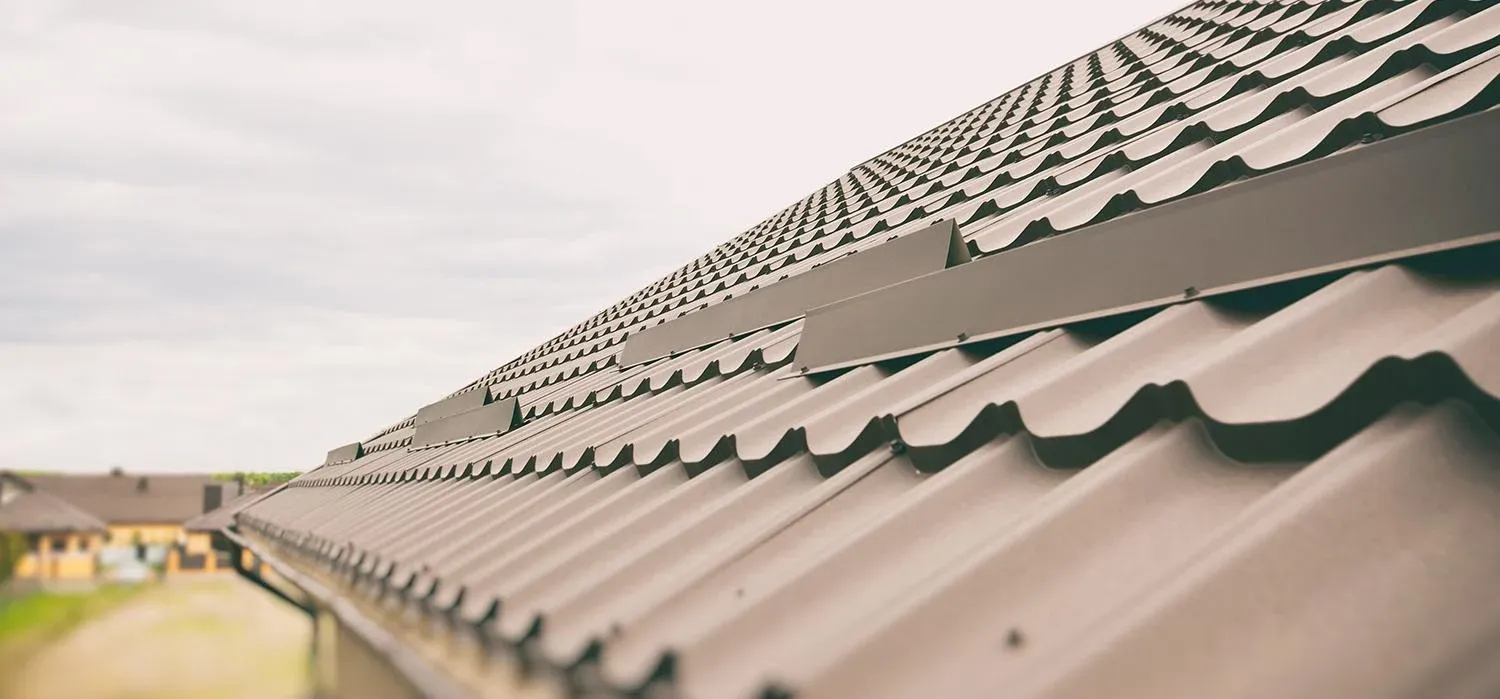
A standing seam metal roof lasts 40 to 70 years, and in some cases longer when premium materials and high-quality coatings are used. The concealed fastener design is the primary reason standing seam systems outlast exposed fastener systems so significantly. When no screws penetrate the metal panel face, there are no rubber washers to degrade, no screw holes to widen under thermal cycling, and no hundreds of potential leak points across the roof surface.
Standing seam panels are attached by hidden clips beneath the raised seams. Those clips allow each panel to slide slightly as it expands and contracts with temperature changes. This thermal movement capability is what protects the system over decades. According to Sheffield Metals’ standing seam vs. exposed fastener comparison, this design also allows manufacturers to offer weathertight warranties of 20 to 35 years on the system, which is a level of confidence that exposed fastener systems cannot support.
Steel standing seam roofs also come with a Kynar 500 painted finish, a high-performance PVDF coating warranted for 30 years that protects the panels from UV fading, chalking, and corrosion, according to Bill Ragan Roofing’s standing seam analysis. The coating does not disappear when the warranty ends. It continues to protect the panels beyond the 30-year warranty period, which is why standing seam steel roofs that are 45 and 50 years old are still in service in good condition throughout the Southeast.
For homeowners in Oconee County who want the clearest picture of what a standing seam installation looks like on a residential home, a free inspection and quote from a licensed local contractor is the most direct path to a real answer.
How Long Does an Exposed Fastener Metal Roof Last?
An exposed fastener metal roof lasts 20 to 30 years, with 20 years being realistic without maintenance and up to 30 years achievable with consistent upkeep, according to Bill Ragan Roofing’s 30-year roofing analysis. The 10-year gap between maintained and unmaintained exposed fastener systems is larger than most homeowners expect, and understanding why closes the gap.
The fundamental weakness of exposed fastener systems is the rubber washer under each screw. Every screw that penetrates through the metal panel face creates a hole. The rubber washer seals that hole. Over time, UV exposure degrades the rubber, heat cycles cause the washer to compress, and thermal expansion of the panel causes the hole around the screw to widen. According to FoxHaven Roofing’s 2025 metal roof lifespan guide, exposed fastener systems typically need the rubber washers replaced every 10 to 15 years. Failing to do so leads to leaks that worsen with each storm season.
On top of washer degradation, the lack of free thermal movement in a screw-down system means the panels cannot expand and contract freely. The pressure of thermal cycling causes the screw holes to widen gradually, backing screws out of the panels over time. A contractor typically needs to re-fasten the screws in a larger size every 5 to 10 years, according to Bill Ragan Roofing’s exposed fastener analysis. If this maintenance is skipped, the system can develop widespread leaks well before the 20-year mark.
Exposed fastener systems are a legitimate roofing choice for outbuildings, barns, garages, and agricultural structures where lower upfront cost matters and maintenance can be handled straightforwardly. For heated living spaces like homes near Watkinsville or mountain cabins near Hiawassee, standing seam is almost always the better choice if the budget allows.
How Long Does Each Metal Roof Material Last?
The metal material you choose has as much impact on lifespan as the fastener system. Here is how each major roofing metal performs over time:
Steel Roofing
Steel is the most common and cost-effective residential metal roofing material. With protective coatings like Galvalume (zinc-aluminum alloy) or Kynar 500 painted finish, steel roofing lasts 40 to 60 years as a standing seam system, according to CTA Roofing’s 2025 metal lifespan analysis. The biggest threat to steel is rust. Scratched or damaged panel surfaces expose raw steel to moisture, which oxidizes rapidly, especially in the humid climate around Watkinsville and Hiawassee. Proper installation that protects all cut edges and a Kynar 500 finish are the primary defenses against premature rust on steel panels.
Aluminum Roofing
Aluminum is naturally corrosion-resistant, which makes it an excellent choice for humid environments like Georgia’s. Aluminum roofing lasts 50 to 70 years as a standing seam system, according to CTA Roofing’s material comparison. It weighs less than steel, which simplifies installation on homes with specific structural constraints. Aluminum does not rust, but it can dent more easily than steel under large hail, which is a consideration for homeowners in storm-active areas near Hiawassee and Oconee County. It costs slightly more than steel but requires less worry about coating damage and rust in humid southern climates.
Copper Roofing
Copper is a premium roofing material with an exceptional lifespan. Copper roofs last 70 to 100 years or more, with some historic copper installations still in service after more than a century, according to 1st Coast Metal Roofing Supply’s lifespan analysis. Copper develops a blue-green patina over time as it oxidizes, which actually protects the metal surface beneath rather than degrading it. It carries the highest upfront cost of any metal roofing option and is most commonly used on high-end or historic homes. There are still copper roofs installed in the 1800s functioning today.
Zinc Roofing
Zinc is a premium metal roofing option known for its self-healing properties. When zinc is scratched, a patina forms over the scratch and restores the protective surface over time. Zinc roofing lasts 60 to 100 years, according to CTA Roofing’s analysis, and is one of the most environmentally sustainable roofing materials available. Like copper, it costs significantly more than steel or aluminum and is less commonly installed on standard residential homes but is a compelling choice for homeowners who plan to stay in their home for life and want zero concern about re-roofing.
Galvanized Steel
Galvanized steel is steel coated in a layer of zinc for corrosion resistance. It typically lasts 30 to 45 years, shorter than Galvalume-coated or Kynar 500-finished standing seam steel, but still a strong performer relative to asphalt shingles. Galvanized steel is common on agricultural buildings and older residential structures throughout rural Georgia. It is a solid material when properly maintained but requires more frequent inspection for rust than Galvalume or aluminum products.
Metal Roof Lifespan by System and Material
| Metal Type / System | Average Lifespan | Georgia Performance Notes | Cost Range (2,000 sq ft) |
|---|---|---|---|
| Standing Seam Steel | 40 – 60 years | Excellent; Kynar 500 finish resists heat and UV | $15,000 – $30,000 |
| Standing Seam Aluminum | 50 – 70 years | Best for humid climates; no rust concern | $18,000 – $35,000 |
| Exposed Fastener Steel | 20 – 30 years | Lower cost; requires fastener maintenance every 5–10 yrs | $8,000 – $15,000 |
| Galvanized Steel | 30 – 45 years | Common on older GA structures; monitor for rust | $10,000 – $20,000 |
| Copper | 70 – 100+ years | Premium; develops protective patina in humidity | $40,000 – $80,000+ |
| Zinc | 60 – 100 years | Self-healing; sustainable; high upfront cost | $35,000 – $70,000+ |
| Asphalt Shingles (for comparison) | 14 – 25 years (GA) | Most affordable; degrades faster in southern heat | $8,000 – $20,000 |
Sources: Englert Inc. Metal Roofing Lifespan Research, Bill Ragan Roofing 30-Year Analysis, FoxHaven Roofing 2025 Metal Roof Lifespan Guide, CTA Roofing Metal Material Comparison, 1st Coast Metal Roofing Supply Lifespan Analysis, J&M Roofing Regional Lifespan Data, Sheffield Metals Standing Seam vs. Exposed Fastener Comparison, RST Roofing & Renovations 2025 Georgia Cost Data.
What Factors Affect How Long a Metal Roof Lasts?
The factors that affect how long a metal roof lasts are installation quality, the metal type and coating, climate and environmental exposure, thermal movement management, maintenance consistency, and the roof system design itself. Every one of these factors can either extend or shorten a metal roof’s life by a decade or more.
Installation Quality
Installation errors are the leading cause of metal roof failures and leaks, according to RoofCrafters’ analysis of 30 years of metal roof repairs in Georgia, South Carolina, and Florida. The metal panels themselves rarely fail. What fails is improper fastener placement, incorrect flashing details, missing sealant at penetrations, and damaged panel coatings caused by careless handling during installation. A metal roof that is installed correctly by a contractor experienced in metal roofing systems and that uses manufacturer-approved details gives you the best chance of reaching the full 40 to 70-year lifespan. A poorly installed metal roof can fail in 5 to 10 years.
Coating and Finish Quality
The Kynar 500 PVDF paint system used on steel standing seam panels provides a 30-year paint warranty and protects the metal from UV degradation, chalking, and corrosion for far longer than that, according to Bill Ragan Roofing’s coating analysis. Higher-quality coatings add 10 to 20 years to a metal roof’s functional life, according to FoxHaven Roofing’s lifespan guide. Panels without quality coatings, or panels with scratched or damaged finishes that expose raw steel to humidity, deteriorate far faster. In Georgia’s humid climate around Watkinsville and Hiawassee, coating integrity matters more than it does in drier parts of the country.
Climate and Environmental Exposure
Georgia’s warm, humid climate accelerates some metal roof concerns more than colder, drier regions. High humidity promotes corrosion on steel panels with compromised coatings. Coastal salt air, while not a factor for inland Watkinsville or mountain Hiawassee, would present additional challenges in other parts of the state. The intense UV exposure of Georgia summers causes coatings to degrade somewhat faster than in northern states. Homes near Lake Chatuge in Towns County near Hiawassee also face lakefront moisture and mountain-area temperature swings that stress panel seams and fasteners more aggressively than flatter, drier environments.
Thermal Movement Management
Metal expands in heat and contracts in cold. A properly designed standing seam system accommodates this movement through floating clip connections that allow panels to slide slightly as temperatures change. An exposed fastener system cannot accommodate this movement, which is why the washers wear out and the screw holes widen over time. In Georgia’s climate, where summer heat on a dark metal roof can reach well above 150 degrees Fahrenheit and winter nights can dip below freezing in the north Georgia mountains near Hiawassee, thermal cycling is a significant stress on metal roofing systems that are not designed to handle it properly.
Maintenance Consistency
Metal roofs are far lower maintenance than asphalt shingles, but they are not maintenance-free. Annual inspections are the single most impactful maintenance step. Clearing debris, checking flashings and sealants around penetrations, and inspecting for any scratches or areas of rust development keeps small problems from becoming big ones. For exposed fastener systems, fastener inspection and washer replacement are critical. For standing seam systems, flashing sealant inspection at pipe boots, vents, and chimneys is the most important maintenance task, since that is where the vast majority of standing seam leaks originate according to Sheffield Metals’ metal roofing problems analysis.
What Is the Biggest Problem with Metal Roofs?
The biggest problem with metal roofs is the higher upfront cost compared to asphalt shingles. A standing seam metal roof on a standard Georgia home costs two to four times more than an asphalt shingle roof installed on the same home. For homeowners managing a tight budget, that upfront gap is the single most common reason metal is ruled out even when the long-term economics favor it.
Beyond cost, the other significant problems that metal roofs can develop include: leaks at flashing points around penetrations (the most common issue on standing seam systems), rust at cut edges or scratched panel surfaces on steel roofs in humid conditions, fastener degradation on exposed fastener systems if maintenance is deferred, and noise during heavy rain if the roof was not installed with proper solid sheathing and insulation beneath the panels.
None of these problems is inevitable. Leaks at flashings are almost always preventable with proper installation and annual sealant inspection. Rust is preventable by protecting cut edges and maintaining panel coatings. Fastener degradation on screw-down systems is manageable with scheduled maintenance. Rain noise is eliminated with correct underlayment and decking specifications during installation. The problems that do occur on metal roofs are overwhelmingly the result of installation errors or deferred maintenance, not material failure, according to RoofCrafters’ analysis of metal roofing issues across Georgia.
When Should You Replace a Metal Roof?
You should replace a metal roof when it shows widespread rust that has progressed to holes or significant structural corrosion, when fasteners across multiple panels are failing simultaneously rather than in isolated areas, when standing water or sagging sections indicate structural failure in the deck beneath the panels, or when the roof has reached the end of its rated system lifespan and multiple problems are appearing simultaneously.
Most individual problems with a metal roof, including isolated panel damage, flashing failures, and localized rust, are repairable without replacing the entire system. This is one of the strongest arguments for metal over asphalt: when an asphalt shingle roof nears the end of its life and starts showing widespread problems, replacement is the only path forward. A metal roof showing localized problems can often be repaired and extended for many more years at a fraction of replacement cost.
The clearest signs that replacement rather than repair is the right call include: rust that covers a significant portion of the panel surface area, panels that are physically bent, torn, or separated by storm damage across multiple sections of the roof, a roof deck that is rotting beneath the metal panels from prolonged moisture infiltration, and a roof that is past its system’s rated lifespan and has required repeated repairs in a short period.
Homeowners near Watkinsville with concerns about an aging metal roof can start with a professional inspection. Ridgeline Roofing and Exteriors offers Drone Zone AI Roofing Inspections that document your roof’s current condition without anyone walking on the panels, giving you a precise picture of what needs repair versus what is performing as expected.
Do Metal Roofs Increase Home Value?
Yes, metal roofs increase home value. According to Angi’s home value research, a metal roof increases a home’s market value by approximately 60% to 70% of the installation cost. On a standard metal roof installation, that translates to several thousand dollars added to your home’s appraised value. Buyers view a metal roof as a long-term asset that eliminates one of the biggest concerns buyers bring to a home purchase: how long until the roof needs replacing.
The return on investment from a metal roof at resale runs 48% to 85% depending on the study, market, and metal system type, according to multiple Cost vs. Value reports from the Journal of Light Construction. That percentage is lower than the ROI for asphalt shingles on a pure resale basis, but the lifetime financial picture is different when you factor in that a metal roof often outlasts the homeownership period, adds insurance premium discounts, and reduces energy costs through heat reflection.
In the Watkinsville real estate market and in the mountain communities near Hiawassee where buyers increasingly look for homes that will not need major work for decades, a metal roof is a genuine selling point. It signals that the homeowner invested in quality materials and does not expect the buyer to deal with a roof replacement in the near term. For a listing where the roof is clearly the last major structural investment a buyer will need to make, that peace of mind has real market value.
Does a Metal Roof Make Your House Hotter?
No, a metal roof does not make your house hotter. Metal roofing actually reduces indoor temperature compared to asphalt shingles in warm climates like Georgia’s. Metal reflects solar radiant heat rather than absorbing it. According to FoxHaven Roofing’s 2025 metal roof guide, metal roofing can reduce cooling costs by up to 25% in warm climates. According to Rapid Roofing’s analysis, some homeowners report up to a 40% reduction in energy bills after switching to metal roofing.
The key mechanism is emissivity. Painted metal roofs with high-reflectivity coatings bounce a significant portion of the sun’s radiant heat back away from the home rather than conducting it into the attic. In Georgia’s long, hot summers in Oconee County and the mountain communities around Hiawassee, this means the attic runs cooler, the air conditioning system runs less frequently, and monthly energy bills are lower than they would be under a heat-absorbing asphalt shingle roof of the same color.
Darker metal panel colors do absorb more heat than lighter ones, but even dark metal performs better thermally than asphalt shingles of the same color because of the reflective coating applied to metal panels. If energy performance is a top priority, choosing a lighter panel color or a cool-roof-rated coating maximizes the thermal benefit. This is an especially relevant consideration for homes with south-facing roof sections that receive full summer sun throughout the day.
Is a Metal Roof Worth It?
Yes, a metal roof is worth it for homeowners who plan to stay in their home for 20 or more years, want the lowest possible long-term maintenance burden, and can absorb the higher upfront cost. The math becomes clear when you compare the lifetime cost of metal against asphalt.
A standing seam metal roof installed on a 2,000-square-foot home in Georgia costs approximately $15,000 to $30,000 and lasts 40 to 70 years. An architectural asphalt shingle roof on the same home costs $8,000 to $20,000 and lasts 18 to 25 years realistically in Georgia’s climate. Over a 50-year horizon, you would replace the asphalt roof two to three times at roughly $12,000 to $20,000 per replacement. According to McElroy Metal’s life cycle cost analysis, homeowners who stay in their homes for 30 to 40 years can save $25,000 to $30,000 by choosing metal over shingles when the cumulative replacement and maintenance costs of shingles are calculated across the same timeframe.
Add the insurance premium discounts metal roofing can generate, which the Metal Roofing Alliance puts at up to 35% for qualifying systems, and the energy savings from reduced cooling costs, and the long-term financial case for metal is strong for any homeowner committed to their home for the long run.
For homeowners in Watkinsville who are committed to their homes for the long term, the metal roofing options in Watkinsville are worth a serious look before committing to another round of asphalt shingles.
Are Metal Roofs Noisy in Rain?
Metal roofs are not noticeably noisy in rain when they are installed correctly over solid sheathing with proper underlayment. The noise concern applies mainly to metal roofs installed over open framing or without solid decking beneath the panels. According to Englert Inc.’s metal roofing FAQ, modern installation techniques with solid sheathing and adequate attic insulation reduce rain noise to a level that most homeowners describe as similar to or quieter than asphalt shingles.
Exposed fastener systems installed on open framing without solid decking are the configurations most likely to produce significant rain noise. Standing seam roofs installed on solid sheathing with a quality underlayment essentially eliminate the issue. If you have heard the drum-like sound associated with rain on a metal roof, it was almost certainly an exposed fastener installation on an open-framing structure like a barn or garage, not a residential standing seam installation on solid decking.
Before installation, ask your contractor specifically what underlayment and decking specification they plan to use under the metal panels. The right specification eliminates virtually all of the rain noise concern and simultaneously improves the thermal performance and moisture management of the entire roof system.
Can a Metal Roof Last 100 Years?
Yes, a metal roof can last 100 years. Copper and zinc metal roofs regularly exceed 100 years of service life. Copper roofing, in particular, develops a patina over time that actually protects the metal surface beneath it, and there are documented copper roofs from the 1800s still functioning today, according to 1st Coast Metal Roofing Supply’s material analysis. Zinc, with its self-healing surface properties, also reaches the century mark when properly maintained.
Steel and aluminum standing seam systems do not typically reach 100 years, but they can approach 70 to 80 years under ideal conditions with premium Kynar 500 coatings and consistent maintenance. The key limitation for steel at extreme ages is the paint system rather than the metal itself. Once coatings degrade beyond their protective capacity, the underlying steel becomes vulnerable to rust and corrosion that shortens the remaining lifespan.
For most homeowners in Watkinsville and Hiawassee, a 40 to 70-year steel or aluminum standing seam system is entirely sufficient for a lifetime of ownership, and the copper or zinc options are relevant for those building a generational home or a structure where longevity is the primary investment driver.
How Do You Maintain a Metal Roof?
You maintain a metal roof through annual inspections, debris removal, gutter cleaning, flashing sealant checks, and prompt attention to any scratches or areas of surface rust before they progress. Metal roofing requires far less maintenance than asphalt shingles, but the specific tasks that do matter are important to perform on schedule.
The most important maintenance tasks for a metal roof are: an annual inspection to clear sitting debris and check for any developing issues, inspection of all flashing sealants around chimneys, pipe boots, skylights, and vents (since this is where the majority of standing seam leaks occur), checking for any scratches or chips in the panel coating and treating exposed steel with a paint pen or touch-up coating before rust can develop, and keeping gutters and downspouts clear so water moves off the roof system efficiently.
For exposed fastener systems, maintenance requirements are higher. The rubber washers on the screws should be inspected every 5 to 10 years and replaced when they show degradation. Failing washers are the primary source of leaks in exposed fastener systems, and replacing them on schedule is far less expensive than addressing the water damage that results from ignoring them.
After major storm events near Watkinsville or Hiawassee, a post-storm inspection is worth scheduling regardless of whether you see obvious exterior damage. Hail can cause surface denting that compromises coatings, and high winds can stress panel seams and flashing without causing visible damage from the ground. Catching these issues early keeps a metal roof performing across its full lifespan.
Ridgeline Roofing and Exteriors’ Drone Zone AI Roofing Inspections are specifically designed for this kind of post-storm documentation, giving homeowners a precise visual record of their roof’s condition without putting anyone on the roof surface.
How Much Does a Metal Roof Cost Compared to Shingles?
A metal roof costs 2 to 4 times more than asphalt shingles upfront. On a standard 2,000-square-foot home in Georgia, an architectural asphalt shingle roof costs $8,000 to $20,000. A steel standing seam metal roof on the same home costs $15,000 to $30,000. That is the gap in first cost.
The life cycle cost comparison looks different. An architectural shingle roof in Georgia lasts 18 to 25 years realistically. Replacing it twice over 50 years costs $16,000 to $40,000 in today’s dollars, before factoring in cost inflation of roofing materials, which has risen approximately 15% since 2022 according to roofing industry data. The standing seam metal roof that outlasts both shingle replacements costs more today but eliminates those future replacement cycles entirely.
According to McElroy Metal’s 30-to-40-year life cycle analysis, homeowners who stay in their homes for those timeframes can save $25,000 to $30,000 by choosing metal over repeated shingle cycles. The crossover point, where metal becomes cheaper than repeated shingle replacement on a per-year-of-protection basis, is approximately 10 to 15 years into ownership, according to the same analysis.
For a side-by-side comparison of what metal and asphalt shingle options look like for homes in the Watkinsville and Hiawassee areas, the roofing material choices page provides an overview of what is available and how they compare before requesting a written quote.
What Are the Disadvantages of a Metal Roof?
The disadvantages of a metal roof are the higher upfront cost, difficulty and cost of repairs when damage does occur, potential noise during heavy rain if not properly installed, denting from large hail on softer metals, thermal expansion sounds in exposed fastener systems, and the fact that matching a damaged panel’s color can be difficult years after installation as finishes fade at slightly different rates.
Repair cost and complexity is the most underappreciated disadvantage. When an asphalt shingle is damaged, replacing it is inexpensive and any licensed roofer can do it. When a standing seam metal panel is damaged, the repair requires a contractor experienced in metal roofing who understands how to work with the specific panel profile, and replacement panels must match the original specification exactly to maintain the weathertight system. This specialized labor costs more than shingle repair, and for large-scale damage like a tree impact, it can be a significant expense.
Denting is a real concern for aluminum and softer metal panels in areas with large hail events. Georgia’s storm season can produce hail large enough to cause visible denting on aluminum panels, though the denting is typically cosmetic rather than structural. Heavier gauge steel panels resist denting better, and Class 4 impact-resistant steel panels are specifically tested against the largest hail sizes in UL 2218 testing. For homes in the Hiawassee area where summer storms can be intense, specifying a heavier gauge steel or impact-rated panel is worth the modest additional cost.
Despite these disadvantages, the long-term performance record of properly installed metal roofing makes it the strongest performing residential roofing system available for homeowners committed to their properties for the long term.
Frequently Asked Questions About Metal Roofs in Watkinsville and Hiawassee, GA
How long does a metal roof last in Georgia’s climate?
A standing seam metal roof lasts 40 to 60 years in Georgia’s climate, with proper installation and annual maintenance. Georgia’s humid summers and active storm seasons create more UV exposure and thermal cycling stress than cooler northern climates, but metal roofing handles these conditions significantly better than asphalt shingles. Aluminum standing seam is particularly well-suited to Georgia’s humidity because it does not rust. Steel standing seam with Kynar 500 coating performs excellently when the coating integrity is maintained. Exposed fastener systems in Georgia’s climate realistically last 20 to 25 years with consistent maintenance before fastener degradation begins to create widespread leak risks.
Is a standing seam or exposed fastener metal roof better for a home near Hiawassee, GA?
Standing seam is better for a home near Hiawassee, GA. The mountain climate in Towns County creates more aggressive thermal cycling than lower-elevation Georgia communities, with hot summer days and cooler mountain nights creating significant daily temperature swings. This thermal stress is exactly what the floating clip system of standing seam roofing is designed to handle without degrading the roof system over time. Exposed fastener systems experience more stress from this cycling, which accelerates washer degradation and screw hole widening. For the same home and the same budget, standing seam delivers significantly better long-term performance in the north Georgia mountain climate.
Will a metal roof reduce my insurance costs near Watkinsville?
Yes, a metal roof can reduce your homeowner’s insurance costs near Watkinsville. According to the Metal Roofing Alliance, homeowners with qualifying metal roofs may see insurance premium discounts of up to 35%. Insurance carriers offer these discounts because metal is non-combustible with a Class A fire rating, is rated for wind resistance up to 140 mph or higher on standing seam systems, and delivers Class 4 impact resistance against hail on qualifying products. Contact your specific insurer before installation to confirm what discount is available for your policy, as rates and programs vary by carrier and by the specific metal roofing system installed.
What type of metal roofing holds up best to Georgia hail?
Steel panels with a Class 4 UL 2218 impact resistance rating hold up best to Georgia hail. Class 4 is the highest impact resistance rating available, certified by dropping a 2-inch steel ball from 20 feet onto the panel surface with no visible damage. GAF Armorshield II and products in similar Class 4-rated categories are specifically tested for hailstone impact at this level. Heavier gauge steel panels also resist denting better than thinner gauge steel or aluminum on large hail events. For homes in Oconee County and the storm-active north Georgia mountain area near Hiawassee, specifying a Class 4 steel panel during your metal roof installation adds meaningful storm resilience at a modest additional cost.
How much does a metal roof cost for a home near Watkinsville, GA?
A metal roof near Watkinsville, GA costs between $15,000 and $35,000 for a standard 2,000-square-foot home depending on the system type and metal selected. Exposed fastener steel systems start lower, around $8,000 to $15,000 on the same footprint. Standing seam steel runs $15,000 to $30,000. Aluminum standing seam costs slightly more at $18,000 to $35,000. Homes in the Hiawassee area with steeper mountain-style roof pitches typically see higher labor costs per square than flatter residential rooflines in Watkinsville, which adds to the total. Getting a written, itemized estimate from a licensed local contractor with metal roofing experience is the most reliable path to a real project number.
Does Ridgeline Roofing install metal roofs in Watkinsville and Hiawassee?
Yes, Ridgeline Roofing and Exteriors installs metal roofs for homeowners in Watkinsville, Hiawassee, and throughout Oconee and Towns County, GA. The team serves both locations from their Watkinsville office at 1725 Electric Ave Suite 330 and handles metal roof installations on residential homes, new construction, and commercial properties. As a GAF Master Elite certified contractor, Ridgeline brings the highest contractor certification level in the residential roofing industry to every metal roofing project, along with the inspection technology and local market knowledge that Georgia homeowners need to make a confident decision.
How do I know if my metal roof needs repair or replacement?
Your metal roof needs repair rather than replacement when damage is isolated to a specific panel, flashing point, or fastener area. It needs replacement when rust covers a significant portion of the surface, when multiple panels are physically bent or torn, when the roof deck beneath the panels has rotted from prolonged moisture infiltration, or when the system has reached its rated lifespan and is experiencing repeated failures across multiple areas simultaneously. A professional inspection is the most reliable way to get a clear, honest answer. Ridgeline Roofing and Exteriors offers free inspections for homeowners in the Watkinsville and Hiawassee service areas and can tell you clearly whether a targeted repair or a full replacement is the right financial decision for your specific roof’s current condition.
Final Thoughts
A metal roof is one of the most durable investments a homeowner can make, and for the right homeowner in the right situation, it is genuinely the last roof they will ever need to install. The 40 to 70-year lifespan of a standing seam steel or aluminum system, in a market like Watkinsville or Hiawassee where Georgia’s storms and climate do real damage to asphalt shingles over time, gives metal roofing a compelling long-term case that the upfront cost comparison does not capture on its own.
The homeowners who benefit most from metal roofing are those who plan to stay in their homes for decades, who want to stop the cycle of replacing a 20-year shingle roof every 15 to 20 years, and who value the insurance premium discounts, energy savings, and storm resilience that metal delivers. The homeowners for whom shingles remain the right answer are those with tighter budgets, shorter-term plans, or properties where the local market does not reward the premium metal commands at sale.
Either way, the decision deserves an honest, no-pressure conversation with a contractor who knows metal roofing and knows Georgia. That is exactly what Ridgeline Roofing and Exteriors offers homeowners across Oconee and Towns County.
Ready to Find Out If Metal Is Right for Your Home?
Ridgeline Roofing and Exteriors is a GAF Master Elite certified contractor serving Watkinsville, Hiawassee, and homeowners throughout Oconee and Towns County, GA. Free inspections, honest assessments, and written estimates with no pressure and no surprises.
Call 770-706-ROOF (7663) or schedule your free inspection online. If you are ready to explore what a metal roof would look like for your specific home, start with the metal roofing page for Watkinsville and take the first step toward a roof that may genuinely be the last one your home ever needs.