Skip to content
You can extend the life of your asphalt roof by keeping gutters clean, fixing damaged shingles promptly, trimming overhanging branches, maintaining proper attic ventilation, scheduling annual professional inspections, and treating algae and moss growth before it spreads. According to the National Roofing Contractors Association and data from FoxHaven Roofing, proactive maintenance can add 5 to 10 years to the life of an asphalt shingle roof. For homeowners in Watkinsville and Hiawassee, where Georgia’s intense summers, heavy rainfall, and occasional hail put real pressure on every roof, knowing which maintenance habits actually work is worth understanding before your roof forces a decision. This guide answers every question homeowners ask about getting the most out of their asphalt shingles.
How to Extend the Life of an Asphalt Shingle Roof
You extend the life of an asphalt shingle roof by addressing the five main enemies of shingles: clogged drainage, poor attic ventilation, overhanging trees, untreated biological growth, and deferred repairs. Each of these causes damage that compounds over time. According to Bill Ragan Roofing, proper attic ventilation is one of the biggest single factors in shingle lifespan, because trapped heat in the attic during Georgia summers literally bakes shingles from below while the sun hits them from above.
The full maintenance plan for an asphalt shingle roof in North Georgia includes cleaning gutters at least twice per year, having a professional inspect the roof every spring and fall, trimming tree branches to at least 6 to 10 feet from the roof surface, repairing any missing or damaged shingles within weeks of finding them, treating moss or algae as soon as it appears, and confirming that attic ventilation is balanced between intake and exhaust. Homeowners who follow this plan consistently get significantly more life out of their roofs than those who only look at the roof when something goes wrong.
What Is the 25% Rule in Roofing?
The 25% rule in roofing is a building code standard that requires a full permitted roof replacement if more than 25% of a roof is repaired or replaced within a 12-month period. This rule exists in most local jurisdictions, including Oconee County and Towns County, Georgia, to prevent property owners from doing large piecemeal repairs that sidestep the permitting and code compliance requirements of a complete replacement project. If storm damage or accumulated wear affects more than a quarter of your roof surface, the project legally requires a full replacement in most cases.
This rule matters for homeowners thinking about extending their roof’s life because it sets a practical limit on how much repair is worthwhile before replacement becomes the code-required and financially sensible path. A licensed contractor in the Watkinsville area can assess what percentage of your roof is compromised and tell you honestly whether targeted repair is viable or whether a full replacement is the smarter route given the 25% rule and your roof’s overall condition.
Can an Asphalt Roof Last 50 Years?
Yes, an asphalt roof can last 50 years, but only with premium luxury shingles under ideal conditions, including professional installation, excellent attic ventilation, a mild climate, and consistent maintenance throughout. According to Cobex Construction Group, premium or luxury asphalt shingles can last up to 50 years. Standard 3-tab shingles last 15 to 20 years. Architectural shingles last 20 to 30 years. The 50-year claim applies only to the highest-tier products, and even those rarely hit 50 years in Georgia’s heat, humidity, and storm climate without exceptional care.
Roof Maxx reports that today’s shingles actually contain less asphalt than shingles produced decades ago, making them more susceptible to early brittleness and granule loss than older shingles of the same rated lifespan. A homeowner in the Hiawassee area who installs a top-tier architectural shingle in 2025 should realistically expect 25 to 30 years of performance with good maintenance, not 50. The 50-year label is a maximum manufacturer rating under laboratory conditions, not a field-performance guarantee in North Georgia’s climate.
What Ruins Asphalt Shingles?
The things that ruin asphalt shingles fastest are inadequate attic ventilation, moss and algae growth, clogged gutters that hold water against the eaves, overhanging branches that scrape and deposit debris, pressure washing, and deferred repairs that allow small problems to compound. According to Premier Roofing, the most common causes of premature asphalt shingle lifespan reduction are poor attic ventilation, repeated hail exposure, improper flashing installation, and layering new shingles over old roofing materials.
Pressure washing is one of the most avoidable ways homeowners ruin their own shingles. According to Bill Ragan Roofing, pressure washing blasts off the protective granules that shield the asphalt base from UV rays and weather. Once those granules are gone, the shingle surface degrades rapidly. Pressure washing also voids most shingle manufacturer warranties. If your shingles are dirty or have algae growth, a low-pressure chemical rinse or a no-rinse spray product like Wet and Forget is the correct approach, not a pressure washer.
Is There a 40-Year Asphalt Shingle?
Yes, there are 40-year asphalt shingles. They fall into the premium or luxury shingle category and are typically the thickest, heaviest, and most weather-resistant asphalt products available. According to Cobex Construction Group, premium shingles are high-end options that can last 40-plus years and are designed to withstand severe weather. They are significantly more expensive than standard architectural shingles, but for homeowners who plan to stay in their home long-term and want the longest possible interval between replacements, they represent a real value over decades of ownership.
In North Georgia’s climate, even 40-year shingles perform best when paired with proper attic ventilation, quality underlayment, and a regular maintenance schedule. A premium shingle installed over a poorly ventilated attic in Watkinsville will not come close to its 40-year rating. The shingle grade is one piece of the puzzle; the installation quality and the conditions underneath the roof are just as important to long-term performance.
Why Do Roofers Use Couch Cushions?
Roofers use foam kneeling pads, sometimes called couch cushions or knee pads, to protect themselves from the hard, rough surface of asphalt shingles when kneeling during installation and repair work. Working on a roof requires extended periods of kneeling, and without cushioning, the granules on asphalt shingles cause discomfort and injury to knees over the course of a full workday. It is a practical tool that experienced roofers use to maintain comfort and focus during detailed, precision work like hand-sealing shingles, installing flashing, or replacing individual damaged shingles.
This practice has no impact on the shingles themselves. The soft foam distributes weight evenly and does not compress or damage the granule surface the way a hard knee or tool would. If you have ever wondered why a roofing crew seems to have padding with them on the job, that is the simple practical reason.
What Time of Year Is the Cheapest to Replace a Roof?
The cheapest time of year to replace an asphalt shingle roof is late fall through early winter, from November through February in Georgia. According to Angi, scheduling a shingle roof installation during a contractor’s off-season can save 5% to 15% on total project cost. In the Watkinsville area and the North Georgia mountain communities near Hiawassee, summer storm season keeps roofing crews at peak capacity through October, so scheduling a replacement before or after that window often means faster availability and more competitive pricing.
The practical rule is to plan ahead. The homeowner who schedules a roof replacement in January for a February project gets better contractor attention and often better pricing than the homeowner who calls in July needing the job done now. If your roof is not yet failing, the off-season is always the right time to plan. If it is failing, do not wait for better pricing. A leaking roof in October will cause far more damage through a Georgia winter than any seasonal savings could offset.
At What Age Is a Roof Considered Old?
A roof is considered old at 15 to 20 years for standard 3-tab shingles, and at 20 to 25 years for architectural shingles in Georgia’s climate. The National Roofing Contractors Association notes that most new roofs are designed to provide useful service for about 20 years. For homeowners in Watkinsville and the Oconee County area, a shingle roof installed in the early 2000s is now at or past that threshold and warrants a professional inspection to assess remaining useful life, regardless of how it looks from the ground.
Age alone does not determine whether a roof needs replacement. A 20-year-old roof that has been properly maintained, has good ventilation, no active leaks, and sound flashing may have 5 or more years of useful life remaining. A 15-year-old roof that was improperly installed, never inspected, and has been sitting under overhanging trees may already be past the point where repair is practical. The only way to know for certain is a professional inspection from a licensed local contractor who can assess condition, not just calendar age.
How to Tell If a Roofer Is Lying
You can tell if a roofer is lying if their inspection report describes widespread damage that you cannot observe independently, if they refuse to show you photos of every specific problem area they document, if they recommend immediate full replacement without offering repair as an option for what appears to be localized damage, or if their written proposal is vague and uses round numbers without itemized line items. Storm chasers who appear uninvited after weather events are the most common source of dishonest assessments, targeting homeowners in areas like Watkinsville and Hiawassee after every significant storm season.
An honest contractor will show you everything they found, explain in plain language why each finding matters, and give you a written proposal that breaks out every cost. They will also tell you clearly if your roof qualifies for repair rather than automatically recommending replacement. A local contractor who builds their business on long-term relationships in Oconee County and Towns County relies on trust, not one-time sales. Ask for photos, ask for a second opinion if anything feels off, and never sign anything on the day of an uninvited inspection.
How Much Does It Cost to Put an Asphalt Roof on a 2,000 Square Foot House?
It costs approximately $7,000 to $18,000 to put an asphalt shingle roof on a 2,000 square foot house, with most Georgia homeowners landing between $8,000 and $14,000 for a standard architectural shingle replacement. According to Angi, the average shingle roof cost in Georgia is approximately $9,600, compared to higher-cost states like California at $15,200. This includes labor, materials, underlayment, tearoff of the old roof, and permits. Labor typically accounts for about 60% of the total project cost according to Angi and HomeAdvisor.
The shingle grade you choose has a significant impact on where you land in that range. Basic 3-tab shingles cost $0.70 to $2.00 per square foot in materials, while premium architectural shingles run $2.50 to $7.50 per square foot. For a homeowner in Watkinsville who plans to stay in their home for 20 or more years, the extra investment in architectural shingles over 3-tab pays back in fewer replacements over that period. Roof complexity also matters. Simple gable roofs cost less than roofs with multiple valleys, hips, dormers, or steep pitches.
How to Tell If Your Asphalt Roof Needs to Be Replaced
You can tell your asphalt roof needs to be replaced when you see widespread curling or cupping at the shingle edges across the entire roof, large bare patches where granules have worn away, multiple active leaks inside the attic or home, a sagging or uneven roofline, shingles that are cracking across the surface rather than at isolated spots, or when the roof has passed 20 years of age and professional inspection confirms the system has reached end of life.
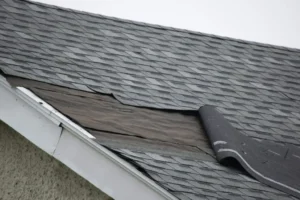
The difference between a roof that needs repair and a roof that needs replacement comes down to how widespread the deterioration is. A few missing shingles on a 10-year-old roof is a repair. Widespread granule loss on a 22-year-old roof with multiple minor leaks and curling across all roof planes is a replacement. According to Premier Roofing, if repairs are becoming frequent across multiple areas of the roof, it typically indicates system-wide aging rather than isolated damage, and at that point replacement is the more cost-effective path. A licensed contractor in the Watkinsville area can assess the difference clearly after a physical inspection.
What Is the Longest Lasting Asphalt Shingle?
The longest lasting asphalt shingles are luxury or designer-grade architectural shingles from manufacturers including GAF, CertainTeed, and Owens Corning. These premium products are the thickest asphalt shingles available, are engineered to mimic the look of natural slate or cedar shake, and carry the highest rated lifespans in the asphalt shingle category. According to Cobex Construction Group, premium shingles can last 40-plus years and include enhanced weather resistance designed for regions with severe weather exposure.
For homeowners in North Georgia considering a long-term investment in their roof, premium architectural shingles offer a meaningful lifespan advantage over standard architectural products at a moderate cost premium. The key to getting the most from any premium shingle is pairing it with quality underlayment, correct installation including proper nail placement and spacing, and adequate attic ventilation. Without those foundations, even the best shingle will underperform its rated lifespan.
What Color Roof Increases Home Value?
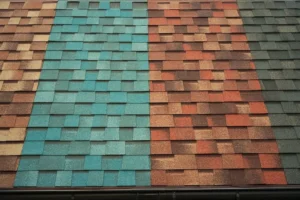
Neutral and earthy shingle colors increase home value the most because they appeal to the widest range of buyers and complement the most home exterior styles. Charcoal gray, weathered wood brown, and slate blue-gray tones are consistently the most popular choices in the Southeast. According to the Cost vs. Value 2023 Report cited across multiple real estate sources, a new asphalt shingle roof delivers an ROI of approximately 61%, and a color that works well with the home’s exterior and the neighborhood’s character maximizes that return by boosting curb appeal.
In the Watkinsville area and around Hiawassee, traditional and craftsman home styles are common, and dark charcoal and earthy brown shingle tones pair well with brick, stone, and wood exteriors common in both communities. Bold or unusual shingle colors can limit buyer appeal at resale. If you are not sure which color is most popular on homes in your specific neighborhood, ask your roofing contractor to show you examples of recent local installations before making a final selection.
Why Do Insurance Companies Not Like Flat Roofs?
Insurance companies do not like flat roofs because they are more prone to water pooling, membrane failures, and drainage issues that lead to more frequent and more expensive claims than pitched roofs. Flat roofs require membrane systems like TPO, EPDM, or modified bitumen that are more vulnerable to punctures, seam failures, and UV degradation than steeply pitched shingle roofs. When drainage is improperly maintained, standing water on a flat roof saturates insulation, causes deck rot, and eventually finds its way into the building below.
For most homeowners in Watkinsville and the mountain communities near Hiawassee, flat roofs are uncommon on primary residences. They are more relevant for commercial structures, garages, and additions. But if your home has a flat section, knowing that your insurer views it as a higher risk is useful context when reviewing your policy or after a storm claim. A licensed roofing contractor can advise on proper maintenance and drainage improvements that reduce the risk profile of any flat roof section on your property.
What Is the Average Cost to Replace Shingles on a Roof?
The average cost to replace shingles on a roof is $10,500 for a standard residential roof, with most homeowners spending between $7,500 and $24,000 depending on size, material grade, and roof complexity, according to Angi data. In Georgia specifically, Angi reports the average at approximately $9,600, which is below the national average and reflects the state’s lower labor cost compared to coastal and metropolitan markets. Asphalt shingles range from $3.44 to $12.00 per square foot installed, according to This Old House and Homewyse data.
The cost to replace shingles on a portion of a roof for targeted repair is much lower. According to Angi, roof repair costs typically range from $400 to $2,000 for localized work. The most expensive part of a full replacement is labor, which accounts for roughly 60% of the total project cost. Tearoff and disposal of old shingles adds $1 to $5 per square foot on top of installation labor, and deck repairs, if needed after the old shingles are removed, can add $2 to $4 per square foot for each damaged section.
What Is the Cheapest Longest Lasting Roof?
The cheapest longest lasting roof is an architectural asphalt shingle roof. Architectural shingles cost $2.50 to $7.50 per square foot in materials according to Angi, last 20 to 30 years, and offer a strong balance of cost, durability, and curb appeal for most residential applications. They cost more than 3-tab shingles, which run $0.70 to $2.00 per square foot, but last significantly longer and hold up better in Georgia’s storm-active climate. For homeowners who want the lowest long-term cost per year of service, architectural shingles beat 3-tab shingles on total lifecycle cost even though they cost more to install initially.
Metal roofing lasts 40 to 70 years or more and costs more upfront, but for homeowners who plan to stay in their home for 30 or more years, standing seam metal can actually be the lowest long-term cost option when the cost is spread across the entire service life. A homeowner who pays more for metal but never replaces the roof again comes out ahead compared to two or three shingle replacements over the same period. The right answer depends on how long you plan to own the property and what your upfront budget allows.
Comparing your full options side by side is easier with the help of a contractor who knows your home. Asphalt roofing in Watkinsville starts with an honest conversation about what makes sense for your specific home, budget, and timeline.
Is 50 Year Shingles Worth the Money?
Yes, 50-year shingles are worth the money for homeowners who plan to stay in their home long-term, want the best available protection in storm-active climates, and can absorb the higher upfront cost. According to Cobex Construction Group, premium shingles that carry the highest lifespan ratings are designed for maximum weather resistance and durability. The cost premium over standard architectural shingles is meaningful but spreads across a much longer service life, reducing the effective annual cost significantly compared to lower-grade options that need replacing sooner.
The honest caveat is that no asphalt shingle performs at its rated maximum without the right supporting conditions. A 50-year shingle over a poorly ventilated attic in Hiawassee will not last 50 years. The shingle grade matters, but so does the underlayment, the ventilation, the installation quality, and the maintenance discipline afterward. If you are going to spend the money on premium shingles, make sure the rest of the system is installed to the same standard. Otherwise you are paying a premium for a product that cannot reach its potential.
Is a 20-Year-Old Roof Too Old?
Yes, a 20-year-old asphalt shingle roof is at or near the end of its useful life and should be professionally inspected without delay. The National Roofing Contractors Association notes that most roofs are designed to provide useful service for about 20 years. A 20-year-old roof in Watkinsville has gone through roughly 20 Georgia storm seasons, thousands of UV exposure hours, and significant thermal cycling between summer heat and cooler winters. It may have more life left, but it may also be within 2 to 3 years of needing full replacement.
Getting an inspection at 20 years gives you the information to plan. If the roof has 5 years left, you can budget accordingly and schedule the replacement in an off-season when pricing is better. If the roof is already failing, the inspection gives you the documentation to move forward quickly before interior damage starts. Waiting until a leak forces the conversation almost always costs more than acting on a professional inspection’s findings early.
What Do Roofers Use to Not Slip?
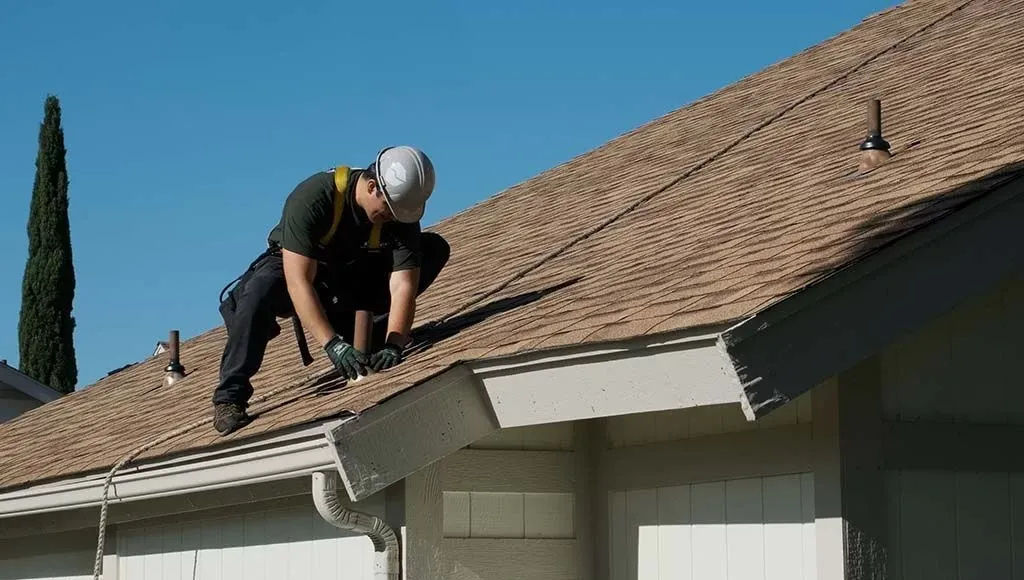
Roofers use rubber-soled boots, roof jacks or brackets that create temporary platforms on steep slopes, safety harnesses attached to anchor points at the ridge, and kneeling pads to avoid slipping on asphalt shingles during installation and repair. OSHA requires fall protection for roofing work on surfaces where workers could fall 6 feet or more, which includes virtually all residential roofing. A reputable roofing contractor in the Watkinsville and Hiawassee area will arrive on a job with the full complement of safety equipment required by OSHA standards and will not cut corners on fall protection regardless of roof pitch or project scope.
Safety is one of the clearest ways to distinguish a professional roofing crew from an informal or unlicensed one. If a roofing contractor arrives at your home and begins work on a steep roof without visible fall protection equipment, that is a significant warning sign about the quality and safety standards of the entire operation.
What Happens If You Don’t Put Tar Paper Under Shingles?
If you don’t put tar paper or roofing underlayment under shingles, the roof deck has no secondary layer of protection against water intrusion. Underlayment is the layer installed directly on the roof deck beneath the shingles. Its job is to act as a backup barrier if water gets under the shingles through any gap, nail hole, or flashing failure. Without it, any water that bypasses the shingles goes directly into the wood decking, where it causes rot, mold, and structural deterioration.
According to Lutgen Companies, proper underlayment adds extra protection against moisture intrusion, safeguards the home from water penetration and rot, and directly impacts the lifespan of the asphalt shingles above it. Skipping underlayment or using an inadequate product during installation is a common sign of poor workmanship that can void manufacturer warranties and dramatically shorten the life of an otherwise quality shingle product. Always confirm that your contractor is installing a rated underlayment product as part of any shingle replacement project.
What Is a Type 3 Roof?
A Type 3 roof, in the context of fire resistance ratings, is a building construction classification rather than a specific roofing material type. In NFPA 220 and IBC building codes, Type III construction refers to buildings where exterior walls are noncombustible but interior structural elements may be combustible. The roof structure in a Type III building typically uses wood framing with a fire-rated assembly. For homeowners, the more relevant fire classification is the Class A, B, or C fire rating applied to specific roofing materials, with Class A being the highest resistance to fire spread. Most asphalt shingles and metal roofing products carry a Class A fire rating.
If you are asking a contractor about a Type 3 roof classification and they seem unfamiliar with the term in your context, clarifying whether you mean the building construction type or the roofing material fire class will help move the conversation in the right direction. For most residential homeowners in Watkinsville and Hiawassee, the Class A fire rating of asphalt shingles is the relevant benchmark, not the commercial building construction classification.
What Spray Extends the Life of Shingles?
The sprays that extend the life of shingles are plant-based asphalt rejuvenation treatments like Roof Maxx, which use a soy methyl ester emulsion to restore lost oils and flexibility to aging asphalt shingles. According to Roof Maxx, their treatment is guaranteed to extend shingle life by 5 years per application, and with repeated treatments every 5 years, can add up to 15 years of additional life to shingles that are aging but structurally sound. The product costs approximately 15 to 30% of the cost of a full roof replacement, according to Roof Maxx’s own published data.
It is important to understand that rejuvenation treatments are not for every roof. According to Roof Maxx, they will not treat a roof if 30% or more of the protective granules are gone, if the roof has repeated leak problems, or if the shingles are already cracked or broken. Rejuvenation works best on roofs that are aging but have sound shingles with most of their granules intact. If your shingles are curling, cracking, or actively leaking, a spray treatment is not a substitute for replacement. An honest inspection from a licensed contractor is the right first step before committing to any rejuvenation product.
Is It Okay to Pressure Wash Asphalt Shingles?
No, it is not okay to pressure wash asphalt shingles. Pressure washing asphalt shingles removes the protective granules from the shingle surface, which shortens the roof’s lifespan and speeds up the timeline for replacement. According to Bill Ragan Roofing, pressure washing damages asphalt shingles and blows away the granules that protect the asphalt base from UV degradation and weather. Pressure washing also voids most shingle manufacturer warranties, leaving you with an accelerated aging roof and no warranty coverage.
The correct way to clean algae, moss, or general dirt off asphalt shingles is with a low-pressure chemical treatment using a product like Wet and Forget or a diluted sodium hypochlorite solution applied gently and rinsed at low pressure. These approaches kill and remove biological growth without blasting off granules. If you see dark streaks, green moss patches, or general discoloration on your shingles in the Watkinsville or Hiawassee area, call a licensed contractor for a low-pressure chemical treatment rather than renting a pressure washer.
Can I Spray Roof Maxx Myself?
No, you cannot spray Roof Maxx yourself. Roof Maxx is a proprietary product sold only through their certified dealer network and is not available for consumer purchase or DIY application. According to Roof Maxx, the product must be applied by a trained technician using a specialized spray system to ensure even and complete penetration into the shingle surface. Application by untrained users without proper equipment would likely result in uneven coverage and may not deliver the product’s claimed benefits.
DIY spray-on roof coatings are available at home improvement stores, but they are fundamentally different from penetrant treatments like Roof Maxx. According to Roof Maxx, DIY coatings typically sit on top of the shingle surface rather than penetrating into the asphalt layer, offering short-term waterproofing without improving shingle flexibility or addressing the underlying oil depletion that causes aging. If you are interested in a professional rejuvenation treatment, contact a licensed local contractor who can assess whether your roof qualifies for the treatment before scheduling an application.
Is There Any Product That’s 80 Years Lasting for Roofs?
Yes, copper and zinc metal roofing can last 80 to 100 years or more, making them the closest thing to an 80-year roofing product available. According to Englert Inc., copper and zinc roofs can exceed 70 to 100 years with proper care and maintenance. Natural slate also lasts 75 to 200 years according to AAPEX Restoration. These are all premium-priced products that are appropriate for historic homes, high-end custom residences, or buildings where generational ownership is the plan.
For asphalt shingles specifically, no standard product is reliably rated for 80 years. The longest-rated asphalt shingle products are in the 40 to 50-year premium category, and those ratings assume controlled conditions and ideal maintenance. For most homeowners in the Watkinsville and Hiawassee area looking for the best combination of longevity and realistic cost, a 40 to 50-year premium architectural shingle or a standing seam steel roof with a 50-plus-year lifespan are the most practical long-term options worth considering.
What Is the White Powder People Put on Their Roofs?
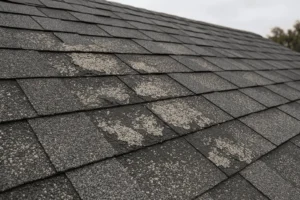
The white powder people put on their roofs is zinc sulfate or a zinc-based granule product used to prevent and treat moss, algae, and lichen growth. Zinc is toxic to these organisms, and strips of zinc flashing or zinc-impregnated granule products along the ridge of the roof slowly release zinc compounds every time it rains, washing down the roof surface and discouraging biological growth below. This is a long-standing and widely used preventive maintenance technique for asphalt shingle roofs in humid climates.
Georgia’s warm, humid summers create ideal conditions for algae and moss growth on north-facing or shaded roof sections, which is a common issue for homes in wooded neighborhoods around Watkinsville and in the forested mountain communities near Hiawassee. Black streaks on shingles are almost always a type of algae called Gloeocapsa magma. Zinc strips or zinc-impregnated shingles from manufacturers like GAF help prevent that growth from establishing in the first place, which is far more cost-effective than treating it after it has spread across large sections of the roof surface.
How to Rejuvenate Asphalt Shingles
You rejuvenate asphalt shingles by applying a professional plant-based oil penetrant like Roof Maxx that restores the lost petrochemical oils responsible for shingle flexibility. As asphalt shingles age, the oils in the asphalt core dry out, making shingles brittle and prone to cracking. According to Roof Maxx, their soy methyl ester emulsion product penetrates through the shingle to replace those lost oils and restore flexibility, with each application extending shingle life by approximately 5 years. Up to three applications at 5-year intervals can extend life by up to 15 years for qualifying roofs.
Rejuvenation is not appropriate for every roof. It is best suited for roofs that are 10 to 20 years old with sound structure, minimal granule loss, and no active leaks or widespread cracking. Roofs with more than 30% granule loss, structural damage, or multiple leak points need replacement, not treatment. A proper inspection from a licensed contractor is the essential first step before committing to any rejuvenation product. The inspection tells you whether treatment is a genuine money-saver or a delay tactic that will cost more in the end.
How Much Does It Cost to Have Your Roof Jet Washed?
A professional low-pressure roof wash, sometimes called a soft wash or jet wash, costs approximately $250 to $600 for a standard residential roof, depending on roof size, degree of biological growth, and the product used. A soft wash uses a low-pressure chemical application rather than high-pressure water, which is the appropriate method for asphalt shingles that would be damaged by standard pressure washing. According to Roof Maxx, using a bleach-based roof cleaning product will dry out asphalt shingles and cause brittleness and early failure if not applied and rinsed correctly.
If your roof has visible algae streaks, moss patches, or general discoloration from years of exposure in Georgia’s humid climate, a professional soft wash from a licensed contractor is a worthwhile maintenance investment. It removes the biological growth that traps moisture against the shingle surface and accelerates deterioration. Pairing a professional soft wash with a rejuvenation treatment on a roof that qualifies is one of the most cost-effective combinations available for extending asphalt shingle life without a full replacement.
Asphalt Shingle Lifespan by Type and Maintenance Level
| Shingle Type | Rated Lifespan | Realistic Georgia Lifespan | Key Factor for Longevity |
|---|---|---|---|
| 3-Tab (Standard) | 15 to 25 years | 12 to 18 years | Ventilation, storm protection |
| Architectural / Dimensional | 20 to 30 years | 18 to 27 years | Proper install, annual maintenance |
| Premium / Luxury | 30 to 50+ years | 25 to 40 years | Quality underlayment, ventilation |
| Any type, with rejuvenation treatment | +5 to 15 years added | Qualifying roofs only | Shingles must be sound, low granule loss |
| Any type, with pressure washing | Shortened by 3 to 7 years | Accelerated end-of-life | Granule loss voids most warranties |
Sources: Cobex Construction Group, Bill Ragan Roofing, National Roofing Contractors Association, Roof Maxx, This Old House, Angi, Premier Roofing
Frequently Asked Questions
How often should I inspect my asphalt roof in Watkinsville, GA?
You should inspect your asphalt roof in Watkinsville at least twice a year, in spring after winter and in fall before storm season ends. According to the Residential Inspector of America, professional inspections twice a year are the recommended standard for most residential roofs, with additional inspections after any significant hail or high-wind storm event. Georgia’s active storm season and intense UV exposure make regular inspections especially important in the Watkinsville area. Many roofing contractors in Oconee County offer annual maintenance programs that include scheduled inspections, gutter cleaning, and minor repairs at a bundled rate, which is a practical and cost-effective approach for homeowners who want to stay ahead of problems.
What is the best way to clean algae off asphalt shingles in Hiawassee?
The best way to clean algae off asphalt shingles in Hiawassee is a low-pressure soft wash using a diluted sodium hypochlorite solution or a no-rinse spray product like Wet and Forget. Georgia’s warm, humid climate and the heavy tree cover around many Hiawassee properties in Towns County create ideal conditions for the blue-green algae (Gloeocapsa magma) that causes the dark streaking common on North Georgia roofs. According to Roof Maxx, using bleach-based cleaners incorrectly or rinsing at too high a pressure will dry out and damage asphalt shingles. Never use a standard pressure washer on shingles. A professional soft wash applied by a licensed contractor is the safest approach that removes the growth without damaging the granule surface.
Does attic ventilation really affect how long my shingles last in Georgia?
Yes, attic ventilation has a major impact on how long shingles last in Georgia. According to Bill Ragan Roofing, inadequate attic ventilation is one of the biggest single reasons asphalt shingle roofs fail prematurely. In Georgia’s climate, summer attic temperatures in a poorly ventilated space can reach extreme levels that literally bake the shingles from below while the sun heats them from above. This accelerates granule loss, curling, and cracking years ahead of the shingle’s rated lifespan. A balanced ventilation system with proper intake at the soffits and exhaust near the ridge keeps attic temperatures within a manageable range and is one of the most cost-effective things a homeowner can invest in to extend shingle life.
Is Roof Maxx available in the Watkinsville or Hiawassee area?
Roof Maxx is available through certified dealers across Georgia, and availability in the Watkinsville and Hiawassee areas varies by dealer. The Roof Maxx website maintains a dealer locator for homeowners searching for certified applicators near them. Before committing to any rejuvenation treatment, have your roof inspected by a licensed local contractor first to determine whether the shingles qualify for treatment. Roof Maxx itself states they will not treat a roof where granule loss exceeds 30% or where the shingles are already cracked or broken, and an independent inspection gives you an unbiased starting point before any product decision is made.
When is it too late to extend the life of my asphalt roof?
It is too late to extend the life of your asphalt roof when the shingles are actively leaking in multiple locations, when granule loss exceeds 30% across the roof surface, when the shingles are cracking or crumbling rather than just aging, when the roof deck has water damage or rot that requires structural repair, or when the roof is past 25 years of age and inspection shows system-wide deterioration. At that point, the cost of attempted extensions through repair or rejuvenation typically exceeds the value returned, and a full tearoff and replacement is the more financially sound decision. According to Premier Roofing, when repairs are becoming frequent across multiple roof areas, that signals system-wide aging rather than isolated damage, and replacement is the right path forward.
What is the best shingle brand for a home in North Georgia?
The best shingle brands for a home in North Georgia are GAF, CertainTeed, and Owens Corning, which are the three most widely installed and most thoroughly tested architectural shingle manufacturers in North America. All three offer premium product lines rated for 30 to 50-plus years and provide strong warranty terms when installed by their certified contractor networks. For North Georgia’s climate, which includes intense UV exposure, active storm seasons, and occasional hail, an impact-resistant architectural shingle from any of these brands provides the best combination of durability, warranty coverage, and available contractor expertise in the Watkinsville and Hiawassee area. Always ask your contractor which product line they are proposing and whether their installation qualifies for the manufacturer’s highest warranty tier.
Final Thoughts
Extending the life of your asphalt roof comes down to a handful of consistent habits: keeping gutters clear, maintaining proper attic ventilation, trimming trees back from the roof surface, addressing any repair items promptly, having a professional inspection every spring and fall, and cleaning biological growth with the right method rather than a pressure washer. According to FoxHaven Roofing, these practices can add 5 to 10 years to the life of an asphalt shingle roof. In Georgia’s climate, those extra years can mean the difference between replacing a roof in 5 years and replacing it in 12. When the time for replacement does come, choosing the right shingle grade and a licensed local contractor with verifiable credentials makes sure the new investment lasts as long as possible.
If you are not sure how many years your asphalt roof has left, or if you want a straightforward assessment of whether repair, maintenance, or replacement is the right next step, the team at Ridgeline Roofing and Exteriors serves homeowners throughout Watkinsville, Hiawassee, and the surrounding North Georgia communities. We provide honest inspections, detailed proposals, and shingle roof installations built to last. Contact Ridgeline Roofing today to schedule your free roof inspection and get a clear picture of exactly where your roof stands.
When the time comes for a new roof, explore what a quality install looks like with the roof replacement team in Watkinsville who know North Georgia homes and build every job to last.