Skip to content
Finding a roof leak starts in the attic, not on the roof. Water almost never drips straight down from where it enters, so the stain on your ceiling rarely marks the actual source. This article walks through how to figure out where a roof leak is coming from, how to do a safe temporary fix, when homeowners insurance will pay for it, and what happens if you let a leak go too long without addressing it. Homeowners across Watkinsville and Hiawassee deal with these situations every storm season, and this guide covers everything you need to know.
How to Figure Out Where a Roof Leak Is Coming From
To figure out where a roof leak is coming from, start inside the attic with a flashlight and work your way up and outward. Water travels along rafters, underlayment, and insulation before it ever drips through a ceiling. The stain or wet spot you see inside your home is almost always downstream from the actual entry point on the roof.
Follow these steps in order to find the source correctly:
Step 1: Document the Interior Damage First
Before going anywhere near the attic or roof, photograph every water stain, wet spot, or drip location inside your home. Note whether the leak happens only in heavy rain, during wind-driven storms, or every time it rains. That pattern is a critical clue. A leak that only appears during wind-driven rain usually points to flashing or a window-roof junction rather than a simple shingle issue.
Step 2: Check the Attic with a Flashlight
Get into the attic during daylight or shortly after a rain event. Bring a bright flashlight. Look for darkened wood, wet insulation, rust on nails, or any visible water trails running along rafters and roof boards. Do not step on insulation between joists since the boards underneath are what hold your weight. In the attic, trace any water trail upward and toward the peak of the roof, because water flows down from where it enters.
Step 3: Look Uphill from the Stain
Water running along a rafter will always move downhill. If your ceiling stain is over the living room, the actual entry point could be several feet above and toward the peak. Once you spot wet wood or discoloration in the attic, mark the spot by pushing a nail up through the roof deck. That gives you a reference point when you get on the roof. According to IKO Industries, water entering a roof frequently creates a puddle on the attic floor before finding an exit point, which is why the ceiling drip can appear far from the source.
Step 4: Inspect the Roof from the Ground First
Before climbing on anything, use binoculars from the ground to examine the roof. Look for missing or lifted shingles, cracked ridge caps, visible gaps around the chimney base, or debris built up in valleys. Many common leak sources are visible without ever leaving the ground. In Watkinsville, where tall oaks and pines around many properties drop branches and debris, valley blockages and punctures from fallen limbs are among the most frequent causes of leaks.
Step 5: Use the Garden Hose Method If You Cannot Find It
If the leak source is still not clear, use the garden hose method. Have a helper stay in the attic with a flashlight. Starting at the lowest section of the roof just above where the interior damage appears, run a steady stream of water over a small section for several minutes. Move slowly upward, section by section, until your helper sees water entering. This method takes patience. Spend at least three to five minutes on each section before moving up. Once the entry point is spotted, your helper marks it from inside while you note the corresponding spot on the exterior.
What Is the Most Common Location to Find a Roof Leak?
The most common location to find a roof leak is around roof penetrations, which include chimneys, vent pipes, skylights, and HVAC boots. Flashing failures at these joints account for a large share of all residential roof leaks. The second most common location is in roof valleys, where two roof planes meet and funnel concentrated water during heavy rain.
Additional common leak sources in order of frequency include:
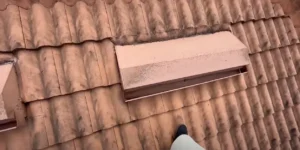
Pipe boots and plumbing vents are one of the single most overlooked sources. The rubber collar around a vent pipe dries out and cracks over time, especially in areas like Oconee County where summers are hot and UV exposure accelerates material breakdown. A cracked pipe boot can let water in through a hole smaller than a dime, but once water gets into the deck, it spreads fast.
Chimney flashing is another top culprit. The metal flashing where a chimney meets the roof relies on caulk, step flashing, and counter flashing all working together. Any one of those components failing opens a water path. Homeowners near historic properties in Watkinsville often have older chimneys where the original flashing has simply outlived its useful life.
Ridge caps and end caps at the peak of a roof are exposed to the most wind and UV stress of any part of the surface. After years of Georgia heat and summer storm cycles near Hiawassee and Lake Chatuge, ridge caps can lift, crack, or come unsealed. Water driven upward by wind can enter through even a small gap.
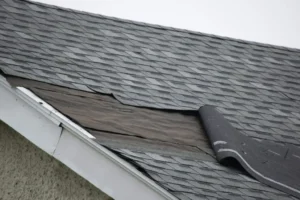
Missing or cracked shingles from storm damage are the most visible leak source and often the easiest to fix. After any significant storm in the Hiawassee area or through the Oconee County neighborhoods, a ground-level inspection with binoculars the following day is worth doing. Shingle roof repair in Watkinsville can address these specific damage points quickly before they become larger structural problems.
Can I Repair a Roof Leak Myself?
Yes, you can repair a roof leak yourself for certain simple and isolated problems, but most homeowners should limit their DIY work to temporary measures and leave permanent repairs to a licensed professional. Improper repairs can void shingle warranties, create new entry points for water, and in some cases cause insurance carriers to deny a future claim if they determine the homeowner made the damage worse.
What Temporary Fixes Are Safe for Roof Leaks?
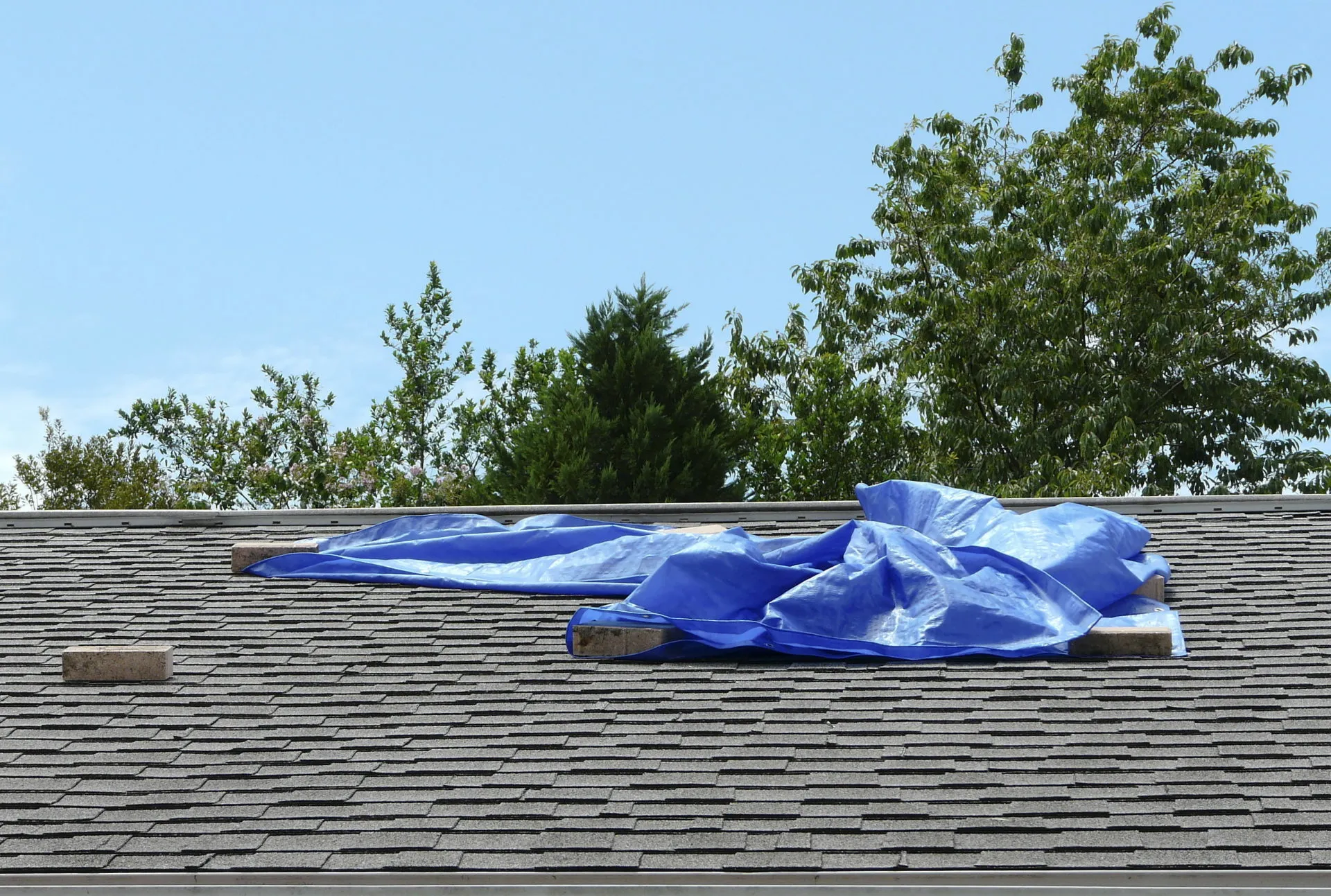
Temporary fixes for roof leaks that are safe to attempt include placing a bucket under an active drip to protect floors and ceilings, applying roofing tape or roofing cement over a visible crack or gap as an emergency bridge, and covering the damaged area with a tarp from outside if you can do so without walking on a wet or steep surface.
The key word is temporary. According to roofing professionals, a tarp installed without nails or screws is far safer for your insurance claim than one that is nailed or screwed into the roof deck. Every nail hole is a new potential water entry point, and an insurance adjuster who sees self-inflicted holes may argue the homeowner contributed to the damage. If you need to secure a tarp, use sandbags or weighted boards rather than fasteners.
Flex seal sprays and roof caulk products can stop a slow drip from a vent pipe boot or a small flashing gap as a short-term measure. They are not permanent solutions, and most roofing contractors will tell you they can complicate a proper repair because the sealant has to be fully removed before new materials can adhere correctly.
Can I Spray Flex Seal on a Leaking Roof?
Yes, you can spray Flex Seal on a leaking roof as a temporary emergency measure to slow active water intrusion, but it is not a permanent fix. Flex Seal and similar liquid rubber sealant products work for small cracks around pipe boots, chimney base edges, or narrow flashing gaps when used as a stopgap. They break down under prolonged UV exposure and will not hold through multiple Georgia storm seasons.
A more durable short-term option is roofing cement applied with a trowel around the base of a vent pipe or along a flashing edge. It adheres better than spray products in rainy conditions and lasts longer before breaking down. Still, these are buying-time solutions. A properly licensed roofer needs to make the permanent repair with new flashing, new pipe boots, or new shingle material depending on what the source turns out to be.
For Watkinsville homeowners dealing with active storm damage, a licensed contractor can also document the source before any DIY measures are applied, which protects your insurance claim from the start. Roof repair in Watkinsville includes that kind of documentation as part of the process.
Will Homeowners Insurance Pay for a Leaky Roof?
Homeowners insurance will pay for a leaky roof only when the leak was caused by a covered peril, such as a windstorm, hail, fallen tree, or fire. Insurance will not pay for a leak caused by normal wear and tear, age-related deterioration, lack of maintenance, or poor installation. That distinction determines everything about your claim outcome.
What Not to Say to a Roof Insurance Adjuster
You should not say anything to a roof insurance adjuster that admits the roof was already in poor condition, downplays the extent of the damage, or indicates the problem had been ongoing for a long time before you reported it. Statements like “the roof was old anyway” or “I first noticed this a few months ago” give adjusters grounds to deny your claim or reduce the payout based on lack of maintenance or delayed reporting.
Let the roof’s condition speak for itself through documentation. Take photos of every area of damage before any temporary repairs are made. If possible, have a licensed roofer inspect and provide a written report before the adjuster arrives. A professional assessment that ties the damage to a specific storm event is far stronger than homeowner testimony alone.
Most homeowners insurance policies come with a deductible of $500 to $2,500 for standard claims. According to SoFi’s insurance analysis, the average cost to repair a roof is around $1,929. If your repair estimate is close to or below your deductible, it may not make financial sense to file a claim. Filing for small amounts also goes on your CLUE report, which insurers use to assess risk at renewal, and could contribute to a premium increase.
Is It Smart to Submit an Insurance Claim for Your Roof?
It is smart to submit an insurance claim for your roof when the repair cost significantly exceeds your deductible and the damage was caused by a covered peril like hail or a storm. It is not smart to file a claim for gradual wear and tear, minor damage that falls below or near your deductible, or problems that resulted from deferred maintenance. Filing those claims creates a record that can raise your premiums without generating any meaningful payout.
Progressive Insurance notes that even a denied claim stays in your CLUE claims history. Before submitting anything, get a contractor’s written estimate and compare it honestly to your deductible and your policy’s replacement cost versus actual cash value terms. Homeowners in Hiawassee and Oconee County who file claims after clear storm events, with solid photo documentation and a contractor assessment, have the strongest outcomes.
How to Scare a Home Insurance Adjuster (The Right Way)
The most effective way to get the best outcome with a home insurance adjuster is not to scare them but to out-document them. Bring a detailed contractor inspection report with photos of every damaged area, a written scope of repairs with itemized costs, and weather service records or National Weather Service data showing that a qualifying storm occurred on or near the date of the damage.
Adjusters working quickly through many claims sometimes miss secondary damage, like rotted decking under lifted shingles or damaged gutters from the same storm event. A contractor who is present during the adjustment and points out each item systematically significantly improves the completeness of the claim assessment. This is not adversarial; it is simply thorough. Roof replacement in Watkinsville from a contractor experienced in insurance claims gives homeowners a meaningful advantage through this process.
How Long Can a Roof Leak Go Unnoticed?
A roof leak can go unnoticed for weeks or even months when the entry point is small and water is traveling along rafters and insulation before dripping into the living space. By the time a visible stain appears on the ceiling, the leak has typically been active long enough to cause hidden damage to wood, insulation, and sometimes drywall.
According to Shumaker Roofing’s timeline analysis, the damage progression from an undetected roof leak follows a clear and alarming sequence. Within the first one to three days, moisture saturates insulation and begins softening roof sheathing. Within three to seven days, musty odors, discoloration, and peeling paint may appear. Within four to eight weeks, structural elements including rafters, trusses, and ceiling joists begin to rot. The longer the leak goes unaddressed, the more the repair cost grows.
Mold is one of the most serious secondary consequences. According to roofing professionals and indoor air quality specialists, mold can begin forming in saturated insulation and drywall within 24 to 48 hours of water intrusion in warm, humid climates. Oconee County and Towns County both fall into this category, with summers humid enough to support rapid mold growth once moisture is introduced inside a wall or attic cavity.
Can a Roof Collapse from a Leak?
Yes, a roof can collapse from a leak if the structural damage is allowed to progress long enough without repair. This is not common with a fresh or minor leak, but prolonged water exposure weakens wooden rafters, ceiling joists, and roof decking through rot. Saturated drywall can add 25 to 50 pounds of water weight per sheet, according to roofing professionals, which puts unexpected load on already-weakened framing.
Collapse is an extreme outcome, but partial sagging, ceiling failure in one section, and major structural repair bills are far more common results of long-ignored leaks. The path from small ceiling stain to costly structural repair can happen faster than most homeowners expect, particularly in humid Georgia summers where wood exposed to moisture deteriorates quickly.
If your ceiling is actively bulging, sagging significantly, or feels soft to the touch, that is an immediate safety concern. Do not stand underneath it. Drain it by poking a small hole in the lowest point of the bulge to let the water out in a controlled stream into a bucket, which relieves the weight on the drywall. Then call a roofer immediately.
Is It Normal for a Roof to Leak in Heavy Rain?
No, it is not normal for a roof to leak in heavy rain. A properly installed and maintained roof should handle any amount of rainfall without leaking, including the kind of heavy downpours that sweep through Oconee County and the Hiawassee area during summer storm season. A leak during heavy rain means something in the roofing system has failed.
Some homeowners assume that leaks only during extreme storms are acceptable. They are not. A roof that leaks during heavy rainfall but holds up in light rain has a real problem; the heavy rain is simply revealing it. Common causes include lifted or curling shingles that allow wind-driven water underneath, clogged gutters causing water to back up under the drip edge, or valleys and flashing that have developed gaps over time.
If your roof leaks consistently in heavy rain but dries out quickly with no interior staining, have it inspected before the next storm season. Catching the root cause of a rain-triggered leak while it is still minor is far less expensive than dealing with the cumulative damage after several wet seasons.
Roof Leak Detection: Comparing Methods
| Detection Method | Best For | Skill Level | Accuracy |
|---|---|---|---|
| Attic flashlight inspection | First step for any visible stain or drip | Any homeowner | Good for obvious sources; misses small cracks |
| Garden hose test (two-person) | Hidden or intermittent leaks | Moderate; requires a helper | Very good when done section by section |
| Roof visual inspection (ground level) | Storm damage, missing shingles | Any homeowner with binoculars | Good for large obvious damage |
| Professional moisture meter | Hidden moisture in decking and insulation | Contractor only | Excellent; finds moisture before visible damage |
| Infrared thermal scan | Large roofs or hard-to-access areas | Contractor only | Excellent; identifies moisture by temperature difference |
| Electronic leak detection (ELDT) | Flat or low-slope commercial roofs | Contractor only | Excellent for flat roofs; not needed for pitched shingle roofs |
Sources: IKO Industries roofing leak guide; Today’s Homeowner roof leak detection guide; Worthy Construction LLC professional detection methods overview.
What Is Grace for Roofing?
Grace for roofing refers to Grace Ice and Water Shield, which is a brand name for a self-adhering waterproof membrane used as underlayment in vulnerable areas of a roof. The term “grace” has become shorthand in the roofing industry for any ice and water shield membrane, much the same way “Band-Aid” is used for adhesive bandages.
Grace underlayment, or any equivalent ice and water shield membrane, is installed on the roof deck before shingles go on. It bonds directly to the wood and self-seals around each nail hole, preventing water from getting through the deck even if shingles are lifted or damaged. It is required by code in eaves and valleys in many regions and is a standard part of any quality roof installation in areas with severe storm potential. For homeowners near Hiawassee asking about this product during a roof installation in Watkinsville project, this is exactly the kind of detail worth confirming is included in your scope of work.
Can a Handyman Fix a Roof Leak?
A handyman can fix a roof leak for very minor, accessible repairs such as recaulking a vent pipe boot, replacing a single cracked shingle, or resealing a small gap in flashing. However, any repair that affects the structural system of the roof, involves significant flashing work around a chimney, or requires diagnosing a hidden or intermittent leak should be handled by a licensed roofing contractor.
The main risk with handyman roof repairs is that an incorrect fix can mask the real source of the leak while allowing water to continue entering in a different place. It can also void manufacturer warranties on shingles if the repair work does not follow the manufacturer’s installation guidelines. In Georgia, roofing contractors are required to carry proper licensing and insurance. Hiring an unlicensed individual for structural roofing work can expose you to liability if an injury occurs and can complicate your insurance claim if the repair causes further damage.
For Watkinsville and Hiawassee homeowners with a straightforward shingle issue or a clearly identified flashing problem, a licensed roofer is the right call. Watkinsville roof repair services handle everything from single-shingle replacements to complex flashing corrections, with full documentation for insurance purposes when needed.
Frequently Asked Questions
How Do I Find a Water Leak That Is Not Visible?
To find a water leak that is not visible, start by checking the attic during or right after rain for wet wood, dark staining on rafters, or rusted nail heads, which all indicate where water is traveling through the deck. If the attic shows no obvious trail, use the garden hose method: have a helper in the attic while you systematically wet each section of the roof from the lowest point upward. A professional contractor can also use a moisture meter to find saturated wood that shows no visual signs yet. In Watkinsville, a licensed roofer can locate hidden leaks that homeowners have searched for on their own for months, simply by knowing where to look based on the roof’s construction and the pattern of interior damage.
What Are the Three Most Common Leaks on a Roof?
The three most common leaks on a roof are flashing failures around chimneys and penetrations, deteriorated pipe boots around plumbing vents, and damaged or missing shingles in valleys and ridge areas. Flashing and pipe boot failures together account for the majority of residential roof leaks because these components depend on sealants that break down over time, especially in Georgia’s heat and humidity. Missing or cracked shingles after a storm are the third most common source and the most visible, making them the easiest to catch quickly if homeowners do a post-storm inspection.
Will Homeowners Insurance Pay for a Roof Leak in Hiawassee or Watkinsville?
Yes, homeowners insurance will pay for a roof leak in Hiawassee or Watkinsville if the damage was caused by a sudden and covered event like a windstorm, hail, or fallen tree. Insurance will not pay for a leak that resulted from the roof simply aging, lack of maintenance, or gradual deterioration over time. Georgia homeowners who experience roof damage from the storms that frequently move through Oconee County and the Blue Ridge Mountain foothills near Hiawassee should document damage with photos and get a written contractor assessment before contacting their insurer. Having professional documentation ties the damage clearly to the storm event, which strengthens any claim.
How Long Can a Roof Leak Go Unnoticed in Georgia’s Climate?
A roof leak in Georgia’s climate can go unnoticed for several weeks to a few months, depending on how small the entry point is and how far water has to travel before appearing inside. Georgia’s humidity makes the consequences of undetected leaks worse than in drier climates. Mold can begin forming within 24 to 48 hours in the warm, moist conditions common in Oconee County summers, according to roofing and restoration professionals. Annual roof inspections and a check of the attic after every major storm are the most reliable ways to catch leaks before they cause significant interior damage. Towns County residents near Lake Chatuge who see heavy spring storms roll in from the mountains should make post-storm attic checks a regular habit.
What Is the Two Most Common Leak Detection Tests?
The two most common leak detection tests used on residential roofs are the garden hose test and the professional moisture meter test. The garden hose test involves systematically wetting sections of the roof while a helper watches from the attic for water entry, and it works well for most pitched shingle roofs. The moisture meter test uses a probe instrument that measures the moisture content of wood and insulation without visual damage being present, allowing contractors to find hidden saturation before it shows as a stain or drip. For commercial or flat roofing applications in Watkinsville, electronic leak detection and infrared thermal scanning are also used to map moisture across large roof areas.
Is Leak Detection Covered by Insurance?
Leak detection costs are generally not covered as a standalone service by standard homeowners insurance policies. The cost of finding a leak is typically considered part of the repair process, not a separate covered event. However, if you hire a licensed roofer to inspect and document the damage as part of filing a claim for a storm-related leak, the contractor’s inspection fee may be rolled into the overall claim documentation. Some contractors in the Watkinsville area offer free inspections as part of their service, which eliminates this cost entirely when you are using the inspection to support a claim or decide on repairs.
Can I Live in My House While the Roof Is Being Replaced?
Yes, you can live in your house while a roof is being replaced. The interior of your home remains usable throughout a standard roof replacement because all the work is done from the exterior. The main disruptions are noise, vibrations throughout the house, and crew activity around the property for one to three days. Homeowners with pets, young children, or work-from-home schedules may find it more comfortable to arrange an alternative location for at least the first day, when tear-off is loudest. If an active leak is part of why you are replacing the roof, a tarp over the damaged area keeps the interior protected between the time work is scheduled and the day the crew arrives.
Found a Leak? Get It Looked at Before It Gets Worse.
A roof leak that seems minor today can cause thousands of dollars in structural and mold damage within weeks in Georgia’s humid climate. The sooner you know exactly where it is coming from and how bad it is, the better your options are.
The team at Ridgeline Roofing and Exteriors provides free inspections for homeowners across Watkinsville, Hiawassee, and the surrounding Oconee and Towns County communities. They will find the source, document everything you need for an insurance claim if one applies, and give you a straight answer on whether a repair or a replacement makes more sense for your situation.
For a closer look at repair options in your area, visit the Watkinsville roofing services page and schedule your free inspection today. Stop guessing and get the facts.