Skip to content
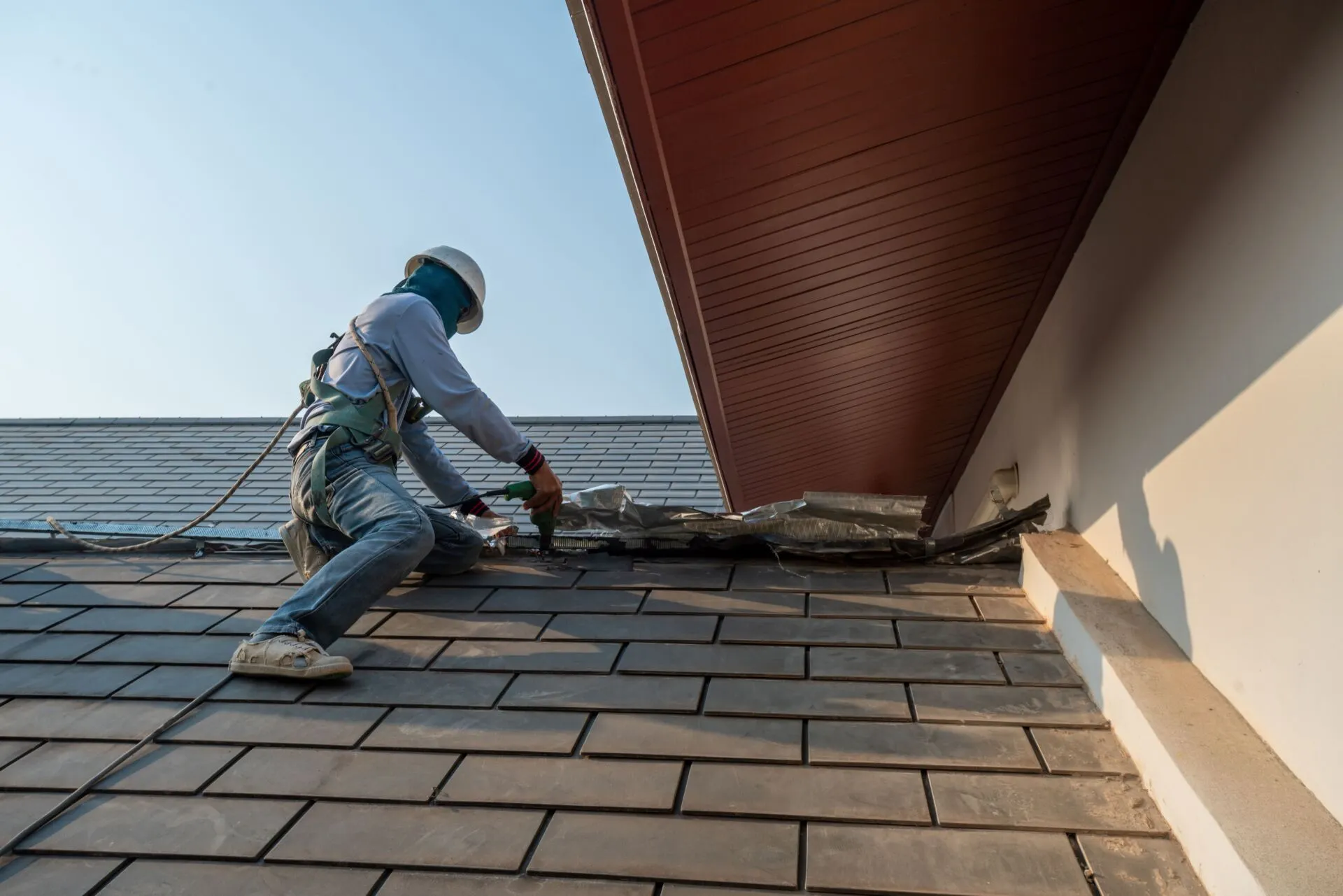
Preparing your home for a roof installation means clearing vehicles from the driveway, moving outdoor furniture and fragile yard items away from the house, removing wall decorations inside on the upper floor, covering belongings in the attic, making arrangements for pets and children, and communicating with your contractor about access to power outlets and any landscaping that needs protection. A roof replacement is one of the most significant projects a home goes through, and a modest amount of preparation the day before installation begins makes the process safer for the crew, faster from start to finish, and less disruptive to your household. For homeowners in Watkinsville and Hiawassee, this guide answers every question that comes up before, during, and after a roof installation so you know exactly what to expect.
What Is the 25% Rule in Roofing?
The 25% rule in roofing is a building code provision that triggers a required full permitted roof replacement when more than 25% of a residential roof’s surface is repaired or replaced within any 12-month period. This rule applies in most Georgia jurisdictions, including Oconee County and Towns County, and exists to prevent property owners from making large incremental repairs that would avoid the permitting and code-compliance requirements of a complete installation. When cumulative repairs in a calendar year cross that threshold, the building department treats the project as a full replacement, which means the entire roof must then meet current code standards for underlayment, ventilation, and flashing.
For homeowners in the Watkinsville area planning repairs after storm damage, understanding this rule before authorizing a repair scope is important. A hail or wind event that damages 30% of the roof may trigger the full replacement threshold, making the permitted replacement both the code-required and the financially correct outcome. A licensed local roofing contractor will measure the damage extent and advise you on whether the repair scope keeps you under the threshold or whether a permitted full replacement is the appropriate path forward for your specific situation.
What Are the Red Flags for Roofing Contractors?
The red flags for roofing contractors are requests for full cash payment upfront before any work begins, no physical local business address or verifiable local project references, inability to provide proof of Georgia contractor’s license and current general liability and workers’ compensation insurance, a written proposal that does not itemize materials separately from labor, and pressure to sign immediately without time to get competing quotes. An unusually low bid that is 20% or more below two other qualified local bids is not a bargain. It is a signal that the contractor is skipping permitted work, using uninsured day laborers, planning to use substandard materials, or cutting corners on installation details like flashing and ventilation that do not show up until years later as leaks.
For homeowners in Watkinsville and Hiawassee, two additional red flags are worth knowing specifically. First, a contractor who suggests skipping a permit for a full roof replacement is putting you at risk of code violations, insurance claim complications, and problems when you sell the home. Roof replacement permits are required in Oconee County and Towns County, and a licensed contractor will pull them without being asked. Second, a storm-chasing contractor who arrives unsolicited after a hail event and offers to inspect your roof for free while pressuring you to sign immediately is a known high-risk pattern. Hire local contractors you can verify, and do not sign anything the same day a stranger shows up at your door after a storm.
Can You Live in a House While It’s Getting a New Roof?
Yes, you can live in a house while it is getting a new roof. Roof replacement does not make the home unsafe to occupy, and most homeowners stay in the home during the project. According to IKO, whether your roof replacement will take one day or three, it will be very disruptive to your children and pets, and ideally you would be out of the house for the day, but staying is perfectly manageable with the right preparation. The main disruptions are significant noise from hammering and pneumatic nailers, vibrations that travel through the walls, dust and debris that fall in the attic, and the presence of a crew working around the exterior of your home all day.
If you work from home, the noise level during active installation makes phone calls and concentration difficult, and leaving for the day or working from another location is the most practical choice. If you have pets, particularly dogs, the constant hammering and unfamiliar sounds cause real anxiety for most animals, and making arrangements for them to stay at a friend’s home or a kennel for the installation day is worth the effort. According to Long Home Products, once the roofing company arrives, your house is a work zone that poses unexpected hazards, and children should not be outside or near the work area at any time during the installation. Keeping pets indoors in a quiet room as far from the roof activity as possible is the best option if off-site arrangements cannot be made.
How to Prepare for Roof Installation
Preparing for a roof installation involves completing a specific set of tasks the evening before the crew arrives and the morning of installation day. The night before, move all vehicles out of the driveway and park them on the street or at least two car lengths away from the house, because the roofing crew will need full driveway access to position their trailer, dumpster, and material staging area from early morning. Move all patio furniture, grills, potted plants, lawn ornaments, children’s toys, garden hoses, and sprinkler heads at least 15 feet from the house in every direction, because falling debris during the tear-off phase will damage any item left in that zone. According to IKO, protecting these items with tarps is acceptable if moving them is not possible, but relocation is the more reliable protection.
Inside the home, walk through every room directly below the attic or roof deck and remove all framed pictures, mirrors, wall hangings, and loose shelf decorations. According to Cedur, the pounding from hammers and the impact from nail guns cause vibrations throughout the house that can knock wall-hung items off their hooks. Cover any belongings stored in the attic with old sheets, tarps, or painter’s drop cloths to protect them from dust and fine debris that will fall through from above during the tear-off and installation. Trim any tree branches that overhang the roof zone if they have not been addressed before the project begins, and mow the lawn because shorter grass makes post-project nail cleanup significantly easier and more thorough. Contact your satellite dish or antenna provider to have the equipment removed before the project day if it is mounted on the roof.
What Time of Year Is the Cheapest to Replace a Roof?
The cheapest time of year to replace a roof is late fall through early winter, from November through February in Georgia. Spring and summer are peak roofing season in the Watkinsville and Hiawassee areas, driven by post-storm demand and the active construction season, which means fully booked contractor schedules, longer lead times, and pricing at the top of the market. According to Columbus Roofing Company, scheduling a replacement during off-peak season can save 10% to 20% compared to peak summer pricing. According to Equity Roofing, winter is often the best time of year to replace a roof if pricing is your main concern, because demand is lower and contractors are motivated to keep crews working.
For Georgia homeowners, there is no weather barrier to fall or winter roof installation the way there is in northern states where frozen decks and adhesive-bonding temperature minimums restrict installation windows. Architectural asphalt shingles require approximately 40 degrees Fahrenheit for the adhesive strips to seal, and Georgia temperatures rarely stay below that threshold for extended periods in winter. A licensed local contractor can confirm the appropriate installation conditions for your specific material choice and weather window. Scheduling your replacement in November or December for a project you know is coming in the spring is one of the most straightforward ways to reduce the total cost without sacrificing quality.
How to Tell If a Roofer Is Lying
You can tell if a roofing contractor is lying when they tell you everything needs to be replaced without walking you through the evidence, when they claim your entire roof was damaged by the last storm but cannot show you specific proof of impact points or wind damage patterns, when they submit a detailed insurance scope without you having authorized a claim, or when they cannot produce the permit for the job before work begins. A contractor who tells you your 12-year-old roof with minor storm damage needs full replacement and must be done this week is using urgency to override your judgment. A contractor who tells you a 23-year-old roof with curling shingles and granule loss only needs three shingles replaced is telling you what is cheapest and fastest for them, not what is correct for your home.
Honest roofing proposals include a written scope of work that itemizes materials by product name and quantity, labor, disposal, permit fees, and any contingency language about deck repairs that may be needed after tear-off. According to RoofCalc.org, lower roofing cost always comes at the expense of quality, because all roofers in the same geographic area pay approximately the same for materials. A qualified contractor in Oconee County or Towns County will explain every line of their proposal, answer your technical questions clearly, provide verifiable local references from recent projects, and not ask you to sign before you have had the opportunity to get a second quote.
What Not to Tell Your Contractor
There are several things you should not tell a roofing contractor before or during a project. Do not tell them you have an open-ended budget or that you want the best of everything without asking what those upgrades cost and what they actually provide. Do not tell them you are in a desperate rush because a neighbor saw your roof and said it is about to fail, because urgency is the most reliable tool unscrupulous contractors use to prevent you from getting competing bids. Do not tell them you have already signed a contract with another company to see if they will beat the price, because this signals that your decision is purely price-driven and some contractors will meet that signal by reducing material quality rather than profit margin.
The more specific category of what not to say to a contractor relates to the scope of damage after a storm. Do not tell a contractor you think the roof was already in bad shape before the storm hit without consulting a licensed independent inspector first, because that statement will be used to minimize the insurance-covered scope of work. Do not tell a contractor that you do not care about the specific underlayment or flashing brand as long as it looks good on the outside, because the components no one can see after installation are precisely where quality differences have the most impact on how long the roof lasts. Specify the materials you are paying for in writing before the project begins.
How Can You Tell a Good Roofer?
You can tell a good roofer by five specific indicators. First, they carry a current Georgia contractor’s license, general liability insurance with limits appropriate for residential work, and workers’ compensation coverage for every person on their crew. Second, they provide a written proposal that itemizes every component of the job, including the shingle brand, underlayment type, flashing specification, ventilation plan, drip edge, and permit fees. Third, they pull the required permit for the project before work begins and schedule the required inspection afterward without being asked. Fourth, they can provide three to five local references from roofing projects completed within the past two years in the Watkinsville or Hiawassee area that you can actually call. Fifth, they return calls and messages promptly and communicate clearly about the project timeline, weather delays, and any deck issues discovered during tear-off.
A good roofer also has a documented cleanup process. According to Nulook Home Design, expert roofers perform a thorough cleanup once a roofing installation is complete, including using powerful magnets and special rolling tools designed to pick up nails from your lawn, driveway, and garden beds. A contractor who leaves your yard full of roofing nails and debris is not a good roofer regardless of how the shingles look. For homeowners in Watkinsville and Hiawassee evaluating proposals, asking every contractor specifically how they handle nail cleanup and what their process is for protecting your landscaping during tear-off will immediately differentiate the experienced local professionals from the crews that are cutting corners on the details that matter most to you as a homeowner.
What Not to Say to a Roof Insurance Adjuster
When an insurance adjuster comes to inspect your roof after a storm, there are specific statements that can damage your claim. Do not say the roof was having problems before the storm, because that language creates grounds to deny the storm-caused damage portion of the claim as pre-existing. Do not agree on the spot to a repair-only scope when you believe the damage warrants full replacement, and do not say you have already chosen a contractor before you know whether the adjuster’s estimate covers the actual cost of the work. Do not tell the adjuster you accept their first settlement offer before getting a written assessment from your own licensed roofing contractor that independently documents the full extent of the damage.
The most important thing to have ready before the adjuster arrives is a written inspection report from a licensed roofing contractor that identifies storm-caused damage specifically, with photographs documenting impact points, granule loss patterns consistent with hail, lifted or missing shingles consistent with wind, and any structural concerns. National Weather Service records confirming the date, size, and location of the storm provide important corroboration. According to RoofClaim, many homeowners can get their roof replaced for only the cost of their deductible if insurance covers the damage, and proper documentation is what enables that outcome. For homeowners in Oconee County and Towns County navigating a storm damage claim, having your roofing contractor present during the adjuster’s inspection, or at minimum available to respond to any scope disputes in writing, is the most effective way to ensure the claim reflects the actual condition of your roof.
What Devalues a House the Most?
A failing or end-of-life roof devalues a house as much as or more than almost any other single deficiency because it signals immediate financial liability and the potential for concealed water damage in the structure below. When a buyer’s inspector documents a roof at end of life, buyers apply a discount equal to the full replacement cost plus a risk premium for any interior damage the failing roof may have already caused but not yet revealed. This combined discount regularly runs $15,000 to $30,000 or more on a sale negotiation, which is often greater than the actual cost to replace the roof before listing. According to Allied Roofing Solutions, a new roof may increase a home’s value by $17,000 or more, helping offset much of the replacement cost in the resale transaction.
Other conditions that significantly devalue homes include foundation problems, mold or moisture damage, outdated electrical panels, and non-functional HVAC systems. Of all of these, the roof is unique because it is the one condition visible from the street that every potential buyer and every drive-by appraiser evaluates before entering the home. A roof with obvious curling, missing shingles, moss growth, or sagging sections communicates neglect before the buyer is even inside. For homeowners in the Watkinsville area preparing a property for sale, having a licensed roofing contractor inspect the roof and provide a written condition assessment before listing is the most reliable way to understand whether replacement or strategic repair is the right pre-sale investment.
What Is the Most Expensive Part of Replacing a Roof?
The most expensive part of replacing a roof is labor, which typically accounts for 40% to 60% of the total project cost on a standard residential asphalt shingle replacement. According to 12 Stones Roofing, labor typically accounts for 60% of a roof replacement quote when factoring in insurance, workers’ compensation, and the specialized skills required. The physical tear-off of the existing roof, preparation of the deck, installation of underlayment, flashing, drip edge, and shingles, and final cleanup all require skilled labor, and with roofing workforce shortages continuing through 2026 according to a 2025 contractor survey from Roofing Contractor Magazine, labor rates remain elevated across the Southeast including Georgia.
Beyond the base labor cost, the most expensive unexpected component that frequently drives projects over budget is deck repair discovered during tear-off. According to Mighty Dog Roofing, when rotten or water-damaged plywood or OSB is found after the old shingles are removed, it must be replaced before the new roof can be installed, at typical costs of $75 to $125 per sheet of decking material plus labor. On a roof with a history of leaks or aging flashing that allowed water to penetrate over several years, multiple sheets of damaged deck are common, and the additional cost can be $500 to $2,500 or more depending on the extent of the damage. For homeowners in Watkinsville and Hiawassee budgeting for a roof replacement, building a 10% to 15% contingency into the project budget for potential deck repair is the financially sound approach.
What Adds $100,000 to Your House?
No single roofing improvement adds $100,000 to a house’s value, and any claim to that effect should be viewed with skepticism. The home improvements most consistently associated with the largest increases in property value are kitchen remodels, bathroom additions, finished basements, and accessory dwelling units (ADUs), all of which add functional living space that buyers directly value in price per square foot. A new roof adds measurable resale value, with Allied Roofing Solutions noting a new roof may increase home value by $17,000 or more and help offset the replacement cost in a sale, but the return on investment for roofing ranges from 50% to 80% of the project cost depending on the material and local market, not 100% or more.
What a new roof does add in full is the removal of a deferred maintenance discount that buyers and their lenders apply to homes with aging or failing roofs. According to most homeowners insurance carriers, roofs over 20 years old create coverage limitations or non-renewal risk that buyers factor into their offers. Removing that risk by installing a new roof returns the home to full insurability and eliminates the largest objection in most residential purchase negotiations. For homeowners in the Hiawassee and Watkinsville areas, the accurate framing of roofing investment is not about adding a dramatic dollar amount to the appraisal but about removing the most significant deduction buyers apply to your home’s asking price.
What Questions Should You Ask Before Hiring a Roofer?
Before hiring a roofing contractor in Georgia, you should ask seven specific questions and require written answers to all of them. First, are you licensed by the State of Georgia and can you provide your license number? Second, do you carry general liability insurance and workers’ compensation coverage for your full crew, and can you provide current certificates of insurance? Third, will you pull the permit for this project before work begins? Fourth, what specific shingle brand, product line, and warranty are you proposing, and what underlayment and flashing products are included? Fifth, how will you protect my landscaping, driveway, and windows during the tear-off phase? Sixth, what is your process for discovering and pricing deck repairs if damaged decking is found after tear-off? Seventh, what does your cleanup process include, and what tools do you use to remove nails from the yard and driveway?
For homeowners in Watkinsville and Hiawassee specifically, two additional questions are worth adding. Ask the contractor how many roofs they have completed in Oconee County or Towns County in the past 24 months, and ask for the addresses and contact information for three of those customers so you can call directly and verify the work and experience. A contractor who has been working consistently in the local area will have no difficulty with this request. A contractor who struggles to name recent local projects is likely new to the market or relying primarily on storm-chasing work, neither of which provides the local accountability that a long-term investment like a new roof deserves.
What Is the Black Stuff Roofers Put Under Shingles?
The black stuff roofers put under shingles before the shingles are installed is called roofing underlayment, also commonly known as roofing felt or tar paper. According to Gilstrap Roofing, roofing felt or felt paper goes between the roof deck and the shingles, adding another layer of protection to the roof system. Traditional felt underlayment is made with an organic paper or fiberglass mat that has been saturated with asphalt, giving it the black color and the ability to repel water while still allowing the roof system to breathe. It is available in two standard weights: No. 15 felt, which is lighter and used on lower-risk applications, and No. 30 felt, which is thicker, stronger, and less prone to tearing during installation or in high-wind conditions.
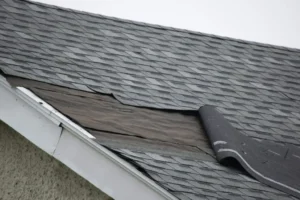
Modern roofing increasingly uses synthetic underlayment instead of traditional felt. According to Owens Corning, synthetic underlayment is more moisture-resistant than felt, lighter per roll, and safer for workers to walk on due to slip-resistant surfaces. While synthetic underlayment is typically more expensive than felt, it is more durable, comes in longer rolls that require fewer laps and seams, and is required by many manufacturer warranties for the warranty to be valid. The black or dark gray color of both felt and synthetic underlayment comes from the asphalt coating or bitumen-infused construction, and what homeowners see briefly exposed on a roof between tear-off and shingle installation is this underlayment layer. For homeowners in Watkinsville scheduling a roof installation, asking your contractor whether they use felt or synthetic underlayment, and why, is a straightforward quality check that separates contractors who think about system performance from those who use the cheapest available product.
Is It Better to Use Plywood or OSB on a Roof?
OSB (oriented strand board) is better for most standard residential roof deck applications because it provides adequate structural performance at a lower cost than plywood and is the overwhelming industry standard for residential roof sheathing in the United States today. According to Angi, for most homes the added strength of plywood over OSB is unnecessary, and OSB makes sense as the cost-effective and structurally appropriate choice. According to Angi’s 2026 cost data, roof sheathing costs $2 to $6 per square foot for both materials, with OSB typically falling at the lower end of that range. The two materials are functionally comparable for standard residential roof loads, and most major shingle manufacturers accept both for warranty-compliant installations.
Plywood is the better choice for homes with unusually heavy roofing materials such as clay or concrete tile, for very steep roofs where the deck experiences higher point loads during installation and maintenance, or in environments with chronic high humidity where OSB’s greater susceptibility to edge swelling from moisture exposure is a legitimate concern. For the overwhelming majority of asphalt shingle or metal roofing projects on standard residential homes in Watkinsville and Hiawassee, OSB is the appropriate and contractor-standard specification. When deck repairs are needed after tear-off, your contractor should replace damaged sections with the same material type and thickness that was originally installed to maintain consistent fastener holding and structural consistency across the deck surface.
Will Roofing Costs Go Down in 2026?
Roofing costs will not meaningfully go down in 2026. According to Equity Roofing, roof prices rarely go down, and even when they do, it is temporary. According to a 2025 contractor survey cited by Equity Roofing, labor shortages and rising wages remain the top concerns for roofing businesses, and labor costs do not decrease once wages rise. According to Logams Roofing, in early 2025 leading shingle manufacturers including Owens Corning, GAF, and CertainTeed raised prices by 6% to 10%, creating a higher material baseline that 2026 pricing reflects. According to Columbus Roofing Company, material costs have reset to a new baseline approximately 40% higher than 2019, and the pre-pandemic pricing of $8,000 to $10,000 for an average roof is permanently gone.
According to 614 Exteriors, the 2026 national range for a new roof on a typical 2,000-square-foot home runs $5,100 to $11,000 for standard asphalt shingles, and complex designs, premium materials, and deck repairs can push the total significantly higher. According to RoofClaim, as of 2026 the average homeowner pays between $9,500 and $28,000 for a full roof replacement depending on material, roof size, and complexity. For homeowners in Watkinsville and Hiawassee, the practical advice is clear: delaying a needed roof replacement to wait for prices to fall means waiting for something that will not happen, while the existing roof continues to age and potentially cause interior damage that adds to the total cost. The one real savings opportunity is scheduling during late fall or winter when contractor availability is higher and pricing is at its annual low point.
Will a New Roof Lower Homeowners Insurance?
Yes, a new roof will often lower homeowners insurance premiums, and in some cases significantly. According to the Metal Roofing Alliance, a metal roof can lower homeowner’s insurance premiums by up to 35%. For asphalt shingle replacements, the savings are more modest but still real: replacing an aging shingle roof with a new architectural shingle system using Class 4 impact-resistant shingles can qualify for premium discounts of 5% to 20% with many carriers depending on the specific product’s impact rating and the insurer’s pricing structure for your location. According to Allied Roofing Solutions, most insurers will not cover roofs over 20 years old, and replacing an aging roof keeps the homeowner eligible for full replacement cost value coverage rather than depreciated actual cash value coverage.
The practical step for every Georgia homeowner planning a roof replacement is to call their insurance agent before signing a roofing contract and ask two specific questions: what discount, if any, does your carrier offer for a new roof installation, and whether there is a specific impact resistance rating (Class 3 or Class 4) that qualifies for a larger discount. In hail-active regions of Georgia including the Piedmont areas around Watkinsville and the storm corridors in Towns County, Class 4 impact-resistant shingles can unlock insurance savings that partially offset the slightly higher cost of those premium products. Getting the exact discount amount from your carrier in writing before choosing between standard and impact-resistant shingles makes the product selection decision a clear numbers calculation rather than a guess.
How Many Years Is a Roof Usually Good For?
A standard three-tab asphalt shingle roof is usually good for 15 to 20 years in Georgia’s climate, and an architectural or dimensional asphalt shingle roof is usually good for 20 to 25 years. According to RoofClaim, shingle roofs last around 20 years, and once a roof is more than 15 years old with any storm damage, a roof inspection is strongly advised. Standing seam metal roofing lasts 40 to 70 years. Concrete and clay tile last 40 to 50 years. The specific lifespan of any roof in Watkinsville or Hiawassee depends on material quality, installation quality, how well the attic ventilation was designed and maintained, and how frequently the roof received professional inspection and minor maintenance.
Georgia’s climate specifically accelerates certain types of roofing deterioration. High UV intensity through the long summer months degrades asphalt granules faster than in northern climates, and the humidity supports algae and moss growth that discolors shingles and, over time, undermines the granule adhesion that protects the underlying asphalt. Frequent afternoon thunderstorms that bring hail and high winds cause cumulative physical damage that a northern roof exposed primarily to snow and ice does not experience in the same way. For homeowners in Oconee County and Towns County, budgeting for a professional roof inspection at the 12-year mark for an asphalt shingle roof and every three years thereafter is the most cost-effective way to know accurately when replacement is genuinely needed versus when repairs can responsibly extend the existing roof’s service life.
What Is the Most Expensive Part of Replacing a Roof? (Follow-up)
Beyond labor, which typically represents the largest budget line, the most expensive single material component of a residential roof replacement is the shingles themselves. Architectural asphalt shingles for a typical 2,200-square-foot home in Watkinsville will run approximately $3,500 to $5,500 in materials alone before labor is added. Premium impact-resistant shingles, designer profiles, or Class A fire-rated products cost more per square than standard architectural grades. Standing seam metal panels for the same home run $8,000 to $14,000 or more in materials before labor. According to 614 Exteriors, material choice significantly impacts total project cost, and asphalt shingles remain the most affordable material while metal, tile, and slate carry higher price tags.
The second-most expensive material component that is most often underestimated in homeowner budgets is flashing replacement. Flashing is the metal material installed at every roof penetration, valley, wall intersection, chimney, skylight, and drip edge to direct water away from seams. According to Mighty Dog Roofing, flashing and pipe boots are the metal transitions around chimneys and pipes, and reusing old rusted flashing is a recipe for a leak even under brand-new shingles. A complete roof replacement should always include full flashing replacement, not reuse of existing flashing. The cost of new flashing on a typical residential project runs $400 to $1,200 depending on roof complexity and the number of penetrations, and is a small fraction of the total project cost relative to the decades of watertight performance it protects.
What Type of Roof Adds the Most Value to a Home?
The type of roof that adds the most value to a home is standing seam metal roofing, because it provides the longest lifespan of any residential roofing material at 40 to 70 years or more, qualifies for the highest insurance premium discounts, and signals to buyers that the roof will not need replacement during their ownership period. According to Rockland Builders, a metal roof installation adds noticeable curb appeal and increases resale value, and buyers recognize a metal roof as a reason to offer closer to asking price rather than below it. The combination of lifespan, insurance benefits, energy savings from solar reflectance, and the permanent removal of the most common deferred-maintenance objection in residential real estate gives metal roofing the strongest total value contribution of any roofing material.
For homeowners in Watkinsville and Hiawassee who are replacing a shingle roof and considering the investment in metal, the value argument is strongest for long-term owners who plan to stay in the home. According to Western States Metal Roofing, if you plan to live in your house for more than 15 years, a metal roof will be a less expensive long-term investment than repeated shingle replacements because you avoid the cost of a second or third shingle replacement that will itself be more expensive than today’s cost due to material and labor inflation. For homeowners approaching a sale within five years, a new architectural asphalt shingle roof provides a strong, cost-appropriate value addition without the premium investment that metal requires. A licensed local roofing contractor can provide a side-by-side cost comparison for your specific home and ownership timeline.
Will Getting a New Roof Lower Your Insurance? (See Also: Will a New Roof Lower Homeowners Insurance)
Yes, getting a new roof will often lower your insurance premium, particularly when the new roof includes impact-resistant shingles rated Class 3 or Class 4, or when a metal roof is installed. The premium reduction depends on your specific carrier, your location’s storm risk profile, and the product installed. The Metal Roofing Alliance documents discounts up to 35% for metal roofing installations with many major carriers. For standard architectural shingles, discounts of 5% to 15% are common with carriers that recognize the reduction in claim risk that a new roof represents versus an aging one approaching end of life. The most reliable way to know the specific discount available for your home is to call your agent before the project and ask for the exact number tied to the specific product you are planning to install.
There is an important distinction between replacing a 25-year-old roof and replacing a 10-year-old roof for insurance purposes. Replacing a very old roof with a new system is an event that materially changes your insurer’s risk exposure and almost always produces a measurable premium reduction. Replacing a mid-life roof that was functioning adequately may produce a smaller or negligible premium change with some carriers. For homeowners in Georgia whose roofs are approaching the 20-year mark, the combination of restored full replacement cost value coverage, eligibility for impact-resistance discounts, and the elimination of non-renewal risk that aging roofs create in some markets makes the insurance argument for timely replacement nearly as strong as the physical protection argument.
How Much Is the Average for a New Roof?
The average cost for a new residential roof in 2026 ranges from $9,500 to $28,000 for most standard single-family homes in Georgia, with the specific number depending on roof size, material choice, pitch complexity, and whether any deck repairs are needed after tear-off. According to RoofClaim, as of 2026 the average homeowner pays between $9,500 and $28,000 for a full roof replacement. According to 614 Exteriors, the 2026 national range for a typical 2,000-square-foot home using asphalt shingles runs $5,100 to $11,000 for standard configurations. According to Allied Roofing Solutions, a full roof replacement in 2026 typically ranges from $6,800 to $75,000, with the average around $10,900 for a standard home when all materials and labor are included.
For homeowners in Watkinsville and Hiawassee, the specific cost for your home will be driven primarily by the square footage of your roof surface (which is larger than your home’s footprint due to pitch), the number of penetrations, valleys, and dormers that require individual flashing details, whether the existing shingles must be torn off or whether a second layer is permitted by code, and whether any deck repair is discovered during installation. Getting written proposals from at least two licensed local roofing contractors that itemize all components, including shingle brand and grade, underlayment type, flashing specification, tear-off and disposal, permit fee, and deck repair pricing methodology, is the only reliable way to understand what your specific roof replacement will cost in the current market.
What Is a Red Flag When Buying a House?
A roof at or near end of life is one of the most significant red flags when buying a house, because it represents a large, certain, near-term capital expenditure in addition to the potential for concealed water damage that has already occurred. When a home inspector documents an aging roof, most lenders, including FHA and VA, require the roof to be in adequate condition before approving a loan, which means a failing roof can delay or prevent financing. Even in cash transactions, a roof clearly past its useful life gives buyers significant negotiating leverage that sellers are rarely able to fully resist. For buyers evaluating a home in Oconee County or Towns County, asking the seller for the installation date and the original warranty documentation for the existing roof is a basic due diligence step that shapes the offer calculation.
Other roofing-related red flags during a home purchase include evidence of active leaks or past water intrusion in attic insulation or ceiling drywall, flashing that has lifted or separated from chimneys or wall intersections, and visible sagging of the roof deck that indicates structural deck damage. These conditions go beyond normal end-of-life replacement and suggest that water has been entering the home for an extended period, causing damage to insulation, framing, and potentially interior finishes that will not be visible until walls or ceilings are opened. A licensed roofing contractor inspection before a home purchase, separate from the standard home inspection, gives buyers a professional assessment of exactly what the roof’s condition means for the purchase decision and negotiating position.
What Are Signs a Roof Needs Replacing?
The signs that a roof needs replacing rather than repairing are widespread granule loss leaving bare asphalt visible on shingle surfaces, curling or cupping at shingle edges throughout large sections of the roof, multiple areas of missing shingles that expose the underlying deck, visible daylight through the attic decking from inside on a sunny day, sagging sections of the roof deck indicating structural compromise, water stains on ceilings or attic insulation in multiple locations, and an installation age over 20 to 25 years for standard architectural shingles. According to Allied Roofing Solutions, most asphalt shingle roofs last 20 to 30 years, and once a roof is reaching that age with any of these symptoms, full replacement is typically more cost-effective than continued repairs.
For homeowners in Watkinsville and Hiawassee specifically, two additional signs deserve attention given Georgia’s climate. First, significant moss or algae growth across large sections of the roof surface indicates that the protective granule layer has been substantially compromised, allowing moisture to penetrate and accelerate deterioration below the visible surface. Second, shingles that have lost their texture and appear smooth and flat rather than granular on close inspection have reached the point where they can no longer shed water effectively and are nearing structural failure. When any three or more of these signs are present simultaneously, the roof has reached end of life and the investment in repairs is not recovering material that will last. A free inspection from a licensed local roofing contractor is the most reliable way to confirm the roof’s actual condition and get a clear recommendation on whether repair or replacement is the financially correct path forward for your specific home.
Roof Installation Preparation: Before, During, and After
| Timing | Task | Why It Matters |
|---|---|---|
| Night before | Move all vehicles out of the driveway | Crew needs driveway for dumpster, materials, and equipment access from early morning |
| Night before | Move outdoor furniture, grills, pots, toys 15+ feet from house | Tear-off debris falls in all directions; anything in the zone will be damaged |
| Night before | Remove wall decorations on upper floor | Hammering vibrations travel through walls and knock items off hooks |
| Night before | Cover attic belongings with tarps or drop cloths | Dust and fine debris fall through during tear-off; coverage prevents cleanup headaches |
| Night before | Contact satellite/antenna provider | Equipment must be removed before shingles are replaced; provider needs advance notice |
| Morning of | Arrange for pets to be off-site or in quiet interior room | Hammering and unfamiliar sounds cause real anxiety in most dogs and cats |
| Morning of | Identify accessible exterior power outlet for crew | Crews need power for saws and other tools; exterior outlets prevent extension cords through the home |
| Morning of | Mark or cover fragile landscaping near the house | Dropped shingles and nails will damage mosaic pavers, solar lights, birdhouses, and delicate plants |
| During | Keep children inside and away from all work zones | Active construction zone; falling materials and nails pose real injury risk |
| After | Walk the full property perimeter for nails | Even with magnet cleanup, a personal walkthrough before children or pets return is prudent |
| After | Light vacuuming of attic if debris penetrated | Fine grit and shingle particles settle on insulation; a quick cleanup prevents long-term irritation |
Sources: IKO Roofing, Cedur, Long Home Products, Nulook Home Design, On Tops Roofing, Metro City Roofing, Smart Ext Pros, Lakes Country Roofing, Roof Advisor
Frequently Asked Questions
How long does a roof replacement take in Watkinsville, GA?
A standard residential roof replacement in Watkinsville takes one to three days for most single-family homes, depending on the size and complexity of the roof, the number of penetrations and valleys that require individual flashing work, and whether any deck repairs are needed after the old shingles are removed. According to IKO, a new roof installation is typically a two-day process for a standard home, with some jobs completed in a day while others may take three. Simple gable roofs on ranch-style homes are often completed in one long day by an experienced crew. Larger homes, complex hip roofs with multiple valleys and dormers, or roofs that require significant deck replacement will run two to three days. Your contractor should give you a realistic timeline estimate when the proposal is presented, including a weather contingency plan for the frequent afternoon thunderstorms that characterize Georgia’s spring and summer installation season.
Do I need a permit for a roof replacement in Oconee County, GA?
Yes, a permit is required for a full roof replacement in Oconee County, Georgia. Georgia’s building code requires permits for roof replacement projects, and a licensed contractor will pull the required permit before work begins as a standard part of the job. The permit ensures that the installation is inspected and documented as meeting current code standards for underlayment, ventilation, flashing, and deck attachment, which matters for insurance coverage, future sale of the property, and warranty validity. If a contractor suggests skipping the permit to save time or money, this is a red flag indicating the contractor may not be licensed or may be planning to cut corners on code-required components. Ask every contractor you interview whether they pull permits, and confirm the permit number before installation begins.
How do I protect my landscaping during a roof replacement in Hiawassee, GA?
Protecting your landscaping during a roof replacement in Hiawassee requires three specific steps before the crew arrives. First, mark any especially valuable or fragile plants, trees, or garden features with orange tape so the crew supervisor can instruct workers to give those areas a wide berth during material handling and cleanup. Second, cover flower beds, shrubs, and garden rows within 10 feet of the house with tarps or garden netting that can be peeled back and shaken out after the project is complete. Third, remove or relocate any breakable or irreplaceable yard items, including ceramic planters, solar lights, decorative stepping stones, wind chimes, and birdhouses, to a shed or garage before the crew arrives. According to Lakes Country Roofing, a professional crew will work with homeowners to protect plants and the post-project cleanup should leave the landscaping looking the way it did before the project started. Discussing your specific landscaping concerns with the crew supervisor before work begins sets the right expectations on both sides.
What should I do the night before my roof installation in Watkinsville?
The night before your roof installation in Watkinsville, complete the following steps. Move every vehicle out of the driveway and park on the street, because material and dumpster delivery begins early morning and your vehicle cannot safely be moved after the dumpster is in place. Move all outdoor furniture, grills, potted plants, patio items, and children’s toys at least 15 feet from every side of the house. Remove all wall decorations, pictures, mirrors, and fragile shelf items from rooms on the top floor, and cover belongings stored in the attic with tarps or drop cloths. Call your satellite provider to schedule equipment removal if you have a dish mounted on the roof. Turn off your irrigation system and identify any sprinkler heads near the house so you can mark them in the morning before the crew arrives. Let your immediate neighbors know that installation is happening the following morning so they are not surprised by early noise and activity.
Will the roofing crew clean up nails and debris after the installation?
Yes, a professional roofing crew will perform a thorough cleanup after the installation is complete, including collecting all torn-off shingles and underlayment material in the dumpster, walking the yard with a rolling magnetic nail sweeper designed specifically to collect roofing nails from grass, gravel, and garden beds, and inspecting the driveway and any hard surfaces for nails. According to Nulook Home Design, expert roofers use powerful magnets and special rolling tools designed to pick up nails from your lawn, driveway, and garden areas. For homeowners in Watkinsville and Hiawassee, it is appropriate and reasonable to walk the full perimeter of your home yourself after the crew leaves to spot any nails the magnetic sweep may have missed, particularly in areas with dense grass, decorative rock, or wood chip mulch where nails can hide. Keeping shoes on in the yard for two to three days after the project is complete is a practical precaution while you continue to find any stragglers.
How do I know when my Watkinsville roof needs to be replaced vs. repaired?
Your Watkinsville roof needs to be replaced rather than repaired when it is 20 or more years old with widespread granule loss visible on the shingle surfaces, when curling or cupping is visible on large sections of the roof rather than isolated shingles, when there are multiple areas of storm damage or missing shingles rather than a single localized impact, when water stains appear in the attic insulation in multiple unrelated locations indicating systemic leak points rather than a single failed flashing, or when a licensed roofing contractor inspects the roof and documents that the deck or structural sheathing has sustained water damage in multiple areas. According to Allied Roofing Solutions, if your roof has required frequent repairs or shows damage in multiple spots, full replacement may be more beneficial and cost-effective than continued repairs. The free inspection from a licensed local contractor is the most reliable way to get an honest, documented answer to this question for your specific roof.
Final Thoughts
Preparing your home for a roof installation does not require significant effort, but it does require doing the right things the night before and the morning of the project. Moving your car, clearing a 15-foot zone around the house, taking down wall decorations, covering attic belongings, and making arrangements for pets are the core tasks that protect your property and help the crew work safely and efficiently. The larger preparation work, choosing the right contractor, understanding your insurance coverage, budgeting for deck repairs, and selecting the right material for your home and ownership timeline, happens weeks before installation day and has a far greater impact on the long-term outcome than any morning-of task. For homeowners in Watkinsville, Hiawassee, Oconee County, and Towns County, a roof replacement done right by a licensed and experienced local contractor is one of the most durable investments you can make in your home’s long-term performance and value.
If you are planning a roof installation or replacement and want a free, honest inspection and a detailed written proposal from a contractor who knows the local area, the team at Ridgeline Roofing and Exteriors is ready to help. We walk every homeowner through what to expect, what the project costs, and what needs to be done so there are no surprises on installation day.
Schedule your free inspection through our roof installation page in Watkinsville or explore roof replacement options to get started today.