Skip to content
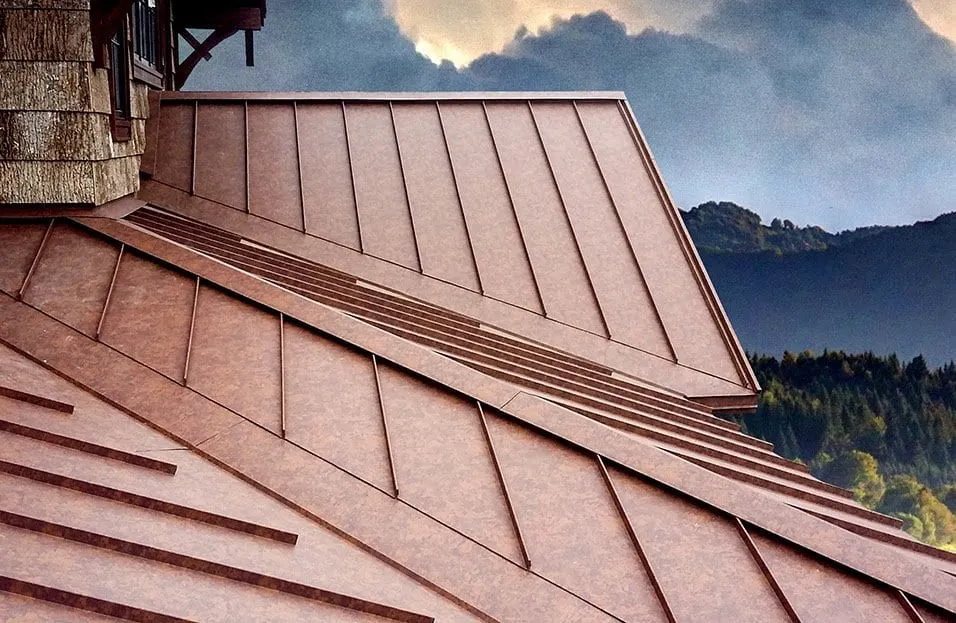
Metal roofing is one of the fastest-growing roofing choices among Georgia homeowners, and yet it carries more persistent myths than almost any other roofing material. Myths about noise, lightning, rust, heat, and cost have kept homeowners from seriously evaluating a roofing system that, in most cases, outperforms the asphalt shingle alternative in nearly every meaningful category over a 30-year ownership period. Some of these myths trace back to the corrugated tin barns and sheds of previous generations. Others come from partial truths that have been exaggerated and passed along. Almost none of them apply to the modern metal roofing systems installed on residential homes in Watkinsville, Hiawassee, and communities throughout North Georgia today. This guide names each myth clearly, explains where it came from, and replaces it with the accurate information homeowners deserve before making one of the most consequential home improvement decisions they will face.
Myth 1: A Metal Roof Will Make Your House Hotter
Myth
Metal roofs make your house hotter in the summer because metal heats up in the sun.Fact
Metal roofs make your house cooler, not hotter, and this is one of metal roofing’s most significant and well-documented advantages for Georgia homeowners. The confusion comes from confusing the surface temperature of the material with the temperature it transfers into the home. While metal does reach high surface temperatures in direct sun, what matters is how much of that heat it transfers into the building below, and metal transfers very little because of its high reflectivity and thermal emittance. According to DECRA, metal roofs can reflect as much as 70% of the sun’s energy back into the atmosphere, while asphalt shingles absorb the majority of solar energy they receive and conduct it directly into the roof deck, attic, and living spaces below.
According to the Florida Solar Energy Center as cited by HowStuffWorks, asphalt shingles absorb so much heat that it streams into the structure and can increase indoor temperatures by 20 to 25 degrees. According to State Farm, a metal roof can save a homeowner around 40% on energy costs in the right climate, with warmer locations finding that pre-painted or granular-surfaced options re-emit up to 90% of solar radiation. According to Western States Metal Roofing, one study funded by the U.S. Department of Energy showed an annual savings of 25% on cooling costs for homes with metal roofing. For homeowners in Watkinsville and Hiawassee where air conditioning runs from April through October, the cooling savings from a metal roof are real, measurable, and accumulate year over year for the full 40 to 70-year life of the installation.
Myth 2: Metal Roofs Are Extremely Loud in Rain and Hail
Myth
Living under a metal roof means listening to loud drumming every time it rains.Fact
The noise myth is the most emotionally vivid of all the metal roofing misconceptions and traces directly to the old corrugated tin agricultural roofs that covered barns and sheds, installed directly over open framing with no solid decking, insulation, or interior ceiling below. That installation produced the loud rain sound everyone remembers. Modern residential metal roofing is installed over solid plywood or OSB sheathing, with an underlayment layer between the deck and the metal panels, and with a finished interior ceiling and insulation below the roof deck. According to Werner Roofing, modern metal roofs are installed with solid sheathing and insulation that significantly reduces noise, with these layers acting as sound barriers that absorb and dampen the sound of rain and hail. According to JD Metals, studies have shown that the sound levels of rain on a properly installed metal roof are comparable to those of asphalt shingles or clay tiles.
The comparison point matters: you are not comparing a modern standing seam metal roof on a house to itself in ideal silence. You are comparing it to asphalt shingles in the same rain event. Both systems have the same interior ceiling, the same insulation, and the same basic building assembly between the roof surface and the bedroom where you are sleeping. When those systems are equivalent, the roof surface material produces a difference in indoor rain noise that most occupants cannot perceive. According to GAF, when properly installed, metal roofs can be quieter than traditional asphalt shingles. For homeowners in North Georgia who are still concerned, specifying a high-quality underlayment and confirming that the attic insulation meets or exceeds R-38 as part of the metal roofing project eliminates any remaining noise difference between systems.
Myth 3: Metal Roofs Attract Lightning
Myth
A metal roof increases the chance your home will be struck by lightning during a thunderstorm.Fact
Metal roofs do not attract lightning, and this myth is the result of confusing electrical conductivity with electromagnetic attraction. Metal is a conductor, meaning it carries electricity well once electricity is applied to it. But lightning is not drawn to conductors as such. Lightning seeks the path of least resistance to the ground, and that path is determined primarily by height and geometry, not material. Tall trees, telephone poles, and elevated structures are struck far more frequently than homes with metal roofs, regardless of what those homes are roofed with. According to the Metal Construction Association, metal roofing does not increase the likelihood of a lightning strike. According to Red Bird Roofing, if your neighbor’s house is taller than yours, lightning will be more likely to strike their house than yours regardless of the type of roof either house has.
Beyond not attracting lightning, metal roofing is actually the safer roofing material when a strike does occur. When lightning strikes a metal roof, the energy disperses across the entire conductive surface and moves to ground quickly, releasing without creating intense localized heat. When lightning strikes a non-conductive material like asphalt shingles, the energy discharges at the point of impact with high resistance, generating extreme heat at that location, which creates a serious risk of fire. According to DECRA, metal is non-combustible and provides the lightning strike with a direct path to the ground outside the home, functionally similar to how a lightning rod works. For homeowners in Watkinsville and Hiawassee where afternoon thunderstorms occur throughout the spring and summer, a metal roof is not just equivalent in safety to shingles during a lightning event. It is demonstrably safer, because fire cannot ignite on a non-combustible surface.
Myth 4: Metal Roofs Rust Quickly
Myth
Metal roofs will rust within a few years of installation.Fact
The rust myth comes from the same source as the noise myth: old corrugated tin agricultural roofing, which was uncoated, unprotected, and often decades old before anyone thought to replace it. Modern residential metal roofing is a fundamentally different product. According to Werner Roofing, today’s metal roof materials are bonded with a galvanized coating formed from advanced alloys to resist rusting, then painted with special roofing paint made to withstand the effects of weathering. According to Red Bird Roofing, the sheets have a protective coating of zinc or a zinc-aluminum alloy specifically meant to ensure the roof does not rust, and the only time you need to worry about rusting is when the sheets get damaged to the point where the underlying steel is exposed, which is a much smaller concern with modern metal roofing than with asphalt shingles that can be compromised by moderate wind and hail.
The specific materials used in modern metal roofing are selected precisely for their corrosion resistance. According to Werner Roofing, galvanized steel is coated with zinc to protect against corrosion, aluminum naturally resists corrosion without additional coatings, and copper develops a protective patina that prevents corrosion while giving the roof a distinctive long-term appearance. Premium products use coatings like Kynar 500 and Hylar 5000, which Werner Roofing notes provide an extra layer of protection against the elements, ensuring the roof remains rust-free for decades. For homeowners in the Hiawassee area where the higher elevation brings more moisture exposure through fog, rain, and occasional snow, specifying a galvalume steel or aluminum panel system with a factory-applied Kynar coating is the appropriate product selection for a metal roof that will not show rust through its full 50-plus year service life.
Myth 5: Metal Roofing Is Only for Barns and Industrial Buildings
Myth
Metal roofs look industrial and do not suit residential homes.Fact
Modern residential metal roofing encompasses a wider range of profiles, textures, colors, and architectural styles than any other roofing category. The product range available today includes standing seam panels in dozens of colors, metal shingles that replicate the texture and profile of traditional asphalt shingles, stone-coated steel tiles that mimic the appearance of clay tile, shake-profile metal panels that match the look of cedar wood shakes, and slate-profile metal panels that replicate natural slate at a fraction of the weight and cost. According to Bob Vila, metal comes in a spectrum of colors and finishes, and in shingle, slate, and shake styles, noting that you can likely get the look you want from metal. According to Today’s Homeowner, raw metal roofing materials like copper and stainless steel are beautiful on their own, while modern coated systems closely match high-end roofing styles including slate and shake.
According to GAF, metal roofing currently comprises roughly 18% of the total residential roofing market in the United States and that share continues to grow as more homeowners discover that the visual range of available products extends far beyond the corrugated agricultural panels that defined the category for previous generations. For homeowners in the Watkinsville historic district or the residential mountain communities around Hiawassee where architectural character matters and neighborhood compatibility is a consideration, modern metal roofing profiles exist that are fully appropriate to traditional Southern architecture, craftsman bungalows, mountain lodge styles, and contemporary designs alike. The single most effective way to evaluate whether metal roofing suits your specific home is to look at photos of completed metal roofing projects on homes with similar profiles in the local area, which a qualified local roofing contractor can readily provide.
Myth 6: Metal Roofs Are Too Expensive
Myth
Metal roofing costs too much and is not worth the investment for most homeowners.Fact
Metal roofing costs more than asphalt shingles to install, and there is no myth in that statement. The myth is the conclusion that this makes metal too expensive. Cost is only meaningful when evaluated over the full ownership period, and when the full period is evaluated, metal roofing is almost always the lower-cost option for homeowners who plan to stay in their homes for 15 or more years. A standard asphalt shingle installation on a Watkinsville home costs approximately $10,000 to $16,000 and lasts 20 to 25 years. A metal roof installation on the same home costs approximately $20,000 to $36,000 and lasts 40 to 70 years. Over a 50-year period, the shingle roof requires two to three replacements, with each replacement costing more than the previous one due to material and labor inflation, while the metal roof requires zero replacements and minimal maintenance.
According to Western States Metal Roofing, after about 15 years of ownership, a metal roof is actually 50% cheaper than asphalt shingles when total lifecycle costs are compared. The ongoing savings from reduced energy bills, lower insurance premiums (the Metal Roofing Alliance documents discounts of up to 35% from some carriers), lower maintenance costs, and the elimination of repeated replacement cycles all compound over the metal roof’s service life in ways that make the upfront cost premium a sound financial investment. According to DECRA, the strength and style of a new metal roof can increase home value by up to six percent. For homeowners in the Watkinsville and Hiawassee areas who are evaluating their roofing options with a long-term ownership perspective, the question is not whether metal costs more up front. It does. The question is whether you want to pay that cost once or several times across the same ownership period, at prices that will be higher each time.
Myth 7: Metal Roofs Are Too Heavy for Residential Structures
Myth
Metal roofing is too heavy and will strain or damage the home’s structural framing.Fact
Metal roofing is actually the lightest residential roofing material available, and the weight myth is the exact opposite of reality. According to Werner Roofing, metal roofs are around 50% lighter than a standard asphalt roof, making metal the most lightweight roofing option available. According to JD Metals, metal roofing typically weighs between 1 to 3 pounds per square foot, while asphalt shingles weigh around 2 to 5 pounds per square foot, and concrete tiles can weigh up to 10 pounds per square foot. The lighter weight of metal is what makes it routinely possible to install metal roofing directly over an existing layer of asphalt shingles without removing the old roof first, a practice known as a re-roof or overlay, which is only feasible because the total weight of old shingles plus new metal panels is still within acceptable structural limits for most residential framing.
The weight advantage of metal roofing is particularly meaningful for older homes, homes in areas with heavy snow loads, and homes with roof structures that have experienced any prior moisture-related deterioration. A lighter roof system places less chronic stress on rafters, trusses, and wall plates over the decades of its service life, which is a structural benefit that compounds over time. According to RoofClaim, metal roofing is a lightweight material that is easy for contractors to carry and install onto a property without causing impact damage to the roof’s structure and that this light material will not apply too much pressure to the top of the house to cause frame damage. For homeowners in Hiawassee who have mountain homes with older or less robust structural systems, the weight advantage of metal over competing materials like concrete tile or even thick architectural shingles is a meaningful selection factor.
Myth 8: Metal Roofs Cannot Be Installed Over Existing Shingles
Myth
You always have to tear off the old shingles before a metal roof can be installed.Fact
Metal roofing can in many cases be installed directly over an existing layer of asphalt shingles, which reduces project cost by eliminating tear-off labor and disposal fees, reduces project disruption and duration, and provides an additional layer of insulation and sound dampening between the existing shingles and the new metal panels. According to Werner Roofing, often when homeowners need their home re-roofed but do not want to tear off their old asphalt roof, a metal roof is installed on top of the existing roof. The specific requirements are that only one existing layer of shingles is present (most jurisdictions allow maximum two layers total but require tear-off when that limit is reached), that the existing deck and framing are structurally sound without soft spots or damage, and that the local building code permits the overlay approach.
The installation method matters for how the metal-over-shingles system performs over time. According to experienced contractors, installing metal over shingles with 2×4 furring strips to create a ventilated air gap between the panels and the old roofing material is the preferred approach because it prevents moisture accumulation, allows the deck to breathe, and accommodates the thermal expansion and contraction of the metal panels above without creating fastener stress. For homeowners in Watkinsville and Oconee County considering a metal roofing project, asking the contractor whether a tear-off or overlay approach is more appropriate for your specific roof condition, and what the cost difference is between the two approaches, is a useful planning question that can significantly affect the total project budget. A licensed local metal roofing contractor will inspect the existing deck condition and advise on which approach is both code-compliant and structurally appropriate for your home.
Myth 9: Metal Roofs Dent Badly in Hail
Myth
Hail will dent a metal roof and ruin its appearance permanently.Fact
This myth contains a kernel of truth that has been significantly overstated. It is accurate that softer metals like aluminum and copper can show cosmetic denting from very large hailstones or falling branches, and for this reason softer metal products are generally not recommended for regions with frequent severe hail events. However, steel metal roofing panels, which are the most common residential metal roofing material, are significantly more impact-resistant than asphalt shingles and are available in Class 4 impact ratings, which is the highest impact resistance rating under UL 2218 testing standards. According to Today’s Homeowner, hail that would dent or crack asphalt shingles bounces harmlessly off metal roofing panels. According to GAF, modern metal roofing is tested and proven to withstand damage from falling objects including hailstones.
The distinction between cosmetic and structural damage is critical for homeowners evaluating this concern. According to New View Roofing, minor dents rarely affect the roof’s performance, and in most cases insurance covers hail-related damage to metal roofs. A small cosmetic dent in a steel panel does not create a leak, does not compromise the structural integrity of the panel, and does not shorten the roof’s service life. The same hail impact on an asphalt shingle, by contrast, fractures the fiberglass mat beneath the granule surface, compromises the shingle’s waterproof barrier, and accelerates the degradation that leads to premature failure. For homeowners in Oconee County and Towns County where spring and summer thunderstorms regularly produce hail, specifying 24-gauge or heavier steel panels with a Class 4 UL 2218 impact rating gives the best combination of cosmetic and structural protection from hail events that characterize North Georgia weather.
Myth 10: Metal Roofs Are Not Suitable for Low-Slope Roofs
Myth
Metal roofing only works on steeply pitched roofs and cannot be used on low-slope applications.Fact
Metal roofing is one of the most versatile materials available across the full range of roof pitches, from very low slope to very steep, and certain metal systems are specifically engineered for low-slope applications where asphalt shingles cannot be used. Standing seam metal roofing can be installed on pitches as low as one-quarter inch per foot of run, which is at the low-slope boundary, making it appropriate for shallow-pitched additions, sunrooms, covered porches, and commercial sections of residential properties where asphalt shingles would require a minimum of 3:12 pitch to perform correctly. According to US Vintage Wood, standing seam metal roofs can go as low as 1/4:12 provided proper underlayment and sealing are used, complying with International Building Code standards.
For standard residential pitched roofs in the 3:12 to 12:12 range, metal roofing performs excellently at every pitch, with steeper pitches shedding snow and rain more quickly and flatter pitches still functioning correctly because the panel seam design of standing seam metal manages water at very low flow rates. The versatility of metal across the full pitch spectrum is one of the reasons it is now used across a wider range of building types than any other roofing material category. For homeowners in Watkinsville or Hiawassee with mixed-pitch roofs where one section is a low-slope addition and another section is a standard-pitch main structure, metal roofing is the most practical single-system solution that can perform correctly on both sections without requiring two different roofing materials.
Myth 11: Metal Roofing Requires Constant Maintenance
Myth
Metal roofs need as much ongoing maintenance as asphalt shingles, if not more.Fact
Metal roofing requires less ongoing maintenance than any standard asphalt shingle system and is among the lowest-maintenance roofing materials in residential use. Asphalt shingles require annual inspection for granule loss, cracking, curling, lifted tabs, and algae growth. They require periodic re-caulking at penetrations and flashings as the sealant degrades, and they require prompt replacement of individual damaged shingles after wind or hail events because each missing or cracked shingle creates a specific leak risk that compounds with each rain event. Metal roofing does not lose granules, does not curl or crack with age, does not grow algae, and does not experience the seal strip failures that cause shingle tabs to lift in wind. According to North American Roofing, regular maintenance for a metal roof includes inspecting for loose fasteners, cleaning debris from the roof and gutters, and checking for rust or damage, and these routine steps are sufficient to keep the roof in peak condition.
The primary maintenance items specific to exposed-fastener metal panels are periodic fastener inspection and tightening, because the rubber washers on exposed screws compress and weather over time and may require replacement to maintain their waterproof seal, typically at 10 to 15-year intervals. Standing seam metal roofs, which use concealed fasteners, have an even lower maintenance profile because the fastener system is not exposed to UV or thermal cycling. For homeowners in Watkinsville and Hiawassee who have spent years replacing individual shingles after storms, resealing flashings, and scheduling multiple repair calls per decade on aging asphalt roofs, the practical maintenance experience under a properly installed metal roof is a dramatic improvement in time, disruption, and ongoing cost.
Myth 12: Metal Roofs Lower Home Value
Myth
Buyers do not want metal roofs and installing one will hurt your home’s resale value.Fact
Metal roofing adds measurable and documented value to residential properties. According to DECRA, the strength and style of a new metal roof can increase home value by up to six percent. According to Rockland Builders, a metal roof installation, especially standing seam metal, adds noticeable curb appeal and increases resale value, and one client reported that merely mentioning they had a metal roof allowed them to skip a standard home inspection step during their sale because the roof’s condition was considered a non-issue. The metal roof’s 40-to-70-year service life removes the most common deferred-maintenance objection that buyers and lenders raise in residential purchase negotiations: the cost and disruption of a looming roof replacement. A buyer who knows the roof will not need replacing during their ownership period values that certainty and reflects it in their willingness to pay asking price rather than negotiating a deduction.
The concern that metal roofing looks too industrial or unusual for a residential neighborhood is addressed by the modern product range discussed earlier in this guide. A metal shingle, stone-coated steel tile, or standing seam installation in a color and profile appropriate to the home’s architecture is not a liability in any Georgia residential real estate market. For homes in Watkinsville’s historic areas or the mountain residential communities around Hiawassee where buyers actively value quality, permanence, and low-maintenance ownership, a well-chosen metal roof in the right profile is a selling point that differentiates the property from comparable homes with aging asphalt shingle systems.
Myth 13: Any Roofer Can Install a Metal Roof
Myth
Metal roofing installation is the same as shingle installation, and any roofer can handle it.Fact
Metal roofing installation requires specialized knowledge, tools, and experience that most residential roofing contractors who primarily install asphalt shingles do not have. The specific technical requirements that differ from shingle installation include: understanding and accounting for thermal expansion and contraction of metal panels across large temperature ranges, which requires specific fastener types, placement patterns, and clearances; heat-welding or precision seaming of panel joints on standing seam systems; proper flashing fabrication and installation at all transitions, valleys, and penetrations, which differs significantly from shingle flashing; and correct panel-to-panel alignment and overlapping to ensure water sheds correctly across the full roof surface. According to Roof Maxx, metal roofing requires specialized skills to install correctly, noting that this makes it more complex and labor-intensive than traditional roofing materials and that improper installation can compromise the roof’s integrity and longevity.
The consequences of improper metal roofing installation are not always immediately visible but become apparent within a few years as panel oil-canning develops from improper fastening, as fasteners back out from incorrect spacing on thermally cycling panels, or as seam failures develop at poorly formed joints. These failures are expensive to diagnose and correct because determining the root cause often requires removing panels to inspect the fastener system below. For homeowners in Watkinsville and Hiawassee considering a metal roofing project, verifying that the contractor has completed multiple documented metal roofing installations in the local area, can provide references from those projects, holds manufacturer certification for the specific product being installed, and carries current Georgia contractor’s license and insurance is not optional due diligence. It is the minimum qualification standard for a project that is designed to last 50 years or more.
Metal Roofing Myth vs. Fact Summary
| Myth | What Is Actually True | Source |
|---|---|---|
| Metal roofs make houses hotter | Reflect up to 70% of solar energy; reduce cooling costs up to 25% | DECRA; U.S. Department of Energy / State Farm |
| Metal roofs are extremely noisy in rain | Modern systems over solid sheathing are comparable to asphalt in indoor noise | Werner Roofing; JD Metals; GAF |
| Metal roofs attract lightning | Do not increase strike likelihood; safer when struck due to non-combustibility | Metal Construction Association; Red Bird Roofing; DECRA |
| Metal roofs rust quickly | Modern galvanized, galvalume, and aluminum systems resist rust for 50+ years | Werner Roofing; Red Bird Roofing; JD Metals |
| Metal roofs only suit barns | Available in shingle, shake, slate, and tile profiles to suit any home style | Bob Vila; GAF; Today’s Homeowner |
| Metal roofs are too expensive | After 15 years of ownership, metal is 50% cheaper than repeated shingle replacement | Western States Metal Roofing; Metal Roofing Alliance |
| Metal roofs are too heavy | Metal weighs 1–3 lbs/sq ft vs. shingles at 2–5 lbs/sq ft; lightest roofing available | Werner Roofing; JD Metals; RoofClaim |
| Always requires full shingle tear-off | Can often be installed over one existing shingle layer with furring strips | Werner Roofing; Building Code IRC |
| Hail destroys metal roofs | Class 4 steel panels are hail-resistant; cosmetic dents do not affect performance | Today’s Homeowner; GAF; New View Roofing |
| Not suitable for low-slope roofs | Standing seam works as low as 1/4:12; lowest pitch of any residential system | US Vintage Wood; IBC Standards |
| Requires constant maintenance | Lowest maintenance of standard residential roofing categories | North American Roofing; Werner Roofing |
| Metal roofs lower home value | Can increase home value up to 6%; removes largest buyer deferred-maintenance objection | DECRA; Rockland Builders |
| Any roofer can install metal | Requires specialized training, tools, and certification for correct installation | Roof Maxx; Today’s Homeowner |
Sources: DECRA, Werner Roofing, JD Metals, GAF, Metal Construction Association, Red Bird Roofing, Bob Vila, Today’s Homeowner, Western States Metal Roofing, Metal Roofing Alliance, JD Metals, Roof Maxx, Rockland Builders, RoofClaim, State Farm, US Vintage Wood, North American Roofing, New View Roofing
Frequently Asked Questions
Is metal roofing a good choice for homes in Watkinsville, GA?
Yes, metal roofing is an excellent choice for most homes in Watkinsville. Georgia’s long, hot summers make the energy savings from metal’s solar reflectance real and ongoing, the active spring and summer storm season makes the superior wind and hail resistance of Class 4 steel panels a meaningful protection advantage over standard asphalt shingles, and the humid climate makes metal’s resistance to algae growth and moisture-related deterioration a significant durability advantage over asphalt that begins losing granules and developing algae discoloration in as few as seven years. The combination of energy savings, insurance premium discounts of up to 35% according to the Metal Roofing Alliance, and elimination of the repeated replacement cycle that characterizes asphalt shingle ownership creates a compelling total cost of ownership case for homeowners who plan to stay in their Watkinsville homes for 15 or more years.
Does a metal roof make sense for a mountain home in Hiawassee, GA?
Metal roofing is particularly well-suited to the North Georgia mountain climate around Hiawassee for several reasons beyond the standard metal roofing advantages. The higher elevation in Towns County brings greater snowfall and ice accumulation during winter events, and metal roofing’s smooth surface sheds snow more quickly than textured asphalt shingles, reducing the snow load duration on the roof structure. Metal is also the most effective roofing material at preventing ice dam formation when paired with the correct attic insulation, air sealing, and ventilation system, because the uniformly cold surface does not create the warm-upper-roof, cold-eave temperature differential that ice dams require. The surrounding hardwood forests in the Hiawassee area produce significant organic debris that accelerates algae and moss growth on asphalt shingles, while metal roofs resist biological growth throughout their service life without requiring annual treatment. A standing seam metal roof in a profile appropriate to the mountain residential architecture of Towns County is both a practical and financially sound choice for long-term mountain homeowners.
How do I choose between standing seam and metal shingles for my home?
Standing seam metal roofing uses concealed fasteners integrated into the panel seam, which makes it the highest-performance and lowest-maintenance metal system available and the best choice for long-term ownership, steep or complex roofs, and any application where maximum weather resistance is the priority. Metal shingles or stone-coated steel tiles use exposed fasteners and have a lower profile that more closely resembles traditional asphalt shingles or tile, making them the better aesthetic choice for homeowners who want the performance of metal but a more conventional visual appearance that blends with their neighborhood. Metal shingles typically cost somewhat less than standing seam because the panels are smaller and the installation is less labor-intensive. For most residential homes in Watkinsville and Hiawassee, a discussion with a licensed metal roofing contractor about your specific roof pitch, complexity, aesthetic priorities, and budget will quickly narrow down which system is the better fit for your specific situation.
Will a metal roof void my home warranty or HOA guidelines?
Metal roofing does not affect standard home warranties in any way. The question of HOA guidelines is legitimate and worth checking before committing to a metal roofing project: some homeowners associations in Georgia specify approved roofing materials and color palettes, and some older HOA documents were written before metal shingles were available in profiles that match traditional residential aesthetics. According to Bob Vila, for a home in an HOA community an asphalt shingle may be the only approved roofing option. If you are subject to HOA restrictions, reviewing the current CC&R documents and confirming with your HOA board whether metal roofing is permitted before signing a roofing contract is an important pre-project step. Modern metal shingle and stone-coated steel products are so visually similar to traditional materials that many HOAs that previously restricted metal have updated their guidelines when homeowners presented specific product samples and photos of completed installations in comparable neighborhoods.
How long does a metal roof actually last in North Georgia?
A properly installed residential metal roof in North Georgia should last 40 to 70 years with minimal maintenance, and many quality installations significantly exceed that range. According to State Farm, metal roofs can last between 40 to 80 years depending on the material. Steel standing seam systems with Kynar paint finishes are routinely warranted for 40 years on the paint finish alone, with the structural system expected to outlast the paint warranty by decades. The specific factors that affect metal roof longevity in North Georgia are UV exposure intensity over the long warm season, thermal cycling from summer heat to winter cold, the frequency and severity of storm events, and the quality of the original installation. A metal roof installed by an experienced, certified contractor using quality panels and proper flashing details on a well-ventilated roof system will deliver the full upper end of its rated lifespan in Georgia’s climate. The single most important longevity factor after material quality is installer experience, which is why verifying a contractor’s specific metal roofing track record before signing a contract is the most valuable due diligence step available to any homeowner.
Is it true that metal roofs lower insurance costs in Georgia?
Yes, metal roofs often reduce homeowners insurance premiums in Georgia, and the savings can be substantial. According to the Metal Roofing Alliance, a metal roof can lower homeowner’s insurance premiums by up to 35%. The premium reduction reflects metal’s non-combustible fire rating, superior wind and hail resistance compared to asphalt shingles, and the documented lower claim frequency for metal-roofed homes compared to shingle-roofed homes in the same storm exposure zones. For Georgia homeowners in the hail-active Piedmont corridor around Watkinsville or the wind and ice-exposed mountain communities around Hiawassee, the storm resistance profile of a Class 4 impact-rated metal roof is directly relevant to the insurer’s risk assessment. The practical step is calling your specific carrier before signing a roofing contract and asking what discount they offer for a metal installation at your address, and whether there is a specific impact resistance rating or product certification required to receive the maximum available discount.
inal Thoughts
Metal roofing myths are stubborn because they have clear, emotionally vivid origins: the loud barn roof, the old rusty farm building, the lightning rod. None of those images describe the standing seam steel or stone-coated metal shingle systems installed on Georgia homes in 2025 and 2026. Modern residential metal roofing is quieter than shingles in identical installation conditions, safer in lightning than non-combustible shingles, rust-resistant for 50 or more years, available in profiles that match any residential architectural style, lighter than asphalt by a significant margin, and the most cost-effective roofing material per year of service life for homeowners who plan to stay in their homes. Getting accurate information about what metal roofing actually is, rather than what it was or what people believe it to be, is the first step toward making a roofing decision that serves the home well for decades.
If you have questions about metal roofing for your home in Watkinsville, Hiawassee, or the surrounding communities in Oconee County and Towns County, the team at Ridgeline Roofing and Exteriors installs both metal roofing and asphalt shingle systems and will give you honest guidance on which material makes more sense for your specific home, budget, and ownership plans. We do not push one system over the other. We help you understand both.
Explore our metal roofing services in Watkinsville and schedule a free assessment to see what a metal roof would cost and perform like on your specific home.