Skip to content
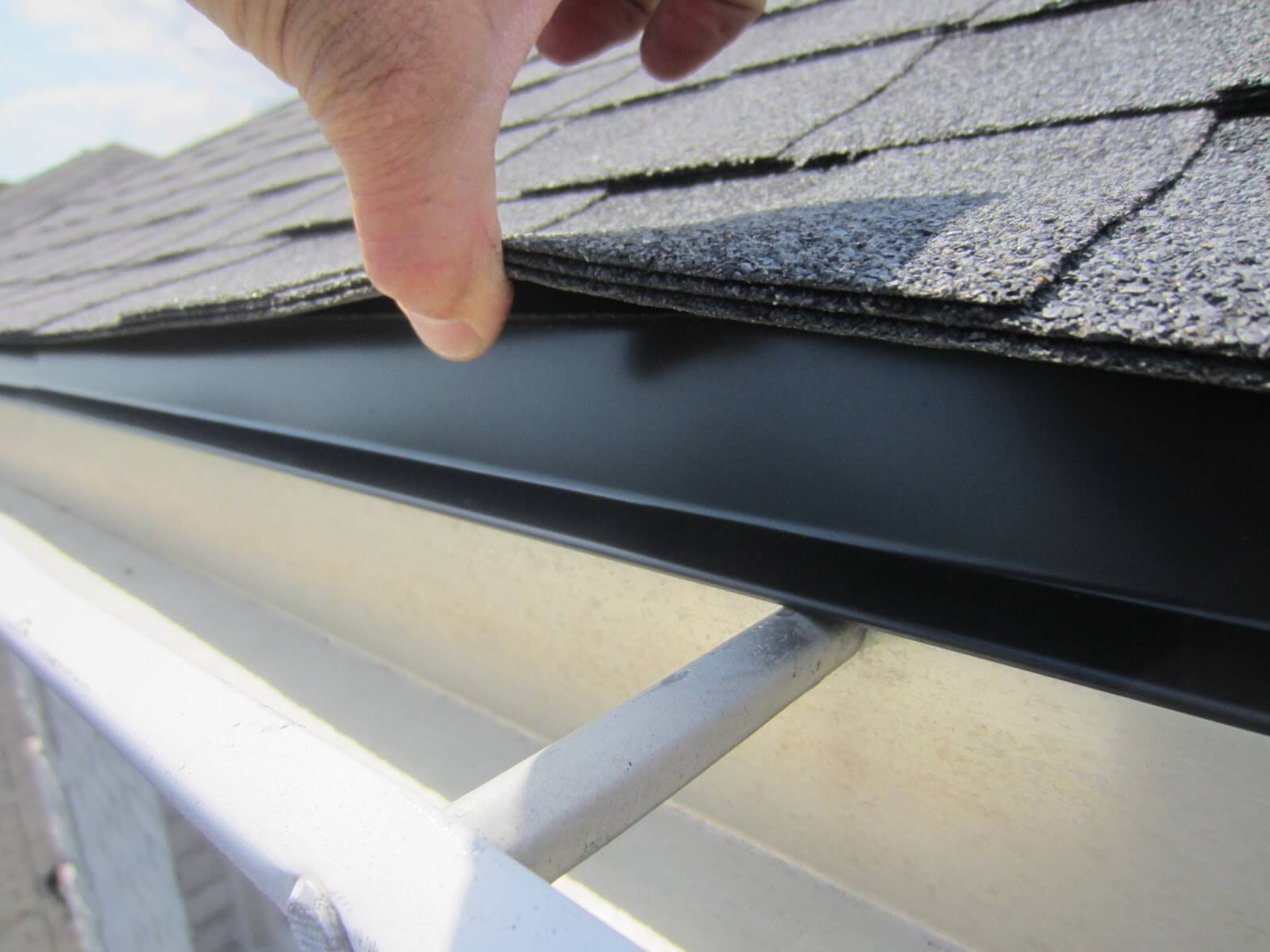
A drip edge is a thin strip of metal flashing installed along the eaves and rakes of a roof to direct water away from the fascia and into the gutters. Yes, your roof needs one. According to Section R905.2.8.5 of the International Residential Code, a drip edge is required on all asphalt shingle roofs at both the eave edge and the rake edge. Without a drip edge, water clings to the roof edge by surface tension and travels backward behind the gutters, where it rots the fascia boards, saturates the roof decking, and eventually causes interior water damage. Viking Contractors notes that water damage affects approximately 14,000 people in the United States daily, and a properly installed drip edge is one of the simplest and most cost-effective defenses against it. For homeowners in Watkinsville and Hiawassee, where Georgia’s heavy annual rainfall and active storm season create constant pressure on every roof edge, a drip edge is not a detail to skip.
Is a Drip Edge on a Roof Necessary?
Yes, a drip edge on a roof is necessary. According to Section R905.2.8.5 of the International Residential Code, a drip edge is required on all asphalt shingle roofs at both the eave edge and the rake edge. This requirement was added to the 2012 IRC and has been in every edition since, including the current 2021 IRC. Building Code Trainer confirms that this requirement covers all asphalt shingle roofs and that the IRC mandates the drip edge extend at least one quarter inch below the roof sheathing and back onto the roof deck at least two inches, fastened with approved fasteners at no more than 12 inches on center.
Beyond code compliance, a drip edge is necessary because of what happens without one. Angi explains that without a drip edge, water gets behind gutters and rots the roof decking and fascia board. According to This Old House, without a drip edge rainwater can drip behind the gutters and run down the fascia into the soffit boards, causing water damage to wooden structures and roofing underlayments and shortening the roof’s lifespan regardless of material type. In Georgia’s climate, where Watkinsville receives over 50 inches of rain annually and the mountain area around Hiawassee sees even more, this protection is not theoretical. Every significant rain event tests the drip edge.
How Much Does It Cost to Replace a Drip Edge on a Roof?
A drip edge costs $1.50 to $3.00 per linear foot installed during a roof replacement, or $150 to $600 on average for a standard residential roof, according to HomeGuide. Installing a drip edge on an existing roof costs significantly more at $5 to $9 per linear foot, because the contractor must remove the bottom row of shingles, install the drip edge correctly, and then reinstall the shingles. According to Best Roof Help, a retrofitted drip edge on an existing roof can run $5 to $9 per linear foot compared to $1.50 to $3.00 per linear foot when included in a full roof replacement.
Material costs alone run $0.50 to $1.00 per linear foot for standard aluminum or galvanized steel, and up to $3.50 to $7.50 per linear foot for copper, according to This Old House. For a typical 2,000 square foot home requiring approximately 200 to 250 linear feet of drip edge, materials alone run $300 to $700 according to Best Roof Help, with labor on top. The financial lesson is clear: the most cost-effective time to install or replace a drip edge is during a full roof replacement, when the work is folded into the overall project at minimal added cost. A drip edge installed as a standalone retrofit on an existing roof is three to five times more expensive for the same amount of linear footage.
What Does a Roof Drip Edge Look Like?
A roof drip edge looks like a thin, bent strip of metal that runs along the lower edges and sloped edges of the roof. From the outside of a completed roof, it is largely invisible because shingles overhang it slightly and gutters attach below it. When visible at the eave line before gutters are installed, it appears as a narrow angled metal strip with one flat section lying against the roof deck and another section angled down over the face of the fascia board. The visible leg is typically one to two inches wide, painted or bare metal, and runs continuously along every roof edge.
Today’s Homeowner notes that Type F drip edge, also called T-style, is the most popular for pitched residential roofs. It has an extended lower flange that directs water out and away from the fascia and cleanly into the gutter channel. Type C, also described as L-style, is the simplest profile and is appropriate for roofs without prominent fascia boards. All three types accomplish the same water-directing function; the visual difference between them is subtle and mainly matters to contractors and to homeowners who want a specific aesthetic at the eave line.
Do All Roofers Install Drip Edge?
No, not all roofers install drip edge on every project, and this is one of the most common installation shortcut issues homeowners encounter. According to Today’s Homeowner, drip edge is replaced during a roof replacement as standard practice in a quality installation, but some contractors skip it to reduce time and material costs, particularly on replacement projects where the old drip edge was inadequate or missing and replacing it requires removing and reinstalling the bottom course of shingles. Because the drip edge is largely hidden once the roof is complete, the omission may not be discovered until water damage appears at the fascia or soffit.
The best way to ensure your contractor installs a proper drip edge is to ask about it explicitly before signing any proposal. A reputable licensed contractor in the Watkinsville and Hiawassee areas will include drip edge installation as a standard line item on every roof replacement proposal without being asked. If a proposal does not mention drip edge, ask whether it is included and what type will be used. A contractor who cannot answer that question clearly is not someone you want installing your roof.
What Is the Alternative to Drip Edge?
The only real alternative to a drip edge is extending the shingles themselves significantly past the roof edge so that water drips off the shingle tab rather than running back toward the fascia. Most shingle manufacturers allow this as an alternative installation method when drip edge is not used, specifying that shingles must extend a minimum of three quarters of an inch to one inch past the eave edge to direct water away. However, this method is less reliable than drip edge because overhanging shingles are more susceptible to wind uplift, can drip water inconsistently without directing it into the gutter, and do not protect the gap between the roof deck and fascia from pest entry.
According to the 2012 IRC change documentation from the ICC, a drip edge provides additional support for shingles at the roof perimeter, minimizes curling, and directs water away from fascia and rake trim in a way that shingle overhang alone does not fully replicate. For homes in North Georgia that experience regular high-wind events and significant rainfall, relying on shingle overhang alone is an inferior alternative that a licensed contractor would not recommend. Drip edge is the code-compliant, manufacturer-supported, and professionally endorsed solution.
How to Tell If a Roofer Is Lying
You can tell if a roofer is lying if their written proposal does not itemize specific components like drip edge, underlayment type, and starter strip shingles; if they cannot explain why each component is included or excluded; if they describe damage you cannot independently verify with photos; or if they recommend immediate full replacement without itemized documentation of every deficient finding. In the context of drip edge specifically, an unscrupulous contractor might tell you drip edge is optional, unnecessary, or already installed when it is not, to save the time and material cost of proper installation. A homeowner who asks directly about drip edge and gets a vague or dismissive answer has learned something important about that contractor’s standards.
A trustworthy contractor in the Watkinsville or Hiawassee area will specify the drip edge type and material in their proposal, explain how it will be installed relative to the underlayment, and point to the applicable building code requirement if asked. These are not obscure details. They are basic components of a professional installation that any experienced roofer should be able to discuss clearly and specifically.
Can You Replace Drip Edge Without Replacing Shingles?
Yes, you can replace drip edge without replacing shingles, but it is difficult, more expensive, and less effective than replacing it during a full shingle replacement. According to Best Roof Help, retrofitting drip edge onto an existing roof requires removing the bottom row of shingles, installing the drip edge correctly, and reinstalling the shingles, which increases the per-linear-foot cost to $5 to $9 compared to $1.50 to $3.00 when done as part of a full replacement. The reinstalled shingles may also be more prone to curling or adhesion issues depending on their age and condition when removed.
The F-style drip edge, also called a gutter apron, is specifically designed to be installed on an existing roof without full shingle removal. Its extended top flange slides up under the existing shingles far enough to create a functional water-directing profile. According to Angi, the F-style is recommended when adding drip edge to an existing roof because its long top edge makes it easier to install over shingles without requiring full removal. This is the most practical option for homeowners who discover their roof was installed without a drip edge and want to add protection without replacing the entire roof.
What Time of Year Is the Cheapest to Replace a Roof?
The cheapest time of year to replace a roof is late fall through early winter, from November through February in Georgia. According to Angi, scheduling a shingle roof installation during a contractor’s off-season can save 5% to 15% on total project cost. In the Watkinsville area and around Hiawassee in Towns County, storm season keeps roofing crews at capacity through summer and fall. Planning a full roof replacement, including new drip edge installation, in the winter months often means better scheduling availability and more competitive pricing from licensed local contractors.
Any roof replacement project that includes new drip edge, as all quality replacements should, benefits from this seasonal timing. The drip edge installation itself is a minor cost relative to the overall project, but every dollar saved on the larger project matters. And a winter installation gives you a fully code-compliant roof with new drip edge in place before the next Georgia storm season begins testing it.
What Are the Signs of Damaged Drip Edge?
The signs of damaged drip edge are rust staining or visible corrosion along the roof eave line, water stains on the fascia board below the roof edge, paint peeling or discoloration on the fascia specifically at the eave and gable ends, gutters pulling away from the fascia due to wood rot weakening the attachment point, and in severe cases visible sagging or deterioration in the soffit boards below the eave. These signs indicate that water has been getting behind the gutter system and contacting the wood components it was never meant to reach.
A damaged or missing drip edge is often discovered during a roof inspection when a contractor finds soft spots in the fascia or decking near the eave line, or sees rust streaking from deteriorated metal flashing. In older homes in the Watkinsville area that were roofed before the 2012 IRC drip edge requirement, missing or inadequate drip edge is a common finding on inspection. Homeowners who notice any of these signs should contact a licensed contractor for an inspection, because the visible symptoms at the fascia are almost always evidence that water intrusion has been ongoing for some time before it became visible from the outside.
What Type of Drip Edge Is Best?
The best type of drip edge for most residential roofs is Type F, also called F-style or T-style, made from aluminum or galvanized steel. Today’s Homeowner describes Type F as the most popular drip edge for pitched residential roofs because it has an extended lower flange that directs water out and away from the fascia and clearly into the gutter channel, providing the maximum protection from roof runoff. Aluminum is the most widely used material because it resists corrosion, is lightweight, comes in various colors to match roof and trim, and costs less than copper while performing equally well in most residential applications.
Galvanized steel is a solid alternative that Viking Contractors notes is slightly more stable in high winds than aluminum, making it a reasonable choice for homes in the more wind-exposed mountain communities near Hiawassee. Copper is the premium option with the longest lifespan and the most distinctive appearance as it develops a natural patina, but at $3.50 to $7.50 per linear foot according to This Old House, it is appropriate mainly for high-end custom homes where the aesthetic investment is justified. For most homes in North Georgia, aluminum Type F drip edge installed by a licensed contractor during a shingle roof replacement is the practical best answer.
Are Gutters Installed Under the Drip Edge?
Yes, gutters are installed under the drip edge. The drip edge sits at the roof’s eave edge with its lower flange hanging over the face of the fascia board, and the gutter is attached to the fascia below the drip edge. This positioning allows water running off the roof to fall from the shingles, over the drip edge’s lower flange, and cleanly into the gutter channel below. If gutters are installed above the drip edge, water can be directed behind the gutter rather than into it, defeating the entire purpose of both components.
HomeGuide notes that some drip edges need mounting on top of additional furring strips to direct roof runoff into the gutters when the gutter position or fascia geometry requires it. A gutter apron, also called an F-style drip edge, is specifically designed to ensure water exits the roof edge and drops cleanly into the gutter rather than running down the face of the fascia. When gutters are installed by a separate contractor after the roofing is complete, the gutter installer should always position the gutter below and close to the drip edge to capture the full flow of water from the roof surface. A gap between the drip edge and the gutter opening allows water to miss the gutter entirely.
Can I Install Drip Edge Myself?
You can install drip edge yourself on an accessible single-story roof if you are comfortable working safely at height, have the right tools, and are willing to do the work correctly. The installation itself is straightforward: measure the eave and rake perimeter, cut the drip edge to length with tin snips, slip the upper flange under the roofing material or starter strip as required, nail it to the deck at 12-inch intervals with roofing nails, and overlap adjacent sections by at least two inches per IRC code requirements. For a new installation, the drip edge at the eaves goes under the underlayment and the drip edge at the rakes goes over the underlayment, per Section R905.2.8.5 of the IRC.
However, DIY drip edge installation carries real risks. Working on a roof without professional safety equipment is dangerous. Installing drip edge incorrectly, especially the relationship between drip edge and underlayment at eaves versus rakes, can actually channel water into the roof rather than away from it. And retrofitting drip edge on an existing roof requires removing and reinstalling shingles, which is difficult to do without damaging them if you lack roofing experience. For most homeowners in the Watkinsville and Hiawassee areas, having a licensed contractor include proper drip edge installation as part of a full roof replacement is both the safest and most cost-effective approach.
What Is the Most Expensive Part of Replacing a Roof?
The most expensive part of replacing a roof is labor, which accounts for approximately 60% of the total project cost according to Angi and HomeAdvisor. On a standard 2,000 square foot home, labor alone runs $4,200 to $8,400. Materials including shingles, underlayment, drip edge, and starter strips are the second largest cost. Tearoff and disposal of old shingles add $1 to $5 per square foot, and if the roof deck has water-damaged sections that need replacement, those repairs add $2 to $4 per square foot for each affected area.
Drip edge itself is one of the least expensive components of a full roof replacement, costing roughly $150 to $600 in materials and labor for a typical home when included as part of the overall project. It is one of the few places in a roofing project where the cost-to-benefit ratio is extremely favorable: a small investment in proper drip edge protects against fascia rot, soffit damage, and foundation water issues that each cost thousands to repair. A contractor who suggests omitting drip edge to reduce project cost is offering a false economy that will cost the homeowner more over time.
Does Drip Edge Go on Top of Tar Paper?
It depends on the location. Drip edge at the eaves goes under the underlayment, meaning the tar paper or synthetic underlayment is installed over the top of the drip edge at the eave edge. Drip edge at the rakes, which are the sloped diagonal edges at the gable ends, goes over the underlayment. According to Section R905.2.8.5 of the International Residential Code: “Underlayment shall be installed over the drip edge along eaves and under the drip edge along rake edges.”
Building Code Trainer explains this rule clearly: at the eaves, the underlayment laps over the drip edge so that any water running down the underlayment exits over the metal flashing rather than behind it. At the rakes, the drip edge is installed over the underlayment so that wind-driven rain cannot lift the underlayment edge. This shingling logic, water always sheds over rather than under, governs the installation sequence throughout the roofing system. A contractor who installs drip edge in the wrong relationship to the underlayment is creating a pathway for water to reach the decking rather than preventing it.
What Is the Flashing Between Roof and Gutters?
The flashing between the roof and gutters is the drip edge, also called a gutter apron when the F-style profile is used. The drip edge is a form of roof flashing specifically designed for the roof-to-gutter transition, directing water off the shingle surface and into the gutter channel without contacting the fascia board behind it. According to Angi, the drip edge goes around the edges of the roof and typically consists of metal, protecting the roof from damage from water, mold, ice dams, and pests. It is a continuous metal strip that runs the entire perimeter of the roof where it meets the gutters.
The drip edge is distinct from valley flashing, chimney flashing, and step flashing, which are used at other transition points on the roof surface. Valley flashing directs water at the intersection of two roof planes. Chimney and step flashing seals the joints where the roof meets vertical surfaces. The drip edge specifically handles the transition from the roof surface to open air at the eave and gable edges. All these components work together as part of a complete roof flashing system, and missing or failing any one of them creates a specific vulnerability to water intrusion.
Why Do New Houses Not Have Gutters?
New houses sometimes do not have gutters installed at the time of construction because gutters are not required by the International Residential Code in most jurisdictions. Unlike drip edges, which the IRC mandates for asphalt shingle roofs, gutters are considered an optional drainage management accessory rather than a structural building component for most residential construction applications. Builders may exclude them from the base construction cost and leave them to the homeowner to add separately.
In the Watkinsville area and around Hiawassee, where Georgia’s annual rainfall is significant, gutters are practically necessary even if not legally required. Without gutters, roof water discharges at the perimeter of the house and saturates the soil directly against the foundation, eventually causing foundation erosion, basement or crawl space moisture problems, and landscape damage. A properly installed drip edge ensures that when gutters are eventually added, water flows cleanly off the roof edge and into the gutter rather than behind it. Homes without gutters should still have proper drip edge installed during any roof replacement to control where and how water exits the roof surface.
What Is the Cheapest Material to Replace a Roof?
The cheapest material to replace a roof is 3-tab asphalt shingles, which run $0.70 to $2.00 per square foot in materials according to Angi. For a full roof replacement project including labor, a 3-tab shingle roof on a 2,000 square foot home typically costs $7,000 to $12,000. Architectural asphalt shingles cost more at $2.50 to $7.50 per square foot in materials but last significantly longer and carry higher wind ratings, making them a better long-term value for most homeowners in North Georgia who want to balance initial cost against longevity and storm performance.
Regardless of shingle grade, proper drip edge installation adds minimal cost to any roof replacement project while providing essential protection for the entire roof system. According to roofing industry statistics, roofing material costs rose 6 to 10% in 2025, and the cost advantage of cheaper shingles relative to architectural shingles has narrowed as both categories have experienced similar percentage increases. For homeowners in the Watkinsville and Hiawassee areas planning a replacement, getting at least two to three detailed written quotes from licensed local contractors and comparing the full scope of work, including drip edge specification, is the most reliable way to find the best value.
What Should You Not Say to a Contractor?
There are several things you should not say to a roofing contractor if you want to protect your interests. Do not tell them you are in a hurry to get the job done without a specific reason, because urgency invites shortcuts and higher pricing. Do not tell them you have already decided to hire them before getting competing bids in writing. Do not tell them to skip the drip edge, permits, or other code-required components to reduce cost, because a contractor who agrees to skip required components either does not know the code requirements or does not care about them. Either outcome is a contractor you do not want on your home.
On the drip edge question specifically, never instruct a contractor to skip it or substitute cheaper flashing that does not meet IRC standards. The savings would be minimal, the long-term cost in fascia rot and water damage would be significant, and the installation would fail code inspection. A licensed and reputable contractor in Watkinsville will include drip edge as a standard non-negotiable component of every roof replacement proposal without needing to be asked.
How Many Years Does a Roof Usually Last?
A roof usually lasts 15 to 30 years for asphalt shingles, 40 to 70 years for standing seam metal, and 20 to 30 years for most commercial membrane systems according to the National Roofing Contractors Association. Proper drip edge installation is one of the factors that directly contributes to a shingle roof reaching the longer end of its rated lifespan. When a drip edge is missing or fails, water infiltrating behind the eave line saturates the decking and promotes wood rot that undermines the structural foundation of the entire roofing system. A roof on sound, dry decking lasts years longer than the same shingle on a deck that has been absorbing intermittent moisture intrusion.
For homeowners in Oconee County and Towns County, the combination of annual professional inspections, prompt repairs of any flashing deficiencies, clean gutters, and a properly installed drip edge is the maintenance formula that pushes a shingle roof toward the upper end of its rated lifespan. Neglecting any one of these components creates a compounding problem that shortens the roof’s effective life and increases the likelihood of costly interior damage before the shingles reach their natural replacement threshold.
What Not to Say to a Roof Insurance Adjuster
There are several things you should not say to a roof insurance adjuster when filing a claim. Do not speculate about the cause of damage if you are not certain, because statements like “the flashing has been loose for a while” or “we have had issues with that area before” can be used to classify storm damage as pre-existing maintenance issues, which shifts the cost back to you. Do not accept verbal settlement estimates or verbal denials without full written documentation. Do not agree to limit the scope of the claim on the spot before your licensed contractor has assessed the full extent of the damage, including the condition of the drip edge and all flashing components.
For claims involving missing or damaged drip edge as part of a storm event, having a licensed contractor document every component of the damage, including the drip edge, fascia board condition, and any water intrusion that resulted from compromised flashing, is the way to ensure the full scope of covered damage is included in the claim settlement. Letting the adjuster define the scope without a contractor’s independent assessment almost always results in an underpayment on legitimate damage.
Do You Have to Remove Shingles to Replace Drip Edge?
You have to remove the bottom row of shingles to replace standard drip edge on an existing roof, which is why retrofitting drip edge is significantly more expensive than including it in a new installation. The drip edge must sit between the roof deck and the starter strip, with the bottom flange hanging over the fascia. To correctly position it on an existing roof, the contractor must remove the lowest course of shingles, install the drip edge, and reinstall the shingles. This work is labor-intensive and risks damage to the existing shingles, particularly on older roofs where shingles are brittle.
The F-style gutter apron is the exception. According to Angi, the F-style drip edge is specifically recommended when adding drip edge to an existing roof because its longer top flange slides far enough under the shingles to create functional water direction without requiring full shingle removal. This makes it the practical choice for homeowners who want to add drip edge protection to a roof that does not currently have it without replacing the entire shingle system. The F-style installation is not as ideal as a properly set drip edge installed from scratch during a full replacement, but it is a meaningful improvement over having no drip edge at all.
Do All Gutters Get Installed Behind Drip Edge Shingles?
Yes, gutters should always be installed below the drip edge and in front of the fascia board, positioned so that water falling from the drip edge’s lower flange drops directly into the gutter channel. The face of the gutter’s back wall attaches to the fascia, and the open top of the gutter sits below the lower edge of the drip edge. This positioning ensures that the drip edge can direct water into the gutter rather than behind it or onto the fascia.
According to HomeGuide, some installations use additional furring strips to ensure proper alignment between the drip edge and gutter when the fascia geometry or gutter mounting position makes the standard relationship difficult to achieve. If a gutter is mounted too low on the fascia, the gap between the drip edge and the gutter opening allows water to fall outside the gutter during heavy rain events, defeating the purpose of both components. A licensed gutter installer in the Watkinsville area who understands how gutters and drip edge work together will position the gutter correctly to capture the full flow from the roof edge.
Why Do Insurance Companies Not Like Metal Roofs?
Insurance companies do not universally dislike metal roofs. Most insurers view metal roofs favorably because of their durability, fire resistance, and lower claim frequency compared to asphalt shingles. However, some insurers express concern about specific installation scenarios, including metal roofs installed over existing shingles without a full tearoff, which can trap moisture and create conditions the insurer does not want to cover. Some insurers also require specific types of underlayment and drip edge installation on metal roofs that older policies may not have required, and non-compliant installations can complicate claims.
According to Angi, metal roofs do not technically require a drip edge if the roof overhangs at least one inch because the slope directs water away from the structure, but a drip edge provides an added level of protection. For metal roofing, the drip edge must be high-heat ice and water shield compatible and must allow for thermal expansion and contraction of the metal panels without damaging the underlying membrane. For homeowners in the Hiawassee mountain area or the Watkinsville area considering a metal roof, confirming drip edge and flashing specifications with both the roofing contractor and the insurance company before installation is the best way to protect both the warranty and the coverage.
Do You Need an Air Gap Under a Metal Roof?
An air gap under a metal roof is beneficial but not always strictly required, depending on the specific metal roofing system and local climate. An air gap between the metal panels and the roof deck allows moisture from condensation to evaporate rather than accumulating on the underside of the metal or soaking into the decking below. In hot, humid climates like Georgia’s, condensation management under a metal roof is a real consideration, and some installation specifications recommend installing the metal panels over raised battens or purlins rather than directly on the decking to create this ventilation space.
According to Building Code Trainer, the specific underlayment and ventilation requirements for metal roofing depend on the manufacturer’s installation guide for the specific panel system chosen, as well as local building code requirements. A licensed contractor experienced with metal roofing installations in the North Georgia climate can advise on whether battens, specific underlayment products, or other moisture management measures are appropriate for your specific property and roof design. This is especially relevant for homes in the Hiawassee mountain area where temperature differentials between seasons are more pronounced and condensation risk under metal panels is higher than at lower elevations.
Should I Use 1/2 or 3/4 Plywood for Roofing?
You should use 1/2 inch plywood for most standard residential roofing applications. According to Astro Roofing, the minimum plywood thickness typically required for roof sheathing under most roofing systems is 1/2 inch, and local building codes may specify thicker material depending on the roofing material weight and rafter spacing. For standard asphalt shingle applications on residential framing in Georgia, 1/2 inch CDX plywood or 7/16 inch OSB meets typical code requirements. Heavier materials like tile or thick architectural shingles, or steeper roofs with wider rafter spacing, may require 5/8 inch or 3/4 inch for adequate stiffness and load distribution.
The drip edge’s relationship to the roof sheathing is direct: the drip edge’s lower leg must extend at least one quarter inch below the sheathing’s bottom edge, per IRC requirements, to ensure water cannot travel back along the underside of the deck. When specifying sheathing thickness for a roof replacement in Watkinsville or Hiawassee, confirm with your licensed contractor that the chosen thickness meets local building code requirements for your specific roof design, rafter spacing, and chosen roofing material before any material is ordered or installed.
What Is the 25% Rule in Roofing?
The 25% rule in roofing is a building code standard that requires a full permitted roof replacement when more than 25% of a roof surface is repaired or replaced within a 12-month period. This rule exists in most Georgia jurisdictions including Oconee County and Towns County to prevent homeowners from doing large piecemeal repairs that avoid the permitting, inspection, and code compliance requirements of a full replacement. When a full replacement is triggered, it must include drip edge installation per IRC requirements, which means the 25% rule is also an enforcement mechanism for bringing non-compliant older roofs, including those without proper drip edge, up to current code.
For homeowners who have been told by a contractor that their roof needs more than 25% repaired, the practical outcome is almost always that a full permitted replacement is both the legally required and the financially sound path. A properly installed new roof including drip edge, underlayment, and code-compliant shingles protects the home far better than a patchwork of large repairs on an aging system, and it qualifies for manufacturer warranties that partial repairs on old roofs do not.
Drip Edge Types and Materials Comparison
| Type / Profile | Shape Description | Material Cost (per linear ft) | Best For | Code Position |
|---|---|---|---|---|
| Type C (L-style) | Simple 90-degree L-shape with kick-out flange | $0.50 to $1.00 | Roofs without prominent fascia boards | Under underlayment at eaves; over at rakes |
| Type D (T-style) | Extended horizontal top with vertical leg and bottom return | $0.60 to $1.20 | Cold climates; maximum water direction | Under underlayment at eaves; over at rakes |
| Type F (Gutter Apron) | Long upper flange; most popular profile | $0.60 to $1.25 | New roofs and retrofits on existing roofs | Under underlayment at eaves; over at rakes |
| Aluminum (all types) | Lightweight; available in multiple colors | $0.30 to $1.00 | Most residential applications in Georgia | Any type; most common material |
| Galvanized Steel (all types) | Slightly heavier; more wind-stable than aluminum | $0.50 to $1.50 | High-wind zones; mountain communities | Any type; strong alternative to aluminum |
| Copper (all types) | Develops natural patina; premium appearance | $3.50 to $7.50 | Custom, historic, or high-end homes | Any type; longest-lasting material |
Sources: This Old House, Today’s Homeowner, HomeGuide, Angi, Viking Contractors, Building Code Trainer (IRC Section R905.2.8.5)
Frequently Asked Questions
Is drip edge required by code in Watkinsville, GA and Oconee County?
Yes, drip edge is required by building code in Watkinsville and Oconee County, GA. Georgia adopts the International Residential Code, which under Section R905.2.8.5 mandates that a drip edge be provided at both the eave edge and rake edge of all asphalt shingle roofs. The drip edge must extend at least one quarter inch below the roof sheathing, back onto the roof deck at least two inches, and be mechanically fastened at no more than 12 inches on center. Any licensed roofing contractor operating in Oconee County will include drip edge as a standard component of every roof replacement, and any roof replacement project that pulls a permit will be inspected for code compliance including drip edge installation.
What happens if a roof in Hiawassee, GA was installed without a drip edge?
If a roof in Hiawassee was installed without a drip edge, water running off the roof edge will eventually find pathways behind the gutters and into the fascia board. In the North Georgia mountain climate around Towns County, where annual rainfall can be substantial and winter freeze-thaw cycles put additional stress on roofing components, unprotected fascia boards can rot within a few years of continuous moisture exposure. The damage is often hidden behind the gutter face and may not be noticed until the gutter begins to pull away from the fascia due to wood softening, or until visible water staining appears on the soffit below. Adding an F-style gutter apron to an existing roof without a drip edge is a practical improvement that can stop the ongoing damage. Scheduling a licensed local contractor for an inspection is the right starting point.
How do I know if my current roof has a drip edge?
You can check whether your current roof has a drip edge by looking carefully at the eave line where the roof meets the gutter. If drip edge is present, you will see a narrow metal strip between the bottom edge of the shingles and the top of the gutter. The visible portion is typically the lower flange, about one to two inches of metal that angles down over the face of the fascia board. If the shingles end abruptly at the fascia with no metal strip visible between them and the top of the gutter, the roof likely has no drip edge. A licensed roofing contractor can confirm the presence or absence of drip edge during a professional inspection, which is especially valuable on older homes in the Watkinsville and Hiawassee areas where pre-2012 installations frequently lack proper drip edge.
Can I add a drip edge to my existing roof in Georgia without replacing the whole roof?
Yes, you can add drip edge to an existing roof in Georgia without replacing the entire roof by using an F-style gutter apron, which is specifically designed for retrofit installation. According to Angi, the F-style’s extended top flange slides under the existing shingles far enough to function as a drip edge without requiring full shingle removal. The installed cost for retrofitting drip edge on an existing roof runs $5 to $9 per linear foot according to HomeGuide, significantly more than the $1.50 to $3.00 per linear foot cost when included in a full replacement, but a worthwhile investment if fascia or soffit damage is already developing from water intrusion at the roof edge. A licensed contractor in the Watkinsville or Hiawassee area can assess whether your roof is a suitable candidate for this type of retrofit or whether the overall roof condition makes a full replacement the more practical path.
Why would a contractor install a roof without a drip edge?
A contractor might install a roof without a drip edge to reduce material and labor costs, because the omission is difficult for the homeowner to detect after installation, or because the contractor is unfamiliar with current IRC requirements. In Georgia, the IRC has required drip edge on asphalt shingle roofs since the state adopted the 2012 code edition, and any licensed contractor who pulled a permit for a roof replacement since then would have been required to install it as part of code compliance. If a recent roof replacement does not appear to have a drip edge, ask your contractor for the permit documentation and inspection records from the project. A roof installed without a permit and without drip edge is a red flag for the quality of the entire installation, and a licensed contractor should be willing to provide all documentation without hesitation.
Does drip edge affect the roof warranty?
Yes, drip edge installation affects the roof warranty. Most major shingle manufacturers including GAF, Owens Corning, and CertainTeed specify in their installation requirements that drip edge must be installed to maintain the full material and workmanship warranty. A roof installed without drip edge, or with drip edge installed in the wrong position relative to the underlayment, may have its warranty voided if the manufacturer’s installation instructions were not followed. According to Building Code Trainer, installing a drip edge is not optional for a code-compliant roof, and the same standards that code compliance requires are also what manufacturers specify in their warranty-qualifying installation guidelines. Always ask your contractor to confirm that the installation method they propose meets both the IRC requirements and the specific shingle manufacturer’s installation guide to protect both code compliance and warranty coverage.
Final Thoughts
A drip edge is a small, inexpensive component that does a large, essential job. It protects the fascia boards, roof decking, soffit, and foundation from the water that would otherwise creep behind your gutters with every rain event. It is required by the International Residential Code for all asphalt shingle roofs, it costs $1.50 to $3.00 per linear foot installed as part of a full roof replacement, and it pays for itself many times over by preventing the fascia rot and water damage it is specifically designed to stop. For homeowners in Watkinsville and Hiawassee, in a region where annual rainfall is substantial and storm season is active, proper drip edge installation is a non-negotiable foundation of a roof system that will actually last its full rated life.
If you are planning a roof replacement, want to know whether your current roof has proper drip edge, or need to add drip edge protection to an existing roof, the team at Ridgeline Roofing and Exteriors serves homeowners throughout Watkinsville, Hiawassee, and the surrounding North Georgia communities with honest inspections, code-compliant installations, and professional repairs built to last. Contact Ridgeline Roofing today to schedule your free inspection and find out exactly what your roof and its flashing system need.
Ready to discuss a full replacement that includes everything your roof needs from the deck up? Start with the roof installation specialists in Watkinsville who build every project to code, every time.