Skip to content
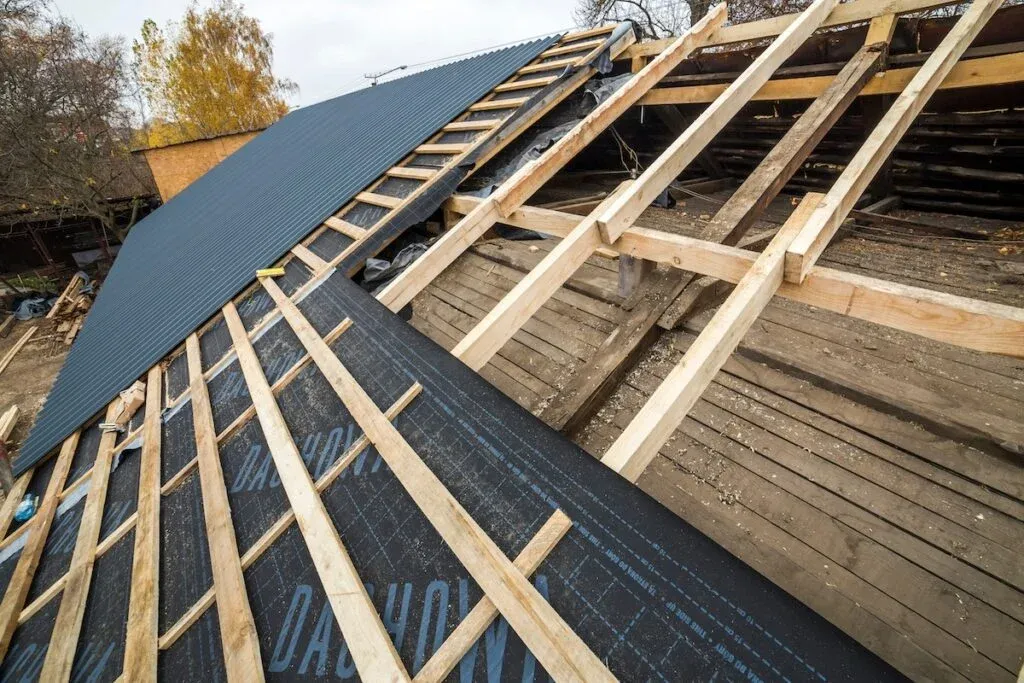
Roof underlayment is a water-resistant or waterproof barrier installed directly on the roof deck, between the structural sheathing and the visible outer roofing material like shingles or metal panels. Yes, you need it. According to InterNACHI, the International Association of Certified Home Inspectors, building codes in most jurisdictions require underlayment on new roof construction, and most shingle manufacturers void their warranties if it is not installed. Without underlayment, any water that bypasses your shingles or metal panels goes directly into the wood deck below, where it causes rot, mold, structural damage, and eventually interior water intrusion. This guide answers every question homeowners in Watkinsville, Hiawassee, and the surrounding North Georgia area ask about underlayment, including what it does, which type to choose, what it costs, and what goes wrong when it is missing.
What Happens If You Don’t Use Underlayment on a Roof?
If you don’t use underlayment on a roof, any water that penetrates or bypasses the outer roofing material goes directly into the plywood or OSB deck below with no secondary barrier to stop it. According to The Roof Doctor, without underlayment you are putting the entire roofing system at risk because even minor leaks can lead to mold, rot, insulation damage, or warped ceilings. Most building codes require it, and many manufacturers void their warranties if underlayment is not installed.
In Georgia’s climate, where Watkinsville averages over 50 inches of rain per year and the Hiawassee mountain area sees even higher totals, the consequences of missing underlayment are not theoretical. A single storm event that drives rain under a few shingles can saturate unprotected OSB decking. That moisture promotes mold growth, softens the wood, and eventually destroys the deck’s ability to hold fasteners and carry load. Replacing a water-damaged deck adds $2 to $5 per square foot to a roof replacement on top of everything else. Underlayment is inexpensive insurance against that scenario.
What Is the 25% Rule in Roofing?
The 25% rule in roofing is a building code standard that requires a full permitted roof replacement if more than 25% of a roof surface is repaired or replaced within a 12-month period. This rule applies in most Georgia jurisdictions including Oconee County and Towns County and exists to prevent large piecemeal repairs that avoid the full permitting and compliance requirements of a complete replacement project. For homeowners in the Watkinsville and Hiawassee areas, this rule means that significant storm damage affecting more than a quarter of the roof surface will likely require a fully permitted replacement rather than targeted patching.
When a replacement is triggered by the 25% rule, the new underlayment is included as part of the full installation. This is one of the advantages of a code-compliant full replacement: every layer of the roofing system, including the underlayment, gets renewed at the same time. A licensed local contractor familiar with the applicable building departments will identify upfront whether your project falls within the repair threshold or requires a full replacement.
What Is the Life Expectancy of Roof Underlayment?
The life expectancy of roof underlayment is 20 to 30 years for asphalt-saturated felt and 25 to 30 years for synthetic and rubberized underlayment, according to HomeGuide. In practice, underlayment is designed to match or exceed the lifespan of the shingles or roofing material installed over it. When underlayment performs its job correctly, it never gets wet, never sees UV light after installation, and simply sits undisturbed between the deck and the roofing material for decades.
Problems arise when the outer roofing material fails and leaves the underlayment exposed, or when water infiltrates through a flashing failure and saturates the underlayment from below the shingles. According to InterNACHI, UV radiation from sunlight and roof-covering materials in poor condition that expose the underlayment to weather can accelerate its deterioration. In Georgia’s climate, underlayment under a shingle roof that is properly installed and maintained should last the full life of the shingles above it. When replacing an aging shingle roof in the Watkinsville area, the underlayment is always replaced at the same time regardless of apparent condition, because it cannot be inspected without removing the shingles.
Do I Need Roofing Underlayment?
Yes, you need roofing underlayment on virtually every residential roof. According to The Roof Doctor, most building codes require it and many shingle manufacturers void warranties if it is not installed. InterNACHI confirms that underlayment is typically required in new construction by building codes in North America. Beyond code compliance, underlayment provides the critical secondary barrier that protects your roof deck if the outer roofing material is ever compromised, whether by a storm, a missing shingle, a flashing failure, or simple age-related wear.
The only situations where underlayment may not be strictly required are certain open-framing metal agricultural or outbuilding applications where building codes allow exceptions, and some low-slope standing seam metal systems over specific substrates. For any occupied residential structure in the Watkinsville or Hiawassee area, underlayment is not optional. It is a required and fundamental component of any code-compliant, warranty-valid roof installation.
Will a Roof Leak With Just Underlayment?
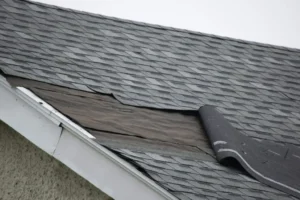
Yes, a roof can leak with just underlayment exposed, especially felt underlayment. Underlayment is a secondary barrier, not a permanent waterproof system. According to the manufacturer guidance cited by Africkerroofing, felt underlayment can only remain exposed for a few weeks before its integrity is compromised by UV exposure, wind, and moisture cycling. It wrinkles when wet, tears easily in wind, and degrades rapidly when left unprotected under direct sun.
Synthetic underlayment holds up significantly better under exposure. According to Western States Metal Roofing, synthetic underlayment can remain exposed for 2 months to up to 30 months depending on the brand and still remain watertight. But even high-quality synthetic underlayment is rated for temporary exposure, not permanent weathering. It is a temporary protective layer designed to shield the deck during the installation window until the final roofing material goes on. A house with only underlayment on the roof during a Georgia summer thunderstorm is at real risk of water intrusion through tears, nail holes, and unsealed laps.
Can I Put a Metal Roof Directly on Plywood?
No, you should not put a metal roof directly on plywood without underlayment. According to Astro Roofing, installing metal roofing directly on bare plywood is not recommended because condensation can form underneath the metal panels, and without an underlayment to act as a moisture barrier, that trapped moisture leads to rot, mold growth, and structural damage over time. Metal roofs also expand and contract with temperature changes, and without an underlayment to buffer that movement, the metal can cause mechanical stress on the plywood below.
For metal roofing specifically, the required underlayment type is more specialized than what is used under asphalt shingles. According to Bill Ragan Roofing, standing seam metal roofs require high-heat ice and water shield rather than standard felt or synthetic underlayment. Regular underlayment materials can stick to hot metal panels during thermal expansion and get destroyed as the panels move. High-heat ice and water shield has non-adhering cotton-like fibers on the surface that allow the metal to slide freely without damaging the membrane beneath. At approximately $125 per roofing square according to Bill Ragan Roofing, it is more expensive than standard underlayment but is non-negotiable for proper metal roof installation in the Watkinsville and Hiawassee areas.
What Time of Year Is the Cheapest to Replace a Roof?
The cheapest time of year to replace a roof is late fall through early winter, from November through February in Georgia. According to Angi, scheduling a roof replacement during a contractor’s off-season can save 5% to 15% on total project cost. In the Watkinsville and Hiawassee communities, summer storm season keeps roofing crews at full capacity through October, so planning a replacement in the slower winter months often means better scheduling availability and more competitive pricing from local contractors.
This timing advice assumes you are being proactive and the roof is not failing yet. A roof that is actively leaking or structurally compromised cannot wait for better pricing. Getting a professional inspection in the fall, before winter weather arrives, gives you the information to either plan an off-season replacement on your terms or act quickly if the inspection reveals the roof cannot safely go another winter. A licensed contractor in the Watkinsville area can give you an honest assessment of whether you have time to plan or need to move immediately.
How to Tell If a Roofer Is Lying
You can tell if a roofer is lying if their inspection report describes damage you cannot independently observe or verify with photos, if they cannot explain specific line items on their proposal, if they refuse to show you the actual deck or underlayment condition during a tearoff, or if they recommend an immediate full replacement without offering any repair options for what appears to be localized damage. In the context of underlayment specifically, a dishonest contractor might tell you the underlayment needs full replacement on a 7-year-old roof with sound shingles simply to inflate the project scope and cost.
An honest roofer will walk you through what they found, show you photos of every problem area, explain why each finding requires the action they are proposing, and provide an itemized written proposal. They will also tell you clearly when targeted repair is a legitimate option rather than automatically recommending a full replacement. Homeowners in the Watkinsville and Hiawassee areas deserve that level of transparency on every roofing project, regardless of size.
Should I Use 1/2 or 3/4 Plywood for Roofing?
You should use 1/2 inch plywood for most standard residential roofing applications. According to Astro Roofing, the minimum plywood thickness typically required for metal roofing is 1/2 inch, and local building codes may require thicker plywood depending on the roofing system. For most asphalt shingle installations on standard residential framing in Georgia, 1/2 inch CDX plywood or 7/16 inch OSB meets the building code requirements for roof sheathing. Steeper roofs with wider rafter spacing, heavier roofing materials like tile or thick architectural shingles, or applications in high-wind zones may require 5/8 inch or 3/4 inch sheathing for added rigidity.
The sheathing is the structural foundation that everything else sits on, so getting it right matters. If existing decking is being replaced during a re-roof in Watkinsville or Hiawassee, a reputable contractor will use a quality structural panel rated for roof sheathing, install it with proper spacing for expansion, and confirm it meets local building code requirements before laying any underlayment or roofing material on top. Never let a contractor use rejected, warped, or undersized sheathing material to save a few dollars on deck repairs during your roof replacement.
Can You Put New Roof Underlayment Over Old Underlayment?
Yes, in some cases you can put new roof underlayment over old underlayment, but it is not the preferred approach and is generally not recommended for best results. According to InterNACHI, building codes often limit the number of roofing layers, and in many cases a full tearoff is required before new underlayment and roofing material can be installed. Installing new underlayment over old material prevents the contractor from inspecting the roof deck for damage, rot, or delamination that needs to be repaired before the new system goes on.
The practical answer for most homeowners in the Watkinsville area is that when replacing a full shingle roof, the old underlayment comes off as part of the tearoff process, and new underlayment is installed fresh on the exposed deck. The deck is then inspected and any damaged areas are repaired before new underlayment is installed. Skipping this step and covering old underlayment with new is a shortcut that saves labor costs upfront while hiding potential deck problems beneath multiple layers where they will continue to deteriorate and eventually cause a much larger repair bill later.
How Much Does It Cost to Replace Roof Underlayment?
The cost to replace roof underlayment averages $3,300 according to Angi data, with a range of $300 to $8,200 depending on roof size, pitch, material type, and labor. On a per-square-foot basis, underlayment replacement costs $0.75 to $4.00 per square foot installed according to HomeGuide. Labor typically accounts for 80% to 90% of the total cost according to Angi, because underlayment material itself is relatively inexpensive while the work of safely accessing, stripping, and re-covering the roof is labor-intensive.
Breaking down by material type, felt underlayment is the most affordable at $0.65 to $1.10 per square foot installed according to Abrams Roofing. Synthetic underlayment runs $1.25 to $3.00 per square foot. Rubberized asphalt or self-adhering peel-and-stick underlayment is the premium option at $5.50 to $12.00 per square foot according to Abrams Roofing. For most homes in the Watkinsville area, underlayment replacement is almost always done as part of a full roof replacement rather than as a standalone project, because accessing the underlayment requires removing all the roofing material above it first. Getting a written proposal that separates the underlayment cost from the full roofing project helps you understand exactly what you are paying for.
What Roof Material Lasts 100 Years?
The roof materials that last 100 years are natural slate, copper, and zinc. Natural slate roofs commonly last 75 to 200 years according to AAPEX Restoration, making them among the longest-lasting roofing products ever used. Copper and zinc metal roofs can exceed 70 to 100 years with proper care according to Englert Inc. These are all premium-priced materials that are appropriate for historic properties, high-end custom homes, or buildings where generational ownership is the intention.
For most residential homeowners in North Georgia, the practical 100-year question comes down to minimizing replacement frequency over a lifetime of ownership. A standing seam steel roof lasts 40 to 70 years, meaning most homeowners who install one in their 40s or 50s will never replace it again. For homeowners who want the absolute longest realistic lifespan at a cost that does not require a historic property budget, copper roofing is the closest attainable answer, though it remains a premium investment that is far above the cost of even premium steel or premium asphalt shingles.
When Not to Use Underlayment
You should not use standard asphalt felt underlayment under a metal roof, because the heat from metal panels and the thermal expansion and contraction will cause the felt to stick to the metal and degrade rapidly. According to Bill Ragan Roofing, metal roofing requires high-heat ice and water shield underlayment rather than standard felt or synthetic, specifically because the non-adhering fiber surface allows the metal panels to move freely without tearing the membrane. Using the wrong type of underlayment under metal is worse than using a correctly specified product.
There are also specialty open-framing metal applications for agricultural outbuildings, sheds, and certain commercial structures where building codes may not require underlayment and where the structure’s purpose and economics justify the omission. For any occupied home in Georgia, however, skipping underlayment is almost never appropriate. The cost of underlayment is minimal relative to the total cost of a roof replacement, and its role as a secondary water barrier is too important to eliminate for the sake of a small cost reduction.
What Color Roof Increases Home Value?
Neutral and earthy roof colors increase home value the most because they complement the widest range of home exteriors and appeal to the broadest pool of buyers. Charcoal gray, weathered wood brown, and slate tones are consistently the most popular choices across Georgia. According to the Cost vs. Value 2023 Report cited across multiple real estate sources, a new asphalt shingle roof delivers approximately 61% ROI nationally, and a color that works harmoniously with the home’s exterior maximizes that return by enhancing curb appeal for potential buyers.
In the Watkinsville area and around Hiawassee, traditional and craftsman-style homes are common, and dark charcoal and brown tones pair well with the brick, stone, and wood exteriors typical of both communities. If you are choosing a shingle color as part of a full roof replacement in either area, ask your contractor to show you photos of recent local installations. A color that looks great in isolation can stand out awkwardly when it does not match the neighborhood’s established palette, which works against resale value rather than for it.
What Happens If You Don’t Put Tar Paper Under Shingles?
If you don’t put tar paper or any underlayment under shingles, the roof deck has no secondary layer of protection if water ever bypasses the shingles. Resin pockets in older board sheathing can react chemically with asphalt shingles and cause accelerated deterioration, according to InterNACHI. On newer OSB or plywood sheathing, missing underlayment means water from wind-driven rain, a dislodged shingle, or a flashing failure goes directly into the wood with nothing to stop it. According to The Roof Doctor, missing underlayment also typically voids manufacturer warranties and may create code violations if discovered during a home inspection or insurance claim.
In practical terms, a shingle roof installed without underlayment in Georgia’s climate is one that will fail sooner and more completely than one installed correctly. Watkinsville averages over 50 inches of rain annually, and the mountain region around Hiawassee sees frequent high-wind events that can lift shingles or drive rain under poorly sealed edges. Every one of those events is a potential water intrusion event on a roof without underlayment underneath. The cost of adding proper underlayment during a shingle installation is modest. The cost of deck rot and interior water damage from skipping it is not.
How Old May a Roof Be Before Insurance Claims It’s Too Old?
Most insurance companies consider an asphalt shingle roof too old for full replacement coverage at 20 years. After that age, many insurers switch to actual cash value coverage rather than replacement cost value, meaning they pay what the depreciated roof is currently worth rather than the full cost to replace it. Some insurers decline to write new policies or renew existing ones for homes with roofs over 20 to 25 years old. The specific age threshold varies by insurer, state, and the type of coverage included in the policy.
For homeowners in Georgia, this age-related coverage shift is a financial planning issue worth understanding before a storm forces the conversation. A roof that is 19 years old and gets hit by hail may receive full replacement cost coverage from the insurer. The same roof at 21 years may receive a payout that covers only a fraction of replacement cost due to depreciation. Staying ahead of this threshold by replacing an aging roof on a proactive timeline, rather than waiting for storm damage to force it, can meaningfully affect the total financial outcome. A licensed contractor can inspect your roof and give you an honest assessment of how many useful years remain so you can plan accordingly.
What Is the Most Common Location to Find a Roof Leak?
The most common locations to find a roof leak are at flashing joints around chimneys, skylights, dormers, and plumbing vents; in roof valleys where two roof planes meet; at the eaves where ice dams or gutter backup can push water under shingles; and around any penetration through the roof surface. According to Angi, broken or damaged flashing is one of the most common causes of roof leaks, along with clogged gutters and broken shingles. These are all areas where water concentrates and where the roofing system has joints or transitions that require careful sealing.
Rubberized asphalt or peel-and-stick underlayment is specifically designed for these high-risk zones. According to InterNACHI, waterproof underlayment is typically used on parts of the roof more likely to suffer moisture intrusion, including penetrations, areas where roof-covering materials change or end, and low-slope sections. This is why a quality installation in North Georgia uses standard underlayment across the full field of the roof but upgrades to a self-sealing waterproof membrane in valleys, at eaves, and around every penetration. Leak protection is concentrated where leaks are most likely to occur.
How Long Does It Take to Install Roof Underlayment?
It takes approximately half a day to one full day to install roof underlayment on a standard 1,500 to 2,500 square foot residential roof as part of a shingle replacement project. The underlayment installation is part of the tearoff-and-reshingle sequence. After old shingles and underlayment are removed, the new underlayment is rolled out in horizontal courses from the eave upward, with each row overlapping the one below by 4 to 6 inches to prevent water from wicking under the seams. A competent crew can cover a standard-sized roof quickly, which is why underlayment installation is always factored into the overall roof replacement timeline rather than quoted as a separate time component.
For peel-and-stick rubberized underlayment used in valleys and eave areas, installation takes slightly longer because the backing must be removed and the material must be carefully pressed down and worked around penetrations and transitions. This detail work pays dividends in leak prevention at the most vulnerable roof sections. A well-trained roofing crew in the Watkinsville area handles all of this as a standard part of every quality installation without cutting corners on the overlap dimensions or valley coverage.
How Long Can You Leave Roof Underlayment Exposed?
You can leave felt underlayment exposed for only a few weeks before UV degradation, wind exposure, and moisture cycling compromise its integrity. You can leave synthetic underlayment exposed for 2 months to up to 30 months depending on the brand, according to Western States Metal Roofing, while it remains watertight and weather-resistant. Different manufacturers specify different maximum exposure ratings on their products, and exceeding those ratings voids the product’s performance guarantee.
The practical application for homes in North Georgia is this: if your roofing project is interrupted after underlayment is installed but before the final roofing material goes on, the underlayment type determines how urgently the project needs to be completed. A felt underlayment needs shingles on it within a few weeks in Georgia’s climate. A high-quality synthetic underlayment gives you a longer window. According to ZIP System technical documentation, their peel-and-stick underlayment has a 90-day exposure rating. Never leave felt underlayment exposed through a Georgia summer, as the UV intensity and heat cycling in this climate will destroy it far faster than it would fail in a cooler northern climate.
What Are Signs I Need Underlayment?
The signs that you need underlayment, or need it replaced, are visible daylight through the roof deck from inside the attic, water stains on attic rafters or decking that indicate water has been getting past all layers of the roofing system, a roof that is being completely replaced (which always requires new underlayment), and a roof where the original installation is suspected to have skipped or used substandard underlayment. For older homes in the Watkinsville area built before modern code enforcement, missing or degraded underlayment is not uncommon.
You cannot inspect underlayment without removing the shingles above it. A professional roofer who performs a tearoff during replacement will visually inspect the underlayment condition as the old shingles come off and note any areas where the material has deteriorated, torn, or is missing entirely. This is one of the concrete advantages of a full tearoff over a shingle overlay: the tearoff reveals the truth about every layer beneath, including the underlayment, and gives the contractor the opportunity to replace anything that needs attention before the new roofing system goes on.
Does Underlayment Get Glued Down?
It depends on the type. Standard felt underlayment is fastened with cap nails or plastic cap staples driven through the material into the roof deck, not glued. Synthetic underlayment is similarly fastened mechanically with cap nails or staples. Rubberized asphalt peel-and-stick underlayment, which is used in high-risk areas like eaves, valleys, and around penetrations, does get “glued” down through its own pressure-sensitive adhesive backing that bonds directly to the roof deck when pressed into place. According to the Freedonia Group, peel-and-stick underlayment is experiencing the fastest adoption in the market due to its combination of superior performance and ease of installation.
The self-sealing property of peel-and-stick underlayment is its key advantage. When a roofing nail or fastener penetrates a self-adhering membrane, the rubber compound flows around the fastener and seals the penetration, preventing water from tracking down the nail shaft into the deck below. This self-sealing behavior is exactly why peel-and-stick products are specified for the most vulnerable sections of any roof, even when standard felt or synthetic is used across the full roof field. For homes in the Hiawassee area with complex roof geometry, multiple valleys, and significant rainfall, peel-and-stick application in all high-risk zones is worth the added material cost.
What Should You Not Say to a Contractor?
There are several things you should not say to a roofing contractor if you want to protect your interests and get the most accurate proposal. Do not tell them you need the work done immediately without good reason, as urgency invites higher pricing and shortcuts. Do not tell them what your insurance settlement amount is before they write their scope of work, because some operators will simply propose exactly what the settlement covers rather than what the work actually requires. Do not tell them you have already decided to hire them before getting competing bids in writing, and do not tell them to skip the permit because it will save time or money.
On the underlayment question specifically, do not tell a contractor that underlayment is optional or that you want to skip it to reduce cost. A contractor who agrees to skip underlayment on a residential roof is either unlicensed, unfamiliar with building codes, or willing to do substandard work. Any of those outcomes is a contractor you do not want installing your roof. The right contractor will explain why underlayment is required, what type they recommend for your specific roof, and include it in the proposal as a standard non-negotiable component of a professional installation.
How Many Years Does a Roof Usually Last?
A roof usually lasts 15 to 30 years for asphalt shingles, 40 to 70 years for standing seam metal, and 75 to 200 years for natural slate. The National Roofing Contractors Association notes that most new roofs are designed to provide useful service for about 20 years. The actual lifespan of any roof depends on material quality, installation quality, attic ventilation, local climate conditions, and maintenance discipline. Underlayment plays a direct role in this lifespan: a shingle roof installed with quality underlayment that keeps the deck dry through two decades of storms will outlast a roof installed without underlayment that lets moisture infiltrate the structure whenever the outer shingles are compromised.
For homeowners in the Watkinsville and Hiawassee areas, the honest expectation for a well-installed architectural shingle roof is 18 to 27 years in Georgia’s climate, based on the combination of UV intensity, storm activity, and summer heat. A premium shingle with quality underlayment, proper ventilation, and a consistent maintenance schedule can exceed that range. A budget shingle with no underlayment, poor ventilation, and no maintenance will fall well short of it. Every component matters, and underlayment is one of the most foundational.
Can a Roofer Sue Me If He Falls Off My Roof?
Yes, a roofer can potentially sue you if he falls off your roof, particularly if the contractor is unlicensed or uninsured. A licensed, reputable roofing contractor carries liability insurance and workers’ compensation coverage that protects both the workers and the homeowner. If a licensed and properly insured contractor’s employee is injured on your property, their workers’ compensation coverage handles the medical costs and wage replacement without involving you. If an unlicensed contractor or day laborer without proper insurance is injured on your property, you as the homeowner can face direct liability for their medical expenses, lost wages, and related legal costs.
This is one of the most practical reasons to verify contractor licensing and insurance before allowing any roofing crew on your home in Watkinsville, Hiawassee, or anywhere else in Georgia. Ask for a certificate of insurance showing both general liability and workers’ compensation coverage, and verify that it is current and names a licensed Georgia contractor. An uninvited storm chaser who knocks on your door after a weather event and offers to inspect your roof will almost never carry proper insurance. That is a financial risk for you, not just for them.
Roof Underlayment Types: Comparison at a Glance
| Underlayment Type | Material Cost / Sq Ft | Installed Cost / Sq Ft | Lifespan | Best Used For | Key Limitation |
|---|---|---|---|---|---|
| Asphalt Felt (15 lb) | $0.15 to $0.30 | $0.65 to $1.10 | 20 to 25 years | Budget residential, asphalt shingles | Tears easily; limited UV exposure |
| Asphalt Felt (30 lb) | $0.25 to $0.50 | $0.75 to $1.25 | 20 to 30 years | Heavier shingles, steeper slopes | Heavy rolls; absorbs moisture when wet |
| Synthetic (Polypropylene) | $0.20 to $0.70 | $1.25 to $3.00 | 25 to 30 years | Most residential applications | Higher cost than felt; not metal-compatible |
| Rubberized Asphalt (Peel & Stick) | $0.50 to $1.50 | $5.50 to $12.00 | 25 to 30 years | Eaves, valleys, penetrations, ice risk | Highest cost; requires dry conditions |
| High-Heat Ice & Water Shield | $1.00 to $1.50 | ~$1.25 per sq ft (material) | 25 to 30 years | Under standing seam metal only | Expensive; specialized product required |
Sources: Angi, HomeGuide, Abrams Roofing, S&K Construction, Bill Ragan Roofing, Freedonia Group, Western States Metal Roofing
Frequently Asked Questions
Is roof underlayment required by code in Watkinsville and Oconee County, GA?
Yes, roof underlayment is required by building code in Watkinsville and Oconee County, GA. Georgia follows the International Residential Code, which mandates underlayment installation on new roof construction and most full replacement projects. According to InterNACHI, building codes in most jurisdictions require underlayment and specify situations requiring additional protective products. Any licensed roofing contractor operating in Oconee County will include underlayment as a standard, non-optional component of every roof installation and will pull the required permits that ensure the work is inspected for code compliance.
What type of underlayment is best for a home in Hiawassee, GA?
Synthetic underlayment is the best standard choice for most homes in Hiawassee, GA, with rubberized asphalt peel-and-stick membrane used in valleys, eaves, and around all penetrations. The mountain climate around Hiawassee in Towns County brings heavier rainfall than lower-elevation Georgia locations, more frequent wind events, and greater temperature swings between summer and winter. Synthetic underlayment handles those conditions better than felt because it resists tearing in wind, repels water rather than absorbing it, and remains dimensionally stable through temperature cycling. For any home with a metal roof in the Hiawassee area, high-heat ice and water shield is the required underlayment type rather than standard synthetic.
How do I know if my roof has underlayment?
You can verify whether your roof has underlayment by checking attic records, old contractor invoices, or permit documentation from when the roof was installed. From inside the attic on an older home, gaps in the decking boards or missing material visible through cracks in the sheathing can sometimes indicate where the underlayment layer is, but you cannot directly see the underlayment from below once the roof is assembled. The most reliable way to confirm underlayment condition is a professional inspection during a tearoff, when the old shingles are removed and the underlayment is fully visible before new material goes on. If your home was built before modern code enforcement or was roofed by an unlicensed contractor, the presence and condition of underlayment should be verified during any replacement project.
Can underlayment be installed in winter in North Georgia?
Yes, underlayment can be installed in winter in North Georgia, but temperature affects the type that should be used and how it is handled on the job site. Felt underlayment becomes more brittle in cold temperatures and tears more easily under footfall, according to InterNACHI. Peel-and-stick rubberized underlayment requires temperatures above approximately 40 degrees Fahrenheit for the adhesive to bond correctly. Synthetic underlayment is the most cold-tolerant option and remains workable in the temperature ranges typical of Watkinsville winters. The mountain area around Hiawassee sees lower temperatures, and a competent contractor will account for that when specifying materials and scheduling work during cold-weather months.
Does underlayment affect the sound of rain on a metal roof?
Yes, underlayment meaningfully reduces the sound of rain on a metal roof. According to Western States Metal Roofing, underlayment acts as a sound dampener for metal roofing, absorbing some of the noise from rain or other elements hitting the roof surface. The extra layer between the metal panels and the structural deck reduces the acoustic energy that transmits into the living space below. Heavier or denser underlayment products provide more sound attenuation than thin felt. For homeowners in the Hiawassee area considering metal roofing on a mountain home where rain events are frequent and sometimes intense, choosing a higher-density underlayment or adding insulation between the metal and the deck is a worthwhile investment for interior comfort.
What is the difference between underlayment and ice and water shield?
Underlayment is the general term for any secondary water-resistant barrier installed between the roof deck and the outer roofing material, while ice and water shield is a specific type of self-adhering, fully waterproof underlayment used in high-risk zones. Standard felt and synthetic underlayment are water-resistant but not fully waterproof. Ice and water shield has a rubberized asphalt adhesive backing that bonds directly to the deck and self-seals around fasteners, making it fully waterproof even after nails penetrate it. According to InterNACHI, waterproof underlayment is typically used in areas more likely to suffer moisture intrusion, including eaves, valleys, and around penetrations, while water-resistant underlayment covers the general roof field. Most quality residential roof installations in Georgia use both: ice and water shield in all high-risk areas and synthetic underlayment across the full deck.
Final Thoughts
Roof underlayment is one of the most important and most overlooked components of any roofing system. It is the layer that protects your home when the outer roofing material is compromised, and in Georgia’s climate, that protection is not hypothetical. Watkinsville and Hiawassee both experience regular severe storms, high annual rainfall, and intense UV exposure that test every layer of a roofing system year after year. The right underlayment, installed correctly, adds 20 to 30 years of secondary protection under your shingles or metal panels. The wrong type, or no underlayment at all, puts your deck, your structure, and your home at risk from the day the installation is complete.
If you want to know what underlayment is on your current roof, whether a new installation is using the right type for your specific roofing material, or if you are planning a full replacement in the Watkinsville or Hiawassee area, the team at Ridgeline Roofing and Exteriors provides honest inspections and professional installations using quality materials from the deck up. Contact Ridgeline Roofing today to schedule your free roof inspection and get a clear picture of what your roof system actually looks like beneath the surface.
Ready to learn more about what a proper installation includes from deck to ridge? Start with the roof installation specialists in Watkinsville who build every project to last.