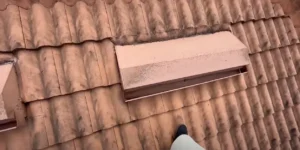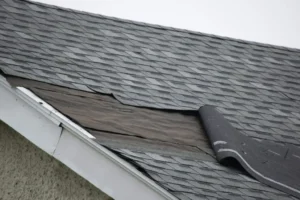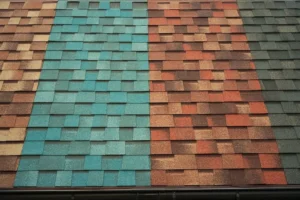
The best roofing material for a house depends on your budget, how long you plan to stay in the home, your roof’s pitch and structural capacity, and the climate you live in. For most Georgia homeowners in Watkinsville and Hiawassee, architectural asphalt shingles offer the best combination of first cost, proven performance, and warranty protection. Standing seam metal roofing is the best choice for long-term value when budget allows, delivering 40 to 70 years of service with minimal maintenance. Slate and tile are the most durable materials available but require structural reinforcement and a substantially higher investment. This guide covers every common roofing material, answers every People Also Ask question, and helps you match the right product to your specific home, location, and goals.
What Is the Best Roofing Material for a House?
The best roofing material for most houses is architectural asphalt shingles from a major manufacturer like GAF, Owens Corning, or CertainTeed. They cover approximately 80% of American homes for a reason: they balance upfront cost, installation availability, proven storm performance, wide color selection, and manufacturer warranty support better than any other material in their price range. According to the Freedonia Group, roughly 80% of residential roofs in the United States use asphalt shingles.
That said, “best” is not a single answer for every home. Metal roofing is the better choice for homeowners who plan to stay in the home for 25 or more years and have the budget for a higher upfront investment. Slate and clay tile are the best choices for buyers seeking the longest possible lifespan, the strongest fire resistance, and the most premium appearance, provided the home can structurally support the added weight. Composite and synthetic shingles are a strong choice for homeowners who want premium aesthetics without the weight penalties of natural slate or clay.
For Georgia homes in Watkinsville and the surrounding Oconee County area, and for mountain homes near Hiawassee in Towns County, the climate context matters. Georgia’s combination of long hot summers, high humidity, active storm seasons, and occasional ice events near Hiawassee’s mountain elevation creates a specific set of demands that favor impact-resistant architectural shingles or standing seam metal over lower-performance materials. The worst choice for a Georgia home is 3-tab asphalt shingles, which are being phased out of the market and carry the lowest wind rating of any common residential roofing product.
The roofing choices page covers all available material options with honest comparisons of cost, lifespan, and performance for Georgia’s specific climate conditions.
Roofing Material Comparison: Lifespan, Cost, and Key Factors
| Material | Lifespan (Georgia) | Installed Cost (per sq ft) | Fire Rating | Wind Resistance | Best For |
|---|---|---|---|---|---|
| 3-Tab Asphalt | 12 – 18 years | $3 – $5 | Class A | 60 – 70 mph | Short-term; outbuildings |
| Architectural Asphalt | 18 – 25 years | $4 – $7 | Class A | 110 – 130 mph | Most homes; best value |
| Luxury / Premium Asphalt | 25 – 35 years | $8 – $12 | Class A | 110 – 130 mph | Premium asphalt; slate look |
| Standing Seam Metal | 40 – 70 years | $9 – $20 | Class A | 130 – 140 mph | Long-term investment |
| Exposed Fastener Metal | 20 – 35 years | $4.50 – $9 | Class A | 110 – 130 mph | Agricultural; budget metal |
| Synthetic / Composite | 30 – 50 years | $7 – $15 | Class A | Up to 130 mph | Premium look; lighter weight |
| Clay Tile | 50 – 100+ years | $15 – $30 | Class A | 150+ mph (with clips) | Mediterranean style; humid climates |
| Concrete Tile | 40 – 60 years | $10 – $18 | Class A | 150+ mph (with clips) | Durable tile at lower cost |
| Natural Slate | 75 – 150+ years | $15 – $30+ | Class A | High (if properly installed) | Lifetime investment; luxury |
| Cedar Shake | 20 – 40 years | $9 – $14 | Class C (untreated) | Moderate | Natural aesthetic; specific climates |
| Solar Shingles | 25 – 30 years | $21 – $63 | Class A | Up to 130 mph | Energy generation + roofing combined |
Sources: Bill Ragan Roofing Most Durable Materials Analysis, Amstill Roofing Longevity Comparison, EcoWatch 2025 Best Roofing Materials Guide, PACC Solutions Roofing Types Comparison, RST Roofing 2025 Georgia Cost Guide, Roof Observations 2025 Georgia Cost Guide, Solar Shingle Guide 2025, Tile Roofing Institute, Metal Roofing Alliance, Asphalt Roofing Manufacturers Association. Lifespans reflect Georgia climate conditions, approximately 25–30% shorter than national averages for asphalt products.
What Is the Most Durable Roofing Material?
Slate is the most durable roofing material available. Natural slate can last 75 to 150 years or more with proper installation and maintenance, according to Bill Ragan Roofing’s 30-year durability analysis. Its natural resistance to moisture, fire, temperature change, insects, and rot gives it a combination of protective properties no other material fully matches. A properly installed slate roof on a well-engineered structure can literally outlast the home’s original owners by generations.
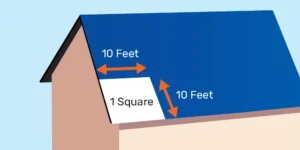
The practical challenge with slate is its weight and cost. Slate roofing weighs 800 to 1,500 pounds per roofing square (100 square feet), according to Morgillo Roofing’s longevity guide. Most standard residential roof structures are not engineered to support this load without reinforcement, which adds $3,000 to $8,000 or more to the project cost before the first slate tile is installed. The slate itself runs $15 to $30 or more per square foot installed, making a typical home replacement a $30,000 to $60,000 or higher project.
For homeowners who want exceptional durability without slate’s weight and cost, the practical alternatives are standing seam metal, clay tile, and composite synthetic shingles. Standing seam metal delivers 40 to 70 years with Class A fire rating, wind resistance up to 140 mph, and minimal maintenance. It is available through Ridgeline Roofing and Exteriors for Watkinsville and Hiawassee area homeowners at a fraction of slate’s cost. Clay tile delivers 50 to 100-plus years but also requires structural support for its weight. Composite synthetic shingles deliver 30 to 50 years with Class A ratings and no structural reinforcement requirements, making them one of the most accessible premium-lifespan options for Georgia homes.
What Type of Roof Is Least Likely to Leak?
Standing seam metal roofing is the type of roof least likely to leak when properly installed. The concealed fastener design is the key reason: panels lock together at the seam using clips that allow thermal expansion and contraction without creating penetration points. Because fasteners are hidden beneath overlapping panel seams rather than exposed through the panel face, there are no fastener entry points where water can track down a nail or screw shaft into the roof deck below.
Morgillo Roofing’s 2026 roofing analysis identifies standing seam metal as the least likely residential roofing system to leak, specifically because of the hidden fastener design and the elimination of the penetration-based failure mode that affects both asphalt shingles and exposed fastener metal systems. The most common cause of roof leaks on standing seam systems is not the panel itself but rather the flashing at penetrations like chimneys, skylights, and wall intersections. A properly installed standing seam system with quality flashing at every penetration can protect a home for decades without a single leak event.
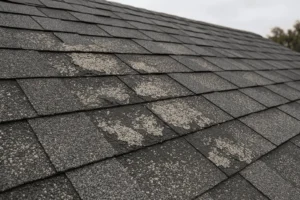
Asphalt shingles, by contrast, depend on intact self-sealing adhesive strips between courses and on nail penetrations that are concealed beneath overlapping shingles rather than self-sealed around. As shingles age, granule loss exposes adhesive strips to UV degradation, seal strips fail, and wind can begin lifting individual shingles. The leading cause of asphalt shingle leaks is seal strip failure at the shingle-to-shingle interface, particularly in the valleys and around penetrations where water concentrates.
For homeowners who have experienced recurring leaks on an asphalt shingle roof, the Watkinsville roof repair page covers how the team diagnoses leak sources and whether the situation calls for targeted repair or a more comprehensive material upgrade.
What Is the Best Type of Roof to Put on a House?
The best type of roof to put on a house depends on the home’s structural capacity, the homeowner’s budget, how long they plan to stay in the home, and the local climate. For most Georgia homeowners in the Watkinsville and Hiawassee areas, the best choice is architectural asphalt shingles from a top-tier manufacturer like GAF or Owens Corning, installed by a certified contractor with a full warranty. This combination delivers the best balance of first cost, proven storm performance, and long-term protection for Georgia’s climate.
For homeowners who plan to stay in the home for 25 or more years and can manage the higher first cost, standing seam metal is the better long-term answer. The $15,000 to $25,000 cost premium over architectural shingles on a typical 2,000-square-foot Georgia home is offset over 40 to 70 years by eliminated replacement cycles, lower maintenance costs, higher wind resistance, and potential insurance premium discounts of up to 35% from the Metal Roofing Alliance’s data.
For luxury and high-end homes where aesthetics and maximum lifespan are priorities, composite synthetic slate, natural slate, or clay tile offer premium options at premium prices. Each requires careful structural evaluation before installation because the weight of tile and natural slate exceeds what many standard residential roof structures can support without reinforcement.
The one material that is no longer the best choice for any home is 3-tab asphalt shingles. Available 3-tab SKUs have declined by 68% over five years according to itel’s discontinuation report, their 60 to 70 mph wind rating is the lowest of any common residential roofing material, and their realistic lifespan in Georgia’s climate falls well short of architectural alternatives. No homeowner replacing a roof today should choose 3-tab shingles.
What Is the Longest-Lasting Flat Roof Material?
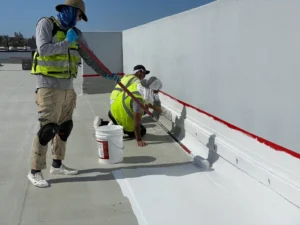
The longest-lasting flat roof material is TPO (Thermoplastic Polyolefin) membrane or PVC membrane when installed with quality accessories and proper drainage, with typical lifespans of 20 to 30 years for TPO and 20 to 30-plus years for PVC. For premium flat roof applications where maximum lifespan is the priority, EPDM (Ethylene Propylene Diene Monomer) rubber membrane also delivers 20 to 25 years with excellent UV resistance.
For residential properties with low-slope or flat sections, all three of these single-ply membrane systems outperform modified bitumen, built-up roofing, or rolled asphalt by a substantial margin. The key distinction between them is heat performance: TPO and PVC are white or light-colored membranes that reflect solar radiation and are Energy Star eligible, which in Georgia’s hot climate provides real energy efficiency value. EPDM is black, absorbs more heat, but compensates with outstanding resistance to thermal cycling and UV degradation.
For commercial buildings in Watkinsville and the surrounding Oconee County area, the commercial roofing team handles low-slope membrane systems alongside residential steep-slope work. Any home with a low-slope addition, a flat carport, or a low-pitch section attached to a steeper main roof should have that section evaluated separately from the steep-slope sections because the two areas require fundamentally different materials and installation methods.
What Roofing Lasts 100 Years or More?
The roofing materials that can last 100 years or more are natural slate, copper, and clay tile under optimal conditions. Natural slate tops the list with documented lifespans of 75 to 150-plus years according to multiple industry sources. Copper roofing can last 100 years or more, developing the distinctive green patina over time that is its hallmark aesthetic. Clay tile can last 100-plus years in the right climate, though its underlayment typically needs replacement every 25 to 35 years even when the tiles themselves remain sound.
According to Amstill Roofing’s longevity analysis, a “100-year roof” refers specifically to materials whose natural properties, resistance to decay, fire, moisture, and temperature change, allow them to outlast most other roofing systems by multiple replacement cycles. A slate roof costing $20 per square foot that lasts 100 years actually costs less per year of protection than a 3-tab shingle roof at $4 per square foot replaced every 15 years in Georgia’s climate. The lifetime cost comparison consistently favors premium materials for homeowners who stay in their homes long-term.
Zinc roofing is another premium material that can approach 100 years under favorable conditions. Zinc’s self-healing patina repairs minor surface scratches over time, giving it one of the most unusual and genuinely functional aging properties of any metal roofing material. Like copper, zinc is installed primarily on custom and luxury homes where its premium cost, distinctive appearance, and extraordinary longevity justify the investment.
What Is the Best Time of Year to Replace a Roof?
The best time of year to replace a roof in Georgia is late winter from January through March, or fall from October through November. Both windows offer comfortable working temperatures for crew safety, reduced contractor demand compared to post-storm peak seasons, and temperature ranges that allow asphalt shingles to seal properly. Late winter offers the best combination of low demand, fast scheduling, and mild Georgia temperatures above the 40 degrees Fahrenheit minimum for proper shingle installation.
According to Instant Roofer’s Georgia replacement guide, the spring window from March through May and the fall window from October through early November are the most recommended scheduling periods because they combine moderate temperatures with reduced afternoon storm frequency. Georgia’s August Atlantic hurricane peak and the active June and July thunderstorm season are the least ideal scheduling windows, both for safety and because post-storm contractor demand drives up pricing and lengthens lead times across the entire state.
Scheduling a proactive replacement in a low-demand window gives you more control over contractor selection, material availability, and project timing than waiting for your roof to fail and scheduling under emergency conditions. The cost difference between a planned replacement in January and an emergency replacement in July after a storm can easily run $1,500 to $3,000 on a standard home project when you factor in peak demand labor premiums and the cost of any interior damage that accumulated between the failure and the replacement.
How Much Does a Metal Roof Cost for a 2,000-Square-Foot Home?
A metal roof for a 2,000-square-foot home costs between $20,000 and $38,000 for standing seam steel in Georgia, and between $10,000 and $17,000 for an exposed fastener steel system, according to RST Roofing’s 2025 Georgia pricing data and Bill Ragan Roofing’s 2025 metal roof cost analysis. The wide range reflects the significant difference between metal system types more than uncertainty in pricing. Once you know which system you want, the range narrows considerably.
Angi’s regional data shows average metal roof costs in Georgia running approximately $10,600 for all metal types combined, which reflects the mix of exposed fastener and standing seam installations in the market. For a quality standing seam steel system specifically, the Georgia cost runs closer to $20,000 to $30,000 on a standard 2,000-square-foot home, reflecting Georgia’s approximately 10% below-national-average construction cost advantage according to Roof Observations’ 2025 Georgia cost guide.
Labor accounts for approximately 60% of the total metal roof installation cost. The remaining 40% covers panels, underlayment, flashings, trim, and fasteners. Standing seam systems cost more per square foot than exposed fastener systems because the concealed clip installation requires more precision labor and more specialized panel handling equipment. For homeowners considering metal roofing in Watkinsville or Hiawassee, the Watkinsville metal roofing page covers available systems and what written quotes look like in detail.
What Is the Most Fireproof Roofing Material?
The most fireproof roofing materials are slate, clay tile, concrete tile, and metal. All four are non-combustible materials that carry a Class A fire rating, the highest possible rating under Underwriters Laboratories (UL) testing, and unlike asphalt shingles, they do not contain combustible petroleum-based materials that can ignite in extreme heat conditions.
The distinction between Class A-rated products is important. While both asphalt shingles with a fiberglass mat and metal carry Class A ratings, the practical performance difference in a wildfire scenario is significant. Non-combustible materials, specifically metal and ceramic tile, will not catch fire and spread flames the way combustible materials will, according to DECRA Stone-Coated Metal Roofing’s fire resistance analysis. Asphalt shingles with a Class A rating resist fire spread better than untreated wood or lower-rated materials, but they still contain asphalt, which is a petroleum product. If the granule protection layer is compromised by age or hail damage, the underlying asphalt becomes vulnerable to ignition from radiant heat or embers.
For Georgia homeowners in wooded areas, which includes many homes near Hiawassee in the north Georgia mountains and homes on wooded lots in Oconee County near Watkinsville, fire resistance is a meaningful consideration alongside storm performance. Standing seam metal combines the strongest wind resistance, the highest practical fire resistance, and 40 to 70 years of service life in a single product, making it a particularly well-rounded choice for homes in these environments.
Wood shake shingles are the least fire-resistant common roofing material, carrying only a Class C rating unless specially treated with fire retardants. Untreated wood shake is prohibited in many communities with high wildfire risk and is not recommended for any Georgia home near wooded areas without specific fire-retardant treatment documentation.
Is There Any Product That’s 80 Years Lasting for Roofs?
Yes, several roofing products are documented to last 80 years or more under appropriate conditions. Natural slate tops the list with a confirmed range of 75 to 150-plus years. Clay tile can reach 80-plus years in appropriate climates, and Arizona Tile Roofing research documents some Arizona clay tile roofs lasting up to 80 years. Copper roofing regularly reaches 80 to 100-plus years and can last generations with minimal maintenance. Zinc roofing can approach this range as well, with its self-healing patina properties extending its service life beyond most metals.
Standing seam metal does not typically reach 80 years but comes close: documented lifespans of 40 to 70 years are common, with copper and zinc metal systems consistently exceeding 70 years. A properly installed standing seam steel system with Kynar 500 coating, according to Bill Ragan Roofing’s analysis, carries a 30-year paint warranty with realistic panel lifespan of 40 to 50 years under good conditions. Premium metal types like aluminum and zinc push longer.
The realistic path to an 80-year roof for most Georgia homeowners is either natural slate, which requires structural reinforcement and a high investment, or clay tile, which similarly requires weight evaluation and structural support. Both options are available for any Watkinsville or Hiawassee area home with a structurally sound enough roof deck to support them, but both are project types requiring specialized installation expertise beyond standard shingle or metal work.
What Is the Newest Type of Roofing Material?
The newest types of roofing materials gaining significant market traction in 2025 and 2026 are solar shingles, advanced composite synthetic shingles, and smart underlayment systems with integrated moisture monitoring. Each represents a genuine innovation in what roofing systems can do beyond simply shedding water.
Solar shingles are the most discussed emerging roofing category. GAF Energy’s Timberline Solar system represents a significant technical breakthrough as the first “nailable” solar shingle that standard roofing crews can install using familiar tools, dramatically reducing installation complexity compared to earlier solar tile products. GAF’s system integrates photovoltaic cells into shingles that function as both structural roofing and power generation, delivering 57 watts per shingle. Tesla’s Solar Roof is the premium entry at the high end, running $55 to $63 per square foot installed for a complete solar and roofing system. Solar shingle installations typically run $21 to $25 per square foot for a 2,000-square-foot home, or $42,000 to $50,000 before incentives, according to Hixon’s Roofing’s 2025 solar shingle analysis.
Advanced composite synthetic shingles from manufacturers like Brava Roof Tile represent another innovation category. Made from recycled polymers and rubber, they mimic natural slate, wood shake, or barrel tile with Class A fire ratings, Class 4 impact resistance, and 50-year lifespans at weights roughly half that of natural slate or clay. Their recyclable content and exceptional durability make them a strong choice for homeowners who want premium aesthetics and long service life without the structural reinforcement requirement of natural materials.
Fraser Roofing’s 2025 roofing trends analysis for the Georgia market notes that smart underlayment systems now incorporate moisture sensors that can alert homeowners to potential leak activity before visible interior damage occurs, a category of technology that is beginning to move from commercial roofing into premium residential applications.
What Is the Cheapest Longest-Lasting Roof?
The cheapest longest-lasting roof is an architectural asphalt shingle roof from a quality manufacturer like GAF or Owens Corning, installed by a certified contractor. At $4 to $7 per square foot installed in Georgia, architectural shingles deliver 18 to 25 years of realistic service life in the state’s climate at the lowest first cost per year of protection of any durable residential roofing option.
If you extend the comparison to lifetime cost rather than first cost, standing seam metal roofing becomes the cheapest long-lasting option for homeowners who stay in their homes for 25 or more years. A $25,000 standing seam metal roof that protects a home for 50 years costs $500 per year. A $12,000 architectural shingle roof that lasts 22 years costs $545 per year and requires a second replacement project. According to McElroy Metal’s life cycle cost analysis, homeowners who stay in their homes 30 to 40 years can save $25,000 to $30,000 by choosing metal over repeated shingle replacement cycles, even after accounting for metal’s higher first cost.
The cheapest roofing option of any kind is a 3-tab asphalt shingle, but this product is being actively phased out of the market, carries the shortest lifespan of any common residential roofing material, and is no longer recommended for any new installation by experienced contractors. Paying slightly more for architectural shingles delivers dramatically better lifespan, wind resistance, and warranty protection, which is why the industry has moved almost entirely to architectural shingles as the new minimum standard for residential roofing.
Is It Better to Have a Metal Roof or Shingles?
Metal roofing is better than shingles for homeowners who plan to stay in the home for 25 or more years, who live in storm-active areas like Georgia’s north Georgia mountains near Hiawassee, and who can manage the higher first cost. Shingles are better for homeowners on tighter budgets, those planning to sell within five to ten years, or those who need a replacement where the long-term cost comparison does not justify the metal premium.
The performance comparison consistently favors metal in Georgia’s climate. Metal roofing carries wind resistance ratings of 130 to 140 mph versus 110 to 130 mph for architectural asphalt. Metal does not grow algae or moss the way asphalt shingles can in Georgia’s humid summers. Metal delivers up to 25% cooling cost savings from solar reflectance, and insurers can offer premium discounts of up to 35% for qualifying metal systems according to the Metal Roofing Alliance. And a single standing seam metal installation protects the home for 40 to 70 years without a replacement cycle.
The cost comparison initially favors shingles. An architectural shingle roof on a 2,000-square-foot Georgia home typically costs $10,000 to $16,000. The same home with standing seam metal typically costs $20,000 to $30,000. That $10,000 to $14,000 difference is real and significant for many homeowners. The question is not which material costs less to buy, but which costs less to own over the period you plan to use it. For anyone staying in their Watkinsville or Hiawassee home for 20 or more years, the math consistently favors metal. For anyone planning to sell in fewer than 10 years, the upfront savings from shingles are more likely to justify the choice.
For a direct side-by-side analysis of both options, the asphalt roofing and metal roofing pages both provide product-specific detail on what each system looks like in a Georgia installation.
What Are the Top 5 Roofing Materials?
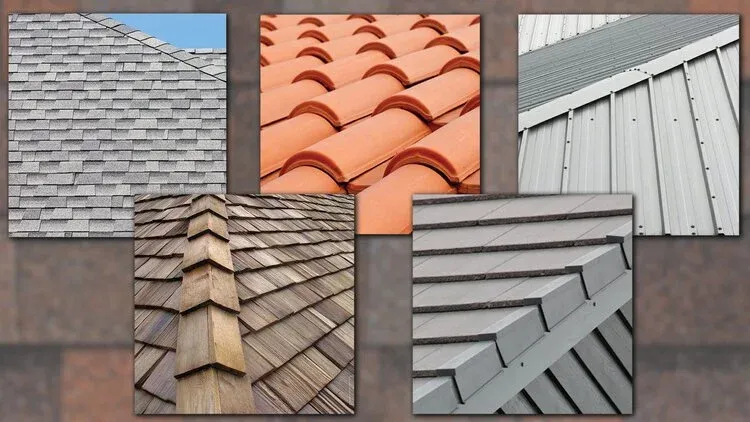
The top five roofing materials ranked by the combination of performance, availability, lifespan value, and suitability for Georgia’s climate are architectural asphalt shingles, standing seam metal, synthetic composite shingles, clay or concrete tile, and natural slate. Each serves a different buyer profile, budget range, and performance priority.
Architectural asphalt shingles are the most widely installed residential roofing material for good reason. They cost $4 to $7 per square foot installed, last 18 to 25 years in Georgia, carry Class A fire and 110 to 130 mph wind ratings, and are available in hundreds of colors through major manufacturers with the strongest warranties in the industry when installed by certified contractors like Ridgeline Roofing and Exteriors.
Standing seam metal is the premium long-term value choice at $9 to $20 per square foot installed. Its 40 to 70-year lifespan, minimal maintenance requirements, Class A fire rating, 130 to 140 mph wind resistance, and energy efficiency advantages make it the best long-term investment for homeowners who plan to stay in the home for 25 or more years.
Synthetic composite shingles are the strongest emerging category, combining 30 to 50-year lifespans, Class A and Class 4 impact ratings, aesthetics that mimic slate or cedar, and weight light enough to install on standard residential roof structures. At $7 to $15 per square foot, they fill the gap between architectural asphalt and natural premium materials.
Clay and concrete tile deliver 50 to 100-plus years of service in appropriate climates with Class A fire ratings and outstanding wind resistance when properly installed with hurricane clips. Clay tile is ideal for Mediterranean-style and Spanish Colonial architecture. Georgia’s humidity suits clay tile well, though the weight requires structural evaluation before installation.
Natural slate is the most durable material available and the ultimate luxury roofing choice, lasting 75 to 150-plus years. Its significant weight, specialized installation requirements, and premium cost make it appropriate primarily for high-end custom homes where long-term investment value and premium aesthetics justify the project scope.
Are There Any Roofs That Last a Lifetime?
Yes, natural slate, clay tile, and copper roofing are materials that can genuinely last a lifetime in the right conditions. A slate roof installed on a properly engineered structure in a climate without extreme freeze-thaw cycles can protect a home for 100 to 150 years. Copper roofing regularly exceeds 100 years and is often described as a once-in-a-building installation when properly executed.
The term “lifetime warranty” is used in the roofing industry specifically for architectural asphalt shingles and sometimes for metal roofing, but these are not the same as a material that actually lasts a human lifetime. According to Amstill Roofing’s warranty analysis, most “lifetime” warranty products define coverage periods of 30 to 50 years for the original homeowner, with prorated coverage after the initial period. Reading the fine print is essential: a “limited lifetime” asphalt shingle warranty is not a guarantee that the material will last your lifetime but rather a marketing description of a warranty tier with specific coverage terms.
For practical purposes, materials that deliver the longest documented lifespans in residential applications are natural slate at 75 to 150-plus years, copper at 80 to 100-plus years, clay tile at 50 to 100-plus years, and standing seam steel at 40 to 70 years. Of these, standing seam steel is the most accessible option for Georgia homeowners balancing genuine longevity against the structural and cost requirements of the true lifetime materials.
What Are Three Common Types of Flat Roof Covering?
The three most common types of flat roof covering are EPDM rubber membrane, TPO (Thermoplastic Polyolefin) membrane, and modified bitumen. Each serves the fundamental need of low-slope and flat roof sections to manage standing water without the water-shedding advantages that steep-slope shingles and metal provide.
EPDM is a synthetic rubber membrane typically installed in black that has dominated flat roofing for decades. Its resistance to UV degradation, thermal cycling, and ozone gives it outstanding long-term durability, with typical lifespans of 20 to 25 years. It is relatively easy to repair when punctured and widely available through commercial roofing contractors across Georgia.
TPO is the fastest-growing flat roofing material because its white or light-colored surface reflects solar radiation rather than absorbing it, delivering genuine energy efficiency benefits in Georgia’s hot climate. Most TPO membranes are Energy Star eligible and can reduce cooling costs meaningfully on commercial and residential buildings with significant flat roof sections. TPO lifespans run 20 to 30 years with quality installation and regular maintenance.
Modified bitumen is a multi-layer asphalt-based system applied in torch-down or self-adhering formats. It is the most familiar flat roofing product to contractors who primarily do residential work and is a common choice for flat additions, low-slope sections attached to steep-slope homes, and commercial flat roofs where torch-down installation is practical. Lifespans run 15 to 20 years, shorter than TPO or EPDM but at lower first cost.
How Much Does It Cost to Replace a Shingle Roof on a 2,200-Square-Foot House?
A shingle roof replacement on a 2,200-square-foot house costs between $9,000 and $22,000 for architectural asphalt shingles in Georgia, with the midpoint around $13,000 to $16,000, according to RST Roofing’s 2025 Georgia pricing data and myproroofing.com’s 2026 cost breakdown. The slightly larger 2,200-square-foot footprint compared to a 2,000-square-foot home adds roughly $1,000 to $2,000 to the base estimate across most shingle types.
Georgia’s construction costs run approximately 10% below the national average according to Roof Observations’ 2025 Georgia cost guide, which gives Oconee County and Towns County homeowners a modest advantage over the national figures published by most online calculators. Nationally, This Old House’s 2026 survey puts average new roof costs at $15,439, but Georgia homeowners typically land below that midpoint for the same quality scope of work.
Additional costs beyond base installation include tear-off at $1 to $3 per square foot, deck repairs if water-damaged sheathing is discovered during the project, permits at $250 to $500, and a 10% to 15% contingency buffer for unexpected conditions. The new replacement roofing page provides a full overview of what a complete project includes and what documentation you should receive at every step.
Which Color Metal Roof Fades the Least?
Metal roofing panels finished with Kynar 500 or Hylar 5000 PVDF resin coatings fade the least of any roofing material, across all color choices. These fluoropolymer coatings are specifically engineered for superior UV resistance and color retention, and most quality standing seam metal roofing manufacturers offer non-prorated 30-year paint warranties on Kynar 500-coated products, according to Bob Behrends Roofing’s material performance analysis.
Among colors specifically, lighter and medium neutrals including galvalume natural, light gray, and stone gray show color degradation the least visibly over time because their lighter baseline reflects more UV radiation rather than absorbing it. Darker colors like charcoal, dark bronze, and dark brown absorb more heat and UV energy, which subjects the coating to more thermal cycling stress over time even with Kynar 500 protection. However, the Kynar 500 system is effective across all color ranges and the performance difference between light and dark colors is smaller than with asphalt shingles, which do not have equivalent UV-resistant coating protection.
Asphalt shingles, by contrast, fade more visibly over time. Most asphalt shingle manufacturers offer algae-resistance products, but according to Bob Behrends Roofing’s fading analysis, none offer a true color-fade-resistant option. Homeowners should expect some degree of color fading in asphalt shingles over a 20-plus year lifespan, though algae-resistant products like GAF’s Timberline HDZ with StainGuard Plus technology help maintain appearance by resisting the dark streaking caused by Gloeocapsa magma algae growth in Georgia’s humid climate.
How to Tell If a Roofer Is Lying?
You can tell a roofer is lying by watching for these patterns: same-day pressure to sign a contract before comparing quotes, guaranteed promises about insurance outcomes before an adjuster has inspected, refusal to provide a written itemized estimate with line-item cost separation, requests for large cash payments upfront before any work begins, inability to show a valid Georgia contractor’s license or current proof of insurance, and no verifiable local address or community reviews from homeowners in your specific area.
In material selection conversations specifically, watch for contractors who recommend 3-tab shingles without disclosing that they are being actively phased out of the market and that matching replacement shingles may be unavailable if storm damage occurs. Watch for contractors who cannot explain the difference between their proposed product and a premium alternative, who cannot name the specific shingle product and model they are proposing, or who cannot explain what warranty tier their contractor certification level qualifies for. A GAF Master Elite certified contractor offers access to the GAF Golden Pledge warranty. A non-certified contractor installing the same GAF shingles does not. This matters enormously for a 20 to 25-year investment.
Protect yourself by verifying the Georgia contractor’s license number independently, requesting a current certificate of general liability and workers’ compensation insurance before signing anything, getting at least three written itemized estimates, and limiting your deposit to no more than 10% to 15% of the total project cost. A contractor who resists any of these steps is not one you want on your roof.
What to Use Instead of Shingles?
The best alternatives to asphalt shingles are standing seam metal, composite synthetic shingles, clay or concrete tile, and natural slate, depending on your budget, home style, and structural capacity. Each offers a different set of tradeoffs compared to asphalt shingles in cost, lifespan, performance, and aesthetics.
Standing seam metal is the most practical alternative for Georgia homeowners who want a product that significantly outlasts asphalt without requiring structural reinforcement. It is lighter than tile or slate, available in numerous colors and profiles, and delivers 40 to 70 years of service with minimal maintenance. It costs more upfront than architectural asphalt but less per year of protection for homeowners who stay in the home long-term.
Composite synthetic shingles from manufacturers like Brava, DaVinci, or F-WAVE are an excellent alternative for homeowners who want the appearance of slate, cedar shake, or tile with lighter weight, better impact resistance, and lower structural requirements. At $7 to $15 per square foot installed, they cost more than asphalt but less than natural stone or clay and deliver 30 to 50-year lifespans with Class A fire and Class 4 impact ratings. According to Mr. Roofer Atlanta’s 2025 Georgia shingle guide, composite synthetic shingles are among the most innovative roofing options for Georgia homeowners because they outperform natural materials in Georgia’s heat and humidity without the structural weight penalties.
Stone-coated steel shingles, which combine metal’s durability with a traditional shingle or shake appearance using stone granule coatings, are another strong alternative. They provide the visual character of traditional asphalt or shake shingles at lifespans of 40-plus years, Class A fire ratings, and Class 4 impact resistance, making them a natural upgrade path for Georgia homeowners who want a familiar look with dramatically improved performance.
Frequently Asked Questions About Roofing Materials in Watkinsville and Hiawassee, GA
What roofing material is best for Georgia’s climate specifically?
The best roofing material for Georgia’s climate specifically is architectural asphalt shingles with Class 4 impact resistance, or standing seam metal roofing. Georgia’s combination of intense summer UV exposure, high humidity that promotes algae and moss growth, and active spring and summer storm seasons with frequent wind and hail events demands a product with strong UV resistance, algae-fighting technology, and a wind rating of at least 110 mph. Class 4 impact-resistant architectural shingles like Owens Corning Duration FLEX meet all of these criteria while remaining available through standard roofing contractors. Standing seam metal exceeds them all while adding 40 to 70-year lifespan and potential insurance premium discounts of up to 35%.
Does Ridgeline Roofing install materials other than asphalt shingles in Watkinsville and Hiawassee?
Yes, Ridgeline Roofing and Exteriors installs metal roofing and other premium roofing systems for homeowners in Watkinsville, Hiawassee, and throughout Oconee and Towns County. As a GAF Master Elite certified contractor, the team has access to GAF’s full residential roofing product range, including Timberline shingles, Camelot luxury products, and GAF Energy solar shingles for homeowners interested in integrated solar roofing. Metal roofing installations for residential properties in both flat-terrain Watkinsville-area homes and steep-pitched mountain homes near Hiawassee are available with project-specific written estimates that cover the full scope of materials, labor, and warranty documentation.
How do I decide between architectural shingles and metal roofing for my Watkinsville home?
The decision between architectural shingles and metal roofing for a Watkinsville home comes down to three questions: how long do you plan to stay in the home, what is your budget for first cost, and how important are long-term maintenance minimization and insurance premium reduction to your overall homeownership strategy? If you plan to stay 20 or more years and can manage a $20,000 to $30,000 metal investment versus a $10,000 to $16,000 shingle installation, metal’s 40 to 70-year lifespan, minimal maintenance, and potential insurance discounts will almost always produce lower total cost of ownership. If you plan to sell within 10 years or need to minimize upfront cost, quality architectural shingles from a certified contractor deliver excellent performance and strong ROI at resale.
Is clay tile or concrete tile a good choice for homes near Hiawassee, GA?
Clay tile and concrete tile are viable but not ideal for homes near Hiawassee in the north Georgia mountains. Both products perform well in warm, humid climates and are genuinely durable, but they are most at home in Mediterranean or Spanish-Colonial architectural styles that are less common in the mountain communities of Towns County. The more significant concern for Hiawassee-area homes is the structural weight evaluation required before tile installation. Mountain-style homes with steeper pitches and older framing systems need a structural assessment to confirm they can support 600 to 900 pounds per roofing square before tile can be installed safely. For most Hiawassee homes, standing seam metal or high-quality architectural shingles are more practically matched to the architectural style and structural profile of the area’s housing stock.
What warranty comes with a GAF Master Elite installation in Watkinsville?
A GAF roofing installation by Ridgeline Roofing and Exteriors, as a GAF Master Elite certified contractor, qualifies for the GAF Golden Pledge warranty on qualifying projects. The Golden Pledge provides 50-year non-prorated material coverage and 25 years of workmanship protection, the strongest available warranty tier in the GAF residential roofing system. This warranty level is only accessible through contractors who have achieved Master Elite certification, which means homeowners who get the same GAF shingles from a non-certified installer cannot access equivalent coverage. The shingles are identical. The protection is dramatically different. This is one of the most important reasons contractor certification matters more than brand preference in any roofing decision.
Can I get a free inspection to compare roofing material options?
Yes, Ridgeline Roofing and Exteriors offers free roof inspections for homeowners in Watkinsville, Hiawassee, and throughout Oconee and Towns County. The inspection includes Drone Zone AI Roofing technology that documents the full roof surface with aerial photography and AI-assisted analysis, providing a detailed visual record of your current roof’s condition. This documentation forms the basis for a written estimate that covers all relevant material options for your specific home, including architectural shingles, metal roofing, and any structural considerations that affect which materials are appropriate. Comparing options with a professional assessment of your actual roof condition is a much more reliable planning basis than any general online calculator.
Does roofing material choice affect homeowner’s insurance in Georgia?
Yes, roofing material choice directly affects homeowner’s insurance in Georgia. The Metal Roofing Alliance documents premium reductions of up to 35% annually for qualifying metal roofs. Class 4 impact-resistant architectural shingles from products like Owens Corning Duration FLEX can qualify for meaningful premium discounts from carriers who reward higher-rated impact resistance in Georgia’s active hail and storm market. Standard architectural asphalt shingles carry no premium discount over baseline but also no surcharge as long as the roof is relatively new. Aging 3-tab shingle roofs or any roof over 15 to 20 years old may trigger surcharges, coverage limitations, or non-renewal considerations from carriers applying stricter underwriting standards to older roofing in Georgia’s storm-active climate. Contact your specific insurer before a roof replacement to confirm what discount your planned product qualifies for and what documentation they require from the contractor after installation.
Final Thoughts
There is no single best roofing material for every home, but there are clearly better choices for different situations. For most Georgia homeowners in Watkinsville and Hiawassee replacing an aging shingle roof on a budget, architectural asphalt shingles from a major manufacturer installed by a GAF Master Elite certified contractor with a strong warranty is the right answer. For homeowners who plan to stay in the home for 25 or more years and can invest in a longer-lasting system, standing seam metal delivers the best combination of lifespan, performance, and long-term cost in Georgia’s climate. For homeowners who want the absolute best in durability and can support the weight and cost, slate, clay tile, and composite synthetic materials offer options that can genuinely outlast the homeowner’s tenure in the property.
The material choice matters. The contractor choice matters even more. The same shingle product installed by a Master Elite certified contractor with a full GAF Golden Pledge warranty is a fundamentally different investment than the same product installed by an uncertified contractor with a basic workmanship warranty. Spend as much time evaluating contractor credentials as you do comparing material options.
Ready to Choose the Right Roofing Material for Your Georgia Home?
Ridgeline Roofing and Exteriors is a GAF Master Elite certified contractor serving Watkinsville, Hiawassee, and homeowners throughout Oconee and Towns County, GA. Free inspections with written material comparisons, no-pressure estimates, and GreenSky financing available for qualified homeowners.
Call 770-706-ROOF (7663) or schedule online. When you are ready to compare specific products for your home, the asphalt roofing page and the metal roofing page both provide detailed information on available systems, and the roofing choices page covers how to compare options side by side before your first conversation.