A roof replacement is a one-to-three-day process that starts with material delivery and tear-off, moves through deck inspection, underlayment, and shingle installation, and ends with a thorough cleanup and final walkthrough. Knowing what to expect during a roof replacement takes away the anxiety and helps you prepare your home, your family, and your pets for each stage. This article walks through every step, answers the most common questions homeowners in Watkinsville and Hiawassee ask, and explains exactly what a professional job should look like from start to finish.
What Happens During a Roof Replacement, Step by Step?
The roof replacement process follows a clear sequence of steps. A professional crew handles everything from material delivery to final nail sweep without you needing to be involved in the actual work. Here is what that process looks like from the moment the crew arrives.
Step 1: Material Delivery
Shingles, underlayment, flashing, and other components are delivered the afternoon before or the morning of your project. A reputable contractor will not drop materials days in advance. The delivery is placed on a paved surface near the roof access point to prevent dead grass or ground damage.
Step 2: Property Protection
Before tear-off begins, the crew sets up tarps along the roofline and leans boards against the exterior walls to catch debris and protect your siding, landscaping, and garden beds. Dumpsters or dump trailers are placed in or near the driveway. This is the time to have your vehicles already moved and your outdoor furniture put away.
Step 3: Tear-Off
The crew removes all existing shingles, underlayment, and flashing down to the bare roof deck. This is the loudest and messiest stage of the entire process. For an average-sized home, according to IKO Industries, tear-off typically wraps up within a single day. On hillside lots near Lake Chatuge in Hiawassee, crews may need to adjust their approach based on roof pitch and site access.
Step 4: Deck Inspection and Repair
With the old materials off, the roofers inspect every board of the roof deck for rot, soft spots, water damage, or broken sheathing. Any compromised sections must be replaced before new materials go on. A quality contractor will photograph damaged areas and show you before repairing them. This step is non-negotiable, and skipping it is a sign of a contractor cutting corners.
Step 5: Drip Edge and Underlayment
New metal drip edge is installed along the roof edges. Then the underlayment goes down across the entire deck. Depending on the roof design, valleys, eaves, and penetrations will receive ice and water shield membrane. This stage is where a lot of the real weather protection gets built in, before a single shingle is placed.
Step 6: Flashing Installation or Replacement
Metal flashing around chimneys, vents, skylights, and roof valleys is installed or replaced. Flashing is what actually keeps water out of the joints where your roof meets vertical surfaces. Old flashing should not be reused during a full replacement. Reusing worn flashing on a brand-new roof is one of the most common shortcuts that leads to future leaks.
Step 7: Shingle Installation
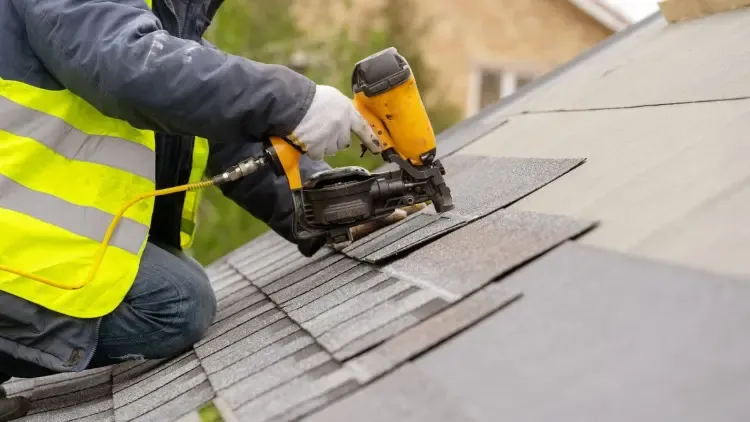
The crew begins with starter shingles along the bottom edges, then installs full shingles in overlapping, staggered rows up the roof. Ridge and hip shingles are placed last along the peak and hips for a clean finish and added water protection at the most vulnerable seams.
Step 8: Ridge Vent and Ventilation
Ridge vents and any other ventilation components are installed or updated. According to the National Roofing Contractors Association, proper ventilation can extend roof life by up to 25 percent. A new roof without proper ventilation will age faster, warp sheathing, and drive up your cooling bills. Homes in Watkinsville and Oconee County deal with humid summers that make attic ventilation especially important.
Step 9: Final Cleanup and Walkthrough
After installation, the crew cleans debris from the roof and gutters, removes all tarps, picks up loose shingles and materials from the yard, and runs magnet rollers around the perimeter of your home multiple times to collect stray nails. This step typically takes an hour or more. A final walkthrough with the homeowner is where you confirm everything was completed as agreed before signing off and making final payment.
How Long Does a Roof Replacement Take?
A roof replacement on most single-family homes takes one to three days from start to finish. The timeline depends on the size of the roof, its pitch and complexity, how many layers are being removed, crew size, and weather conditions on the day of the job.
For a straightforward gable roof on a home in Watkinsville, one full day is often enough for a professional crew to complete the entire project. Homes with multiple dormers, steep pitches, chimneys, or skylights take longer because each of these features requires careful custom flashing and extra detail work.
Weather can extend the timeline. A sudden afternoon storm in Oconee County can halt work if the roof deck is exposed. A trustworthy contractor always keeps tarps on-site to cover an open deck if rain moves in unexpectedly. If a contractor shows up without a plan for weather delays, that is a warning sign worth taking seriously.
How Long Does It Take to Replace a Roof on a 2,000-Square-Foot House?
Replacing a roof on a 2,000-square-foot house typically takes one to two days for a standard asphalt shingle replacement with a simple roof shape. Larger homes with complex rooflines or multiple stories can take three days or more. According to IKO Industries, a typical tear-off alone on an average-sized home can wrap up within a single day, with installation adding another day on top of that.
How Messy Is a Roof Replacement?
A roof replacement is very messy during the tear-off phase, but a professional crew manages and contains that mess throughout the process. Old shingles, underlayment, nails, and wood debris all come off in a short window of time. They land in dumpsters, on tarps, and unfortunately sometimes in your flower beds if the crew is not careful about property protection.
A reputable contractor will lay tarps against the exterior walls and along the roofline before tear-off begins to catch debris. They will also run magnetic nail sweepers around the entire perimeter of your home multiple times after the job is done. Stray nails in your driveway or lawn are not just an inconvenience, they can damage tires and hurt pets.
Homeowners with pools in the Watkinsville or Hiawassee area should ask their contractor to cover the pool before tear-off. Old shingles release fiberglass particles during removal, and if those particles get into a pool filter without protection, they can clog it and burn the motor. One tarp in advance prevents a costly equipment repair.
What Is the Black Stuff Roofers Put on Before Adding a New Roof?
The black material roofers put down before adding a new roof is called underlayment, and in vulnerable areas, it is called ice and water shield. These materials go between the wooden roof deck and the shingles and serve as the critical waterproofing layer that protects your home if shingles are ever damaged, lifted, or missing.
There are a few types worth knowing about:
Felt Underlayment (Tar Paper)
This is the traditional black paper you have probably seen on a partially completed roof. It is an asphalt-saturated paper that provides a secondary barrier against wind-driven rain and helps shingles adhere properly. It relies mainly on gravity and slope to keep water moving in the right direction. Nail holes through felt paper are a weak point because they are not self-sealing.
Synthetic Underlayment
Modern roofing frequently uses synthetic underlayment made from polypropylene or polyester. It is lighter, stronger, and more tear-resistant than felt paper. It also holds up better if the roof is unexpectedly exposed to rain before shingles go on.
Ice and Water Shield
Ice and water shield is a self-adhering rubberized membrane made from polymer-modified bitumen that bonds directly to the roof deck. Unlike felt paper, it forms a watertight seal around each roofing nail, which means water cannot seep through nail holes even in storm conditions. It is installed in the most vulnerable areas of every roof: eaves, valleys, around chimneys, skylights, vents, and any low-slope sections. The National Roofing Contractors Association recommends ice and water shield in all of these areas regardless of local climate. For homes near Hiawassee that see occasional heavy winter rains from storms rolling off the Blue Ridge Mountains, this layer is especially valuable.
To learn more about underlayment options and how they are paired with shingles and metal roofing systems in this area, roof installation in Watkinsville covers the full system approach used on every job.
Is It Safe to Stay Home During Roof Replacement?
Yes, it is safe to stay home during a roof replacement in most situations. The structure of your home remains intact throughout the process and roofers work entirely from the exterior. However, there are real practical reasons why many homeowners choose to leave for at least the noisiest parts of the project.
How Noisy Is a Roof Replacement?
A roof replacement is very noisy, especially during the tear-off phase. Noise levels reach 90 to 95 decibels during active tear-off, which is similar to a lawnmower running directly overhead, according to data compiled by FoxHaven Roofing. That kind of sustained noise is difficult to work through, especially for anyone doing phone or video calls from home. Hammering, nail guns, compressors, and crew communication continue through most of the workday.
If you decide to stay home, plan ahead. Move important calls to a different day or location. Keep pets in a quiet interior room away from windows. Take photos of your property before the crew arrives so you have a baseline record if anything is accidentally damaged. Move your vehicles out of the driveway the night before so you can leave if the noise becomes too much.
Should Pets Leave During Roof Replacement?
Pets do best when relocated during a roof replacement, especially if they are sensitive to loud noises or strangers. Dogs that bark at visitors or become anxious during thunderstorms or fireworks will likely be very stressed by a full day of hammering, foot traffic on the roof, and unfamiliar workers moving around the property.
Cats tend to hide and can sometimes escape through a gate or door left open by the crew. Debris falling from the roof is also a hazard for any pet spending time in the yard. The safest option is a pet daycare, a neighbor’s house, or confining them to a quiet interior room on the opposite side of the house from the work. This is not something to figure out the morning of the project. Plan for it in advance.
What Can Go Wrong During a Roof Replacement?
Several things can go wrong during a roof replacement, and most of them are either caused by bad weather or by a contractor who cuts corners. Knowing what to watch for helps you choose the right contractor and know what questions to ask before anyone gets on your roof.
Hidden Deck Damage
This is the most common surprise during a replacement. Older roofs in Watkinsville and Hiawassee sometimes have water damage that was never visible from the surface. Once tear-off begins and the deck is exposed, rotted boards or compromised sheathing become visible. A good contractor will stop, show you what they found, explain the repair, and give you a cost before proceeding. A bad contractor either fixes it without telling you or ignores it entirely.
Rain During an Open Deck
Between tear-off and underlayment installation, your roof deck is exposed. If rain moves in during that window, it can cause significant water damage to your attic and ceiling. This happens when contractors do not check the forecast or do not keep tarps ready on-site. Every reputable roofer in Oconee County knows Georgia weather can shift fast, and they plan for it.
Improper Flashing
Flashing failures are the leading cause of roof leaks on new or recently replaced roofs. If a contractor reuses old flashing to save time, skips it around a chimney or vent, or installs it incorrectly, you will find out on the first hard rain. Ask any contractor you are considering to confirm in writing that all flashing will be new and installed to manufacturer specifications.
Voided Warranties from Improper Installation
Shingle manufacturers have specific nailing patterns, overlap requirements, and ventilation standards that must be followed exactly. Failing to follow these guidelines can void the manufacturer’s warranty even on brand-new materials. Always ask your contractor whether their installation follows the shingle manufacturer’s published guidelines.
Property Damage
Debris from tear-off can break light fixtures, damage window screens, crack driveway pavers, or land in your landscaping. A thorough contractor photographs existing damage around the roofline before starting and takes care to protect the areas around the home. Review the estimate carefully. Some contractors include clauses releasing them from liability for property damage during the job. That is a red flag worth discussing before you sign anything.
For Watkinsville homeowners dealing with storm damage and insurance claims alongside a roof project, roof repair in Watkinsville includes the inspection documentation you need to support a claim from the start.
Roof Replacement Process: What to Expect Day by Day
| Day / Phase | What Happens | What You Should Do |
|---|---|---|
| Day Before | Material delivery; crew confirms start time | Move vehicles, clear driveway, photograph property |
| Day 1 Morning | Property protection setup, tear-off begins | Keep pets and kids away; expect loud noise |
| Day 1 Afternoon | Deck inspection, damaged boards replaced | Be available if contractor finds hidden damage |
| Day 1 to 2 | Drip edge, underlayment, and ice and water shield | No action needed; noise begins to reduce |
| Day 2 to 3 | Flashing, shingle installation, ridge vents | Most disruptive phase; consider working offsite |
| Final Day | Cleanup, nail sweep, gutter cleaning, walkthrough | Inspect yard and gutters; do final walk with crew |
| After Completion | Warranty paperwork, final payment | Review warranty documents before signing off |
Sources: IKO Industries roof replacement timeline guide; Bill Ragan Roofing 8-step process; FoxHaven Roofing homeowner safety guide.
What Time of Year Is the Cheapest to Replace a Roof?
The cheapest time to replace a roof is late winter or early spring, typically January through March, when roofing demand is at its lowest and some contractors offer better scheduling flexibility. Fall is the peak season across most of the Southeast, including the Watkinsville and Hiawassee areas, and prices and booking lead times both reflect that high demand.
In Georgia, mild winters mean roofing work can proceed year-round in most conditions. Unlike northern states where ice and frozen materials make winter roofing impractical, Oconee County and Towns County rarely see conditions that would prevent a professional crew from completing a replacement safely in the cooler months. If your roof can safely wait until the off-season, late winter scheduling can get you faster service and sometimes a better deal.
That said, if your roof is actively leaking or the damage from a storm is severe, the cheapest time to replace is right now. Letting water in through a compromised roof will cost far more in interior damage than whatever savings a scheduling delay might bring. Shingle roof repair in Watkinsville can serve as a short-term patch to stop active leaks while a full replacement is scheduled.
Will Roofing Costs Go Down in 2026?
Roofing costs are unlikely to go down significantly in 2026. Material costs for asphalt shingles, metal panels, and underlayment have remained elevated due to ongoing supply chain pressures and labor market conditions. According to Rubyhome’s roofing statistics report, the average cost of a roof replacement in the U.S. sits around $9,526, with a normal range of $5,868 to $13,217 for most residential projects.
Waiting for prices to drop is generally not a smart strategy for a homeowner with an aging or damaged roof. A leaking roof creates water damage that compounds quickly. Replacing insulation, repairing ceiling drywall, and addressing mold after a prolonged leak typically costs more than the savings from waiting a year or two for material prices to shift. The 2025 Cost vs Value Report found that asphalt shingle replacement recovers around 68 percent of its cost at resale, which makes it one of the better-returning home improvement investments even at current price levels.
What Type of Roof Adds the Most Value to a Home?
The type of roof that adds the most value to a home is metal roofing, particularly standing seam metal, because of its longevity, curb appeal, and energy efficiency. According to the Metal Roofing Alliance, metal roofs can last 40 to 70 years and in some cases well over 100 years, compared to 20 to 30 years for standard asphalt shingles per the National Association of Home Builders.
For resale value on a more typical timeline, a new architectural asphalt shingle roof still performs very well. The 2025 Cost vs Value Report shows about 68 percent cost recovery at resale on asphalt shingle replacement, which is one of the strongest returns for any exterior home improvement.
Homeowners in Oconee County and Towns County looking at long-term value who want a roof they never have to think about again should explore metal roofing in Watkinsville. Metal is especially well-suited to this part of Georgia, where storms from the Blue Ridge Mountains bring wind, hail, and heavy rain that test asphalt shingles year after year.
What Is the Best Time of Year to Replace Shingles?
The best time of year to replace shingles is spring or fall, when temperatures are mild enough for proper shingle adhesion but not so hot that materials become difficult to handle or so cold that sealants cure slowly. In Georgia, fall months from September through November are popular because summer heat has passed, but most roofing crews can work through winter without issue.
Avoid scheduling a shingle replacement during heavy rain seasons if your timeline is flexible. In Hiawassee and the surrounding Towns County area, spring storms from the mountains can move in quickly, so roofing crews plan around weather forecasts carefully during that season.
At What Age Is a Roof Considered Old?
A roof is considered old when it reaches 15 to 20 years for asphalt shingles, because most standard products are rated for 20 to 30 years and performance begins to decline noticeably in the final third of that lifespan. According to the National Association of Home Builders, asphalt shingles typically last 20 to 30 years under normal conditions.
A roof that is 15 years old is not necessarily failing, but it should be inspected every year and after every major storm. Insurance companies increasingly view asphalt roofs over 15 years old as higher risk, and some will shift payout terms from replacement cost value to actual cash value at that point. That change in coverage can significantly reduce what your insurance pays if your older roof is damaged.
Many homeowners near Watkinsville’s historic downtown and the communities around Oconee County have homes built in the 1990s or early 2000s. If those roofs have never been replaced, they are at or past the point where replacement is worth serious consideration. Roof replacement in Watkinsville starts with a free inspection so you know exactly where your roof stands before committing to anything.
Frequently Asked Questions
Is It Safe to Stay Home During a Roof Replacement in Watkinsville or Hiawassee?
Yes, it is safe to stay home during a roof replacement in Watkinsville or Hiawassee, but you should prepare for significant noise, vibrations throughout the house, and crew activity around your property for one to three days. Work-from-home residents may find it difficult to concentrate or conduct calls, especially during the tear-off phase. If you have young children, anxious pets, or a low tolerance for sustained noise, arranging to spend at least the first day elsewhere makes the experience much more comfortable.
How Messy Will My Yard Be After a Roof Replacement Near Hiawassee?
Your yard should be fully cleaned up after a professional roof replacement near Hiawassee. A quality crew lays tarps before tear-off, picks up all visible debris after installation, and runs magnetic sweepers around the perimeter to collect stray nails. Some nail loss around garden beds or in grass is possible, especially on properties with hillside landscaping or dense shrubs, so inspect barefoot areas of your yard carefully for a few days after the job. If cleanup is inadequate, contact your contractor before final payment is made.
What Permits Are Required for Roof Replacement in Oconee County?
Oconee County requires a building permit for most full roof replacements, and your roofing contractor should pull that permit before any work begins. Skipping permits can result in fines, insurance complications, and problems at resale when title searches reveal unpermitted work. A licensed contractor will handle the permitting process as part of the project. Always confirm permit status in writing before your project starts. Watkinsville and surrounding Oconee County municipalities each have specific code requirements for roofing materials and installation methods.
What Is Ice and Water Shield and Do Homes in Hiawassee Need It?
Ice and water shield is a self-adhering rubberized membrane installed directly on the roof deck before shingles go on. It creates a watertight seal around every nail hole and prevents water from getting through even when shingles are damaged or lifted by wind. Homes in Hiawassee near Lake Chatuge benefit from ice and water shield in valleys, around chimneys, along eaves, and near any roof penetration. While Georgia’s winters are mild compared to northern states, storm-driven rain and ice accumulation at higher elevations near the Blue Ridge foothills make this layer an important part of any proper roof installation in the area.
How Do I Know If My Roofer Did a Good Job After Replacement?
After a roof replacement, a good job looks like clean, straight shingle lines with no visible lifting or waving, new drip edge along all roof edges, new flashing around all chimneys and penetrations, and a completely clean job site with all debris and nails removed. Ask for the warranty documentation, which should cover both the materials and the workmanship separately. If anything looks uneven, ask the crew supervisor to explain it before you make final payment. You should also receive permit documentation showing the job passed any required local inspection in Oconee County or Towns County.
How Do I Prepare My Home for a Roof Replacement in Watkinsville?
To prepare your home for a roof replacement in Watkinsville, move all vehicles out of the driveway the night before, clear outdoor furniture and decorations from around the house, protect any pool or hot tub with a tarp, remove fragile items from shelves on the top floor or near exterior walls, and secure or relocate your pets. Take dated photos of your home’s exterior before the crew arrives. Notify your neighbors that work will begin early and may last one to three days, since the noise will be audible from adjacent properties.
What Warranties Should I Get After a Roof Replacement Near Watkinsville?
After a roof replacement near Watkinsville, you should receive two separate warranties: one from the shingle manufacturer covering the materials, and one from your contractor covering the workmanship. Manufacturer warranties for architectural shingles typically range from 25 to 50 years depending on the product. Workmanship warranties vary by contractor but should cover at least one to two years, with quality contractors offering longer coverage. Keep both documents in a safe place and make sure the contractor registers the manufacturer warranty in your name, as some products require registration to activate full coverage.
Ready to Get Started on Your New Roof?
A roof replacement does not have to be stressful. With the right crew, clear communication, and a proper process from day one, most homeowners are done in a day or two with a clean yard and a roof built to last decades.
The team at Ridgeline Roofing and Exteriors serves homeowners across Watkinsville, Hiawassee, and the surrounding communities in Oconee and Towns Counties. They offer free inspections, transparent estimates, and a process built around keeping you informed at every step.
For a full look at replacement options, services, and what your project would involve, visit the Watkinsville roofing hub and schedule your free inspection today. Your new roof starts with one conversation.