Skip to content
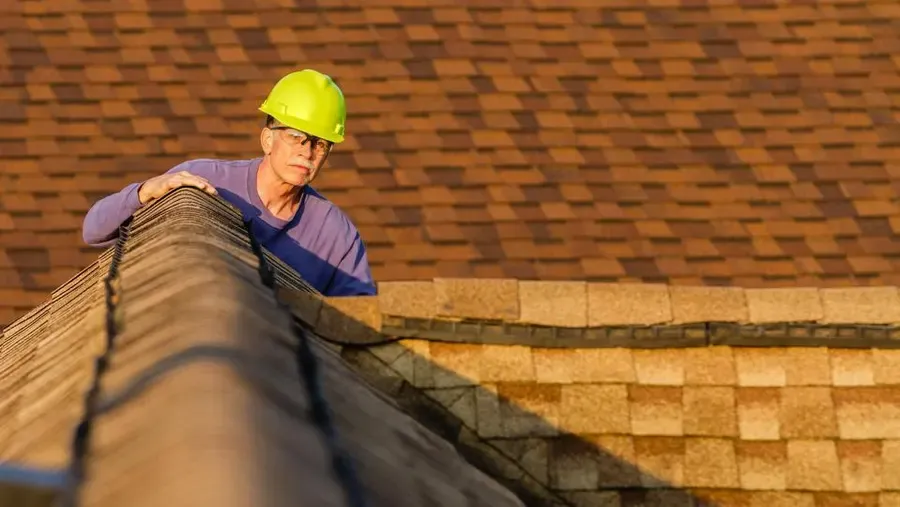
A roof inspection looks at shingles, flashing, gutters, the roof deck, attic ventilation, and any penetrations like chimneys, skylights, and vents for signs of damage, wear, water intrusion, or structural failure. A thorough roof inspection catches small problems before they become expensive ones. According to the National Institute of Building Sciences, preventive measures like regular inspections can save $11 for every $1 invested. For homeowners in Watkinsville and Hiawassee, where Georgia summer storms and occasional hail put roofs under real stress every year, knowing what a roof inspector looks for, how much an inspection costs, and what red flags can derail a home sale is some of the most practical knowledge you can have. This guide answers every major question on the topic.
What Is the Biggest Red Flag in a Home Inspection?
The biggest red flag in a home inspection related to the roof is an active leak or widespread water damage. A leaking roof is considered a major defect because it does not just represent a roofing problem. It signals potential mold growth, wood rot, compromised insulation, and structural deterioration that can spread to rafters, decking, and even interior ceilings and walls. According to Rate.com, a leaky roof is a huge red flag during a home inspection because replacing the roof is only one part of addressing the issue. The water damage it has already caused adds to the repair bill significantly.
According to Structure Tech Home Inspections, major roof problems including active leaks or advanced deterioration are among the most alarming findings any inspector can document. Up to 90% of catastrophe losses in insurance claims are roof-related, according to Residential Inspector of America. When a roof has chronic leaking, moisture multiplies the damage quickly. A small recurring leak can quietly create damaged framing, microbial growth, and finished-surface replacement that costs far more than the roof itself.
What Is the 25% Rule in Roofing?
The 25% rule in roofing is a building code standard that requires a full permitted roof replacement if more than 25% of a roof is repaired or replaced within a 12-month period. This rule exists in most Georgia jurisdictions, including Oconee County and Towns County, to prevent property owners from making large piecemeal repairs that avoid the permitting and compliance requirements of a full replacement project. A licensed local contractor familiar with Watkinsville and Hiawassee building departments will tell you upfront whether your project triggers this rule before any work begins.
During a roof inspection, a contractor will estimate the percentage of the roof surface that is damaged or deteriorated. If that percentage crosses 25%, the project likely requires a full replacement with permits rather than targeted repairs. This is important information for homeowners who are trying to decide between repair and replacement, and for buyers negotiating price reductions after a home inspection reveals roof problems.
What to Look Out for While Inspecting Roofs
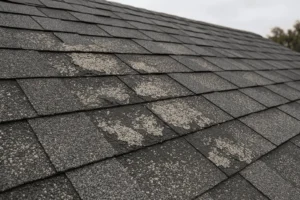
The most important things to look out for while inspecting a roof are missing or damaged shingles, deteriorated flashing, clogged gutters, moss or algae growth, sagging areas in the roof deck, and any signs of water intrusion in the attic. According to FoxHaven Roofing, these are the most frequent issues found during professional roof inspections, and early detection prevents more serious damage like water infiltration, structural rot, and interior ceiling damage.
A complete roof inspection covers three zones: the exterior roof surface, the gutters and drainage system, and the attic interior. Each zone gives different information about the roof’s health. Missing granules on shingles tell you about surface wear. Rusty or separated flashing tells you about water intrusion risk at vulnerable joints. Dark staining on attic rafters tells you water has already been getting in. No single zone tells the full story on its own. A thorough inspection covers all three.
What Is the Average Cost of a Roof Inspection?
The average cost of a roof inspection is $248, with most homeowners spending between $125 and $376, according to data from HomeAdvisor based on surveys of thousands of real customers. The range runs from $75 on the low end for a basic physical walkthrough on a simple accessible roof, to $1,000 or more for an infrared thermal imaging inspection on a large or complex structure.
Physical inspections, where the contractor walks the roof and checks it visually, are the most common type and cost $75 to $200 on average, according to HomeGuide. Drone inspections, which are useful for very steep or complex roofs, run $100 to $450. Infrared inspections use thermal imaging to detect hidden moisture and cost $400 to $600 on average. For most homeowners in the Watkinsville area with a standard residential roof, a physical inspection from a licensed local contractor falls in the $150 to $350 range. Many reputable roofing companies offer free inspections when evaluating a roof for potential repair or replacement, which is a legitimate and common industry practice.
What Is a Deal Breaker in a Home Inspection?
A deal breaker in a home inspection is a defect severe enough to significantly change the purchase price, require major negotiation, or cause a buyer to walk away entirely. The most common deal breakers are foundation problems, active roof leaks, major structural damage, hazardous electrical wiring, and extensive moisture or mold damage. According to SoFi, the most serious home inspection findings include structural or foundation problems, major water damage or an active leak, and problematic electrical wiring.
For the roof specifically, a deal breaker is not just a few missing shingles. A deal breaker is a roof that is actively leaking, has widespread flashing failure, shows evidence of long-term water infiltration into the deck and structure, or is 20-plus years old with no maintenance record and multiple failing systems at once. A savvy buyer in the Watkinsville or Hiawassee area will use a professional roof inspection report from a licensed contractor to negotiate repairs, price credits, or in serious cases, walk away from a purchase that would require tens of thousands in roofing and water damage remediation immediately after closing.
What Is the First Thing an Inspector Wants to See?
The first thing a roof inspector wants to see is the overall condition and age of the roof from a ground-level visual assessment. Before climbing anything, an experienced inspector scans the roofline for obvious sagging, the shingle surface for widespread granule loss or color variation, the gutters for condition and proper attachment, and the fascia and soffit for any visible rot or damage. This initial ground view tells a skilled inspector a great deal before they ever step on a ladder.
After the exterior overview, the inspector will access the attic first in many cases, because the attic shows the underside of the roof deck and reveals water staining, mold, improper ventilation, and structural issues that are invisible from the outside. According to Roof-Crafters, improper attic ventilation is one of the biggest reasons roofs fail, and a good inspector checks ventilation status as a core part of every inspection. Then they move to the roof surface for the physical walkthrough of shingles, flashing, and all penetrations.
How to Tell If a Roofer Is Lying
You can tell if a roofer is lying if their damage report does not match what you can observe independently, if they refuse to show you photos of the specific damage they claim exists, if they recommend a full replacement when a second qualified contractor says targeted repair is sufficient, or if their written proposal is vague and lacks itemized line items. Storm chasers who show up uninvited after weather events are the most common source of dishonest roof inspections. Their goal is a large insurance claim, not an honest assessment of your actual roof condition.
An honest roofing contractor will walk you through inspection findings in person with photos, explain their recommendation clearly without pressure, and provide a detailed written proposal with every cost broken out. If a contractor avoids specific answers, rushes you to sign, or cannot explain what is on their proposal, those are warning signs. Homeowners in Watkinsville, Hiawassee, and the surrounding North Georgia communities deserve a straight answer from a contractor who builds their business on local reputation, not on one-time storm-season sales.
What Time of Year Is the Cheapest to Replace a Roof?
The cheapest time of year to replace a roof is typically late fall through early winter, from November through February in Georgia. During this slower season, roofing contractors have more availability and may offer more competitive scheduling. According to Angi, scheduling a shingle roof installation during a contractor’s off-season can save 5% to 15% on total project cost. In the Watkinsville area and the mountain communities around Hiawassee, storm season keeps crews booked solid through summer and early fall, so getting on a schedule before or after that window can mean faster start dates and more attention to your project.
That said, a roof that needs immediate replacement should not wait for a better season. A leaking roof in October will cause far more damage in November and December than the cost savings of an off-season discount. The goal is to schedule proactively before the roof fails, not reactively after it already has.
What Is Grace for Roofing?
Grace in roofing refers to Grace Ice and Water Shield, which is a self-adhering waterproof underlayment membrane made by Grace Construction Products. It is installed directly on the roof deck in vulnerable areas such as eaves, valleys, around chimneys, around skylights, and at any point where water might be likely to back up or infiltrate. The membrane is self-sealing, meaning it seals around roofing nails and fasteners to prevent water from tracking down the nail shaft into the deck below.
During a roof inspection, a contractor will note whether this type of waterproof membrane was used during the original installation. Roofs installed without it in Georgia’s climate are at higher risk for leaks at eaves and valleys, especially during heavy summer storms or in mountain areas like Hiawassee where wind-driven rain can push water upward under shingles. The presence of a quality ice and water shield underlayment is a sign that the original installation was done to a professional standard.
How Many Years Does a Roof Usually Last?
A roof usually lasts 15 to 30 years for asphalt shingles, 40 to 70 years for standing seam metal, and 20 to 30 years for most commercial membrane systems. According to the National Roofing Contractors Association, most new roofs are designed to provide useful service for about 20 years. The actual lifespan depends heavily on material quality, installation quality, attic ventilation, and local climate conditions. Georgia’s combination of high UV exposure, heat, humidity, and active storm season pushes asphalt shingle roofs toward the shorter end of their rated range.
According to data compiled by FoxHaven Roofing, a proactive roof inspection twice per year can extend a roof’s lifespan by 5 to 10 years by catching developing problems before they cause larger damage. For homeowners near Watkinsville with a 15-year-old shingle roof, those 5 extra years could mean a significant difference in replacement timing and budget planning. Regular maintenance is the single most controllable variable in how long a roof lasts.
How Does a Roof Fail Inspection?
A roof fails inspection when it has active leaks, widespread structural damage, missing or severely deteriorated shingles across a large area, failed flashing at critical joints, a sagging or compromised deck, or evidence of long-term unchecked water intrusion. According to InterNACHI standards, inspectors look for missing, cracked, or curling shingles that expose the roof deck, improper flashing at chimneys and vents, gutters that are blocked or pulling away from the fascia, and any signs of moisture damage in the attic.
A roof does not technically “fail” inspection in the same way a car fails an emissions test. There is no pass-fail certification. Rather, the inspector documents every deficiency and rates its severity. A few missing shingles is a noted repair item. Active leaking into the attic, sagging decking, or flashing that has completely separated from a chimney is a major deficiency that can affect a real estate transaction, an insurance claim, or a homeowner’s decision about repair versus full replacement.
How Can You Tell a Good Roofer?
You can tell a good roofer by verifying four things: a valid Georgia contractor’s license, proof of liability insurance and workers’ compensation coverage, references from recent local projects, and a written proposal that itemizes every cost clearly. A good roofer will also pull required permits for any replacement or significant repair project without being asked. They will explain their findings in plain language, show you photos from the inspection, and give you a realistic timeline without pressure.
Beyond paperwork, good roofers are specific. They can tell you the gauge of metal they are using, the underlayment brand and type, the shingle manufacturer and product line, and the nail pattern they will use for your roof’s pitch. Vague answers to specific questions are a warning sign. A contractor who has done this work for years in Watkinsville and Hiawassee knows the details of their own installations without having to look them up. Ask detailed questions. Good roofers welcome them.
How Long Does a Roof Inspection Usually Take?
A roof inspection usually takes 1 to 2 hours for a standard residential roof, according to Bill Ragan Roofing. Smaller single-story homes with straightforward layouts can be completed in about an hour. Larger homes, multi-story structures, complex roof lines with multiple valleys and dormers, or steep-pitched mountain homes typical of the Hiawassee area take closer to 2 hours or more. According to HomeGuide, a professional roof inspection takes 45 minutes to several hours depending on roof size and the extent of damage found.
A storm damage inspection tends to run longer than a routine inspection because the contractor is documenting specific damage areas carefully for insurance purposes. An infrared inspection for moisture detection can also take additional time depending on the scanning area. After the inspection, expect the written report within 1 to 2 days. A quality report is 3 to 4 pages in length according to HomeGuide, and includes itemized findings, photos, and specific repair or replacement recommendations.
What Is the Most Expensive Part of Replacing a Roof?
The most expensive part of replacing a roof is labor, which accounts for approximately 60% of the total project cost according to Angi and HomeAdvisor. On a standard 2,000 square foot home, labor alone runs $4,200 to $8,400. Materials are the second largest cost, covering the shingles, underlayment, flashing, and ridge cap. Tearoff and disposal of old shingles adds $1 to $5 per square foot on top of installation labor.
If the roof deck has hidden water damage, rot, or structural compromise, repairs to the deck add $2 to $4 per square foot for each affected section, according to Hoel Roofing. These repairs cannot be identified or avoided with an overlay that skips the tearoff step. This is one of the clearest financial arguments for a full tearoff over an overlay: a deck problem that is covered up today becomes a much larger problem a few years from now, discovered only when the new shingles start showing water damage from below.
Is a Roof Inspection Worth It?
Yes, a roof inspection is absolutely worth it. An average inspection costs $248 according to HomeAdvisor, and it can identify issues that if left unaddressed, cost thousands in emergency repairs or full replacements. According to the National Institute of Building Sciences, preventive maintenance including regular inspections can save $11 for every $1 invested. A $250 inspection that reveals a failing flashing seal around a chimney and gets it repaired for $300 prevents the $15,000 interior water damage that would have followed two or three years later.
For home buyers in the Watkinsville and Hiawassee areas, a professional roof inspection before closing is non-negotiable. According to a real estate professional quoted by ListWithClever, the most frequent objections during home inspections involve the roof. A roof inspection gives buyers the information to negotiate repairs, request price credits, or walk away from a property that would require immediate major roofing investment after closing. The cost of skipping an inspection is never less than the cost of doing one.
A proactive inspection from a licensed local contractor is the starting point for all good roofing decisions. Shingle repair in Watkinsville starts with knowing exactly what your roof needs, and that starts with an honest inspection.
What Devalues a House the Most?
The things that devalue a house the most are foundation problems, major water damage, a failing or aged roof, and deferred maintenance on core systems. According to multiple real estate and inspection sources, a damaged or aging roof can turn buyers away before they even step inside. According to Structure Tech, foundation movement, major framing defects, and severe rot in critical structural components are the top devaluing factors, but major roof problems are in the same tier because they signal that water may have already compromised the structure beneath.
A roof that is visibly past its life expectancy is one of the most negotiable items in a real estate transaction. Buyers will discount the purchase price by the full estimated cost of replacement, and often more, because they factor in the disruption, risk, and uncertainty of a large repair project after closing. In the Watkinsville area, where the median home age is rising and many homes were built in the 1990s and early 2000s, a 20-plus-year-old roof is increasingly common and increasingly a pricing conversation for any home sale.
Is a Leaky Roof a Major Defect?
Yes, a leaky roof is a major defect. An active leak is not just a roofing problem. It is a water intrusion event that is actively damaging insulation, framing, decking, and interior finishes every time it rains. According to Rate.com, a leaky roof is a huge red flag in any home inspection because the water damage it has already caused adds significantly to the total remediation cost beyond just the roof replacement itself. Mold, mildew, and wood rot all follow unchecked water intrusion, and all three create health hazards and structural weakening.
Georgia’s rainfall patterns make an active leak especially damaging. Watkinsville averages over 50 inches of rain per year, and the Hiawassee area in the North Georgia mountains can see even higher totals. A roof that leaks in any of those rain events is pushing water into the structure regularly. The damage compounds every time it rains. An active leak should never be treated as a minor maintenance item. It should trigger an immediate inspection and either a prompt repair or a full replacement depending on the roof’s overall condition.
What Are Red Flags During an Inspection?
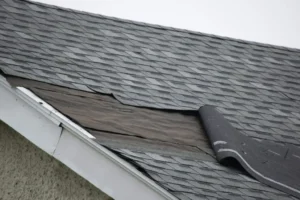
The red flags during a roof inspection are sagging or uneven rooflines, widespread granule loss on shingles, multiple layers of shingles already on the roof, separated or rusted flashing, gutters full of granules or pulling away from the fascia, moss or algae covering large sections of the roof, water staining on attic rafters or decking, and daylight visible through the roof deck from inside the attic. Each of these signals a specific type of problem with a different urgency level.
A sagging roofline is the most urgent finding because it signals structural failure in the deck or rafters. Widespread granule loss on shingles indicates the roof is near the end of its useful life. Separated flashing at a chimney or skylight means water is already getting past the first line of defense. According to the Residential Inspector of America, up to 90% of catastrophe losses in insurance claims are roof-related, which is exactly why professional inspectors take every one of these red flags seriously, even the ones that look minor on the surface.
What Do Home Inspectors Not Look For?
Home inspectors do not look for hidden or concealed conditions that require destructive testing to identify, the cause or source of specific leaks without further investigation, interior damage inside walls caused by past roof leaks that have since dried, or the remaining lifespan of roofing materials with exact precision. According to HomeAdvisor, home inspectors perform visual inspections and do not pull off shingles, cut into decking, or perform invasive testing during a standard inspection.
General home inspectors also often have limited roofing-specific training compared to a dedicated roofing contractor. They may note “the roof appears to be aging” without being able to identify the specific flashing failure or ventilation problem that is causing premature wear. For a thorough assessment of a roof’s true condition, especially before a major purchase or after a significant storm in the Watkinsville area, a licensed roofing contractor with field experience on residential roofs is a more reliable choice than a general home inspector for the roof-specific portion of any evaluation.
Which Hazard Is Most Commonly Overlooked in Inspections?
The hazard most commonly overlooked in roof inspections is inadequate attic ventilation. According to Roof-Crafters, improper attic ventilation is one of the biggest reasons roofs fail prematurely, yet it is frequently missed or underemphasized in quick visual inspections. Poor ventilation traps heat in the attic during Georgia summers, literally baking the underside of the shingles while the sun hits them from above. This dramatically shortens shingle life and can cause decking to warp and delaminate over time.
Ventilation problems also lead to moisture buildup in winter when warm interior air meets the cold underside of the roof deck. That moisture condenses on the wood and insulation, creating mold and rot conditions that are invisible from outside the home. A thorough inspector always checks intake vents at the soffits, exhaust vents at the ridge or near the peak, and the attic itself for signs of moisture, mold, or compressed insulation that signal a ventilation system that is not doing its job.
What Is the Most Common Home Inspection Fail?
The most common home inspection finding that requires attention is minor electrical problems, found in 60 to 70% of inspections according to Cal Pro Group, including missing GFCI outlets, improper wiring, outdated panels, or grounding issues. For roofing specifically, the most common findings are damaged or missing shingles, deteriorated flashing around chimneys and vents, clogged gutters, and inadequate attic ventilation. These are the four items that experienced contractors find on the largest percentage of roofs they inspect.
None of these findings automatically mean a roof needs full replacement. A few missing shingles and some flashing re-sealing can cost a few hundred dollars and add years of life to a roof that is otherwise in solid condition. The key is catching these issues early through regular professional inspections rather than waiting until they compound into a much larger problem. For homeowners in Oconee County and Towns County, scheduling an inspection every spring, after Georgia’s storm season passes, and every fall, before winter weather arrives, is the most cost-effective maintenance schedule.
What Are 5 Red Flag Symptoms in a Roof Inspection?
The 5 red flag symptoms in a roof inspection are a sagging or wavy roofline, water stains on attic rafters or interior ceilings, separated or corroded flashing at the chimney or vents, widespread curling or cracking shingles across most of the roof surface, and gutters filled with large amounts of shingle granules. Each of these symptoms points to a specific failure mode that requires professional attention.
A sagging roofline means the deck or framing beneath the surface is compromised. Water stains in the attic mean water has already crossed the first line of defense. Separated flashing means an active pathway exists for water at the most vulnerable points on the roof. Widespread curling shingles mean the material is past its service life. Granules in gutters mean the protective surface of the shingles is eroding, exposing the base mat to direct UV and weather. Two or more of these symptoms present at the same time is almost always a strong case for full replacement rather than repair.
What Decreases Property Value the Most?
The factors that decrease property value the most are foundation damage, a failing roof with documented water intrusion, mold or moisture issues throughout the structure, outdated and potentially hazardous electrical systems, and visible deferred maintenance that signals larger hidden problems. According to Full View Digital analysis of American Housing Survey repair data, water and structural issues dominate estimated repair dollars in the housing stock and are the most common drivers of reduced sale price in real estate transactions.
For homes in the Watkinsville and Hiawassee area, a roof that is past its life expectancy without documentation of regular professional maintenance and any needed repairs is one of the fastest ways to reduce what a buyer will pay. Buyers in today’s market are well-informed and routinely request roof inspections as part of purchase due diligence. A clean inspection report, or a report with only minor items already addressed, adds confidence to the transaction and supports the asking price.
What Things Fail a Home Inspection?
The things that most commonly fail or trigger major findings in a home inspection are active roof leaks, foundation cracks showing movement, defective or outdated electrical panels, plumbing leaks or drain failures, HVAC systems at or past end of life, and evidence of mold in the attic or crawl space. According to the American Home Inspector Training Institute, roofing issues vary in severity but typically represent a red flag category because of how expensive and labor-intensive many roofing problems are to fix.
Not every finding on an inspection report is a failure. Minor items like a few missing shingles, caulking that needs to be replaced around a vent pipe, or gutters that need cleaning are repair items, not failures. Major findings include active leaks, a sagging deck, widespread flashing failure, or a roof that is clearly past its service life with multiple systems failing simultaneously. A licensed roofing contractor can distinguish between the two clearly after a thorough physical inspection, and that distinction matters for both homeowners and buyers making decisions about how to proceed.
What Symptoms Should You Never Ignore on a Roof?
The symptoms you should never ignore on a roof are water stains on interior ceilings or walls, visible daylight through the roof deck from inside the attic, a roofline that sags in the middle or dips at the eaves, shingles that are curling upward at the edges or cracking across the surface, and granules washing into the gutters in large quantities after every rain. Each of these symptoms tells you something specific and urgent about the roof’s condition.
Water stains inside the home are the most urgent symptom because they mean water has already crossed every layer of protection and reached the living space. By the time that happens, the deck and insulation have typically been absorbing moisture for an extended period. Ignoring that symptom means the structural damage grows with every rainfall. For homeowners near Lake Chatuge in the Hiawassee area or in the neighborhoods surrounding Watkinsville, where heavy summer storms are a regular occurrence, any of these symptoms should trigger an inspection call within days, not months.
What Are the Top 10 Red Flags in a Roof Inspection?
The top 10 red flags in a roof inspection are an active or recent leak inside the attic or home, a sagging or wavy roof deck, missing or widespread cracked and curling shingles, separated or rusted flashing at chimneys and vents, clogged or damaged gutters with excessive granule buildup, moss or algae covering a large portion of the surface, evidence of two or more existing shingle layers, improper or missing attic ventilation, water staining on rafters or decking inside the attic, and patches of obviously mismatched or inconsistent roofing material indicating previous unpermitted repairs.
According to the Residential Inspector of America, roofing experts recommend scheduling a professional inspection at least twice a year, ideally in spring and fall, and that homeowners with roofs over 20 years old consider even more frequent inspections to catch signs of potential problems early. In Georgia’s active storm climate, inspecting after any significant hail or high-wind event is also strongly advised, regardless of whether visible damage is apparent from the ground. Hail damage is often invisible without walking the roof and knowing what to look for up close.
Roof Inspection Types: Cost and Coverage Comparison
| Inspection Type | Average Cost | Best For | What It Covers |
|---|---|---|---|
| Physical (Walk-on) | $75 to $200 | Most residential roofs | Shingles, flashing, gutters, attic, deck |
| Drone Inspection | $100 to $450 | Steep, complex, or high roofs | Full exterior surface with photo/video |
| Infrared (Thermal) | $400 to $600 | Suspected hidden moisture | Concealed moisture mapping under surface |
| Free Contractor Inspection | $0 | Pre-repair or replacement estimate | Visual assessment; varies by contractor |
| Insurance Claim Inspection | $0 (insurer-initiated) | Post-storm damage claims | Storm damage documentation for claim |
Sources: HomeAdvisor, HomeGuide, Bill Ragan Roofing, Angi, Thumbtack, Boss Exteriors
Frequently Asked Questions
How often should I get a roof inspection in Watkinsville, GA?
You should get a roof inspection in Watkinsville at least once a year, and twice a year is better. The Residential Inspector of America recommends scheduling professional inspections in spring and fall to catch damage from winter weather and to prepare for summer storm season. In Georgia’s active storm climate, inspecting after any significant hail event or high-wind storm is also advisable regardless of visible ground-level damage. Hail damage in particular is often invisible from the ground and only apparent to an experienced roofer walking the surface up close. Roofs over 15 years old in the Watkinsville area warrant more frequent checks.
Does a free roof inspection from a roofing contractor mean anything?
Yes, a free roof inspection from a reputable licensed contractor is legitimate and useful. Most established roofing companies in the Watkinsville and Hiawassee area offer free inspections when evaluating a roof for potential repair or replacement. The key distinction is choosing a local company with a verifiable license, insurance, and real references rather than an out-of-town storm chaser who showed up after a weather event. A free inspection from a trustworthy contractor who explains their findings in detail, shows you photos, and gives you a written scope of work with no pressure to sign immediately is a valuable service, not a bait-and-switch.
What happens after a roof inspection in Georgia?
After a roof inspection in Georgia, you receive a written report within 1 to 2 days detailing every area inspected, findings for each area, photos documenting any deficiencies, and recommendations for repair or replacement. According to HomeGuide, a quality inspection report is 3 to 4 pages long and includes an itemized findings section and a summary of recommended actions. If the inspection was performed for an insurance claim, the report becomes the documentation submitted to the insurer. If it was a pre-purchase inspection, the report becomes the basis for any negotiation with the seller over repairs or price credits.
What does a roof inspection look for after a hailstorm near Hiawassee, GA?
A roof inspection after a hailstorm near Hiawassee looks for soft spots or bruising on asphalt shingles where the granule surface has been knocked away by hail impact, dents or dings in metal flashing and gutters, cracked or split ridge caps, and displaced granules collecting in the gutters. Hail damage on asphalt shingles appears as circular or irregular bare spots where the granules have been removed, exposing the dark base mat underneath. According to Residential Inspector of America, these impacts are often invisible from the ground and require an experienced roofer to walk the surface and identify them properly. Always request a post-storm inspection from a licensed local contractor before filing any insurance claim.
Is a roof inspection required to sell a home in Watkinsville or Oconee County?
A roof inspection is not legally required to sell a home in Watkinsville or Oconee County, but it is strongly recommended. Most buyers will request a home inspection as a contract contingency, and the general home inspection almost always includes a roof assessment. According to a real estate professional quoted by ListWithClever, roof-related objections are the most frequent issues raised after a home inspection. Sellers who proactively obtain a professional roof inspection before listing can address any findings ahead of time, provide documentation to buyers, and remove one of the most common negotiation obstacles in any Georgia real estate transaction.
Can I do my own roof inspection in Georgia?
You can do a basic visual roof inspection yourself from the ground and from inside your attic, but it is not a substitute for a professional inspection. From the ground, you can spot obvious issues like missing shingles, sagging areas, moss growth, and gutters pulling away from the fascia. From the attic, you can check for water staining on rafters, daylight visible through the decking, and signs of mold or moisture on insulation. According to FoxHaven Roofing, safety always comes first, and any homeowner who is uncomfortable with heights or has a steep-pitched roof should hire a professional rather than climbing on the roof. A licensed contractor has the training and insurance to inspect safely and document findings accurately in a format useful for insurance claims or real estate transactions.
Final Thoughts
A good roof inspection looks at every part of the system: shingles, flashing, gutters, the deck, attic ventilation, and all penetrations. It costs $75 to $400 on average for a standard physical inspection and takes 1 to 2 hours for most homes. The red flags that matter most are active leaks, sagging decking, widespread shingle failure, and separated flashing. Any of these findings, especially in combination, move a roof from the repair conversation to the replacement conversation. For homeowners in Watkinsville, Hiawassee, and the surrounding North Georgia area, annual professional inspections and prompt attention to any findings are the most cost-effective way to protect one of the most valuable components of your home.
If you are not sure what condition your roof is in, or if a recent storm has you wondering whether there is damage you cannot see from the ground, the team at Ridgeline Roofing and Exteriors serves homeowners throughout Watkinsville, Hiawassee, and the surrounding communities with honest, detailed roof inspections and straightforward repair and replacement recommendations. Contact Ridgeline Roofing today to schedule your free roof inspection. Get the full picture of your roof’s condition before a small problem becomes a very expensive one.
Ready to find out what your roof actually needs? Start with a professional assessment from the roof installation experts in Watkinsville who know North Georgia roofs inside and out.