Commercial Roof Warning Signs for Bishop Area Business Owners
Business owners in Bishop, North High Shoals, and Bostwick along High Shoals Road in the 30621 zip code face unique roofing challenges that can impact their bottom line. Properties near Bishop Baptist Church and throughout the Poplar Springs and Covena areas experience heavy rainfall, humidity, and severe weather that can cause membrane deterioration, flashing failures, and structural damage to commercial roof systems. According to the National Roofing Contractors Association, roof-related issues account for 25 percent of residential claim value, with commercial properties facing even higher repair costs when problems go undetected.
Commercial buildings from Elder Mill Road to Mars Hill Road in Bishop require different maintenance approaches than residential structures due to their flat roof systems, TPO membranes, and modified bitumen installations. The Asphalt Roofing Manufacturers Association reports that 80 percent of roofs use asphalt-based materials, but commercial properties in Ashland, Washington Farms, and Echo Brook Park often feature EPDM rubber membranes and standing seam metal panels that show distinct warning signs before major failures occur. Understanding these indicators helps business owners near Westminster Christian Academy and High Shoals Elementary avoid costly emergency repairs and potential business interruptions. Homeowners in Poplar Springs, Covena, and North High Shoals along High Shoals Road benefit from professional commercial roofing services that address these concerns before they escalate.
Visible Surface Damage on Commercial Roofing Systems
Membrane Cracking and Split Seams
EPDM rubber membranes on commercial buildings throughout Bishop, Farmington, and Elder show distinctive cracking patterns as they age and weather. Properties near Salem Baptist Church and along Hillsboro Road in the 30645 zip code develop small fissures that expand during freeze-thaw cycles, allowing moisture penetration into the roof decking and insulation layers. Business owners in Nolan Manor, Little Creek, and Scull Shoals should inspect their TPO membrane seams regularly, as heat-welded joints can separate under thermal expansion stress.
Granule Loss and Surface Weathering
Modified bitumen roofing systems on commercial properties from Experiment Station Road to Lane Creek Road exhibit granule loss that exposes the underlying asphalt layer to UV radiation. Buildings near Oconee Veterans Park and throughout the Woodlands and Woodridge North areas show accelerated weathering due to Georgia’s intense summer heat, with surface temperatures reaching levels that cause membrane shrinkage. According to Verisk Roofing Realities Trend Report, roofs in moderate to poor condition experience 60 percent higher loss costs, making early detection critical for businesses in the 30677 zip code.
Ponding Water and Drainage Issues
Flat roof systems on commercial buildings in Bishop, Apalachee, and Bostwick develop ponding water problems when roof slopes become inadequate or drainage systems fail. Properties along US 441 and Hog Mountain Road near Oconee County High School show standing water accumulation that can cause membrane deterioration, increased structural loads, and ice-and-water infiltration during winter months. Business owners near Heritage Park and Antioch Christian Church should monitor roof drains, scuppers, and gutters for debris blockages that prevent proper water evacuation from their roof surfaces.
Interior Warning Signs of Commercial Roof Failure
Water Stains and Ceiling Discoloration
Water infiltration through compromised flashing, pipe boots, and roof penetrations creates visible staining on interior ceilings throughout commercial properties in Elder, Poplar Springs, and Covena. Buildings near Presbyterian Village and along Greensboro Highway show brown discoloration patterns that indicate active leaks requiring immediate attention to prevent structural damage and mold growth. The Insurance Institute data shows that 50+ percent of residential claims involve wind and hail damage, but commercial properties face additional risks from HVAC equipment, roof-mounted units, and membrane punctures that cause interior moisture problems.
Mold Growth and Moisture Intrusion
Commercial buildings from North High Shoals to Farmington develop mold growth when moisture penetrates through damaged underlayment, compromised vapor barriers, or failed step flashing around roof transitions. Properties near Lane Creek Golf Course and throughout the 30638 zip code experience high humidity levels that accelerate mold development once moisture intrusion begins. Business owners should examine areas around roof vents, exhaust fans, and skylight installations for signs of moisture infiltration that can compromise indoor air quality and create health hazards for employees and customers.
Structural Sagging and Ceiling Deformation
Excessive moisture absorption in roof decking, OSB sheathing, and insulation materials causes structural sagging visible from interior spaces in commercial buildings throughout Bishop, Ashland, and Washington Farms. Properties along Mars Hill Road and near Malcom Bridge Elementary show ceiling deformation patterns that indicate compromised structural integrity requiring immediate professional assessment. According to IBISWorld, Georgia’s roofing market represents 2.3 percent of the state’s GDP, reflecting the critical importance of maintaining commercial roof systems to prevent catastrophic failures.
Exterior Structural Warning Signs
Fascia Board Deterioration and Soffit Damage
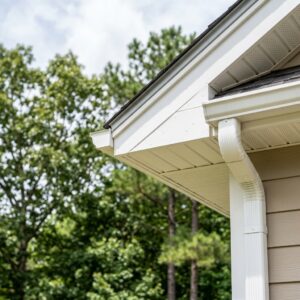
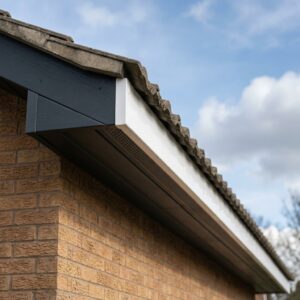
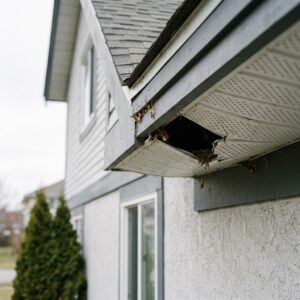
Commercial buildings near Echo Brook Park, Eastville, and along Elder Mill Road show fascia board rot and soffit panel damage when roof edge systems fail to protect against wind-driven rain and moisture intrusion. Properties in the 30621 zip code experience accelerated deterioration due to Georgia’s humid climate, with wooden fascia boards showing signs of decay, pest infiltration, and structural weakness. Understanding commercial roofing challenges for businesses helps owners in Nolan, Heritage Park, and Salem recognize when fascia replacement becomes necessary to prevent further structural damage.
Flashing Separation and Joint Failures
Counter flashing, step flashing, and chimney flashing systems on commercial properties from Bishop to North High Shoals develop separation gaps that allow water penetration into wall systems and roof assemblies. Buildings near Bishop Baptist Church and throughout Covena, Woodlands, and Little Creek areas show flashing displacement caused by thermal expansion, wind uplift, and settling that creates vulnerability points for moisture infiltration. Business owners should inspect roof-to-wall transitions, parapet caps, and equipment curb flashing for signs of separation or mechanical fastener failure.
Gutter System Problems and Overflow Issues
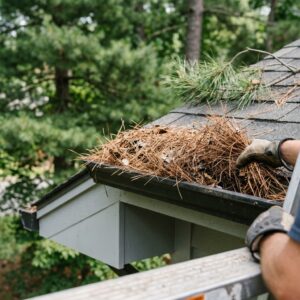
Commercial gutter systems along Hog Mountain Road, High Shoals Road, and throughout the Scull Shoals and Wrayswood areas develop overflow problems when debris accumulation, improper slope, or structural damage prevents adequate water drainage. Properties near Providence Golf Club and Oconee Forest Disc Golf Course experience seasonal debris loading that can cause gutter separation from fascia boards, creating water damage risks for building exteriors and foundations. According to the American Institute of Architects, commercial construction spending grew 3 percent in 2024, but inadequate roof maintenance can negate these infrastructure investments.
HVAC and Rooftop Equipment Issues
Equipment Mounting and Vibration Damage
Rooftop HVAC units, exhaust fans, and mechanical equipment on commercial buildings throughout Bishop, Elder, and Farmington create membrane punctures, flashing failures, and structural stress points that compromise roof integrity. Properties along Experiment Station Road and near Butler’s Crossing show equipment-related damage patterns where inadequate mounting systems allow vibration transmission to roof membranes and underlying structural components. Business owners in the 30677 zip code should examine curb-mounted equipment installations, electrical conduit penetrations, and refrigerant line connections for signs of movement or seal failure.
Condensation Problems and Drainage Conflicts
HVAC condensate drainage systems on commercial buildings from Poplar Springs to Apalachee can overwhelm roof drainage capacity during peak cooling seasons, creating standing water conditions that accelerate membrane deterioration. Properties near Westminster Christian Academy and throughout Bostwick, Woodridge North, and Lane Creek areas experience condensate overflow that pools around equipment bases and penetrates through compromised pipe boot seals. Our Watkinsville roofing contractors recommend regular inspection of condensate drain lines, overflow provisions, and equipment platform drainage to prevent moisture-related roof damage.
Seasonal Weather Impact Indicators
Storm Damage Assessment Points
Commercial properties in Bishop, North High Shoals, and along US 441 show distinct storm damage patterns following severe weather events that can compromise roof system performance. Wind uplift damage affects membrane edges, parapet cap installations, and roof-mounted equipment, while hail impact creates punctures in TPO membranes, granule displacement on modified bitumen surfaces, and denting in metal panel systems. According to Verisk data, non-catastrophic wind and hail roof claims increased from 17 percent in 2022 to 25 percent in 2024, highlighting the importance of post-storm roof inspections for businesses near Antioch Christian Church and throughout the Ashland, Washington Farms, and Echo Brook Park areas.
Thermal Expansion and Contraction Effects
Georgia’s extreme temperature variations cause significant thermal stress on commercial roof systems throughout Elder, Covena, and Farmington, with membrane expansion and contraction cycles creating stress points at seams, penetrations, and transitions. Properties near High Shoals Elementary and along Mars Hill Road in the 30645 zip code experience temperature differentials that can cause membrane splitting, flashing displacement, and fastener backup. Business owners should monitor roof surfaces for thermal-related damage patterns, particularly around equipment curbs, expansion joints, and membrane termination points where movement occurs.
UV Degradation and Heat Cycling
Prolonged exposure to Georgia’s intense UV radiation accelerates membrane degradation on commercial buildings throughout the Woodlands, Heritage Park, and Salem areas, causing surface chalking, brittleness, and reduced flexibility that leads to cracking and failure. Properties along Lane Creek Road and near Oconee Veterans Park show advanced UV damage on south-facing roof areas where solar exposure is most intense. Learning about how georgia heat impacts commercial roof systems helps business owners in Nolan Manor, Little Creek, and Scull Shoals understand the importance of reflective coatings, proper ventilation, and membrane selection for long-term performance.
Preventive Maintenance Scheduling
Seasonal Inspection Protocols
Commercial property owners throughout Bishop, Poplar Springs, and Elder should establish bi-annual roof inspection schedules that address seasonal weather impacts, equipment maintenance needs, and membrane condition assessment. Properties near Butler’s Crossing and along Greensboro Highway benefit from spring inspections following winter freeze-thaw cycles and fall evaluations before severe weather season. According to RubyHome data, 85 percent of roofing business comes from replacement work, but proactive maintenance can extend roof lifespan and prevent premature failure in commercial applications.
Documentation and Warranty Compliance
Maintaining detailed inspection records, repair documentation, and maintenance logs helps commercial property owners in Bostwick, Apalachee, and North High Shoals preserve manufacturer warranties and insurance coverage while tracking roof system performance over time. Buildings throughout the 30621 zip code near Presbyterian Village and along Hillsboro Road require systematic documentation approaches that include photographic evidence, condition assessments, and professional evaluation reports. Understanding flat roof problems common in Oconee County helps business owners establish appropriate maintenance intervals and inspection protocols for their specific roof systems.
Professional Assessment and Repair Planning
Contractor Selection and Evaluation
Commercial property owners in Ashland, Washington Farms, and Echo Brook Park require experienced contractors who understand the unique challenges of flat roof systems, membrane installations, and equipment integration common to business applications. Properties along Hog Mountain Road and throughout the 30677 zip code benefit from contractors with specific experience in TPO welding, EPDM adhesive systems, and modified bitumen torch application techniques. Ridgeline Roofing and Exteriors provides comprehensive commercial roofing services throughout Oconee County, with specialized expertise in flat roof systems, equipment installations, and preventive maintenance programs for businesses in Bishop, Elder, and surrounding communities.
Cost Planning and Budget Considerations
According to Angi data, typical roof repair costs in the Atlanta area range from $320 to $1,009, but commercial properties throughout Farmington, Covena, and Woodlands face higher expenses due to specialized materials, equipment requirements, and accessibility challenges. Business owners near Lane Creek Golf Course and along Experiment Station Road should budget for regular maintenance costs, emergency repair contingencies, and eventual roof replacement planning. IBISWorld reports that Georgia employs 7,055 workers in roofing contracting, with annual growth rates of 2.1 percent reflecting increased demand for commercial roof services throughout Oconee County.
Emergency Response Planning
Developing emergency response protocols for roof failures helps commercial property owners in Heritage Park, Salem, and Woodridge North minimize business interruption, protect inventory, and ensure employee safety during weather events or sudden system failures. Properties near Malcom Bridge Elementary and throughout the Nolan, Little Creek, and Scull Shoals areas should establish relationships with qualified contractors, maintain emergency repair materials, and understand temporary weatherization procedures. Implementing commercial roof maintenance tips for properties along us 441 helps business owners prepare for various scenarios and reduce response time during critical situations.
Long-Term Roof Performance Management
Commercial property owners throughout Bishop, North High Shoals, and Bostwick benefit from comprehensive roof management strategies that address both immediate repair needs and long-term performance optimization. Properties along High Shoals Road, Elder Mill Road, and Mars Hill Road in the 30621 and 30645 zip codes require systematic approaches to membrane maintenance, drainage system upkeep, and equipment integration that prevent minor issues from developing into major problems. According to the Cost vs Value Report, typical roof replacement ROI ranges from 60-70 percent, making strategic maintenance investments critical for preserving property values throughout the Poplar Springs, Covena, and Elder areas.
Regular professional assessments, proactive maintenance scheduling, and strategic repair planning help business owners near Westminster Christian Academy, Bishop Baptist Church, and Antioch Christian Church protect their commercial investments while ensuring operational continuity. Properties throughout Ashland, Washington Farms, Echo Brook Park, and the surrounding Oconee County communities face unique environmental challenges that require specialized knowledge and experience to address effectively. Understanding storm damage risks for commercial roofs near the oconee River helps business owners develop comprehensive protection strategies that address both immediate concerns and long-term performance requirements for their commercial roof systems.