 Skip to content
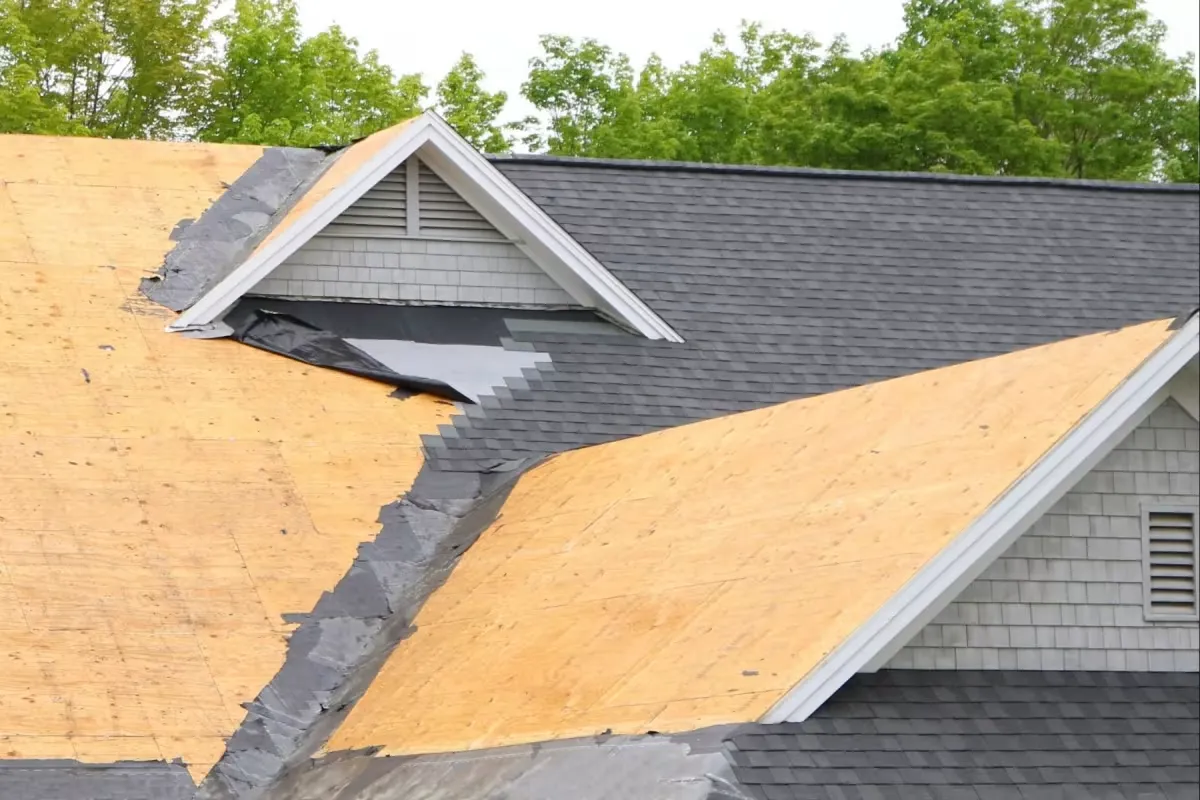
Replacing a roof in Georgia costs between $8,000 and $20,000 for most homeowners, with the typical midpoint around $12,000 for a standard 2,000-square-foot home using architectural asphalt shingles, according to 2025 pricing data compiled by RST Roofing & Renovations. The final number shifts based on your roof size, the materials you choose, your roof pitch, whether tear-off is needed, and whether the deck underneath has any damage. This guide covers every factor that moves the price up or down, what each roofing material costs in the Watkinsville and Hiawassee, Georgia areas, how to know if your roof really needs to go, and what to watch for when hiring a contractor.
How Much Does It Cost to Replace a Roof in Georgia?
The cost to replace a roof in Georgia typically runs from $8,000 to $30,000, depending on your home’s size, the materials you choose, and the complexity of your roofline, according to Skyline Contracting’s Georgia roofing cost research. Georgia roof replacement prices tend to run about 10% below the national average, according to Roof Observations’ 2025 Georgia cost guide, because both labor and materials are slightly more affordable here than in many northern or coastal states. That is good news for homeowners in Oconee County around Watkinsville and up in the Blue Ridge foothills near Hiawassee.
According to RubyHome’s 2025 Roofing Statistics report, the national average cost of a full roof replacement is around $9,526, with a common range of $5,868 to $13,217. Premium materials like slate or copper push totals as high as $80,000. Per-square-foot installation costs run from $4 to $40 depending on the material selected.
Georgia’s humid subtropical climate creates specific wear patterns that matter when budgeting. Hot, wet summers promote algae growth on shingles. Occasional ice events stress roofs in the north Georgia mountains near Hiawassee. Heavy seasonal storms in Oconee County around Watkinsville cause impact and wind damage over time. All of these conditions factor into which material gives you the best value and how fast your current roof is aging.
The team handling roof replacement in Watkinsville can walk you through current material and labor costs and give you a straight quote based on your specific home.
Georgia Roof Replacement Cost by Material (2025)
| Roofing Material | Typical Georgia Cost | Expected Lifespan | Best Suited For |
|---|---|---|---|
| 3-Tab Asphalt Shingles | $5,000 – $12,000 | 15 – 20 years | Budget-focused projects |
| Architectural Asphalt Shingles | $8,000 – $20,000 | 20 – 30 years | Best value for most GA homes |
| Metal Roofing | $10,800 – $40,000 | 40 – 70 years | Long-term durability; mountain climates |
| Tile (Clay or Concrete) | $60,000 – $100,000 | 50 – 100+ years | Premium curb appeal and longevity |
| Slate | $60,000 – $100,000 | 75 – 150 years | Historic or high-end homes |
Sources: RST Roofing & Renovations (2025 Georgia Pricing Data), Roof Observations Georgia Cost Guide (2025), Roofing Georgia Cost Analysis (2024), Skyline Contracting Georgia (2025).
How Much Does a New Roof Cost for a 2,000-Square-Foot House?
A new roof for a 2,000-square-foot house costs between $8,000 and $20,000 for architectural asphalt shingles in Georgia, with the average sitting around $12,000, according to RST Roofing & Renovations’ 2025 Georgia pricing data. The median home size in Georgia runs between 2,100 and 2,200 square feet, according to Skyline Contracting’s regional research, which means most Watkinsville homeowners are looking at a project in that same ballpark or slightly higher due to the extra square footage.
Roofing contractors price jobs by the “square,” meaning 100 square feet of roof surface. A 2,000-square-foot house has about 20 to 25 roofing squares once pitch and overhangs are accounted for. Material and labor together typically run $5 to $25 per square foot for asphalt shingles, and $10 to $40 per square foot for metal roofing, according to Roof Observations’ Georgia analysis. Steeper roofs, complex valleys, or multiple chimneys all push the per-square-foot price higher.
What Is the Cheapest Way to Replace a Roof?
The cheapest way to replace a roof is to choose 3-tab asphalt shingles and get multiple written quotes from licensed local contractors. In Georgia, 3-tab shingle replacements start as low as $5,000 to $8,000 for smaller homes, making them the most budget-friendly option available. They cost less per square foot than architectural shingles, metal, tile, or slate.
A few other strategies help keep costs lower. First, timing matters. Contractors are least busy in late winter, so scheduling in January or February often means faster availability and occasionally more pricing flexibility. Second, comparing at least three written quotes lets you evaluate material brands, warranty terms, and labor costs side by side. Third, if your roof has only one layer of existing shingles and the deck is in solid shape, an overlay installation skips the tear-off step and saves on labor and disposal fees. Georgia building code limits roofs to two layers total, so this option is not always available.
The least expensive choice is not always the best value, however. A 3-tab shingle roof in Georgia may need full replacement in 15 years. An architectural shingle roof can last 25 to 30 years. Spending a bit more upfront often means fewer replacements and lower total lifetime cost.
Homeowners in Watkinsville exploring their options can review all available roofing material choices before committing to a price point.
What Is the Average Lifespan of a Roof?
The average lifespan of a roof is 25 to 50 years, depending on the material, installation quality, and maintenance history, according to RubyHome’s 2025 Roofing Statistics report. However, the average roof being replaced in the U.S. was slightly over 19 years old at the time of replacement, suggesting many roofs wear out earlier than their rated lifespan due to climate, installation issues, or deferred maintenance.
Lifespan by material breaks down as follows: 3-tab asphalt shingles last 15 to 20 years; architectural asphalt shingles last 20 to 30 years; premium asphalt shingles can reach up to 50 years; metal roofing lasts 40 to 70 years; concrete or clay tile lasts 50 to 100-plus years; and slate can last 75 to 150 years.
Georgia’s humid subtropical climate creates specific challenges that shorten roofing lifespans. Warm, wet summers promote algae and mildew on shaded roofs throughout Oconee County. Roof Observations’ Georgia climate analysis strongly recommends algae-resistant shingles for homes in the Watkinsville area. Proper attic ventilation is equally important. When summer heat builds up in an unventilated attic, it effectively cooks shingles from below, cutting years off their service life.
Does a 20-Year-Old Roof Need to Be Replaced?
Yes, a 20-year-old roof very likely needs to be replaced, or at minimum inspected by a licensed contractor right away. A 3-tab asphalt shingle roof at 20 years is at or beyond the end of its rated lifespan. An architectural shingle roof at 20 years may have 5 to 10 more years left, but only if installation quality was high and maintenance was consistent.
A 20-year-old roof in Georgia has survived years of summer heat, heavy thunderstorms, humidity, and UV exposure. Homes in the Hiawassee area, sitting above 1,600 feet of elevation in the Blue Ridge foothills, also face more temperature swings that stress shingles through repeated expansion and contraction. Homes in lower-elevation Watkinsville deal with intense summer thunderstorms and standing summer heat that accelerate granule loss.
Warning signs on a roof this age include curling or cupping shingles, missing granules visible as dark patches on the shingle surface or granule buildup in gutters, sagging decking, daylight visible from the attic, or water stains on interior ceilings. Any one of these signs is a clear signal to act before the roof fails completely.
An inspection using Drone Zone AI Roofing Inspections can assess your aging roof without anyone walking the surface, giving you a clear picture of remaining life and any problem areas before they become leaks.
What Is the Most Expensive Part of Replacing a Roof?
The most expensive part of replacing a roof is the roofing material itself, which typically accounts for 40% to 50% of the total project cost. Labor is the second-largest expense at 30% to 40%. Everything else, including tear-off, disposal, underlayment, flashing, and permits, makes up the remainder.
Material Costs
Premium materials like slate or copper drive the highest project totals. Even within the asphalt shingle category, upgrading from 3-tab to architectural shingles can add $2,000 to $5,000 to a typical Georgia home project. Metal roofing carries the highest upfront material cost but also the longest lifespan, which can lower your lifetime cost per year compared to replacing an asphalt roof twice over the same period.
Labor Costs
Skilled roofing crews in Georgia typically charge between $45 and $65 per hour, according to Pro Roofing & Siding’s 2026 Georgia commercial roofing cost analysis. Steep roof pitches above 8/12 require specialized equipment and extra safety measures, which can increase labor costs by 25% or more compared to a standard-pitch roof, according to RST Roofing & Renovations’ pricing data. Complex rooflines with dormers, skylights, and multiple chimneys add time and cost on top of that.
Tear-Off and Deck Repairs
Georgia building code limits roofs to two layers of shingles. If your home already has two layers, both must be removed before a new roof goes on. Each additional layer adds approximately $1 per square foot in removal costs, according to RST Roofing & Renovations. Deck damage discovered during tear-off, such as rot or delamination, adds repair costs before a single new shingle is installed.
What Is the Downside to a Metal Roof?
The downside to a metal roof is the higher upfront cost. In Georgia, metal roof installation typically runs from $10,800 to $40,000 depending on the metal type and home size, according to Roofing Georgia’s 2024 cost guide. That is two to four times the price of a standard architectural shingle roof, which makes the initial investment difficult to absorb for many homeowners in Watkinsville and Hiawassee, even knowing the roof may last 40 to 70 years.
Other downsides include noise during heavy rain if the roof is not properly insulated underneath, the potential for denting from large hail, and the fact that panel-style metal roofs may be harder to match exactly if a small section needs repair years later. Some metal systems also expand and contract with temperature changes, which can produce occasional noise in the structural framing.
On the positive side, metal roofing performs exceptionally well through Georgia’s storm-heavy summers and holds up to ice events that affect the north Georgia mountains near Hiawassee. It reflects summer heat, which can meaningfully reduce air conditioning costs, and requires very little maintenance compared to shingles. For homeowners in Hiawassee or Watkinsville who plan to stay in their home long-term, the math often works in metal’s favor.
You can review how metal roofing compares to shingle options for homes in Oconee County on the Watkinsville metal roofing service page.
What Can I Do If I Cannot Afford a New Roof?
If you cannot afford a new roof right now, the best options are contractor financing, a home improvement loan, a home equity line of credit (HELOC), or a state or county assistance program. Ignoring a failing roof is never a safe strategy. Water intrusion causes structural damage, mold, and insulation failure that cost far more to fix than a proactive replacement.
Many roofing contractors serving the Watkinsville and Hiawassee areas offer payment plans that spread the cost over time. Ridgeline Roofing and Exteriors offers residential roof financing options so homeowners do not have to delay a necessary replacement because of upfront cost barriers.
If storm damage caused or contributed to your roof’s condition, your homeowner’s insurance may cover part or all of the replacement. Georgia homeowners who experience wind or hail damage should document the damage thoroughly with photos immediately after the storm and contact their carrier promptly. A licensed contractor can often help with claims documentation. Georgia homeowners in Oconee or Towns County should also check with their county’s community development office about assistance programs for major home repairs.
How to Tell If a Roofer Is Lying
You can tell if a roofer is lying by watching for specific red flags that reputable contractors never display. A dishonest roofer will pressure you for an immediate decision, demand full payment before work starts, claim damage that does not exist, refuse to give a written contract, or cannot produce proof of a Georgia contractor’s license and general liability insurance.
Red flags to watch for when getting roofing quotes in the Watkinsville or Hiawassee area include: door-to-door sales pitches immediately after a storm; bids that are dramatically lower than every other quote; requests for large cash deposits before any work begins; no physical local address or verifiable reviews in the community; vague contract language about which material brands will be used; and any claim of a “special arrangement” with your insurance company.
Working with an established local contractor who has verifiable reviews within your community is the most reliable protection. Companies that operate in Watkinsville and serve Towns County near Hiawassee have local reputations to protect and are far less likely to cut corners or mislead homeowners.
Is There a Tax Credit for Replacing a Roof?
For most homeowners, there is no federal tax credit for replacing a standard asphalt or metal roof. According to the IRS Energy Efficient Home Improvement Credit (Section 25C) guidance, as corrected in the 2023 Form 1040 instructions and remaining in effect through 2025, metal roofs with pigmented coatings and asphalt shingles with cooling granules were removed from the list of qualifying materials and are ineligible for the credit.
There is one meaningful exception. If your new roof includes solar-generating components such as solar shingles or solar roofing tiles that both generate electricity and function as structural roofing material, you may qualify for the Residential Clean Energy Credit (Section 25D). According to the IRS and ENERGY STAR, that credit covers 30% of qualifying costs with no annual dollar cap for qualifying installations through December 31, 2025. Homeowners who had qualifying solar roofing installed in 2025 may still claim this credit when filing their 2025 tax return in 2026.
Even without a federal tax credit, a new roof delivers real financial value. According to RubyHome’s roofing statistics research, a new roof is one of the few exterior home remodeling projects with close to 100% cost recovery at resale. Always consult a qualified tax professional to review your specific situation before making any credits claims.
At What Age Is a Roof Considered Old?
A roof is considered old when it reaches 15 to 20 years for 3-tab shingles, or 20 to 25 years for architectural shingles. According to RubyHome’s 2025 roofing statistics, the average roof being replaced in the U.S. was slightly over 19 years old, meaning most homeowners reach the decision point right around the 20-year mark.
In Georgia’s warm, humid climate, roofs often age faster than the national average. Researchers at J&M Roofing note that asphalt shingles in warmer southern environments average around 14 years of service life compared to 19 or more years in cooler northern states. The combination of heat, UV exposure, humidity, and summer storm frequency in places like Watkinsville and Hiawassee means homeowners should start paying close attention to their roof well before the warranty milestones approach.
Annual inspections after your roof passes the 12 to 15-year mark give you early warning before problems become leaks or structural issues.
What Is the 25% Rule in Roofing?
The 25% rule in roofing is a guideline that says if more than 25% of your roof surface is damaged or deteriorating, a full replacement is more cost-effective than targeted repairs. Patching a quarter or more of a roof surface rarely solves the underlying issue and often leads to repeated repair costs that add up to more than a full replacement would have cost from the start.
Insurance adjusters and licensed contractors often use this benchmark when evaluating storm damage. If a storm in Oconee County damages 30% of a home’s shingle surface, most professionals will recommend full replacement over spot repairs. The rule is a useful guideline, not a hard legal threshold, but it is a reliable way to think about the tipping point between repair and replacement.
For homeowners whose damage is more limited, shingle roof repair in Watkinsville may still be the right call. A professional assessment is the clearest way to know which direction makes financial sense for your specific situation.
What Time of Year Is the Cheapest to Replace a Roof?
The cheapest time of year to replace a roof is late winter, from January through early March. Roofing contractors are at their slowest during these months, especially in Georgia where temperatures stay mild enough to work but storm season has not yet started. Less demand can mean faster scheduling and occasionally more flexibility on pricing.
Late fall, October through November, is another solid window. The summer storm rush has passed, temperatures are comfortable for workers, and contractors are looking to fill their schedules ahead of the slow season. Both of these windows offer better availability and scheduling flexibility than peak summer in Watkinsville or Hiawassee.
The worst times to try to schedule a roof replacement are right after a major storm event, when every licensed contractor in the county is booked weeks out, and during peak summer when demand is highest. If your roof can safely wait a few months, timing the project outside storm season is worth considering.
What Temperature Is Too Cold to Replace a Roof?
Temperatures below 40 degrees Fahrenheit are generally too cold to install asphalt shingles safely. Most shingle manufacturers specify a minimum installation temperature of 40 to 45 degrees in their product guidelines. Below that threshold, asphalt shingles cannot seal properly to each other, which increases the risk of wind uplift and premature failure even if the shingles eventually bond as temperatures rise.
In Hiawassee, GA, which sits above 1,600 feet of elevation in the Blue Ridge foothills, winter temperatures occasionally drop into the 20s and 30s. Homeowners there may face more weather-related scheduling delays than those in lower-elevation Watkinsville where temperatures are typically milder. Reputable Georgia roofing contractors will not install asphalt shingles below the manufacturer’s minimum temperature and will reschedule accordingly.
Metal roofing is less temperature-sensitive during installation, which makes it a more schedule-friendly option for mountain communities near Hiawassee where cold snaps interrupt work windows more often.
What Not to Say to a Roof Insurance Adjuster?
You should never tell a roof insurance adjuster that you are not sure when the damage happened, that the roof has been problematic for a while, that you have been meaning to replace it anyway, or that you agree with their on-the-spot assessment without your own contractor present. Any of these statements can be used to classify the damage as age-related or pre-existing rather than storm-caused, which gives the carrier grounds to reduce or deny the claim.
Keep your statements factual and specific. Stick to what you know: the date of the storm, what you observed afterward, and that you are filing a claim. Let the adjuster conduct their inspection without volunteering extra information. Before the adjuster arrives, document everything with photos and, if possible, have a licensed roofing contractor walk the roof independently so you have a written professional assessment in hand before the insurance evaluation begins.
If your claim is denied, you have the right to dispute it with your carrier. A contractor’s written damage report is strong evidence to present during that process. Homeowners near Watkinsville who suspect storm damage should get a professional inspection documented before the insurance adjuster’s visit.
Will Roofing Costs Go Down in 2026?
Roofing costs are not expected to go down significantly in 2026. According to Pro Roofing & Siding’s 2026 commercial roofing cost analysis, material costs for common roofing systems climbed 8% to 12% since 2024, driven by petroleum-based membrane pricing and supply chain adjustments, and those increases are now fully reflected in contractor quotes with no clear reversal expected.
Labor costs are also stable or rising. According to the U.S. Bureau of Labor Statistics, the national median wage for a roofer was $50,970 per year in 2024, and wage growth in the skilled trades has continued upward. An ongoing shortage of trained roofing professionals in Georgia makes it unlikely that labor rates will soften in the near term.
If you are on the fence about replacing your roof in the Watkinsville or Hiawassee area, waiting is unlikely to save you money. A deteriorating roof that begins leaking before you act adds interior water damage costs on top of the eventual replacement bill, making the total cost substantially higher than acting now.
When Should You Not Put on a New Roof?
You should not put on a new roof if you are within one to two years of selling your home and the current roof still has documented life remaining. In that case, a targeted repair combined with clear disclosure to potential buyers is often more cost-effective than a full replacement. A new roof does boost resale value, but short sale timelines do not always allow full cost recovery.
You should also hold off on a full replacement if targeted repairs can genuinely solve the problem. If less than 25% of the roof surface is damaged and the remaining shingles have at least a decade of life left, a repair may be the smarter short-term decision. Roof repair in Watkinsville is a viable path for homeowners whose damage is isolated rather than widespread.
Finally, never replace a roof during extreme weather, when contractors are overwhelmed after a local storm event, or without comparing at least three written quotes. Rushed decisions under pressure almost always produce worse outcomes than taking the time to evaluate your options carefully.
How Long Does It Take to Replace a Roof on a 2,200-Square-Foot House?
It takes one to three days to replace a roof on a 2,200-square-foot house under normal working conditions. Most standard residential replacements with an experienced crew are completed in a single full workday. Complex rooflines with multiple angles, dormers, or skylights, or roofs that require significant deck repairs underneath, can extend the timeline to two or three days.
Weather is always a variable in Georgia. Summer afternoon thunderstorms can pause work mid-project, especially near Hiawassee where mountain afternoon storms develop quickly in July and August. A reputable contractor will plan around the forecast and will not leave your roof without temporary weather protection overnight if the job is not fully complete.
The sequence typically runs: tear-off of old shingles, inspection of the deck, any deck repairs needed, new underlayment and ice-and-water shield where required by code or manufacturer specs, new shingles, ridge cap installation, and flashing around any penetrations. Final cleanup and magnetic nail sweeping of the yard usually happen the same day or the following morning.
Can I Live in My House While the Roof Is Being Replaced?
Yes, you can live in your house while the roof is being replaced. Most homeowners stay home throughout a roof replacement without any real inconvenience beyond noise. The process is loud, especially during tear-off and nail-gun use, but it is entirely contained to the exterior and does not require you to vacate.
A few practical things to handle before the crew arrives: take down framed items hanging on walls inside the home, since overhead vibrations can knock them loose. Move vehicles away from the house perimeter to protect them from falling debris. If you have small children or pets, keep them away from the work zone throughout the day. A responsible crew will set protective tarps around the home’s perimeter to catch falling materials and will do a magnetic nail sweep of the yard at the end of each workday to prevent punctured tires or stepped-on fasteners.
Commercial roofing projects for businesses near Watkinsville can typically also continue operating during re-roofing, depending on the building type. The commercial roofing team in Watkinsville can discuss how to minimize disruption for active business properties.
How Many Years Should You Replace a Roof on Your House?
You should plan to replace a roof every 20 to 30 years for standard architectural asphalt shingles, or every 15 to 20 years for 3-tab shingles. According to RubyHome’s 2025 roofing statistics, roughly 5 million roofs are installed in the U.S. every year, reflecting both new construction and the steady volume of aging roofs reaching the end of their service life.
In practice, the replacement timeline depends heavily on material grade, installation quality, Georgia’s climate exposure, and maintenance history. A well-installed architectural shingle roof in Oconee County with proper attic ventilation and annual inspections could comfortably reach 28 to 30 years. A poorly ventilated 3-tab roof on a home near Lake Chatuge in Towns County that faces heavy mountain storms each summer may need attention well before the 15-year mark.
The most reliable approach is not to follow a fixed calendar but to have your roof professionally inspected every two to three years after it passes the 10-year mark. Early identification of problems is always cheaper than dealing with the full consequences of a roof that fails without warning.
If you are ready to get a clearer picture of your roof’s current condition or explore replacement options, the roof installation service in Watkinsville is a good starting point for homeowners in the area.
Frequently Asked Questions About Roof Replacement in Watkinsville and Hiawassee, GA
How much does a new roof cost for a 2,000-square-foot house in Georgia?
A new roof for a 2,000-square-foot house in Georgia costs between $8,000 and $20,000 for architectural asphalt shingles, with the average around $12,000, according to RST Roofing & Renovations’ 2025 Georgia pricing data. Homes in the Watkinsville area with steeper pitches or more complex rooflines often fall toward the higher end of that range. Getting a written estimate from a licensed local contractor is the only reliable way to get a number specific to your home.
How do I know if my roof in Oconee County needs replacing or just repairing?
Your roof needs replacing rather than repairing if more than 25% of the surface is damaged, if shingles are curling or losing granules across large sections, if the decking is sagging or soft, or if the roof is over 20 years old with a history of repeated leaks. Homeowners in Oconee County who notice heavy granule buildup in their gutters after summer storms, or who see dark streaks covering large sections of the shingle surface, are typically looking at a replacement rather than spot repair. A professional inspection gives you a definitive answer based on what is actually happening on your specific roof.
Does homeowner’s insurance cover roof replacement in Georgia?
Yes, homeowner’s insurance typically covers roof replacement in Georgia when the damage was caused by a sudden event such as a storm, hail, wind, or fire. Routine wear and tear, age-related deterioration, and neglect are generally not covered. Homeowners near Hiawassee and Watkinsville who experience storm damage should photograph everything before any cleanup or temporary repairs begin, then contact their insurance carrier promptly. Having a licensed contractor provide a written damage assessment before the adjuster visits can significantly strengthen your claim.
What is the best roofing material for homes near Hiawassee, GA?
The best roofing materials for homes near Hiawassee are metal roofing and high-grade impact-resistant architectural asphalt shingles. Hiawassee sits above 1,600 feet in the Blue Ridge foothills, which means more temperature fluctuation, occasional ice events, and heavier precipitation than lower-elevation Georgia communities. Metal roofing handles these conditions exceptionally well and lasts 40 to 70 years with minimal maintenance. For homeowners who prefer traditional shingles, Class 4 impact-resistant architectural shingles are the most durable asphalt option for a north Georgia mountain climate.
How long does a new roof last in Georgia’s climate?
A new asphalt shingle roof in Georgia’s climate typically lasts 15 to 25 years, which is shorter than the national average because of warm, humid summers that accelerate granule loss and promote algae growth. According to J&M Roofing’s regional lifespan research, shingles in warmer southern climates average around 14 years of service life compared to 19-plus years in cooler northern regions. Choosing algae-resistant shingles, maintaining proper attic ventilation, and scheduling regular inspections can extend the lifespan of your roof in Watkinsville or Hiawassee.
Is it worth replacing a roof before selling a house in the Watkinsville area?
It is worth replacing a roof before selling a house in the Watkinsville area if the roof is at or near the end of its lifespan or if visible damage will appear on a buyer’s inspection report. According to RubyHome’s roofing statistics, a new roof is one of the few exterior improvements with close to 100% cost recovery at resale, meaning most of what you spend can be recovered in the sale price. A roof that fails inspection can delay or terminate a sale entirely. If the existing roof clearly has 10 or more years of life left, a full replacement before listing may not be necessary.
What roofing services are available in Watkinsville and Hiawassee, GA?
Roofing services available in Watkinsville and Hiawassee, GA include asphalt shingle installation, shingle repair, metal roofing, commercial roofing, full roof replacement, new roof installation, and AI-powered drone roof inspections. Ridgeline Roofing and Exteriors operates out of Watkinsville at 1725 Electric Ave Suite 330 in Oconee County and also serves homeowners in the Hiawassee and Towns County area. Their team is GAF Master Elite certified, which means they can offer both Silver Pledge and Golden Pledge manufacturer warranties on qualifying installations.
Final Thoughts
Replacing a roof is one of the biggest decisions a homeowner makes, and the numbers involved can feel overwhelming at first. The key takeaways are clear. Architectural asphalt shingles remain the best value for most Georgia homeowners, running $8,000 to $20,000 for a typical home with 20 to 30 years of lifespan. Metal roofing costs more upfront but lasts two to three times as long, making it a compelling choice for homeowners in Watkinsville or up in the Hiawassee mountains who plan to stay in their homes for decades. And the cost of waiting when a roof is past its prime is always higher than the cost of a well-timed replacement.
According to RubyHome’s 2025 roofing statistics, roughly 5 million roofs are replaced in the U.S. every year because homeowners who delay end up paying for the roof replacement and the interior water damage it allowed. A new roof protects your home, strengthens its curb appeal, and is one of the few exterior improvements with near-full cost recovery at resale. If your roof is approaching 15 to 20 years old, or you have seen any of the warning signs covered in this guide, the time to act is before the next Georgia storm season makes the decision for you.
Ready for a Straight Answer on Your Roof?
Ridgeline Roofing and Exteriors serves homeowners in Watkinsville, Hiawassee, and throughout Oconee and Towns County, GA. As a GAF Master Elite certified contractor, the team offers no-pressure free inspections, transparent written quotes, and financing options so cost is not a barrier to protecting your home.
Call 770-706-ROOF (7663) or schedule your free inspection online today. If you are ready to see what a replacement would involve for your specific home, the Watkinsville roof replacement page is the best place to start.
