 Skip to content
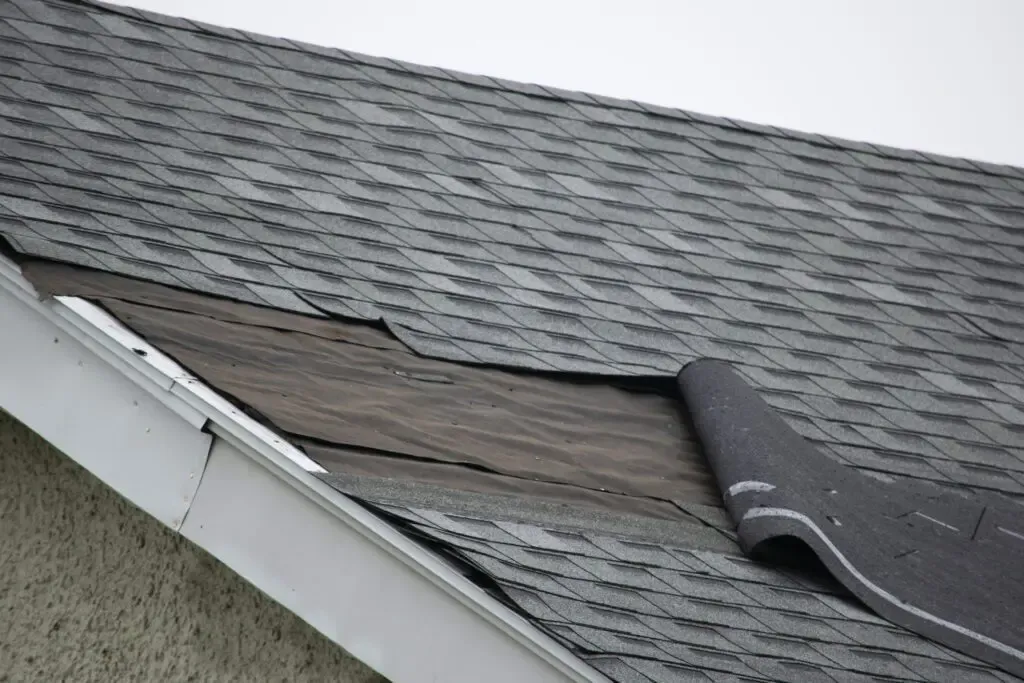
Delaying a needed roof repair turns a small, contained problem into a large, expensive one. Water does not stay where it enters. Once it finds a path through a damaged shingle, a pulled flashing joint, or a cracked pipe boot, it spreads through insulation, saturates wood decking, reaches ceiling joists, and eventually shows up as a stain on your ceiling or a wet spot on your drywall. By that point, the repair you put off has become a chain of repairs. Industry data shows that a simple flashing repair costing a few hundred dollars can escalate to a $12,000 to $50,000 project within six to twelve months if the underlying leak is left unaddressed. Homeowners in Watkinsville, GA and the surrounding Oconee County area who notice any sign of roof damage after Georgia’s spring and summer storm season should treat prompt repair as a financial priority, not an optional project. This article covers exactly what happens, step by step, when a needed roof repair is delayed.
What Happens If You Wait Too Long to Replace a Roof?
If you wait too long to replace a roof, the deterioration that was manageable becomes structural. Rotted decking, compromised rafters, saturated insulation, and interior mold are the direct results of an aging or damaged roof that goes unaddressed past the point where repair is still a viable option.
According to data from Verisk, a leading insurance analytics company, roofs in moderate to poor condition carry 60 percent higher insurance claim costs than roofs in good or excellent condition. Verisk’s 2024 analysis of U.S. residential roofing also found that approximately 38 percent of U.S. homes currently have roofs with moderate to poor condition issues, and around 29 percent of asphalt shingle roofs have less than four years of remaining useful life. Roofs approaching the end of their life are 50 percent more likely to sustain severe damage during a storm compared to roofs with more than eight years of remaining life.
When an aging roof fails during a storm event rather than being replaced proactively, the homeowner faces two simultaneous problems: paying for the replacement and paying for the interior damage caused by the failure. Those two costs together frequently exceed what the replacement alone would have cost by a wide margin. In Georgia, where summer storms regularly bring heavy rain, hail, and high winds, an aging roof that is not replaced in time often fails during the exact kind of storm event that causes the most interior damage in the shortest time.
What Are the Red Flags for Roofing Contractors?
The red flags for roofing contractors are pressure to sign immediately after a storm, requests for large upfront cash payments, no physical business address, inability to provide a license number or proof of insurance, vague written estimates, and promises of “free roofs” through insurance that sound too good to be true.
After any significant storm in the Watkinsville or Hiawassee, GA area, out-of-town contractors sometimes appear door to door offering quick repairs. This is known in the industry as storm chasing, and it is one of the most common sources of roofing complaints. These contractors often do substandard work and disappear before warranty issues surface. Georgia homeowners should always verify that a contractor holds a current Georgia contractor’s license and carries both general liability insurance and workers’ compensation before signing anything.
A legitimate roofing contractor will give you a written estimate that itemizes the scope of work, the specific materials being installed, the warranty terms on both materials and labor, and the project timeline. They will not pressure you to sign the same day they appear at your door. They will also not ask for full payment before the work begins. A standard deposit for scheduling and material ordering runs 10 to 30 percent, with the balance due on completion after a walkthrough.
Homeowners in Oconee County can verify contractor licensing through the Georgia Secretary of State’s website. Working with an established, locally rooted company like Ridgeline Roofing and Exteriors means you can verify references, confirm local project history, and hold the contractor accountable through the entire project and warranty period. More about what a professional roof repair process involves is available through roof repair services in Watkinsville.
How Long Is a Contractor Liable for a Roof?
A contractor is liable for a roof through the terms of their workmanship warranty, which typically ranges from 2 to 10 years for most contractors, with premium certified contractors offering up to 25 years through manufacturer-backed programs. Beyond the warranty period, Georgia law allows for construction defect claims under specific circumstances.
Under Georgia’s Right to Repair Act, homeowners who discover a construction defect must notify the contractor at least 90 days before initiating legal action, giving the contractor the opportunity to respond and offer a remedy. Georgia’s statute of limitations for breach of contract claims in construction is six years from the date the defect was discovered. For negligence claims, the window is four years. This means that even after a workmanship warranty expires, a homeowner may still have legal recourse for defects caused by genuinely improper installation discovered years later.
Georgia law also notes an important practical point: once a homeowner becomes aware of a roof defect, continuing to allow the damage to worsen without addressing it shifts responsibility for the ongoing deterioration to the homeowner. This is a critical reason not to delay once a leak or defect is identified. Document the discovery, notify the contractor or insurance carrier promptly, and take reasonable protective steps like temporary tarping if needed to prevent further interior damage.
Manufacturer material warranties run separately from contractor workmanship warranties. Most major architectural shingle manufacturers, including GAF, Owens Corning, and CertainTeed, offer lifetime limited material warranties on their flagship products, though the non-prorated coverage period is typically the first 10 years. After that, the warranty payout is prorated based on shingle age. GAF Master Elite contractors can offer the Golden Pledge program, which provides 50 years of non-prorated material coverage plus 25 years of workmanship, representing the strongest warranty protection available in residential roofing.
What Not to Say to a Roof Insurance Adjuster
There are several things you should never say to a roof insurance adjuster during a claim visit. Do not speculate about when the damage happened if you are not certain. Do not tell the adjuster the roof has been having issues for a while without damage documentation, because that creates grounds for a wear-and-tear exclusion rather than a storm damage claim. Do not agree to a settlement amount on the same day as the inspection without reviewing it against an independent contractor estimate first.
Do not tell the adjuster you plan to handle the repairs yourself if you intend to file a claim for labor costs. Do not mention any previous damage that was not properly repaired, as this gives the adjuster reason to attribute current damage to pre-existing conditions. And above all, do not sign anything that releases the carrier from further liability before you have confirmed that the payout covers the full scope of needed repairs.
The most effective strategy going into an adjuster visit is to have a licensed roofing contractor present. A contractor who knows how to identify storm damage patterns, distinguish hail impact from normal wear, and document the full scope of damage puts the homeowner in a much stronger position than facing the adjuster alone. According to data from Verisk, roof-related claims made up more than a quarter of all residential insurance claim value in 2024, totaling nearly $31 billion nationally. Adjusters handling that volume are under pressure to process claims efficiently, and without a contractor advocate present, subtle damage points can be missed or classified incorrectly.
How to Scare a Home Insurance Adjuster (The Right Way)
The most effective way to protect your interests with a home insurance adjuster is through thorough, organized documentation, not confrontation. A homeowner who arrives at the adjuster visit with dated photographs of the damage, a written inspection report from a licensed contractor, weather service records confirming the storm event, and prior inspection reports showing the roof was in good condition before the storm is in the strongest possible position.
Adjusters are trained to look for pre-existing damage and maintenance failures as grounds to reduce payouts. A documented maintenance history directly counters that approach. If you have had annual inspections and kept records, bring those records. If you have a drone inspection report showing the roof’s condition before and after the storm, that is particularly powerful documentation. The goal is not to antagonize the adjuster but to make it clear that the damage is event-specific, documented, and fully scoped by a professional who has been on the roof.
For homeowners who have not yet had a pre-storm inspection documented, Drone Zone AI roofing inspections establish a photographic baseline of your roof’s condition that is invaluable in any subsequent claim or adjuster dispute.
How Often Will Insurance Pay for a New Roof?
Insurance will pay for a new roof when a covered peril, most commonly hail or wind damage, causes damage that meets the carrier’s threshold for replacement rather than repair. There is no specific frequency limit written into most standard homeowners policies. If a covered event damages the roof, the policy covers it subject to the deductible and any applicable exclusions, regardless of when the last claim was filed.
That said, filing multiple claims in a short period can result in higher premiums or non-renewal at the next policy anniversary. Insurance companies increasingly monitor claim history, and a homeowner with three claims in five years is seen as a higher risk than one with zero. This makes investing in impact-resistant shingles particularly valuable in Georgia, where storm events are frequent. Class 4 shingles that survive a hail event without requiring a claim produce no claim history impact while a roof with standard shingles in the same storm may generate a replacement claim. The long-term insurance relationship benefits of impact-resistant roofing are a real factor that should weigh into material selection for any homeowner in the Watkinsville or Hiawassee area.
According to the Insurance Information Institute, water damage and freezing accounted for 22.6 percent of all home insurance claims in 2023, with an average claim amount of $15,400. This category, which includes roof leaks that allow water infiltration, is the second-most common claim type after wind and hail. Many of these claims are preventable through timely roof maintenance and repair before water finds a path into the home.
What Is the Most Expensive Part of Replacing a Roof?
The most expensive part of replacing a roof is typically the roofing materials, which account for 40 to 60 percent of total project cost on most standard residential replacements. Labor is the second-largest cost, and steep pitch, roof complexity, and secondary damage like rotted decking all drive that number higher.
When a roof replacement follows a delayed repair, the cost structure changes significantly. Rotted decking that was not present at the time of the original repair adds a per-sheet cost for every damaged board that needs replacement. Saturated insulation requires removal and replacement. Interior damage to drywall, ceiling finishes, electrical fixtures, and flooring must be repaired separately from the roof itself, often by different contractors at separate costs. A $9,000 roof replacement on a home with a well-maintained deck can easily become a $20,000 to $30,000 total restoration project when interior and structural repairs from delayed water intrusion are added in.
According to national industry data, the average full asphalt shingle roof replacement cost $30,680 in 2025, up nearly 15 percent from 2022 due to rising material and labor costs. The average roof repair costs $750, with a range of $300 to more than $2,000. Those two numbers together make the case for repair over delay in the clearest possible financial terms.
How Many Hours Does It Take to Reroof a House?
Reroofing a standard house takes one to three days for an experienced crew, depending on roof size, pitch, complexity, and whether a full tear-off of the existing material is required. A simple 20-square gable roof with a walkable pitch and a single existing layer can often be completed in one full day by a crew of three to five experienced roofers. A 30-square hip roof with multiple penetrations, a steep pitch, and two existing layers requiring full tear-off may take two to three days.
In Georgia’s climate, weather is the main scheduling variable. Summer afternoon thunderstorms require crews to plan around forecasts carefully, and any roofing that is partially exposed when a storm rolls in needs to be tarped promptly to prevent water intrusion. Experienced local contractors in the Watkinsville area account for this in their scheduling and do not leave deck exposed overnight without protection. The actual installation hours matter less to a homeowner than project completion, and a crew that works efficiently and manages weather risk well delivers more value than a faster crew that cuts corners on protection.
If the existing deck has rot or soft spots discovered during tear-off, repair of those sections adds time to the project. This is another direct consequence of delayed roof maintenance: a homeowner who would have had a one-day job finds themselves with a two-day project because the deck deteriorated while the repair was being postponed. Homeowners who want to understand what a full replacement involves from start to finish can review the complete roof replacement process in Watkinsville.
Can I Live in My House While the Roof Is Being Replaced?
Yes, you can live in your house while the roof is being replaced in almost all standard residential situations. A professional roofing crew works section by section, leaving the house exposed only in the specific area being actively worked on at any given moment. The exposed section is protected with tarps or underlayment at the end of each work period. For the homeowner inside, the main inconvenience is noise from the work itself, which can be significant but is temporary and typically over within one to three days.
There are a few situations where temporary relocation may be practical rather than required. Infants, elderly family members, or individuals with respiratory sensitivities may be more comfortable elsewhere during the work because of debris vibration and dust. Pets, especially those that are noise-sensitive, may need to be kept away from the home or in a quiet interior room during work hours. These are practical considerations rather than safety requirements.
For homeowners with active interior leaks or significant water damage already present in the home before the repair or replacement begins, a professional contractor may advise temporarily addressing the interior moisture situation before the roofing work begins to prevent further mold development during the project window.
What Is Grace for Roofing?
Grace in roofing refers to Grace Ice and Water Shield, a brand name that has become the generic term for self-adhering rubberized asphalt underlayment used in high-risk areas of a roof like valleys, eaves, and around penetrations. It is a waterproofing membrane that bonds directly to the roof deck and seals around nails, preventing water from backing up under shingles at vulnerable transition points.
Grace Ice and Water Shield is especially important in low-slope valleys, at the eave line in climates that experience freeze-thaw cycles, and around any penetration where shingles cannot provide full coverage on their own. In Georgia’s climate, freeze-thaw cycles are not a major issue, but valley drainage and penetration sealing are very real concerns given the heavy rainfall patterns common across Oconee County and the mountain areas near Hiawassee, GA. Using a peel-and-stick waterproofing membrane in these zones is a best-practice installation step that quality contractors include as standard, not as an upgrade.
Will Roofing Costs Go Down in 2026?
Roofing costs in 2026 are not expected to decrease significantly. According to industry analysis, material costs stabilized somewhat after 2024 and 2025 supply chain disruptions, but labor costs have continued to rise at 5 to 7 percent annually as skilled trade workers remain in high demand. The national average full asphalt shingle replacement cost reached $30,680 in 2025, up nearly 15 percent from 2022. There is no data-backed reason to expect a meaningful price reversal in 2026.
Homeowners who have been waiting for prices to drop before addressing a needed repair or replacement are taking a double risk. First, the cost they are waiting for may not come down. Second, every additional storm season that passes over a compromised roof increases the probability of water intrusion that adds interior repair costs to the project total. The combination of higher material costs and accumulated interior damage from a delayed repair typically results in a significantly larger bill than acting promptly would have produced.
Does a New Roof Make Your Insurance Cheaper?
Yes, a new roof generally makes homeowners insurance cheaper, often meaningfully so. Insurance carriers view a new roof as significantly reduced risk compared to an older one, particularly when the new installation uses impact-resistant materials. According to insurance industry data, homeowners who replace aging roofs can realize a 5 to 35 percent reduction in annual premiums, with the national average hovering around 20 percent.
Class 4 impact-resistant shingles amplify this benefit. GAF reports that Class 4 products can qualify for insurance discounts of 10 to 25 percent on top of the standard new-roof benefit, with some carriers offering even more in high-storm-risk markets. For a Georgia homeowner paying $2,500 per year for homeowners insurance, even a modest 15 percent discount saves $375 annually, totaling $9,375 over a 25-year roof lifespan. Combined with fewer storm damage claims over the roof’s life, the real financial benefit of choosing quality impact-resistant products is substantial.
Homeowners in Watkinsville and around Hiawassee should confirm the specific discount available through their carrier before finalizing their material choice. Not all carriers offer the same discount structure, and confirming eligibility before installation ensures the correct documentation is in place when the policy renews.
How Much Is the Average Cost to Repair a Roof?
The average cost to repair a roof is $750, with a range of $300 to over $2,000 for most standard residential repairs, according to national roofing industry data from 2025. Small repairs like a missing shingle, a sealed pipe boot, or a re-anchored flashing section sit at the low end of that range. Larger repairs involving multiple damaged sections, significant flashing work, or any decking replacement push toward the higher end or beyond.
These repair costs do not include secondary interior damage. A $400 flashing repair left unaddressed for six to twelve months can cascade into drywall replacement, insulation replacement, and mold remediation that costs $12,000 to $50,000 in total, according to industry data cited by roofing professionals familiar with delayed-repair escalation patterns. The math is stark: the cost of a repair on the day it is needed is almost always the smallest it will ever be. Every rainstorm and every week of UV exposure between discovery and action adds to the final bill.
For homeowners in Watkinsville who have noticed a problem, getting a repair estimate is free and requires no commitment. A professional inspection and written repair scope from Ridgeline Roofing and Exteriors gives you an accurate picture of what the repair costs today, before the next storm determines what it costs tomorrow. Shingle roof repair in Watkinsville covers both minor targeted repairs and more comprehensive storm damage repair scopes.
How Old May a Roof Be Before Insurance Claims It Is Too Old?
Most insurance companies consider a roof too old for full replacement cost coverage when it reaches 20 years for asphalt shingles. At that age, many carriers switch from replacement cost value (RCV) coverage, which pays to replace the roof at current prices, to actual cash value (ACV) coverage, which pays only the depreciated value of the aging roof. The difference can be substantial. A 20-year-old asphalt shingle roof that has depreciated by 80 percent of its original value under an ACV policy might generate a payout of $4,000 on a replacement that actually costs $20,000.
Some carriers decline to insure or renew coverage on roofs older than 20 to 25 years altogether. This is an increasingly common practice as insurers tighten risk exposure in storm-active markets like Georgia. A homeowner whose policy is canceled or non-renewed because of roof age and who cannot quickly find a new carrier may face force-placed insurance from their mortgage lender at rates significantly higher than the market standard.
The practical implication for Georgia homeowners is clear: do not let a roof enter the 20-to-25-year age range without a professional inspection and a replacement plan. Acting before the policy coverage terms change preserves full replacement cost protection and prevents the insurance coverage gap that aging roofs can create.
What Damages the Roof the Most?
The single thing that damages a roof the most is prolonged water infiltration that is never repaired. Structural damage from standing moisture, combined with the biological growth and wood rot that follow, causes more total destruction to a roofing system and the home beneath it than any single weather event.
In terms of acute events, hail and high wind are the dominant drivers of storm damage claims nationally. According to Verisk’s 2024 analysis, wind and hail accounted for more than half of all residential insurance claims, and roof-related claims reached nearly $31 billion in total claim value. Hail damage is particularly damaging because it strikes granules off the shingle surface, accelerating UV degradation of the exposed asphalt, which then leads to cracking, curling, and eventual water infiltration. Research published in Frontiers in Materials found that asphalt shingles exposed to both natural weathering and repeated hail events are approximately ten times more susceptible to future storm damage than freshly installed shingles.
Deferred maintenance is the second major damage driver. Clogged gutters that cause water to back up under the eave course, failed flashing at penetrations, and broken or missing shingles that are left unrepaired through a storm season all allow water access that compounds with every subsequent rainfall. The combination of hail-weakened shingles and deferred maintenance is the most damaging scenario a roof can face, and it is also the most preventable through regular inspection and prompt repair of anything found.
How Many Days Does a Reroof Take?
A standard residential reroof takes one to three days in most cases. A simple 20-square gable roof on a single-story home with a walkable pitch and one existing layer of shingles typically takes a single full work day for a crew of four to five experienced roofers. A larger or more complex project, such as a two-story 35-square hip roof with steep pitch and two existing layers requiring full tear-off, takes two to three days. Projects where significant decking repair is discovered during tear-off add time proportional to the scope of the deck work.
In Georgia’s climate, weather is always a factor in project timing. Summer projects must account for afternoon thunderstorms that are common across Oconee County and the mountain areas near Hiawassee. Professional contractors in the area schedule morning starts, track daily forecasts, and have tarp systems ready to protect exposed decking if conditions change during the work day. For homeowners, the best indicator of project quality is not speed alone but whether the contractor protects the home throughout the process. A crew that completes in one day but leaves the deck exposed overnight without protection is not better than a crew that takes two days with full protection protocols at every stage.
The True Cost of Delay: What a Small Roof Problem Becomes Over Time
| Time Frame After Discovery | Scope of Problem | Estimated Repair Cost Range |
|---|---|---|
| Immediate (same month) | Single flashing failure, minor shingle damage, small sealant gap | $300 to $800 |
| 1 to 3 months | Wet insulation, early wood staining on decking | $800 to $3,000 |
| 3 to 6 months | Deck rot beginning, insulation replacement needed, early ceiling staining | $3,000 to $8,000 |
| 6 to 12 months | Structural wood rot, drywall damage, mold colonization in insulation | $8,000 to $20,000 |
| 1 year or more | Full deck replacement, mold remediation, interior restoration, possible rafter damage | $20,000 to $50,000+ |
Sources: Industry data from roofing contractors specializing in delayed repair escalation; Verisk 2024 residential roof claim analysis; Insurance Information Institute water damage claim data (average $15,400 per claim); Advanced Roofing Inc. delayed repair cost progression data.
Frequently Asked Questions
What happens if you wait too long to repair a roof in Watkinsville, GA?
Waiting too long to repair a roof in Watkinsville, GA means that what could have been a $300 to $800 repair becomes a multi-thousand-dollar project involving decking replacement, insulation removal, interior water damage remediation, and possibly mold treatment. Georgia’s summer storm season puts repeated water stress on any breach in the roofing system. A small flashing gap that lets in water during one heavy rain allows more water in during every subsequent storm. The cumulative damage over a Georgia spring and summer can transform a minor repair scope into a structural project within a single storm season. Homeowners who notice missing shingles, granule buildup in gutters, ceiling stains, or any sign of water inside the home should call a licensed contractor for an inspection immediately rather than waiting to see if the problem worsens on its own.
How long is a roofing contractor liable for their work in Georgia?
A roofing contractor in Georgia is liable for their work through the terms of their workmanship warranty, which typically ranges from 2 to 10 years, with contractors holding GAF Master Elite certification offering up to 25 years through the Golden Pledge program. Beyond the warranty period, Georgia law allows homeowners to bring construction defect claims within six years of discovering a defect under breach of contract, or four years under negligence. However, Georgia’s Right to Repair Act requires homeowners to notify the contractor at least 90 days before initiating legal action, giving the contractor the opportunity to respond and remedy the issue. Homeowners should always get workmanship warranty terms in writing before work begins, and should document the discovery date for any defect that appears after the repair is completed.
What are the signs a roof repair cannot be delayed near Hiawassee, GA?
Near Hiawassee, GA, signs that a roof repair cannot be delayed include visible daylight through the attic from the interior, active water dripping or staining on ceiling surfaces after rain, missing or visibly cracked shingles especially after a storm, granules filling the gutters in large quantities, sagging sections on the roof surface visible from the ground, and any soft or spongy feeling underfoot if you can safely access the roof. Homes near Hiawassee in Towns County face higher annual rainfall than most of Georgia due to the mountain terrain, and any breach in the roofing system will be stressed much more frequently than on lower-elevation properties. A roof problem that might be manageable for a season in a drier climate can escalate to structural damage within weeks in the mountain rainfall patterns common around Hiawassee. Do not wait for interior signs before acting on exterior warning signs.
Is it worth suing a contractor over a bad roof repair in Georgia?
Whether it is worth suing a contractor over a bad roof repair in Georgia depends on the dollar amount of the damage, the quality of your documentation, and whether the contractor is still reachable and has assets to satisfy a judgment. Georgia’s Right to Repair Act requires you to give the contractor written notice and a 90-day opportunity to respond before you can file suit. For smaller claims under $15,000, Georgia’s Magistrate Court handles these disputes without requiring an attorney, which makes the process more accessible. For larger structural damage claims, consulting a Georgia real estate attorney is advisable. The strongest position in any contractor dispute is a combination of the original written contract, photographs documenting the defect and damage, the documented date of discovery, and a second contractor’s written assessment confirming the workmanship failure. Keep all of these records from the moment you discover a problem.
What is the 25 percent rule in roofing and how does it affect delayed repairs in Georgia?
The 25 percent rule in roofing means that if more than 25 percent of a roof surface is repaired or replaced within a 12-month period, local building codes in many jurisdictions require the entire roof to meet current code standards. For homeowners in Watkinsville and Oconee County who have been delaying repairs, this rule can turn a deferred patchwork plan into a full replacement requirement when the accumulated damage scope crosses the threshold. Homeowners considering multiple repairs across a roof that has been neglected for several years should discuss the scope with their contractor before beginning work, because crossing the 25 percent threshold mid-project without a permit can create code compliance problems. In some cases, a full replacement is the more practical and cost-effective path for a heavily deferred roof rather than attempting to repair within the threshold. Explore the full details of professional roof repair services in Watkinsville to understand how current damage scope is evaluated.
Does delaying a roof repair affect my homeowners insurance in Georgia?
Yes, delaying a roof repair can seriously affect your homeowners insurance in Georgia. Insurance carriers treat deferred maintenance as a policyholder responsibility, and damage that results from a known but unaddressed problem is typically excluded from coverage as a maintenance failure rather than a covered peril. If an adjuster determines that a current water damage claim originated from a leak that existed before the reported storm event, the claim may be denied in full or reduced significantly. Verisk’s 2024 data confirms that roofs in poor condition carry 60 percent higher claim costs than well-maintained roofs, and insurers increasingly use aerial imaging to verify roof condition at renewal. Homeowners who allow their roof to deteriorate visibly risk non-renewal of their policy at the next anniversary, which can force them into the surplus lines market at dramatically higher premium rates. Acting on known repairs promptly is both a financial and an insurance coverage protection strategy.
Final Thoughts
Every week a needed roof repair goes unaddressed, the damage grows and the repair cost rises. Water does not wait, wood rot spreads on its own timeline, and mold colonies can establish within 24 to 48 hours of moisture exposure according to roofing industry data. The $400 repair that felt easy to put off becomes the $14,000 project that disrupts the household, strains the budget, and in some cases affects insurance coverage and home resale value simultaneously.
Georgia homeowners in Watkinsville and the surrounding Oconee County area face a particularly demanding environment, with spring and summer storm seasons that stress every vulnerability in a roofing system repeatedly and aggressively. The best protection is not the best shingle, though that matters. It is not the best warranty, though that matters too. It is prompt, professional attention to problems when they are still small, before Georgia’s next storm season determines the scope for you.
Noticed a problem with your roof? Do not wait to find out what it becomes. Ridgeline Roofing and Exteriors serves homeowners in Watkinsville, Hiawassee, and throughout northeast Georgia with free inspections, honest written assessments, and professional repairs and replacements backed by manufacturer warranties. Call 770-706-ROOF or schedule online today. The repair that costs $400 today does not stay $400. Get ahead of it now. Visit Ridgeline’s Watkinsville roofing services to schedule your free inspection before the next storm season arrives.
