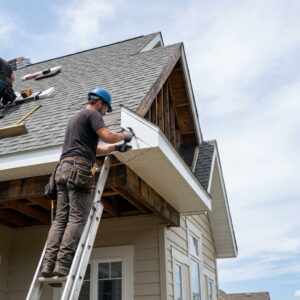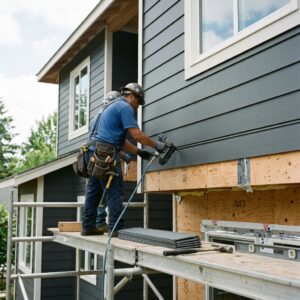
Damaged soffits significantly reduce roof ventilation performance by disrupting the crucial airflow that enters through the soffit vents and exits through ridge vents or other exhaust points. When soffits become cracked, rotted, or detached from the roofline, they compromise the intake portion of your roof’s ventilation system, leading to inadequate air circulation throughout the attic space. This disruption creates a domino effect of problems including excessive heat buildup, moisture accumulation, and premature deterioration of roofing materials. In Georgia’s humid climate, properly functioning soffits are essential for maintaining the delicate balance of temperature and moisture control that protects your home’s structural integrity. Understanding how damaged soffits reduce roof ventilation performance helps homeowners recognize the importance of timely repairs and regular maintenance to prevent costly long-term damage to their roofing system and home interior.
The Role of Soffits in Your Roof’s Ventilation System
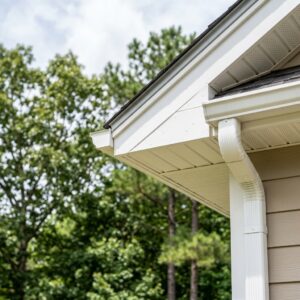
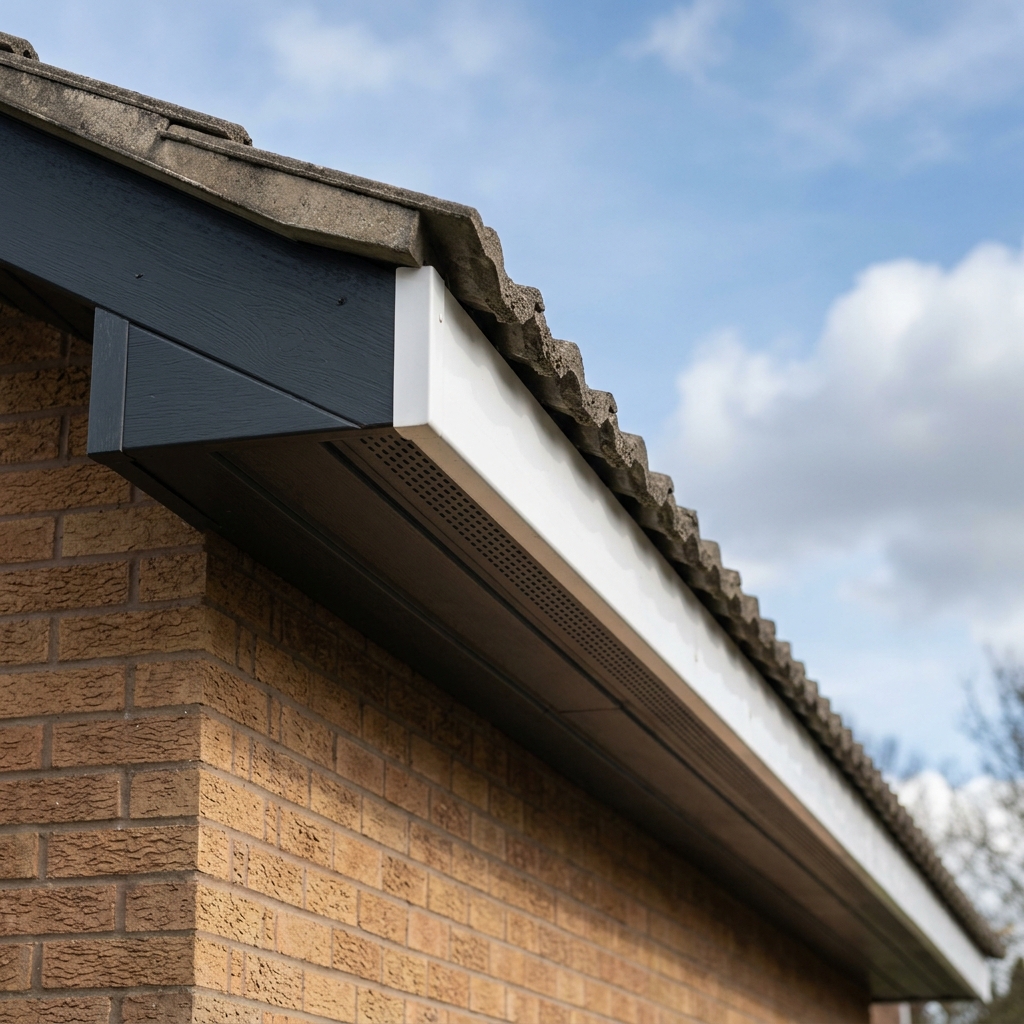
Soffits serve as the primary intake component in your roof’s ventilation system, drawing fresh air from the outside into your attic space. Located under the eaves where your roof extends past the exterior walls, soffits contain perforations or vents that allow cool air to flow upward through the attic. This continuous air movement works in conjunction with ridge vents, gable vents, or other exhaust ventilation to create a natural convection current that regulates attic temperature and moisture levels.
The ventilation process relies on basic physics: as warm air rises and exits through upper vents, it creates negative pressure that pulls cooler air through the soffit vents. This constant air exchange prevents heat buildup during Georgia’s hot summers and reduces moisture accumulation during humid conditions. Without properly functioning soffits, this critical airflow pattern breaks down, leaving your attic space vulnerable to extreme temperatures and damaging condensation.
Common Types of Soffit Damage That Impact Ventilation
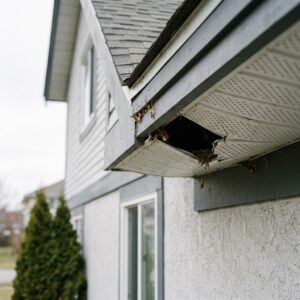
Several types of damage can compromise your soffits and reduce their ventilation effectiveness. Physical deterioration from age, weather exposure, or pest activity often creates gaps, cracks, or holes that disrupt the controlled airflow pattern. Water damage from clogged gutters or roof leaks causes wood soffits to rot and vinyl soffits to warp, potentially blocking vent openings entirely.
Pest infestations present another significant threat to soffit integrity. Birds, squirrels, bees, and other creatures often target soffits as entry points, creating nests that block ventilation channels. Additionally, improper installation or previous repairs may have covered soffit vents with insulation, paint, or other materials that restrict airflow. Storm damage from high winds can detach soffit panels, leaving large openings that allow rain and pests to enter while disrupting the engineered ventilation flow.
Signs Your Soffits Are Affecting Ventilation Performance
Recognizing the warning signs of compromised soffit ventilation helps prevent extensive damage to your roofing system. Inside your home, you might notice increased energy bills as your HVAC system works harder to maintain comfortable temperatures. Upstairs rooms may feel unusually hot during summer months, indicating poor attic ventilation. During winter, ice dams along the roof edge suggest inadequate ventilation is causing uneven roof temperatures.
Visual inspection often reveals telltale signs of soffit problems. Look for peeling paint, water stains, or visible rot on soffit panels. Gaps between soffit sections or where soffits meet the wall indicate structural issues. From inside the attic, check whether daylight is visible through soffit vents – if not, they may be blocked. Excessive moisture, mold growth, or rust on metal components in the attic space also point to ventilation problems stemming from damaged soffits.
How Poor Soffit Ventilation Damages Your Entire Roof System
When damaged soffits reduce ventilation performance, the consequences extend far beyond the immediate area. Inadequate airflow causes summer attic temperatures to soar well above outdoor temperatures, sometimes exceeding 150 degrees Fahrenheit. This extreme heat transfers to living spaces below, straining cooling systems and creating uncomfortable conditions. More critically, it accelerates the aging of roofing materials, causing asphalt shingles to deteriorate prematurely through thermal cycling and granule loss.
Moisture problems compound the damage when ventilation fails. Without proper air circulation, humidity from daily activities like cooking, bathing, and breathing accumulates in the attic. This moisture condenses on cold surfaces during temperature changes, leading to wood rot, mold growth, and insulation damage. Wet insulation loses its effectiveness, creating a cycle of increasing energy costs and comfort problems. The moisture also corrodes metal fasteners and components, weakening the roof structure over time.
The Impact on Shingle Life and Warranty Coverage
Manufacturers design asphalt shingles with specific ventilation requirements that must be met to maintain warranty coverage. When damaged soffits compromise these ventilation standards, excessive heat buildup causes shingles to age prematurely. The intense heat literally bakes shingles from below, causing them to become brittle, curl, and lose their protective granules years before their expected lifespan.
Many homeowners don’t realize that inadequate ventilation can void their shingle warranty. Manufacturers clearly specify minimum ventilation requirements, typically calling for one square foot of net free ventilation area for every 150 square feet of attic floor space. When soffit damage reduces intake ventilation below these standards, you may lose warranty protection for your entire roof system, potentially costing thousands of dollars in premature replacement expenses.
Seasonal Challenges for Georgia Homes with Damaged Soffits
Georgia’s climate presents unique challenges that amplify the problems caused by damaged soffits. During humid summer months, the combination of high temperatures and moisture creates ideal conditions for mold and mildew growth in poorly ventilated attics. Without adequate airflow through intact soffits, this biological growth can spread to roof decking and framing members, requiring expensive remediation.
Winter brings different but equally serious concerns. Georgia’s variable winter weather creates temperature fluctuations that lead to condensation problems in under-ventilated attics. Warm, moist air from the living space rises into the cold attic where it condenses on surfaces, potentially freezing during cold snaps. This freeze-thaw cycle damages wood components and can lead to ice dam formation along roof edges, causing water backup under shingles.
Professional Assessment and Repair of Damaged Soffits
Proper assessment of soffit damage requires more than a visual inspection from ground level. Professional contractors use specialized techniques to evaluate the extent of damage and its impact on ventilation performance. This includes calculating the total net free ventilation area, checking for blockages in existing vents, and using thermal imaging to identify hot spots indicating poor airflow. Moisture meters help detect hidden water damage that may not be visible during casual observation.
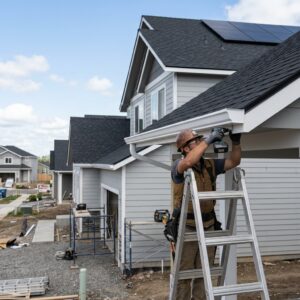
Repair strategies vary depending on the type and extent of damage. Minor issues like blocked vents may require simple cleaning and debris removal. Damaged sections often need replacement with matching materials that maintain the home’s aesthetic while restoring proper ventilation. In cases of extensive damage, a complete soffit system replacement may be necessary, incorporating modern ventilated soffit materials that provide superior airflow while resisting moisture and pest intrusion.
Modern Soffit Solutions for Improved Ventilation
Today’s soffit materials offer significant improvements over traditional wood options. Ventilated aluminum and vinyl soffits provide consistent airflow through engineered perforations while resisting rot, warping, and pest damage. These materials maintain their appearance and functionality for decades with minimal maintenance. Some products feature hidden vent systems that provide excellent airflow while maintaining a clean, finished appearance.
For homes with architectural constraints or historic preservation requirements, specialized soffit vent products can retrofit into existing wood soffits without altering their appearance. These solutions include continuous soffit vent strips, circular vents, and other designs that maximize airflow while preserving architectural integrity. Professional installation ensures these products integrate properly with the existing ventilation system for optimal performance.
Preventing Future Soffit Damage Through Maintenance
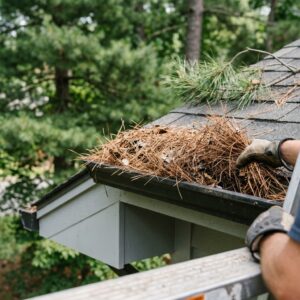
Regular maintenance prevents minor soffit issues from escalating into major ventilation problems. Homeowners should inspect soffits at least twice yearly, checking for signs of damage, pest activity, or blockages. Keep gutters clean to prevent water overflow that damages soffits, and trim tree branches that might scrape against soffit surfaces during storms. Address any signs of pest activity immediately to prevent nesting that blocks ventilation.
Professional maintenance programs often include soffit inspection as part of comprehensive roof maintenance services. These inspections identify developing problems before they compromise ventilation performance, saving homeowners from expensive repairs and premature roof replacement. Maintaining detailed records of inspections and repairs helps track the condition of your soffit system over time and supports warranty claims if problems develop.
The Cost of Ignoring Damaged Soffits
Postponing soffit repairs might seem like a way to save money, but the long-term costs far exceed the initial repair expense. Energy bills increase as your HVAC system struggles to overcome poor ventilation, potentially adding hundreds of dollars annually to cooling and heating costs. Premature shingle failure due to inadequate ventilation can necessitate roof replacement 5-10 years early, representing thousands of dollars in unexpected expenses.
Hidden costs include structural damage from moisture accumulation, mold remediation expenses, and potential health issues from poor indoor air quality. Insurance claims for water damage may be denied if inspectors determine that neglected soffit maintenance contributed to the problem. By addressing soffit damage promptly, homeowners protect their investment and avoid these cascading expenses that result from compromised roof ventilation.
Integrating Soffit Repairs with Overall Roof System Improvements
When addressing damaged soffits, consider evaluating your entire roof ventilation system for optimization opportunities. Adding ridge vents, improving attic insulation, or installing powered ventilation fans can work in conjunction with repaired soffits to create superior airflow. This comprehensive approach ensures all components work together efficiently, maximizing the benefits of your soffit repair investment.
Professional contractors can calculate your home’s specific ventilation requirements based on attic square footage, climate conditions, and existing ventilation components. They may recommend additional improvements like sealing air leaks between the attic and living space or adding baffles to maintain clear airflow channels through insulation. These integrated improvements create a high-performance ventilation system that protects your home while reducing energy costs.
Making the Right Decision for Your Home
Understanding how damaged soffits reduce roof ventilation performance empowers homeowners to make informed decisions about repairs and maintenance. The seemingly minor issue of damaged soffits can trigger a cascade of problems affecting your entire roofing system, home comfort, and energy efficiency. By recognizing the critical role soffits play in roof ventilation and addressing damage promptly, you protect your investment and ensure your home remains comfortable and structurally sound for years to come.
If you’ve noticed signs of soffit damage or ventilation problems in your home, don’t wait for the situation to worsen. Professional assessment can determine the extent of damage and recommend appropriate solutions to restore proper ventilation performance. Ridgeline Roofing and Exteriors specializes in comprehensive roofing system evaluations and repairs throughout Northeast Georgia. Our experienced team understands the unique challenges Georgia’s climate presents and can develop customized solutions to protect your home. Contact us at 770-706-7663 to schedule a thorough inspection and ensure your soffits are performing their vital role in maintaining your roof’s health and longevity.