If you’re planning to install solar panels, one of the most important questions you should ask before signing any contract is: what condition is your roof in? The short answer is yes — in many cases, you should replace your roof before installing solar panels, especially if your roof is aging, showing signs of wear, or has less than 10 years of useful life remaining. Solar panel systems are designed to last 25 to 30 years, and the last thing you want is to pay thousands of dollars to remove and reinstall panels midway through their lifespan just because the roof underneath failed prematurely. Assessing your roof condition for solar panels before installation isn’t just smart planning — it protects your investment, your warranty, and your home. This guide walks you through exactly what to evaluate, when to replace, and how to make the right call before solar installers ever step foot on your property.
Why Roof Condition Matters More Than Most Homeowners Realize
Solar panels don’t just sit on top of your roof — they’re mechanically fastened to it, often for decades. That means any existing weaknesses in your roofing system become magnified once panels are in place. Water infiltration risks increase around penetrations. Structural issues become harder to access and repair. And if your shingles are granule-depleted, curling, or cracking, the added weight and pressure from a solar array can accelerate deterioration faster than it would under normal conditions.
Most reputable solar installation companies will require a roof inspection before installation. But solar companies aren’t roofing experts. Their primary job is to sell and install panels, and their assessments of roof condition may not catch the full picture. That’s why it’s critical to get an independent evaluation from a qualified roofing contractor before engaging a solar company, not after.
If your roof is already showing warning signs, review our guide on signs you need a new roof on your house to understand what red flags to watch for during your pre-solar assessment.
How to Evaluate Your Roof Before Going Solar
Check the Age of Your Current Roof
Roof age is the single most reliable predictor of how much useful life remains. Standard asphalt shingles typically last 20 to 30 years, depending on the quality of the material, installation, ventilation, and local climate conditions. If your roof is 15 or more years old, even if it appears functional on the surface, it may not have enough remaining lifespan to support a solar panel system through its full productive life. Installing solar panels on a 16-year-old asphalt roof could mean paying to remove and reinstall the system in as little as four to seven years — a costly and entirely avoidable scenario.
Learn more about how often a roof should be replaced and what factors influence that timeline based on material type and regional climate.
Assess the Structural Integrity of the Decking
Below your shingles lies the roof deck — typically plywood or OSB — and it needs to be in solid condition to support solar mounting hardware. Soft spots, rot, moisture intrusion, or sagging areas indicate decking problems that must be resolved before any solar equipment is installed. These issues often aren’t visible from the ground, which is why a professional inspection, including attic access, is essential. A roofing contractor can check for moisture damage, improper ventilation that causes condensation, and other hidden structural concerns.
Inspect Flashing, Gutters, and Ventilation
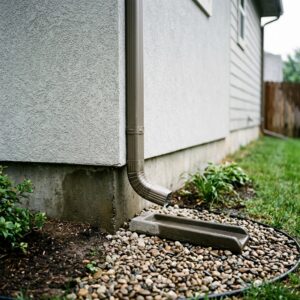
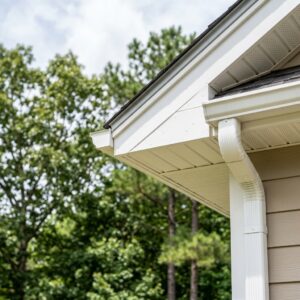
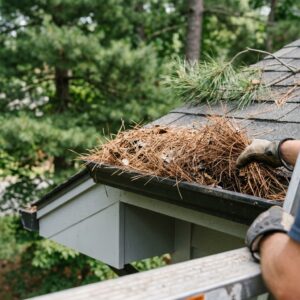
Solar installation involves penetrating the roof surface for mounting brackets, which creates new points of potential water entry. For those penetrations to remain watertight, the surrounding flashing system must be in excellent condition. Old, corroded, or improperly installed flashing dramatically increases leak risk once solar hardware is attached. Similarly, poor roof ventilation can create heat buildup beneath panels, shortening both the panel system’s and the shingles’ effective lifespan. Gutters should also be cleared and properly pitched to handle runoff changes that solar installations can sometimes create.
When You Should Definitely Replace Your Roof Before Solar
Your Roof Is More Than 15 Years Old
With a 25- to 30-year solar commitment, a roof older than 15 years simply doesn’t offer enough remaining service life to justify the investment without replacement. Even if the roof looks acceptable from the street, age-related degradation at the underlayment and granule level may already be underway. Replacing now means both systems align and your solar warranty and roofing warranty run concurrently, giving you complete coverage.
You Have Multiple Layers of Shingles
Some homes have had a second layer of shingles installed over the original to save on tear-off costs. This is sometimes acceptable as a temporary solution, but it creates real problems for solar installation. Most solar mounting systems are not designed to be installed through multiple shingle layers. The additional weight of solar panels on top of a double-layered roof can stress the decking beyond its design limits. If your home has layered shingles, a full tear-off and replacement is necessary before going solar. For more on this, see our post on whether you can put a new roof over old shingles.
You Have Visible Damage or Active Leaks
Any active leak, missing shingles, cracked flashing, or significant granule loss is a disqualifying condition for solar installation. These issues need to be resolved first — and if the damage is widespread enough, replacement makes far more financial sense than patching. Solar installers should never mount equipment on a compromised roof surface, and a responsible contractor won’t. Knowing how to know if your roof needs to be replaced before calling a solar company can save you significant time and money.
Is It Ever Okay to Skip Roof Replacement Before Solar?
Yes — under the right conditions. If your roof is less than 10 years old, was professionally installed with quality materials, has no visible damage or structural concerns, and has been maintained properly, you may be able to proceed with solar installation without replacing the roof first. A newer metal roof is particularly well-suited for solar panel installation because of its exceptional durability, long lifespan, and resistance to moisture and UV degradation. Metal roofing systems can outlast a solar panel system entirely, making them an ideal substrate for solar installations.
If you’re weighing roofing material options ahead of a solar project, our breakdown of metal roofs vs. shingles offers a useful comparison of longevity, cost, and performance factors relevant to solar compatibility.
The Financial Logic: Replace Now or Pay More Later
Homeowners sometimes hesitate to replace their roof before solar because of the upfront cost. But the math usually favors replacing first. Here’s why:
- Solar panel removal and reinstallation typically costs $2,000 to $5,000 or more, depending on system size — and that cost is not covered by most solar warranties.
- A premature roof failure under a solar array can void both the roofing material warranty and, in some cases, complicate the solar panel warranty claim.
- Replacing the roof and installing solar in the same project window often allows for coordinated labor, reduced mobilization costs, and streamlined permitting.
- A new roof adds immediate resale value to your home, making the combined solar and roof investment doubly beneficial if you sell the property.
Understanding what affects the cost of a roof replacement can help you budget intelligently and compare the cost of replacing now versus the risk of replacing later under panels.
What Type of Roof Works Best With Solar Panels?
Not all roofing materials are equally solar-friendly. Here’s a quick breakdown of how common materials perform as solar substrates:
- Asphalt architectural shingles: The most common solar substrate. Works well when the roof is newer and properly installed. Shingle replacement is required if the roof is aging.
- Metal standing seam: The gold standard for solar compatibility. Clamps attach directly to the seams without penetrations, eliminating leak risk. Extremely long-lasting.
- Corrugated metal: Compatible with solar, though mounting requires more care. Still far more durable than aging asphalt.
- Wood shake or tile: More complex to work with. Requires specialized mounting hardware and careful installation. If these materials are aging, replacement before solar is strongly recommended.
- Flat membrane roofs: Used primarily in commercial applications. Compatible with ballasted solar systems but requires a structurally sound, well-drained surface.
Getting a Professional Roof Assessment Before Solar Installation
The smartest first step any homeowner can take before committing to solar is scheduling a comprehensive roof inspection with a certified roofing contractor — not a solar company. A qualified roofer will evaluate shingle condition, underlayment integrity, flashing health, ventilation performance, decking soundness, and remaining service life. With that information in hand, you can make an informed decision about whether to replace your roof before solar installation, and if so, which roofing material gives you the best long-term performance as a solar substrate.
At Ridgeline Roofing & Exteriors, we help Georgia homeowners make exactly this kind of informed decision every day. As a GAF Master Elite Certified Contractor with over 20 years in business and installers averaging 25+ years of experience, our team provides thorough, honest roof assessments — including advanced Drone Zone AI aerial inspections that detect damage and wear that’s impossible to see from the ground. Whether your roof needs minor repairs, a targeted section of replacement, or a complete new installation ahead of your solar project, we’ll give you a clear, accurate picture with no pressure and no guesswork.
If you’re planning to go solar and want to know exactly where your roof stands, contact Ridgeline Roofing & Exteriors today to schedule your pre-solar roof inspection. Call us at 770-706-7663 or visit us at 1725 Electric Ave, Suite 330, Watkinsville, GA 30677. We serve homeowners throughout Athens, Watkinsville, Bishop, Farmington, Hiawassee, and communities across Northeast Georgia. Don’t let an aging roof undermine a 25-year solar investment — get the full picture before you commit.