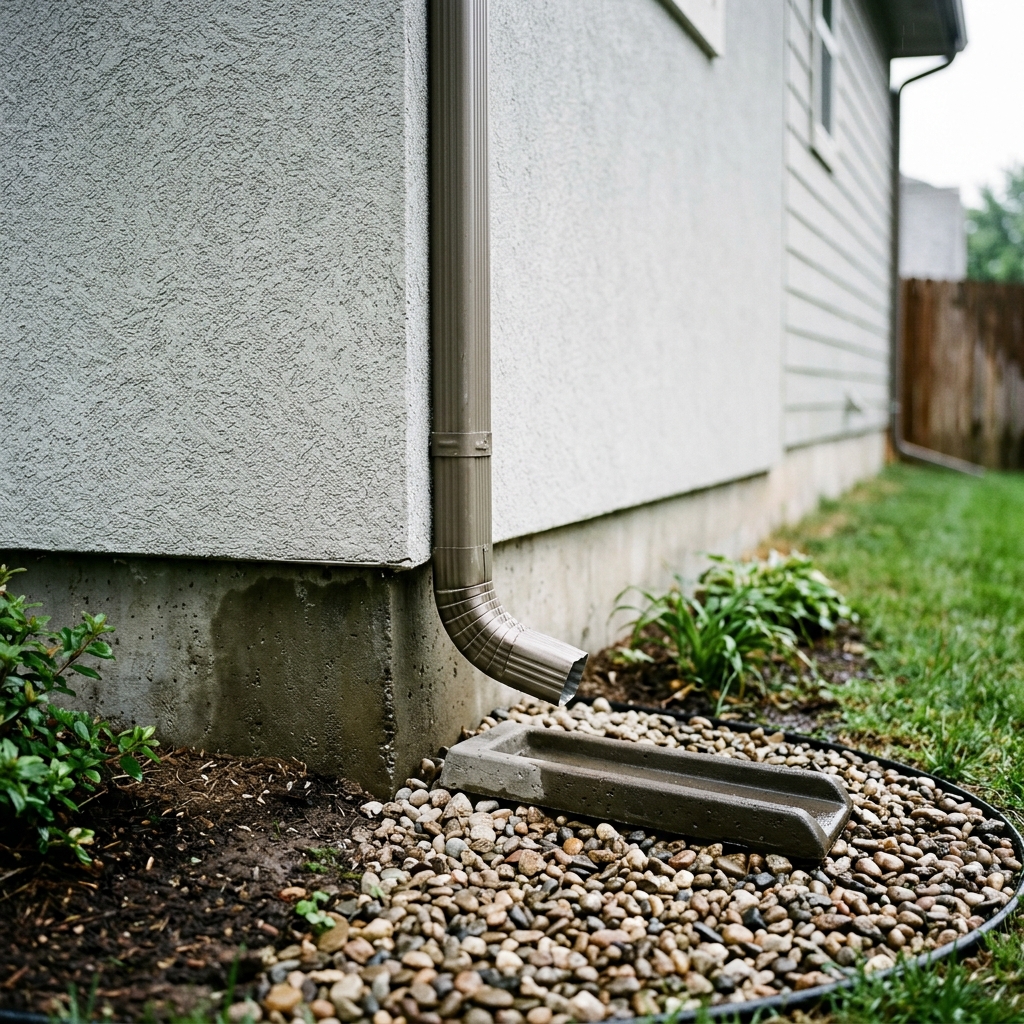
Proper downspout placement prevents foundation erosion by directing rainwater away from your home’s base before it can saturate the soil, undermine structural stability, and cause costly damage. When downspouts deposit water too close to the foundation, hydrostatic pressure builds up against basement walls and footings, leading to cracks, settling, and long-term structural failure. The fix is straightforward but frequently overlooked: downspouts should discharge water at least six to ten feet from the foundation, angled away from the home using extensions, splash blocks, or underground drainage systems. In Georgia’s climate — where heavy seasonal rainfall and clay-heavy soils create ideal conditions for erosion and water pooling — this becomes even more critical. Homeowners in communities like Watkinsville, Athens, Bishop, and Farmington often deal with significant runoff events that overwhelm improperly placed gutters and downspouts. Understanding how proper downspout placement prevents foundation erosion is one of the most cost-effective steps any homeowner can take to protect their property for the long term.
Why Downspout Placement Matters More Than Most Homeowners Realize
Your roof collects every drop of rain that falls on it and funnels that water through your gutters and downspouts. A typical 2,000-square-foot roof can shed more than 1,200 gallons of water during a one-inch rainfall event. That volume needs somewhere to go — and if your downspouts are depositing it directly against your foundation, you are essentially watering your home’s most vulnerable structural element with every storm.
The soil surrounding a foundation expands and contracts with moisture. In North Georgia especially, clay-heavy soils absorb water quickly and expand under pressure. Over time, repeated wet-and-dry cycles erode the compacted soil that supports your footings, creating voids, settlement cracks, and drainage channels that pull water even deeper toward your basement or crawl space. This process — slow, invisible, and relentless — is one of the leading causes of foundation damage in residential homes. Proper downspout placement disrupts this cycle before it starts.
The Most Common Downspout Placement Mistakes
Downspouts That End at the Foundation Line
Many older homes and even some newer builds have downspouts that terminate just inches from the foundation wall. Whether due to budget constraints, poor installation, or outdated practices, these short terminations concentrate large volumes of water precisely where it causes the most damage. The water has nowhere to go except into the ground beside the footing, where it erodes soil, increases hydrostatic pressure, and eventually infiltrates the basement or crawl space.
Missing or Damaged Splash Blocks
Splash blocks are designed to redirect water flow away from the home after it exits the downspout. When these are cracked, misaligned, or missing entirely, water pools directly beneath the downspout exit point. Over time, this creates a depression in the soil that actually channels more water toward the foundation rather than away from it. Splash blocks should slope away from the house at a minimum gradient of one inch per foot for at least six feet.
Clogged Downspouts Causing Overflow
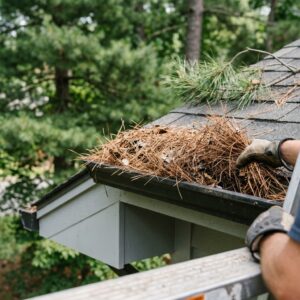
A downspout blocked by leaves, debris, or bird nests doesn’t just stop working — it actively redirects water over the gutter edge and down the side of the house, often directly onto the soil at the foundation line. Regular gutter and downspout cleaning is essential, especially in the fall after leaf drop and in the spring following storm season. For homeowners with heavy tree coverage, gutter guards can reduce the frequency of clogs without eliminating the need for periodic inspection.
Incorrect Grading Around the Foundation
Even correctly placed downspouts can cause erosion if the grade around your home slopes toward the foundation rather than away from it. The ground immediately surrounding your home should slope downward at a rate of at least six inches over the first ten feet. When combined with properly extended downspouts, correct grading creates a two-layer defense that keeps surface water moving away from the structure at all times. If you’re unsure about your current grading, a visual inspection after a heavy rain will reveal pooling patterns quickly.
How Proper Downspout Placement Prevents Foundation Erosion
Minimum Discharge Distance Requirements
The widely accepted standard is that downspouts should extend water discharge at least six feet from the foundation, with ten feet or more being preferable in areas with high rainfall or clay-heavy soils. This distance gives water the opportunity to slow, spread, and absorb into the surrounding landscape before it can migrate back toward the home. In practice, this means every downspout on your home needs either a downspout extension, a flexible elbow, or a buried drainage pipe that carries water to a safe discharge point in the yard.
Downspout Extensions and Flexible Elbows
The simplest and most affordable solution is a rigid or flexible downspout extension. These attach to the bottom of your existing downspout and redirect flow horizontally across the ground surface. Flexible extensions can be positioned to drain toward a low point in the yard, a planted bed designed to absorb runoff, or a gravel drainage area. They cost very little and install in minutes, yet they represent one of the most impactful changes you can make to your home’s drainage system.
Underground Drainage Systems
For homes on smaller lots, in HOA communities, or in areas where surface extensions create trip hazards or aesthetic concerns, underground drainage systems offer a cleaner solution. A buried downspout drain uses a perforated or solid PVC pipe to carry water beneath the surface and discharge it several feet from the foundation — sometimes all the way to the street, a storm drain, or a natural drainage area at the back of the property. These systems require more investment upfront but virtually eliminate surface erosion and ponding.
Rain Barrels and Cisterns
Homeowners interested in water conservation can also connect downspouts to rain barrels or cisterns, capturing runoff for later use in irrigation. This approach keeps water out of the soil near the foundation entirely during the collection phase. Rain barrels should be positioned with overflow valves directed away from the foundation so that when they reach capacity, excess water still drains safely.
French Drains as a Supporting System
In cases where the soil around a foundation is already saturated due to years of improper drainage, a French drain may be needed to supplement downspout corrections. A French drain is a gravel-filled trench containing a perforated pipe that intercepts groundwater and carries it away before it reaches the foundation. When paired with properly extended downspouts, a French drain can rehabilitate even severely water-affected foundation areas over time.
Signs That Your Current Downspout Placement Is Already Causing Damage
Foundation erosion caused by poor downspout placement rarely announces itself dramatically. Instead, it builds gradually through a series of warning signs that homeowners often misattribute to other causes. Watch for the following indicators that your drainage system may be undermining your foundation:
- Cracks in foundation walls or basement floors — especially horizontal cracks, which indicate lateral pressure from saturated soil
- Doors and windows that stick or no longer close properly — a sign that the structure may be shifting due to soil movement
- Water stains or efflorescence on basement walls — mineral deposits left behind as water migrates through concrete
- Soil erosion channels or trenches leading toward the house — visible after heavy rain events
- Persistent damp or musty odors in the basement or crawl space — indicating chronic moisture infiltration
- Pooling water near the foundation after rainfall — the clearest visible sign that your downspouts are discharging too close to home
If you’re seeing multiple of these signs together, the situation warrants a professional assessment sooner rather than later. Addressing drainage issues early is dramatically less expensive than repairing foundation damage after the fact. For homeowners who have also noticed related issues with their roof system — such as sagging gutters, missing flashing, or poor water control at the roofline — it may be worth reading about why your roof needs a drip edge and how it connects to your gutter system’s performance.
Downspout Placement and Georgia’s Climate
Georgia’s rainfall patterns make proper downspout placement especially important for homeowners throughout the Northeast and North Georgia region. The state receives an average of 50 inches of rainfall annually, with significant storm events concentrated in spring and late summer. Areas like Watkinsville, Athens, and the surrounding Oconee County communities frequently experience heavy downpours that can deposit one to two inches of rain in less than an hour — overwhelming drainage systems that were already borderline functional.
The clay soils common across much of this region compound the problem. Unlike sandy or loamy soils that allow water to percolate downward quickly, clay holds moisture and transfers hydrostatic pressure directly to any structure it contacts. This is why homeowners in Bishop, Farmington, and North High Shoals often find that relatively minor drainage issues escalate into significant foundation problems faster than they might in other parts of the country.
Understanding how your roofing system and drainage work together is a related consideration. Homeowners interested in how roofing materials and exterior systems interact with Georgia’s demanding weather might also find value in reviewing the best roof materials for hot and humid climates and how those choices affect long-term water management.
How Your Gutter System Connects to Downspout Performance
Downspouts are only as effective as the gutter system feeding them. Gutters that are improperly pitched, sagging, or too narrow will overflow before water ever reaches the downspout — dumping water directly along the foundation line. For most residential applications, gutters should slope approximately one-quarter inch per ten feet toward the downspout outlet. Homes with long rooflines may require multiple downspout outlets to prevent bottlenecking during heavy rain.
Downspout placement intervals matter too. Industry guidance generally recommends one downspout for every 30 to 40 linear feet of gutter. Homes with large roof surfaces, complex rooflines, or valleys that concentrate runoff may need additional outlets beyond that baseline. If your current system was installed with the minimum number of downspouts and they all terminate near the foundation, you may be dealing with both a volume problem and a placement problem simultaneously.
For homeowners who want a broader understanding of how water management connects to roof performance and home value, roofing upgrades that add value to homes in Bishop and how maintenance reduces roof repair costs offer helpful context on making smart exterior investments.
When to Call a Professional
While downspout extensions and splash block adjustments are DIY-friendly tasks, some drainage situations call for professional assessment. If you have already noticed signs of foundation movement, persistent basement moisture, or significant soil erosion around your home, it is worth having a qualified exterior contractor evaluate your entire drainage system — from the roofline gutters to the ground-level discharge points. In some cases, what appears to be a simple downspout problem is actually a symptom of a larger drainage design issue that requires grading correction, underground pipe installation, or both.
If you’re located in Watkinsville, Athens, Bishop, or the surrounding North Georgia communities, Ridgeline Roofing & Exteriors provides comprehensive exterior assessments that include gutter and drainage evaluation alongside roofing inspections. With over 20 years of experience serving Northeast Georgia homeowners and crews averaging 25-plus years in the field, Ridgeline brings the local knowledge and hands-on expertise needed to identify drainage problems before they escalate into foundation damage. Their team can assess your current downspout configuration, identify discharge points that are too close to the foundation, and recommend practical, durable solutions suited to your property’s specific grading and soil conditions.
To schedule a free inspection or discuss your home’s exterior drainage concerns, call Ridgeline Roofing & Exteriors at 770-706-7663 or visit ridgelineroofingcompany.com. Protecting your foundation starts at the roofline — and the right team makes all the difference.