When choosing a gutter system for your home, understanding the fundamental differences between seamless gutters and sectional gutters is essential for making an informed decision. Seamless gutters are custom-fabricated on-site from a continuous piece of material, typically aluminum, with joints only at corners and downspout connections. In contrast, sectional gutters come in pre-cut lengths (usually 10-20 feet) that are joined together during installation. The primary differences lie in their construction method, leak potential, maintenance requirements, and overall cost. Seamless gutters offer superior leak protection due to fewer joints, require less maintenance over time, and provide a cleaner aesthetic appearance. Sectional gutters, while initially less expensive and easier for DIY installation, have multiple seams that can become potential leak points and typically require more frequent maintenance to prevent water damage.
Understanding Seamless Gutter Systems
Seamless gutters represent a significant advancement in gutter technology, revolutionizing how homeowners protect their properties from water damage. These custom-made systems are fabricated using specialized equipment that forms continuous lengths of guttering material directly at your home. The process begins with a coil of aluminum, steel, or copper that feeds through a gutter-forming machine, creating a perfectly sized channel that matches your home’s exact measurements.
The manufacturing process eliminates the need for multiple sections and connectors along straight runs. Professional installers measure each section of your roofline precisely, then operate the forming machine to create gutters that fit perfectly from corner to corner. This precision manufacturing ensures optimal water flow and reduces the number of potential failure points in your gutter system.
Material options for seamless gutters include aluminum (most common), copper (premium option), and steel (for extreme durability). Aluminum remains the popular choice due to its lightweight nature, corrosion resistance, and availability in numerous colors. The thickness of seamless gutters typically ranges from .027 to .032 inches, providing excellent structural integrity while remaining manageable for installation.
Exploring Sectional Gutter Systems
Sectional gutters, also known as traditional or seamed gutters, have been the standard choice for residential properties for decades. These systems consist of pre-manufactured sections, typically available in 10-foot or 20-foot lengths, that contractors or homeowners connect using various joining methods. The modular nature of sectional gutters makes them readily available at home improvement stores and suitable for DIY installation projects.
Installation involves measuring the roofline, cutting sections to fit, and joining them with connectors, sealants, or snap-together systems. Each joint requires careful sealing to prevent leaks, and end caps, corner pieces, and downspout outlets add to the number of potential weak points. While modern joining techniques have improved significantly, the fundamental challenge of multiple seams remains inherent to sectional gutter systems.
Common materials for sectional gutters include vinyl, aluminum, and steel. Vinyl options offer the lowest initial cost and easiest installation but may become brittle in extreme temperatures. Aluminum sectional gutters provide better durability than vinyl while remaining affordable. Steel sections offer maximum strength but require regular maintenance to prevent rust, particularly in areas like Georgia where humidity levels can accelerate corrosion.
Key Differences in Performance and Durability
The performance gap between seamless and sectional gutters becomes most apparent during heavy rainfall events common in Georgia. Seamless gutters excel at handling high water volumes because they lack the flow disruptions created by multiple joints. Water moves smoothly through the continuous channel, reducing the likelihood of overflow during intense storms. This superior flow capacity proves especially valuable for homes with large roof areas or steep pitches that channel significant water volumes.
Durability comparisons reveal clear advantages for seamless systems. Without multiple joints to fail, seamless gutters typically last 20-30 years with proper maintenance, while sectional gutters often require joint repairs or full replacement after 10-20 years. The continuous structure of seamless gutters also provides better resistance to sagging, as the uniform material distribution creates consistent strength throughout the system.
Weather resistance represents another crucial performance factor. Seamless gutters expand and contract uniformly with temperature changes, maintaining their structural integrity. Sectional gutters face stress at each joint during thermal expansion and contraction cycles, potentially creating gaps that allow water infiltration. In regions experiencing significant temperature variations, this difference in thermal performance can dramatically impact long-term reliability.
Installation Process Comparison
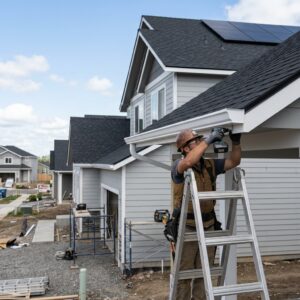
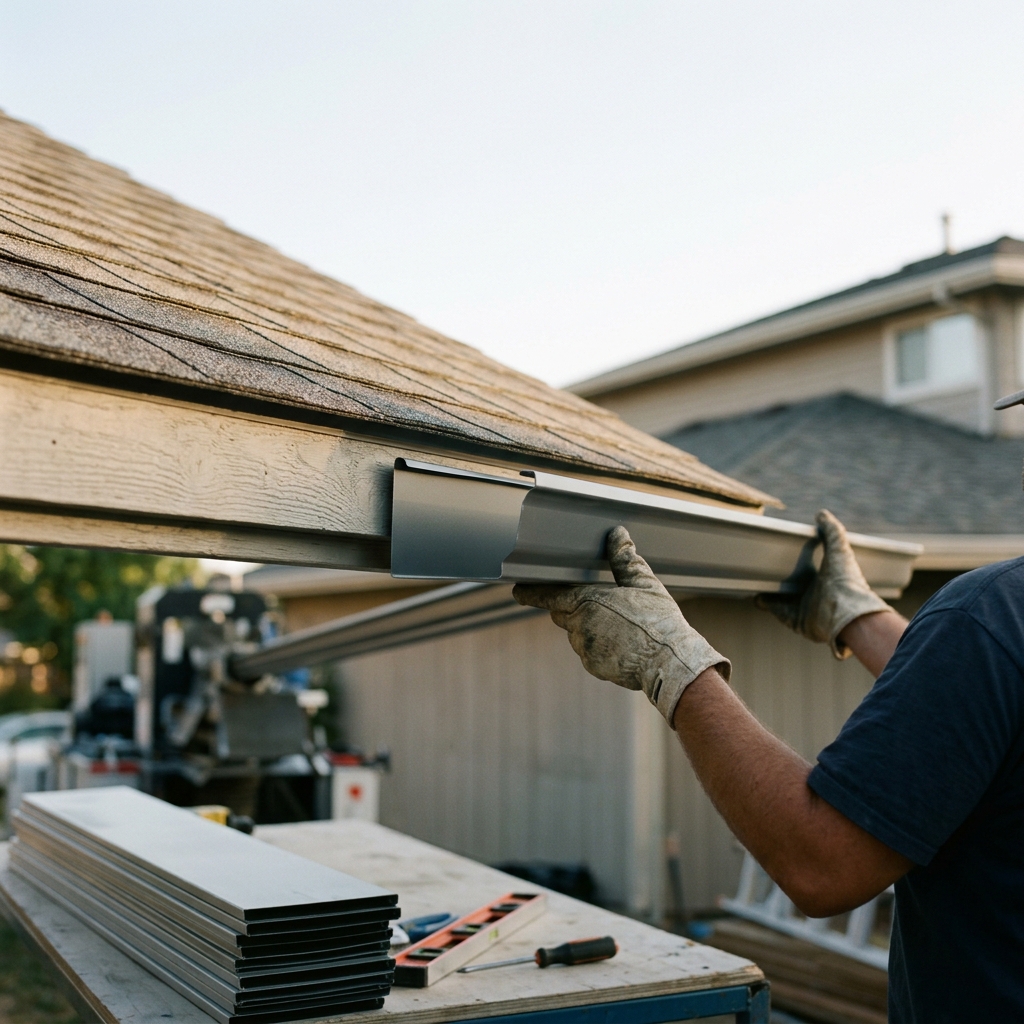
Professional installation of seamless gutters requires specialized equipment and expertise, making it exclusively a contractor service. The process begins with detailed measurements of your home’s roofline, accounting for corners, downspout locations, and any architectural features. Installation crews arrive with a truck-mounted gutter machine, metal coils, and all necessary mounting hardware.
The seamless installation process typically completes in one day for average-sized homes. Technicians form each gutter section on-site, ensuring perfect fits and minimal waste. They secure the continuous sections using hidden hangers spaced appropriately for the gutter material and expected snow or debris loads. Corner pieces and downspout connections represent the only joints in the system, and installers seal these carefully to prevent leaks.
Sectional gutter installation offers more flexibility, allowing for DIY projects or professional installation. The process involves measuring, cutting sections to length, and assembling the system piece by piece. While homeowners can tackle sectional gutter installation, achieving professional-quality results requires careful attention to pitch, secure mounting, and proper sealing of all joints. Professional installers can complete sectional gutter installation faster than seamless systems but must spend additional time ensuring all connections remain watertight.
Cost Analysis: Initial Investment vs Long-Term Value
Understanding the cost implications of seamless-gutters-vs-sectional-gutters-explained requires examining both upfront expenses and lifetime value. Seamless gutters typically cost 15-25% more than sectional systems for initial installation. This premium reflects the specialized equipment, professional installation requirements, and custom fabrication process. However, the higher initial investment often proves economical when considering reduced maintenance costs and extended lifespan.
Sectional gutters appeal to budget-conscious homeowners due to lower material costs and DIY installation possibilities. A homeowner purchasing sectional gutters can save 50-70% on installation labor by completing the project themselves. However, these savings may evaporate if frequent repairs become necessary or if improper installation leads to water damage requiring costly repairs.
Long-term cost considerations favor seamless systems for most homeowners. Reduced maintenance requirements mean fewer service calls and repair expenses over the gutter system’s lifetime. The superior performance of seamless gutters also provides better protection against water damage to foundations, siding, and landscaping, potentially saving thousands in prevented repair costs. When calculating total cost of ownership over 20 years, seamless gutters often prove more economical despite higher initial costs.
Maintenance Requirements and Longevity
Maintenance needs differ significantly between seamless and sectional gutter systems. Seamless gutters require basic cleaning twice yearly and periodic inspections of corners and downspout connections. The absence of multiple joints eliminates the need for regular resealing and reduces debris accumulation points. This simplified maintenance makes seamless gutters particularly attractive for multi-story homes where gutter access proves challenging.
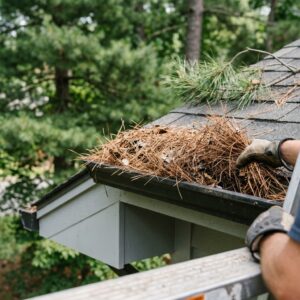
Sectional gutters demand more intensive maintenance to remain functional. Each joint requires periodic inspection and resealing to prevent leaks. Joints also tend to collect debris, creating dams that impede water flow and increase overflow risks. Homeowners with sectional gutters should inspect joints after severe weather events and reseal any showing signs of separation or deterioration.
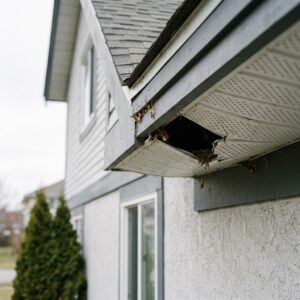
The longevity advantage of seamless gutters becomes apparent when examining failure modes. Sectional gutters typically fail at joints first, with sealant degradation allowing water infiltration that can damage fascia boards and soffits. Seamless gutters, lacking these weak points, generally maintain their integrity until the material itself degrades from age or extreme weather exposure. This fundamental difference in failure patterns explains why seamless gutters often outlast sectional systems by 10 years or more.
Aesthetic Considerations
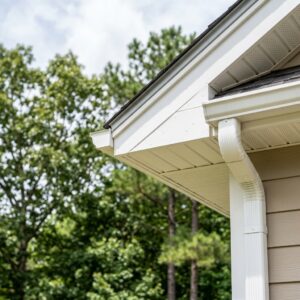
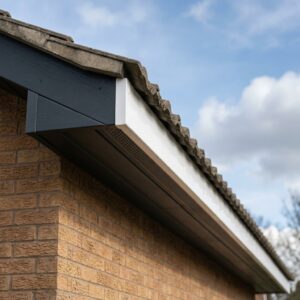
Visual appeal plays an important role in gutter selection, particularly for homeowners focused on curb appeal. Seamless gutters provide clean, continuous lines that complement modern architectural styles. The absence of visible joints creates a streamlined appearance that many homeowners find more attractive than the segmented look of sectional systems. Custom color matching ensures seamless gutters blend perfectly with existing trim or siding colors.
Sectional gutters, while functional, create a more utilitarian appearance due to visible joints every 10-20 feet. These connection points can accumulate dirt and oxidation differently than the gutter sections, creating an uneven appearance over time. However, some homeowners prefer the traditional look of sectional gutters, particularly on historic homes where maintaining period-appropriate aesthetics takes priority.
The impact on property value deserves consideration when choosing between gutter systems. Real estate professionals often note that seamless gutters represent a desirable feature for potential buyers, who associate them with quality construction and reduced maintenance needs. While gutters alone rarely make or break a sale, the presence of well-maintained seamless gutters can contribute positively to overall property appeal and perceived value.
Making the Right Choice for Your Home
Selecting between seamless and sectional gutters requires evaluating your specific circumstances, including budget constraints, long-term plans, and maintenance preferences. Seamless gutters prove ideal for homeowners planning to stay in their properties long-term, as the investment pays dividends through reduced maintenance and superior performance. The professional installation requirement shouldn’t deter homeowners, as proper installation ensures optimal performance and protects the investment.
Sectional gutters may suit situations involving temporary ownership, extreme budget limitations, or DIY enthusiasts confident in their installation abilities. Rental property owners might choose sectional gutters for easy replacement of damaged sections without replacing entire runs. However, even in these scenarios, the false economy of choosing sectional gutters can manifest through increased maintenance costs and potential water damage from failed joints.
Climate considerations significantly impact the seamless-gutters-vs-sectional-gutters-explained decision. In regions experiencing heavy rainfall, frequent storms, or significant temperature variations, seamless gutters provide superior protection and reliability. Georgia’s climate, with its intense summer thunderstorms and occasional ice events, creates conditions where seamless gutters’ superior performance justifies their higher initial cost for most homeowners.
Professional Installation and Quality Assurance
The importance of professional installation cannot be overstated for either gutter type, though it’s mandatory for seamless systems. Experienced installers understand proper pitch requirements, optimal hanger spacing, and appropriate fastening techniques for different fascia materials. They also identify potential problems like inadequate roof overhang or damaged fascia boards before installation begins.
Quality assurance during installation involves verifying proper water flow, secure mounting, and sealed connections. Professional installers test systems before leaving, ensuring water flows correctly to downspouts without pooling or overflowing. They also provide warranties covering both materials and workmanship, offering homeowners peace of mind that their investment remains protected.
For homeowners in the Watkinsville area considering gutter replacement or installation, consulting with experienced professionals helps determine the best solution for specific needs. Local contractors understand regional weather patterns and can recommend appropriate gutter sizes and configurations for optimal performance. Companies like Ridgeline Roofing and Exteriors bring decades of experience installing both gutter types, helping homeowners make informed decisions based on their unique circumstances and long-term goals.