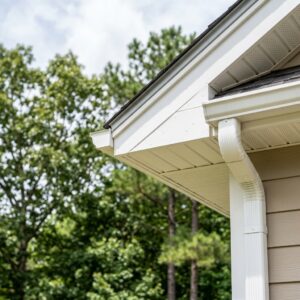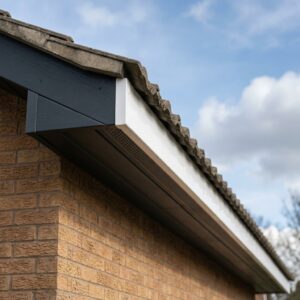
Soffit and fascia repair during roof replacement is a critical component that many homeowners overlook until their roofing contractor points out damage. These essential elements of your home’s roofing system work together with your shingles or metal panels to create a complete weather barrier. The soffit, which covers the underside of your roof’s overhang, provides vital ventilation for your attic space while preventing moisture buildup and pest intrusion. The fascia board, mounted at the point where the roof meets the outer walls, serves as the attachment point for gutters and helps protect the roof’s edge from water damage. When replacing your roof, addressing soffit and fascia issues simultaneously ensures optimal performance of your entire roofing system and prevents future problems that could compromise your new roof investment.
Understanding the Role of Soffit and Fascia in Your Roofing System
Your home’s roofing system extends beyond just the shingles or metal panels visible from the street. The soffit and fascia components play crucial protective and functional roles that directly impact your roof’s longevity and your home’s overall health. These elements form an integrated system that manages airflow, protects against weather, and maintains your home’s structural integrity.
The fascia board runs horizontally along the roof’s edge, creating a finished appearance while serving as the primary mounting surface for your gutter system. This board takes the brunt of weather exposure, particularly from wind-driven rain and ice formation during winter months. Behind the fascia, the roof’s rafters or trusses connect, making this component essential for maintaining proper roof structure alignment.
Soffits fill the gap between your home’s siding and the roof’s edge, typically featuring ventilation openings that allow fresh air to enter your attic space. This airflow works in conjunction with ridge vents or other exhaust ventilation to create a balanced system that regulates attic temperature and moisture levels throughout the year.
Common Soffit and Fascia Problems Discovered During Roof Replacement
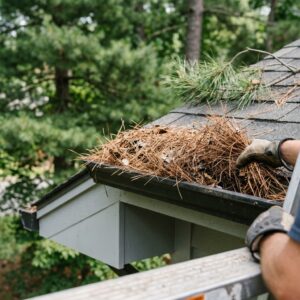
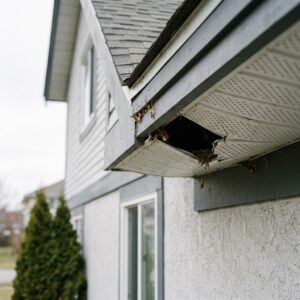
When roofing contractors begin removing old shingles or panels, they often uncover hidden damage to soffit and fascia components that wasn’t visible from ground level. Water infiltration represents the most common issue, particularly where gutters have overflowed or ice dams have formed. This moisture exposure leads to wood rot in traditional fascia boards, compromising their structural integrity and ability to support gutter systems.
Pest damage frequently appears during roof replacement projects, especially in older homes where small gaps have allowed insects, birds, or rodents to access the area behind the fascia or through damaged soffit panels. Carpenter bees, woodpeckers, and squirrels can create surprisingly extensive damage that weakens these components and provides entry points for water.
Age-related deterioration affects even well-maintained soffit and fascia systems. Paint failure, warping from temperature extremes, and general material fatigue mean these components often need attention when the roof reaches replacement age. Aluminum and vinyl soffits may show signs of sagging or separation, while wood components might exhibit cracking, splitting, or areas of soft, punky wood.
Signs of Water Damage
Water damage manifests in several ways within soffit and fascia systems. Dark staining or discoloration on soffit panels indicates chronic moisture exposure, often from roof leaks or gutter problems. Peeling paint on fascia boards suggests water has penetrated the protective coating, while soft or spongy areas when pressed indicate advanced wood rot requiring immediate attention.
Ventilation Issues
Blocked or inadequate soffit ventilation creates problems throughout your attic space. Signs include excessive heat buildup in summer, ice dam formation in winter, and moisture condensation on the underside of roof decking. During roof replacement, contractors can identify these ventilation deficiencies and recommend appropriate solutions.
Why Timing Soffit and Fascia Repairs with Roof Replacement Makes Sense
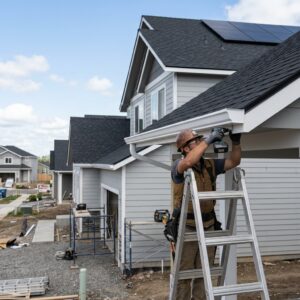
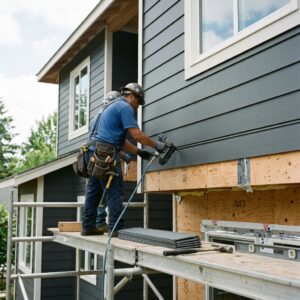
Coordinating soffit and fascia repairs with your roof replacement project offers numerous practical and financial advantages. The scaffolding, ladders, and safety equipment already in place for roofing work provide easy access to these components, eliminating the need for separate mobilization costs. This accessibility allows contractors to thoroughly inspect and address all issues in a single project phase.
From a technical standpoint, replacing these components during roofing work ensures proper integration of all system elements. New drip edge installation, for example, requires coordination with fascia boards to create an effective water management system. Similarly, ensuring adequate soffit ventilation works best when contractors can verify proper airflow patterns while the roof decking is exposed.
Cost efficiency represents another compelling reason for simultaneous repairs. Labor costs for accessing and working on soffit and fascia areas decrease significantly when combined with roof replacement. Material delivery, debris removal, and project management overhead spread across a single project rather than multiple separate jobs.
The Repair Process: What to Expect
Professional soffit and fascia repair during roof replacement follows a systematic approach designed to identify and address all issues comprehensively. The process begins with detailed inspection once old roofing materials are removed, allowing contractors to assess the full extent of any damage or deterioration.
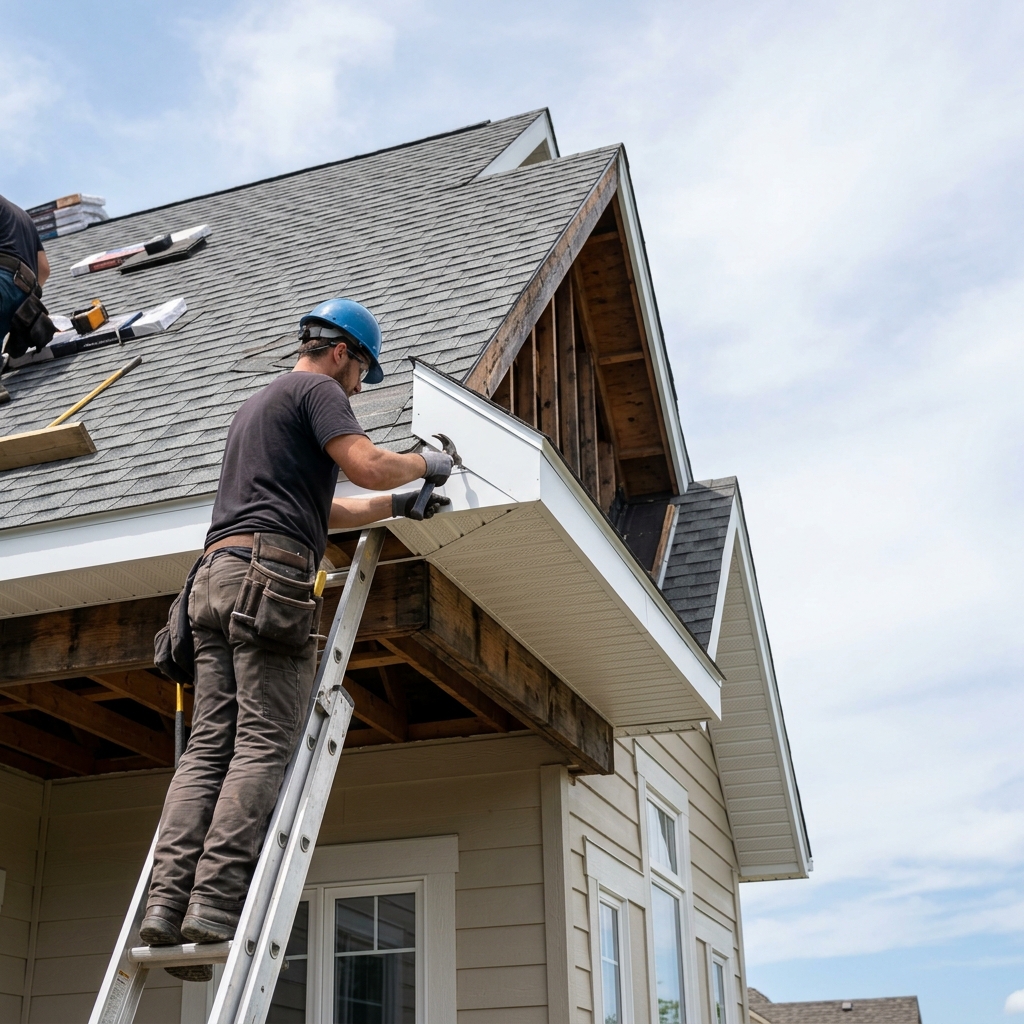
For fascia board replacement, contractors first remove the existing gutters and any damaged boards. They inspect the rafter tails or truss ends for signs of rot or damage, making necessary repairs before installing new fascia materials. Modern installations often use composite or PVC boards that resist moisture and require minimal maintenance compared to traditional wood.
Soffit repair or replacement involves removing damaged panels and inspecting the area for proper ventilation capacity. Contractors calculate the required ventilation area based on your attic space and ensure new soffit installations include adequate vented panels to maintain proper airflow.
Material Selection Considerations
Choosing appropriate materials for soffit and fascia replacement impacts both performance and aesthetics. Aluminum offers excellent durability and low maintenance requirements, while vinyl provides cost-effective protection with good color retention. Fiber cement products deliver superior durability and pest resistance, though at a higher initial cost. Wood remains popular for historic homes or specific architectural styles but requires regular maintenance to prevent deterioration.
Integration with New Roofing
Proper integration between new roofing materials and repaired soffit and fascia components ensures long-term performance. This includes installing appropriate drip edge profiles, ensuring proper shingle overhang, and verifying that all transitions are properly sealed against water intrusion. Professional contractors understand these critical details and implement them systematically during installation.
Cost Factors and Budget Considerations
The cost of soffit and fascia repair during roof replacement varies based on several factors, including the extent of damage, material choices, and your home’s accessibility. Linear footage of fascia boards and square footage of soffit areas provide the basic pricing foundation, with additional costs for extensive structural repairs or custom architectural details.
Material selection significantly impacts project costs. Basic vinyl or aluminum components offer budget-friendly options, while premium materials like copper, composite, or architectural-grade wood increase expenses. However, investing in quality materials often provides better long-term value through reduced maintenance needs and extended service life.
Labor costs for soffit and fascia work typically decrease when combined with roof replacement, as workers and equipment are already on-site. This coordination can reduce the fascia and soffit portion of your project by 20-30% compared to scheduling these repairs separately.
Long-Term Benefits of Proper Soffit and Fascia Maintenance
Maintaining healthy soffit and fascia systems extends well beyond aesthetic considerations. These components protect your home’s structural elements from moisture damage, preventing costly repairs to rafters, wall framing, and interior finishes. Proper ventilation through well-maintained soffits helps regulate attic temperatures, reducing cooling costs in summer and preventing ice dam formation in winter.
Your roof’s lifespan directly correlates with the condition of supporting components like soffit and fascia. When these elements function properly, they prevent moisture infiltration that could otherwise compromise roof decking and accelerate shingle deterioration. This protection becomes especially critical in areas with severe weather exposure.
Property value and curb appeal benefit significantly from well-maintained soffit and fascia systems. These visible components frame your roof and contribute to your home’s overall appearance. Potential buyers recognize the importance of these elements and often view their condition as an indicator of general property maintenance.
Working with Professional Contractors
Selecting the right contractor for combined roof replacement and soffit/fascia repair requires verifying their experience with both aspects of the work. Professional roofing contractors should provide detailed inspections that identify all necessary repairs and explain how these components integrate with your new roofing system.
Quality contractors present clear documentation of recommended repairs, including photographs of problem areas and detailed cost breakdowns. They should explain how proposed solutions address current issues while preventing future problems. This transparency helps homeowners make informed decisions about repair scope and material selection.
Warranty coverage for soffit and fascia work should align with your roof replacement warranty. Reputable contractors stand behind their workmanship and use materials backed by manufacturer warranties. Understanding these protections ensures your investment remains protected long after project completion.
Making Informed Decisions About Your Roofing Project
Soffit and fascia repair during roof replacement represents a smart investment in your home’s long-term protection and performance. By addressing these components simultaneously, you ensure all elements of your roofing system work together effectively while maximizing cost efficiency and minimizing disruption to your daily life.
Understanding the critical roles these components play helps homeowners appreciate why professional contractors often recommend their repair or replacement during roofing projects. The integrated approach to roofing system maintenance provides superior results compared to addressing issues piecemeal over time.
For homeowners in Watkinsville and surrounding Georgia communities, working with experienced contractors like Ridgeline Roofing and Exteriors ensures thorough evaluation and professional repair of all roofing system components. Their comprehensive approach to roof replacement includes careful attention to soffit and fascia condition, helping protect your investment for years to come. To schedule a complete roofing system evaluation, contact their team at 770-706-7663.