Georgia’s Climate Creates Unique Challenges for Shingle Roofs in Oconee County
Georgia’s hot, humid summers and unpredictable seasonal weather patterns create specific challenges for asphalt shingles and dimensional shingles throughout Oconee County. Homes in Echo Brook Park, Eastville, Washington Farms, and neighborhoods along Hog Mountain Road in the 30677 zip code face constant exposure to moisture intrusion, granule loss, and thermal cycling that weakens roof decking and synthetic underlayment over time. Properties near the Historic Elder Mill Covered Bridge and throughout Farmington, Elder, and Bishop experience these weather-related stresses year-round, making regular roof inspections critical for maintaining structural integrity.
According to the National Roofing Contractors Association, asphalt shingles represent 80 percent of all residential roofing projects across the United States, making understanding seasonal weather impacts essential for homeowners in Ashland, Poplar Springs, Covena, and along Mars Hill Road in the 30621 zip code. The Verisk Roofing Realities Trend Report shows that homes with moderate to poor roof conditions face 60 percent higher loss costs, particularly relevant for properties in North High Shoals, Bostwick, and near Oconee County High School where ridge cap shingles and step flashing endure Georgia’s extreme temperature fluctuations and heavy rainfall events throughout the year.
Spring Storm Season Damage Patterns
Severe Weather and Hail Impact
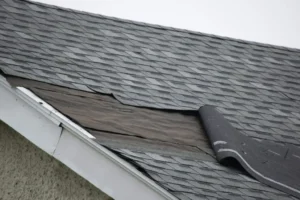
Spring storms bring the most destructive weather conditions for architectural shingles and 3-tab shingles across neighborhoods in Little Creek, Scull Shoals, and Heritage Park near Lane Creek Road. Hail damage creates granule loss and cracked shingles that compromise the protective barrier, while high winds cause lifted shingles and missing shingles along roof valleys and eaves. Properties in Woodlands, Woodridge North, and along High Shoals Road in the 30645 zip code experience particular vulnerability during April and May storm systems that generate wind uplift forces exceeding manufacturer specifications for standard starter strips and drip edge installations.
The Insurance Institute data shows that over 50 percent of residential claims are driven by wind and hail damage, with non-catastrophic wind and hail roof claims increasing from 17 percent in 2022 to 25 percent in 2024. Homeowners near Salem Baptist Church, Antioch Christian Church, and Bishop Baptist Church often discover nail pops and chimney flashing separation following spring severe weather events. Ice-and-water shield and counter flashing systems in these areas must withstand rapid pressure changes and driving rain that penetrate compromised roof decking and OSB sheathing.
Heavy Rainfall and Water Intrusion
Georgia’s spring rainfall patterns create prolonged moisture exposure for homes in Nolan Manor, Apalachee, and neighborhoods near Westminster Christian Academy along New High Shoals Road. Saturated underlayment and synthetic underlayment lose adhesion properties when exposed to standing water in roof valleys and around skylight flashing installations. Properties throughout the 30638 zip code and along Experiment Station Road experience soffit vent blockages and fascia board deterioration when gutters overflow during heavy downpours, creating additional stress on roof pitch calculations and proper drainage systems.
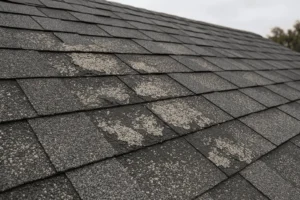
Understanding signs your shingle roof needs repair becomes critical for homeowners in Lane Creek, Maxeys, and Stephens during spring months when moisture intrusion accelerates rotted decking and sagging roof deck conditions. The extended wet periods common in Oconee County create ideal conditions for algae staining and moss growth on north-facing roof slopes, particularly affecting homes near Oconee Veterans Park and Herman C. Michael Park where tree coverage reduces direct sunlight exposure needed for proper drying.
Summer Heat Stress on Roofing Materials
Thermal Cycling Effects
Georgia’s extreme summer temperatures create daily thermal expansion and contraction cycles that stress pipe boots, roof vents, and ridge vents throughout Echo Brook Park, Eastville, and Washington Farms. Dimensional shingles and architectural shingles experience accelerated aging when surface temperatures exceed 160 degrees Fahrenheit, causing curling shingles and premature granule loss along roof hips and gables. Properties near Providence Golf Club and Lane Creek Golf Course face additional heat reflection from water features and open spaces that intensify thermal cycling effects on step flashing and counter flashing installations.
The ThinkHazard World Bank data classifies Georgia as having high extreme heat hazard risk, with extreme heat events expected at least once in the next five years. Homes in Ashland, Gratis, and Campton along US 441 and SR 15 experience the most severe thermal stress due to extended sun exposure and limited shade coverage. Shingle roof damage after georgia heat waves often includes separated starter strips, compromised ice-and-water shield, and deteriorated synthetic underlayment that requires immediate attention to prevent moisture intrusion during afternoon thunderstorms.
UV Radiation and Material Degradation
Prolonged ultraviolet exposure breaks down asphalt compounds in shingles throughout Farmington, Elder, and Bishop, causing brittleness and reduced flexibility in ridge cap shingles and standard roofing materials. Properties near Elder Mill Road, Greensboro Highway, and Malcom Bridge Road face accelerated UV degradation due to southern exposures and minimal tree coverage. The constant UV bombardment affects soffit panels, fascia boards, and exposed roof decking around dormers and architectural features common in neighborhoods like Iron Horse, Wrayswood, and areas surrounding Malcom Bridge Elementary.
According to RubyHome industry data, the average roof lifespan in Georgia’s climate ranges from 20 years for three-tab shingles to 30 years for architectural shingles, significantly shorter than northern climates due to UV intensity and thermal stress. Homeowners scheduling roof repair services in the 30677 zip code often discover that plywood decking and OSB sheathing require replacement due to UV-related deterioration of protective shingle layers, particularly around roof vents and skylight flashing installations where penetrations create vulnerable exposure points.
Fall Weather Transitions and Preparation Challenges
Temperature Fluctuations
October and November temperature swings between warm days and cool nights create expansion and contraction stress on roofing materials throughout North High Shoals, Poplar Springs, and Covena near Hillsboro Road. These daily temperature variations cause lifted shingles and separated flashing around chimneys and roof penetrations, particularly affecting homes near High Shoals Elementary and along Hopping Road in the 30621 zip code. Architectural shingles and dimensional shingles lose flexibility during cool mornings, making them susceptible to wind damage when afternoon temperatures spike above 80 degrees Fahrenheit.
Properties in Heritage Park, Woodlands, and Woodridge North experience specific challenges with roof valleys and hip installations during fall weather transitions. The Verisk Roofing Realities Trend Report indicates that roof-related claims represent 25 percent of all residential insurance claim value, with fall preparation issues contributing significantly to winter damage patterns. Homeowners near University of North Georgia Oconee Campus and along Bishop Parkway often discover loose ridge cap shingles and compromised starter strips during fall inspections, requiring immediate attention before winter weather arrives.
Debris and Maintenance Issues
Fall leaf accumulation creates drainage problems for homes throughout Lane Creek, Little Creek, and Scull Shoals where mature trees deposit organic matter in roof valleys and around soffit vents. Blocked gutters and downspouts cause water backup that affects drip edge installations and fascia board connections, particularly problematic for properties near Salem Baptist Church, Antioch Christian Church, and Bishop Baptist Church. The combination of wet leaves and temperature fluctuations accelerates moss growth and algae staining on architectural shingles, creating conditions that compromise granule retention and protective surface coatings.
Our Watkinsville roofing contractors regularly address fall maintenance issues for homes in Wrayswood, Iron Horse, and neighborhoods along Lane Creek Road where debris accumulation affects synthetic underlayment performance and ice-and-water shield effectiveness. Professional cleaning of pipe boots, roof vents, and ridge vents becomes essential during October and November to prevent winter ice formation and ensure proper ventilation for properties near Oconee Forest Disc Golf Course and throughout the SR 186 corridor.
Winter Challenges and Freeze-Thaw Cycles
Ice Formation and Expansion
While Georgia winters are generally mild, occasional freezing temperatures create ice formation in roof valleys and around step flashing installations throughout Echo Brook Park, Eastville, and Washington Farms. Properties near the Apalachee River and along McNutt Creek Road experience higher humidity levels that contribute to frost formation on north-facing roof slopes, affecting granule adhesion and shingle flexibility. Ice expansion in small cracks and nail holes accelerates damage to roof decking and OSB sheathing, particularly problematic for homes in the 30677 zip code where thermal cycling between freezing and warming creates repeated expansion-contraction stress.
The Bureau of Economic Analysis data shows Georgia’s regional price parity at 94.5 compared to the national average, making cost-effective winter maintenance crucial for homeowners in Ashland, Farmington, and Elder. Wind damage to shingle roofs in farmington often combines with freeze-thaw effects to create multiple failure points in counter flashing, chimney flashing, and skylight flashing systems. Properties along Mars Hill Road, Experiment Station Road, and Daniells Bridge Road require specific attention to prevent ice damming around roof penetrations and architectural features.
Moisture Retention Issues
Georgia’s winter humidity creates moisture retention problems for asphalt shingles and dimensional shingles in areas with poor ventilation, particularly affecting homes in Bishop, North High Shoals, and Bostwick near the 30621 zip code boundaries. Inadequate soffit vent and ridge vent systems allow moisture buildup in attic spaces, creating condensation that affects underlayment and synthetic underlayment performance from the interior. Properties near Malcom Bridge Middle School and Oconee County Middle School often experience rotted decking and sagging roof deck conditions when winter moisture combines with inadequate air circulation systems.
The extended periods of high humidity during winter months affect pipe boot seals and roof vent installations throughout Heritage Park, Woodlands, and Woodridge North, creating entry points for moisture intrusion that compromises plywood decking and structural integrity. Homes along High Shoals Road, Elder Mill Road, and Greensboro Highway require professional assessment of ventilation systems to prevent winter moisture problems that lead to spring and summer failures in architectural shingles and protective underlayment systems.
Year-Round Impact on Different Shingle Types
Three-Tab Shingle Performance
Three-tab shingles represent 42 percent of roofing projects according to RubyHome data, making their seasonal performance critical for many homes in Poplar Springs, Covena, and Lane Creek along SR 53 and Hog Mountain Road. These basic asphalt shingles show the most pronounced seasonal wear patterns, with granule loss accelerating during summer months and curling shingles developing during fall temperature transitions. Properties near Rocky Branch Elementary and throughout the 30645 zip code experience premature three-tab failure due to Georgia’s climate intensity, particularly around roof hips, gables, and areas with southern exposure.
The lightweight construction of three-tab shingles makes them vulnerable to wind uplift during spring storms affecting homes in Nolan Manor, Apalachee, and Bostwick near US 129 and SR 15 intersections. Lifted shingles and missing shingles occur more frequently with three-tab installations compared to heavier architectural alternatives, requiring more frequent replacement of starter strips and ridge cap shingles. Understanding missing shingles and what they mean for your roof becomes particularly important for three-tab installations in areas like Little Creek, Scull Shoals, and Wrayswood where seasonal weather stress creates regular maintenance demands.
Architectural Shingle Durability
Architectural shingles and dimensional shingles demonstrate superior seasonal performance throughout Iron Horse, Lane Creek, and Maxeys, providing enhanced granule retention and improved wind resistance during Georgia’s challenging weather patterns. The thicker construction and multiple layer design of architectural shingles better withstand thermal cycling effects common in areas near Providence Golf Club and Monroe Golf & Country Club. Properties along Virgil Langford Road, Union Church Road, and Simonton Bridge Road benefit from the enhanced durability of architectural shingles during spring hail events and summer heat exposure.
According to industry data, architectural shingles maintain their protective properties for an average of 30 years compared to 20 years for three-tab alternatives, making them cost-effective for homes in Stephens, Farmington, and Elder where seasonal weather stress is particularly intense. The improved step flashing integration and better ice-and-water shield compatibility of architectural shingle systems provide enhanced protection around dormers, roof valleys, and complex architectural features common in neighborhoods near Westminster Christian Academy and Oconee County Primary School along the Hog Mountain Road corridor.
Professional Assessment and Maintenance Strategies
Seasonal Inspection Requirements
Professional roof inspections become essential for homes throughout Echo Brook Park, Eastville, and Washington Farms to identify seasonal damage before minor issues become major failures requiring complete roof replacement. Spring inspections focus on hail damage, granule loss, and wind uplift effects on architectural shingles and ridge cap installations, while summer assessments evaluate thermal stress damage to synthetic underlayment and roof decking systems. Properties near Butler’s Crossing and along Experiment Station Road require specialized attention to commercial-grade flashing and membrane installations that face different seasonal stresses than residential applications.
The Georgia roofing market represents $2.3 billion according to IBISWorld data, with seasonal maintenance representing a significant portion of contractor activity throughout Oconee County. Shingle roof repair costs vary based on seasonal damage patterns, with spring storm repairs averaging higher due to comprehensive flashing and underlayment replacement requirements. Homeowners in Ashland, Gratis, and Campton benefit from bi-annual inspections that identify compromised pipe boots, roof vents, and ridge vents before seasonal weather changes create moisture intrusion problems.
Preventive Maintenance Programs
Proactive maintenance programs help protect dimensional shingles and architectural shingles throughout Farmington, Elder, and Bishop by addressing minor issues before seasonal weather amplifies damage. Regular cleaning of soffit vents and ridge vents prevents debris accumulation that blocks proper ventilation, while periodic replacement of deteriorated caulking around skylight flashing and chimney flashing prevents water intrusion during heavy rainfall events. Properties near Salem Baptist Church, Antioch Christian Church, and Bishop Baptist Church benefit from scheduled maintenance that addresses specific seasonal challenges affecting different roof exposures and architectural features.
The 367 Advisors research shows that 90 percent of re-roofing demand is non-discretionary, meaning preventive maintenance that extends roof life provides significant value for homeowners throughout North High Shoals, Poplar Springs, and Covena. Seasonal maintenance programs include gutter cleaning, flashing inspection, and granule loss assessment that help identify developing problems before they require major repairs to plywood decking, OSB sheathing, or structural components. Professional maintenance extends the average roof lifespan beyond typical expectations for Georgia’s challenging climate conditions.
Long-Term Planning for Seasonal Weather Impact
Georgia’s seasonal weather patterns require long-term planning strategies for homeowners throughout Heritage Park, Woodlands, Woodridge North, and properties near Lane Creek Golf Course and Oconee Veterans Park. The Verisk Roof Age data indicates that 29 percent of homes have under four years of roof life remaining, with seasonal weather acceleration making replacement planning critical for properties along High Shoals Road, Elder Mill Road, and Greensboro Highway in the 30645 and 30638 zip codes. Ridgeline Roofing and Exteriors helps homeowners in Lane Creek, Little Creek, Scull Shoals, and Wrayswood develop comprehensive roofing strategies that account for seasonal damage patterns and long-term material performance in Georgia’s challenging climate conditions.
The Cost vs Value Report shows that roof replacement provides 60 to 70 percent return on investment, making strategic planning essential for homes in Iron Horse, Nolan Manor, Apalachee, and Bostwick where seasonal weather stress accelerates normal aging processes. Properties near Malcom Bridge Elementary, Rocky Branch Elementary, and Oconee County High School along the Hog Mountain Road corridor benefit from material selection strategies that account for specific seasonal challenges including UV exposure, thermal cycling, and moisture retention issues common throughout Oconee County’s diverse microclimates and architectural styles.