Choosing the right gutter size for your home involves understanding your roof’s square footage, local rainfall intensity, and the pitch of your roof. Most residential homes require 5-inch K-style gutters, which handle approximately 5,520 square feet of drainage area with 2×3 inch downspouts. However, homes with steep roofs, large surface areas, or those located in regions with heavy rainfall may need 6-inch gutters that can manage up to 7,960 square feet of drainage. The key is calculating your roof’s drainage area by multiplying length times width and adding 10% for wind-driven rain, then matching this to your local rainfall intensity measured in inches per hour. Professional assessment ensures proper sizing that prevents overflow, foundation damage, and costly water-related repairs while maintaining your home’s curb appeal.
Understanding Standard Gutter Sizes and Their Capacities
Residential gutters typically come in two standard sizes: 5-inch and 6-inch, measured across the top opening. The 5-inch K-style gutter remains the most common choice for average-sized homes, capable of channeling 1.2 gallons of water per linear foot. This capacity suits homes with moderate roof areas and typical rainfall patterns.
The 6-inch gutter option provides 40% more water capacity than its 5-inch counterpart, handling approximately 2.0 gallons per linear foot. This increased capacity makes it ideal for larger homes, steeper roofs, or areas experiencing frequent heavy downpours. Commercial properties often utilize even larger 7-inch or 8-inch gutters, though these rarely appear on residential structures.
Half-round gutters, popular on historic homes, come in 5-inch and 6-inch varieties but hold less water than K-style gutters of the same width. A 5-inch half-round gutter carries about 0.75 gallons per foot, making proper sizing even more critical for these traditional profiles.
Calculating Your Roof’s Drainage Area
Determining your roof’s drainage area forms the foundation for selecting appropriate gutter sizing. Start by measuring each roof section that drains into a specific gutter run. For a simple gable roof, multiply the horizontal roof length by half the roof width to find the drainage area for each side.
Complex rooflines require individual calculations for each plane. Hip roofs, dormers, and valleys create additional drainage points that concentrate water flow. Add these supplementary areas to your primary calculations, ensuring you account for every surface that channels water toward your gutters.
The roof pitch significantly impacts drainage speed and volume. Steeper roofs shed water faster, creating higher flow rates that can overwhelm undersized gutters. For roofs with a pitch greater than 7:12, multiply your drainage area by 1.2 to compensate for the increased water velocity. This adjustment prevents overflow during intense rainfall events.
Factoring in Local Rainfall Intensity
Regional rainfall patterns directly influence gutter size requirements. The U.S. Weather Service provides rainfall intensity maps showing maximum inches per hour for 5-minute duration storms with various recurrence intervals. Most residential applications use the 10-year storm data, though areas prone to severe weather might reference 25-year or 50-year storm intensities.
Georgia experiences varied rainfall patterns, with some regions receiving intense summer thunderstorms that can dump several inches within minutes. These burst events test gutter capacity more than steady, all-day rain. Understanding your local microclimate helps determine whether standard sizing suffices or if you need to upgrade to accommodate these peak flow periods.
Climate change has increased rainfall intensity in many regions, making historical data less reliable for future planning. Consider sizing gutters based on projected increases in storm intensity rather than past averages. This forward-thinking approach provides better long-term protection for your home investment.
Matching Downspout Size to Gutter Capacity
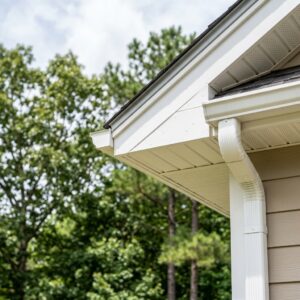
Proper gutter system design requires appropriately sized downspouts to handle the water volume your gutters collect. Standard residential downspouts come in 2×3 inch and 3×4 inch rectangular sizes, or 3-inch and 4-inch round configurations. The smaller 2×3 inch downspouts adequately serve 5-inch gutters on most homes.
Upgrading to 6-inch gutters typically necessitates larger 3×4 inch downspouts to prevent bottlenecking. A single 2×3 inch downspout drains approximately 600 square feet of roof area, while a 3×4 inch downspout handles up to 1,200 square feet. This doubling of capacity ensures water flows freely from gutter to ground.
Downspout spacing affects overall system performance. Even with proper sizing, placing downspouts too far apart creates overflow points during heavy rain. Position downspouts every 20 to 30 feet along gutter runs, with additional units at inside corners where water naturally concentrates.
Special Considerations for Different Roof Types
Metal roofs present unique challenges for gutter sizing due to their smooth surface and rapid water shedding. The low friction coefficient causes water to accelerate down the roof slope, potentially overshooting standard gutters during heavy rain. Installing 6-inch gutters with extended drip edges helps capture this fast-moving water.
Tile and slate roofs concentrate water flow at the valleys between tiles, creating high-volume streams that require strategic gutter placement. These premium roofing materials often benefit from custom gutter solutions that account for their distinctive drainage patterns. Consider installing splash guards at valleys to prevent overflow.
Low-slope roofs accumulate water differently than steep roofs, requiring careful attention to gutter placement and sizing. While the slower drainage might suggest smaller gutters suffice, the opposite proves true. Low-slope roofs need larger gutters to handle the prolonged water flow that occurs as accumulated rainfall gradually reaches the roof edge.
The Impact of Trees and Debris on Gutter Sizing
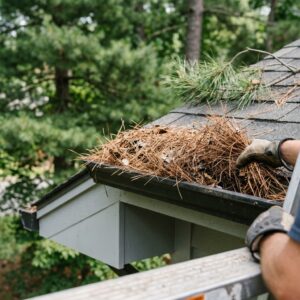
Properties with significant tree coverage require special consideration when selecting gutter size. Leaves, twigs, and seed pods reduce effective gutter capacity by creating dams that impede water flow. What starts as a 5-inch gutter might function like a 3-inch gutter once debris accumulates.
Larger gutters provide more room for debris while maintaining adequate water flow capacity. The extra inch in a 6-inch gutter offers valuable buffer space that keeps water moving even with some leaf accumulation. This proves especially important during fall when seasonal debris peaks.
Gutter guards and leaf protection systems work more effectively in larger gutters. The increased opening allows better water entry while filtering debris, whereas smaller gutters might experience reduced flow when guards are installed. Factor in your debris management strategy when determining final gutter dimensions.
Cost Considerations: Balancing Budget and Performance
The price difference between 5-inch and 6-inch gutters typically ranges from $1 to $2 per linear foot for materials. On a typical home requiring 150 linear feet of gutters, this represents a $150 to $300 increase. This modest upcharge provides significant performance improvements that often justify the investment.
Installation costs remain relatively similar regardless of gutter size, as the labor involved changes minimally. The real savings come from avoiding future water damage repairs. Undersized gutters that frequently overflow can cause foundation problems, siding damage, and landscape erosion costing thousands in repairs.
Long-term maintenance costs also favor properly sized gutters. Systems that handle water flow without strain last longer and require less frequent repairs. The reduced risk of ice dams in winter and decreased cleaning frequency due to better debris handling add value beyond the initial installation.
Professional Assessment vs. DIY Calculations
While homeowners can perform basic drainage calculations, professional contractors bring expertise in recognizing subtle factors affecting gutter performance. They understand local building codes, which sometimes mandate minimum gutter sizes for specific roof areas. This knowledge prevents costly corrections during home sales or insurance inspections.
Professional assessments consider whole-house water management, not just individual gutter runs. They evaluate grading, drainage patterns, and potential problem areas where water might accumulate. This comprehensive approach ensures your gutter system integrates properly with other water management features.
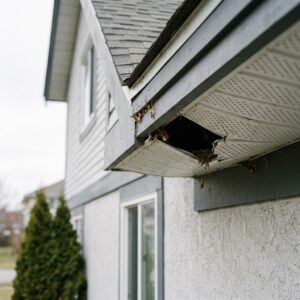
Experienced contractors also spot existing damage or installation errors that affect gutter sizing decisions. Improperly pitched gutters, inadequate fascia support, or damaged soffits might require correction before new gutter installation. Addressing these issues during the sizing process prevents future performance problems.
Future-Proofing Your Gutter System
Climate projections suggest increasing rainfall intensity across much of the United States, making conservative gutter sizing a smart investment. Choosing gutters that handle 25% more water than current calculations suggest provides a buffer against changing weather patterns. This approach costs marginally more today but potentially saves significant money over your home’s lifetime.
Home additions and roof modifications can alter drainage patterns, potentially overwhelming previously adequate gutters. Installing larger gutters initially provides flexibility for future changes without requiring complete system replacement. This proves especially valuable for growing families who might add dormers, extend rooflines, or build additions.
Material selection also affects long-term performance. Seamless aluminum gutters in larger sizes maintain their shape better than sectional systems, providing consistent water flow throughout their service life. The combination of proper sizing and quality materials creates a gutter system that protects your home for decades.
Common Mistakes When Choosing Gutter Size
Many homeowners make the error of matching new gutters to existing sizes without evaluating whether the original installation was adequate. Previous owners might have chosen undersized gutters to save money, creating chronic overflow problems. Always calculate requirements based on your roof’s actual drainage needs rather than assuming existing sizes are correct.
Another frequent mistake involves focusing solely on the main roof while ignoring secondary drainage areas. Garage roofs, porch covers, and bay windows all contribute water that must be managed. These additional sources can overwhelm gutters sized only for the primary roof area.
Failing to account for worst-case scenarios leads to undersized systems that work fine in light rain but fail during severe storms. Proper gutter sizing means preparing for intense rainfall events, not just average precipitation. This conservative approach ensures your home stays protected when weather turns severe.
Making the Final Decision
Selecting the right gutter size for your home requires balancing multiple factors including roof area, rainfall intensity, debris load, and budget constraints. For most homes, starting with accurate drainage calculations provides a solid foundation for decision-making. Add considerations for local weather patterns and specific roof characteristics to refine your choice.
When calculations fall near the boundary between sizes, choosing the larger option provides peace of mind and better long-term value. The minimal additional cost of 6-inch gutters often pays dividends through improved performance and reduced maintenance needs. This proves especially true for homes with complex rooflines or significant tree coverage.
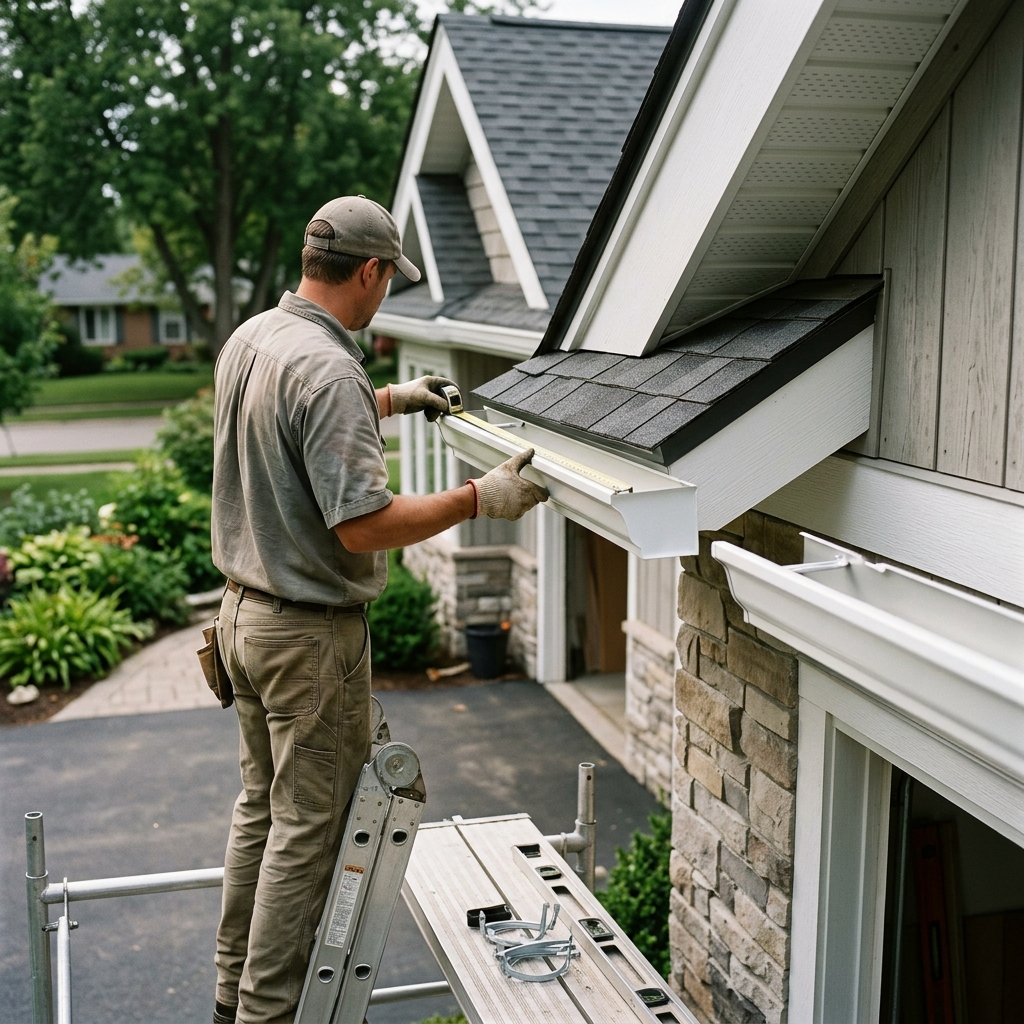
Professional installation ensures your properly sized gutters perform as designed. Expert contractors understand the nuances of pitch, hanger spacing, and sealing that maximize water flow regardless of gutter dimensions. Combining appropriate sizing with quality installation creates a gutter system that effectively protects your home while maintaining its aesthetic appeal. For homeowners in Georgia seeking professional guidance on gutter installation or comprehensive exterior services, Ridgeline Roofing and Exteriors provides expert assessments backed by decades of experience. Contact their team at 770-706-ROOF to ensure your home receives the properly sized gutter system it deserves.