Georgia Heat Wave Damage Affects Shingle Roofs Across Oconee County
The extreme temperatures that swept through Georgia during recent heat waves have left their mark on asphalt shingle roofs throughout Watkinsville, Bishop, and North High Shoals. Properties along Hog Mountain Road in the 30677 zip code and homes near Oconee County High School experienced prolonged exposure to temperatures exceeding 100 degrees, causing significant thermal stress on architectural shingles and dimensional shingles. The combination of intense solar radiation and high humidity has accelerated granule loss on roofs in Echo Brook Park, Eastville, Washington Farms, and Ashland neighborhoods.
According to Verisk’s Roofing Realities Trend Report, homes with moderate to poor roof condition represent 38 percent of all residential properties nationwide, making them particularly vulnerable to heat-related damage. Neighborhoods like Farmington, Elder, and Heritage Park near Mars Hill Road in the 30621 zip code have seen increased instances of curling shingles and lifted shingles following the recent heat dome events. The thermal expansion and contraction cycles during these extreme weather periods stress the roof decking, underlayment, and step flashing systems that protect homes throughout Oconee County.
How Extreme Heat Damages Asphalt Shingles
Thermal Cycling Effects on Shingle Materials
Heat waves create rapid thermal cycling that forces asphalt shingle materials to expand during scorching daytime temperatures and contract during cooler nighttime hours. Properties in Poplar Springs, Covena, and Woodlands along Elder Mill Road experience this daily expansion-contraction cycle that weakens the bond between shingle layers and accelerates the deterioration of ridge cap shingles. The synthetic underlayment and ice-and-water shield beneath the shingles also undergo thermal stress that can compromise their waterproofing properties over time.
Three-tab shingles are particularly susceptible to thermal damage compared to architectural shingles due to their thinner construction and reduced material density. Homes near the Historic Elder Mill Covered Bridge and throughout the Apalachee River corridor in zip codes 30677 and 30638 often show signs of shingle warping and cupping after sustained heat exposure. The asphalt compounds in these roofing materials become more pliable during extreme heat, making them vulnerable to wind uplift and mechanical damage from thermal movement.
Granule Loss Acceleration During Heat Events
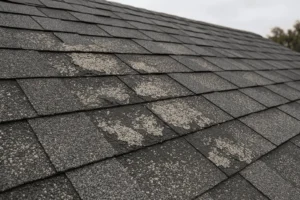
The protective granule layer on asphalt shingles experiences accelerated loss during Georgia heat waves, particularly on south-facing roof slopes that receive direct solar exposure throughout the day. Properties along High Shoals Road, Greensboro Highway, and Experiment Station Road in Bishop, North High Shoals, and Bostwick show increased granule accumulation in gutters and downspouts following extreme heat periods. This granule loss exposes the underlying asphalt mat to UV radiation and moisture, creating pathways for more extensive roof deterioration.
The Asphalt Roofing Manufacturers Association reports that 80 percent of residential roofs use asphalt shingle materials, making granule integrity critical for long-term roof performance. Homes in Little Creek, Scull Shoals, and areas near Lane Creek Golf Course experience granule loss patterns that correlate directly with heat wave intensity and duration. The exposed asphalt becomes brittle and prone to cracking, while the remaining granules may develop algae staining and moss growth in Georgia’s humid climate conditions.
Structural Damage from Prolonged Heat Exposure
Roof Decking and Sheathing Stress
Extended heat exposure affects not only the visible shingle layer but also the underlying roof decking and OSB sheathing that provide structural support. Properties in Nolan Manor, Woodridge North, and neighborhoods near Oconee Veterans Park experience thermal expansion in plywood decking that can cause nail pops and compromised fastener connections. The heat transfer through inadequately ventilated attic spaces creates moisture problems that weaken the roof deck and promote wood rot in the structural components.
Verisk data shows that homes with under 4 years of remaining roof life experience 50 percent higher damage rates during extreme weather events. Residences along Lane Creek Road, McNutt Creek Road, and properties near Providence Golf Club with aging roof systems face accelerated deterioration when heat waves compound existing structural weaknesses. The combination of thermal stress and moisture intrusion can compromise the integrity of soffit vents, ridge vents, and fascia boards that regulate attic ventilation.
Flashing System Failures
Metal flashing components around chimneys, skylights, and roof penetrations expand and contract at different rates than asphalt shingles during heat waves, creating gaps and separation points where water can enter. Homes in Maxeys, Stephens, and areas near Westminster Christian Academy along New High Shoals Road show increased instances of chimney flashing failures and skylight flashing problems following extreme heat periods. The differential expansion rates between metal and asphalt materials stress the sealant connections and create vulnerability points for moisture infiltration.
Pipe boots and roof vents that seal around plumbing and HVAC penetrations are particularly susceptible to heat damage, as the rubber seals become brittle and crack under prolonged thermal stress. Properties throughout the 30645 zip code and neighborhoods near Salem Baptist Church experience these penetration failures that allow water to reach the roof decking and interior spaces. The replacement of these critical flashing components often requires comprehensive roof inspection to identify all affected areas.
Identifying Heat Damage on Your Oconee County Roof
Visual Signs of Thermal Stress
Homeowners in Echo Brook Park, Washington Farms, and Ashland can identify heat damage by examining their roofs for specific visual indicators that develop after extreme temperature exposure. Curling shingles along the roof edges and eaves represent one of the most common signs of thermal damage, particularly on homes along US 441 and Hog Mountain Road where heat reflection from pavement increases ambient temperatures. Missing shingles or lifted shingles that appear loose or displaced often indicate that thermal cycling has weakened the adhesive strips and nail connections.
Cracked shingles running parallel or perpendicular to the roof slope suggest that thermal expansion has exceeded the material’s flexibility limits, creating stress fractures that compromise weatherproofing. Properties near Antioch Christian Church and Bishop Baptist Church in the 30621 zip code frequently develop these crack patterns on south and west-facing roof sections that receive the most intense solar heating. The appearance of exposed nail heads or nail pops indicates that thermal movement has loosened fastener connections throughout the roofing system.
Interior Indicators of Heat-Related Roof Damage
Heat damage often manifests inside homes through increased attic temperatures, ceiling stains, and ventilation problems that become apparent after Georgia heat waves subside. Residences in Farmington, Elder, and Heritage Park near Mars Hill Road may notice higher cooling costs and reduced HVAC efficiency when thermal damage compromises attic ventilation systems. Water stains on ceilings or walls typically appear weeks or months after heat damage creates entry points for moisture during subsequent rain events.
According to RubyHome industry data, 33 percent of roof replacements result from leak-related issues that often originate from thermal damage sustained during extreme weather periods. Homes throughout Poplar Springs, Covena, and areas near Malcom Bridge Elementary experience condensation problems and indoor air quality issues when heat damage affects soffit panels and ridge vent systems. Professional roof repair services can identify these interior symptoms and trace them to their exterior thermal damage sources in Little Creek, Woodlands, and neighborhoods along Elder Mill Road.
Long-Term Effects of Heat Wave Damage
Accelerated Roof Aging Process
Heat wave damage accelerates the normal aging process of asphalt shingle roofs, effectively reducing their expected lifespan and compromising their ability to protect homes throughout Oconee County. Properties in North High Shoals, Bostwick, and areas near High Shoals Elementary experience this accelerated aging most severely on roof sections with poor ventilation or inadequate attic insulation. The combination of thermal stress and UV exposure breaks down the chemical bonds in asphalt materials, making dimensional shingles and architectural shingles more susceptible to future weather damage.
Industry data from Verisk indicates that roofs in hail-prone states have an average lifespan of 15 years, significantly shorter than the 22-year average in western states, partly due to thermal cycling effects. Homes along Hillsboro Road, Daniells Bridge Road, and properties near Monroe Golf & Country Club face similar lifespan reductions when heat waves compound other environmental stresses. The deterioration of starter strips and underlayment systems occurs more rapidly after thermal damage, requiring more frequent maintenance and earlier replacement timelines.
Increased Vulnerability to Future Weather Events
Roofs weakened by heat wave damage become significantly more vulnerable to wind damage, hail impact, and moisture intrusion during subsequent weather events throughout the Georgia climate cycle. Properties in Apalachee, areas near the Apalachee River, and homes throughout the 30677 zip code face increased risk of catastrophic damage when heat-stressed shingles encounter severe storms or high winds. Understanding signs your shingle roof needs repair becomes critical for homeowners in Echo Brook Park, Eastville, and Washington Farms following heat wave exposure.
The National Roofing Contractors Association reports that roof-related insurance claims have increased 30 percent since 2022, with over 50 percent of residential claims driven by wind and hail damage to thermally compromised roofing systems. Neighborhoods near Oconee County Middle School, Rocky Branch Elementary, and properties along Virgil Langford Road experience this cascading damage pattern where initial heat stress leads to more extensive problems during later weather events. Professional assessment of heat damage helps identify vulnerable areas before they become major structural problems.
Prevention and Mitigation Strategies
Improved Attic Ventilation Systems
Proper attic ventilation represents the most effective strategy for reducing thermal stress on asphalt shingles during Georgia heat waves, helping regulate temperature differentials that cause expansion and contraction damage. Homes in Bishop, Elder Heights, and neighborhoods near Presbyterian Village benefit from upgraded ridge vents, soffit vents, and powered exhaust systems that promote air circulation and reduce attic temperatures. The installation of additional roof vents and improved soffit panels helps create continuous airflow that prevents heat buildup in roof assemblies.
Properties along J T Elder Road, Farmington Road, and areas near Butler’s Crossing Shopping Center require ventilation solutions tailored to their specific roof pitch and architectural configurations. The combination of intake vents at the eaves and exhaust vents at the ridge creates natural convection currents that reduce thermal stress on roof decking, underlayment, and shingle materials. Professional evaluation of existing ventilation systems helps identify deficiencies that contribute to heat damage in homes throughout the 30621 and 30638 zip codes.
Protective Coating Applications
Reflective roof coatings and enhanced shingle materials provide additional protection against thermal damage during extreme heat events, reducing surface temperatures and UV exposure on vulnerable roof areas. Residences in Woodlands, Lane Creek, and properties near Lane Creek Golf Course can benefit from cool-roof technologies that reflect solar radiation and reduce heat absorption in asphalt shingles. These protective measures help extend roof lifespan and reduce the thermal cycling effects that cause granule loss and material deterioration.
The application of specialized sealants around flashing systems, pipe boots, and roof penetrations provides additional thermal protection for homes in Nolan, Heritage Park, and areas near Dove Creek Elementary. Regular maintenance of these protective systems helps prevent wind damage to shingle roofs in farmington and maintains weather resistance during extreme temperature fluctuations. Professional contractors can recommend appropriate coating systems based on specific roof materials and exposure conditions throughout Oconee County.
Professional Assessment and Repair Solutions
Comprehensive Heat Damage Inspection
Professional roof inspection following Georgia heat waves involves systematic evaluation of shingle condition, structural integrity, and ventilation effectiveness to identify both visible and hidden thermal damage. Our Ridgeline Roofing and Exteriors team serves properties throughout Scull Shoals, Iron Horse, and neighborhoods near Oconee Forest Disc Golf Course with detailed assessments that document granule loss, shingle deterioration, and flashing system problems. The inspection process includes thermal imaging and moisture detection to identify areas where heat damage has compromised the roof’s weatherproofing capabilities.
According to IBISWorld data, Georgia’s roofing market represents 2.3 percent of the state’s GDP, reflecting the critical importance of professional roofing services in maintaining property values and structural integrity. Homes along Moores Ford Road, Price Mill Road, and properties near Colham Ferry Elementary require specialized inspection techniques that account for Georgia’s unique climate challenges and thermal stress patterns. The documentation of heat damage provides essential information for insurance claims and repair planning processes.
Strategic Repair and Replacement Options
Heat damage repair strategies range from targeted shingle replacement and flashing restoration to comprehensive roof system upgrades that address underlying thermal vulnerability issues. Properties in Maxeys, Stephens, and areas near North Oconee High School benefit from repair approaches that prioritize long-term thermal resistance and improved weather protection. The selection of premium architectural shingles, enhanced underlayment materials, and upgraded ventilation systems helps prevent future heat damage while addressing current problems.
Angi reports that average roof repair costs in the Atlanta area reach $657, with typical ranges from $320 to $1,009 depending on damage extent and material requirements. Neighborhoods throughout the 30677 zip code and properties near Salem Baptist Church face repair decisions that balance immediate thermal damage correction with long-term roof performance improvements. Understanding missing shingles and what they mean for your roof helps homeowners make informed decisions about repair scope and timing in Echo Brook Park, Washington Farms, and Ashland communities.
Insurance Considerations for Heat Wave Damage
Coverage Evaluation and Documentation
Insurance coverage for heat wave damage varies significantly depending on policy terms, damage causation, and the distinction between normal wear and extreme weather effects on roofing systems. Homeowners in Farmington, Elder, and Heritage Park near Mars Hill Road should review their policies to understand coverage limitations for thermal damage versus storm-related roof problems. The documentation of pre-existing roof condition and post-heat wave damage helps establish claims validity and coverage eligibility for properties throughout Oconee County.
Verisk data indicates that residential roof claims represent 25 percent of total claim value nationwide, making proper documentation and professional assessment critical for successful insurance outcomes. Properties along Experiment Station Road, Malcom Bridge Road, and areas near Oconee County Primary School require detailed damage documentation that distinguishes between gradual thermal deterioration and acute weather-related damage. Professional Watkinsville roofing contractors provide expert documentation and assessment services that support insurance claim processes for heat damage throughout the 30621 and 30638 zip codes.
Claim Process and Professional Support
The insurance claim process for heat-related roof damage requires careful navigation of coverage terms, damage assessment, and repair cost evaluation to achieve fair settlement outcomes. Residences in Poplar Springs, Covena, and Woodlands benefit from professional roofing contractor involvement in the claims process to ensure accurate damage assessment and appropriate repair specifications. The complexity of distinguishing between normal aging and extreme weather damage requires expertise in roofing materials, thermal stress patterns, and insurance policy interpretation.
Industry data shows that non-catastrophic wind and hail roof claims represent 25 percent of all residential claims, often involving thermal damage that predisposes roofs to subsequent weather damage. Homes near Bishop Baptist Church, areas along High Shoals Road, and properties throughout North High Shoals require professional advocacy during the claims process to ensure comprehensive damage assessment and appropriate repair coverage. Understanding shingle roof repair costs helps homeowners evaluate settlement offers and repair options in Little Creek, Scull Shoals, and neighborhoods throughout the 30645 zip code.
Protecting Your Investment Through Proactive Care
Heat wave damage represents a significant threat to residential roofing systems throughout Watkinsville, Bishop, North High Shoals, and Bostwick, requiring proactive maintenance and professional assessment to protect property investments. The combination of extreme temperatures, thermal cycling, and Georgia’s humid climate creates unique challenges for asphalt shingles, roof decking, and flashing systems that serve homes along US 441, Hog Mountain Road, and Mars Hill Road. Professional evaluation of thermal damage helps homeowners in Echo Brook Park, Eastville, Washington Farms, and Ashland make informed decisions about repair timing and scope to prevent more extensive problems.
The Cost vs Value Report indicates that typical roof replacement provides 60 to 70 percent return on investment, making proper maintenance and timely heat damage repair essential for preserving property values throughout Oconee County. Understanding how storms damage shingle roofs in apalachee and recognizing the compounding effects of thermal stress helps residents in Farmington, Elder, Heritage Park, and areas near Oconee Veterans Park protect their homes against Georgia’s challenging climate conditions. Regular professional inspection and maintenance of roof systems provides the foundation for long-term weather protection and structural integrity throughout the 30677, 30621, 30638, and 30645 zip codes that define our local service area.