Commercial Roofing Challenges in Watkinsville’s Growing Business Corridor
Commercial property owners along Butler’s Crossing, Epps Bridge Parkway, and the US 441 corridor in Watkinsville face unique roofing challenges that differ significantly from residential properties. Businesses in the 30677 zip code, particularly those near Experiment Station Road and Hog Mountain Road, deal with flat roof systems that require specialized maintenance and installation techniques. The combination of Georgia’s intense summer heat, frequent storms, and high humidity creates demanding conditions for TPO membranes, EPDM rubber, and modified bitumen roofing systems throughout Oconee County’s commercial districts.
Properties near the Oconee Connector Retail District and along Mars Hill Road in the 30621 zip code experience additional challenges from increased foot traffic on roof systems and equipment loads that stress commercial roof decking. According to the Verisk Roofing Realities Trend Report, roof-related claims account for 25 percent of residential claim value nationwide, and commercial properties face even higher exposure due to their larger roof areas and complex mechanical systems. Business owners in Bishop, North High Shoals, and Bostwick along High Shoals Road must consider factors like membrane durability, proper drainage systems, and regular inspection schedules to protect their investments and maintain uninterrupted operations.
Flat Roof Membrane Deterioration in Oconee County’s Climate
TPO and EPDM Performance Under Georgia Heat
Commercial buildings in Echo Brook Park, Eastville, and Washington Farms experience accelerated membrane degradation due to Georgia’s extreme heat conditions. The Georgia climate presents High extreme heat hazard classification according to ThinkHazard data from the World Bank, with at least one extreme heat event expected in the next five years. TPO membrane seams along properties near Lane Creek Road and Elder Mill Road show signs of separation when exposed to prolonged temperatures above 95 degrees, while EPDM rubber systems on businesses near Oconee Veterans Park and Herman C. Michael Park develop surface cracking and lose flexibility over time.
Modified bitumen systems on commercial properties in Ashland, Farmington, and Elder along Greensboro Highway face unique challenges from thermal cycling that causes expansion and contraction stress. Business owners near Westminster Christian Academy and along Bishop Farms Parkway in the 30638 zip code report membrane blistering and granule loss on their flat roof surfaces during peak summer months. Professional inspection of roof membrane integrity, proper drainage systems, and adequate insulation becomes critical for maintaining weatherproof barriers on commercial structures throughout Covena, Heritage Park, and Woodlands near Malcom Bridge Road.
Ponding Water Issues on Low-Slope Commercial Roofs
Properties along Daniells Bridge Road and near Colham Ferry Elementary experience significant ponding water problems due to inadequate slope design and blocked drainage systems. Commercial buildings in Poplar Springs, Salem, and Fieldstone areas of the 30645 zip code often struggle with standing water that remains on TPO membrane surfaces for more than 48 hours after rainfall events. According to IBISWorld data, Georgia’s roofing market represents 2.3 percent of the state’s GDP, highlighting the economic importance of proper commercial roof maintenance and drainage solutions.
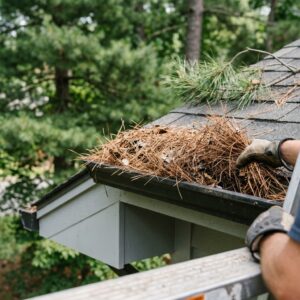
Roof drains and scuppers on businesses near Rocky Branch Elementary and throughout Fernwood and Essex neighborhoods become clogged with debris from surrounding trees and vegetation. Modified bitumen and EPDM systems in Woodridge North, Flinchum, and Phoenix areas along Hog Mountain Road show premature deterioration where ponding water creates constant moisture exposure. Property managers must implement regular drain cleaning schedules and consider tapered insulation systems to direct water flow toward proper drainage points and prevent membrane failure.
HVAC Equipment Impact on Commercial Roof Systems
Rooftop Unit Mounting and Penetration Sealing
Commercial properties in Windy Creek, Daniell’s Plantation, and Parkside near Mars Hill Road face challenges with properly mounted HVAC equipment that creates stress points on roof membrane systems. Rooftop units on businesses along Tramlin Acres, Lake Forest, and Bent Tree areas require specialized curb systems and proper flashing details to prevent moisture intrusion around equipment penetrations. The weight distribution from large HVAC systems on buildings near Coldwater Creek and Canyon Creek in the 30677 zip code demands adequate structural support and reinforced roof decking to prevent sagging or membrane damage.
Pipe boots and equipment penetrations through TPO and EPDM membranes on properties near Cedar Hills, Crystal Hills, and Cumberland developments along High Shoals Road require regular inspection and maintenance. Commercial building owners near Cumberland and Daniel Plantation report frequent leak issues around rooftop unit curbs where thermal movement creates separation between flashing materials and membrane systems. Professional installation of counter flashing, step flashing, and proper sealant application becomes essential for maintaining watertight seals around mechanical equipment throughout these commercial corridors. Understanding how georgia heat impacts commercial roof systems helps property owners in Bostwick, Apalachee, and Little Creek make informed decisions about their roofing systems.
Vibration Damage from Mechanical Systems
Businesses in Gratis, Campton, and Little Creek areas near Experiment Station Road experience roof membrane fatigue from constant equipment vibration that loosens fasteners and creates stress fractures in roofing materials. HVAC systems on commercial buildings throughout Scull Shoals, Wrayswood, and Iron Horse neighborhoods generate vibrations that propagate through roof decking and cause premature failure of membrane seams and penetration seals. According to the National Roofing Contractors Association, proper equipment isolation and vibration dampening systems extend roof life by reducing mechanical stress on roofing components. Homeowners in Woodlands, Woodridge North, and Lane Creek neighborhoods often research commercial roof maintenance tips for properties along us 441 before scheduling inspections.
Modified bitumen systems on properties near Lane Creek Golf Course and Providence Golf Club show accelerated granule loss and surface cracking in areas directly below vibrating equipment. Commercial roof systems in Maxeys, Stephens, and Apalachee along Lane Creek Road require isolation curbs and proper mounting hardware to prevent vibration transmission to the underlying membrane and structural components. Regular inspection of fastener tightness and membrane condition around mechanical equipment helps identify potential failure points before they develop into costly leak issues.
Storm Damage Vulnerabilities for Commercial Buildings
Wind Uplift Resistance in Georgia Weather Patterns
Commercial properties in Bostwick, McNutt Creek, and Rocky Branch areas face significant wind uplift challenges during Georgia’s severe storm season. According to Verisk data, over 50 percent of residential claims are driven by wind and hail damage, and commercial buildings with their larger roof areas face even greater exposure to uplift forces. TPO membrane systems on businesses near Simonton Bridge Road and Colham Ferry Road in the 30621 zip code require proper attachment methods and adequate ballast or mechanical fastening to resist wind forces that can reach damaging speeds during thunderstorms.
EPDM rubber membranes on buildings along Barber Creek Road and near Salem Baptist Church experience edge lifting and membrane blow-off when attachment systems fail during high wind events. Commercial properties throughout the areas served by Antioch Christian Church and Manna Church must consider wind speed ratings for their specific geographic location and building height when selecting membrane systems and fastening patterns. Understanding storm damage risks for commercial roofs near the Oconee River helps business owners prepare for severe weather impacts on their roofing systems.
Hail Damage Patterns on Different Membrane Types
Businesses near The Braswell Church and Baird’s Baptist Church along various commercial corridors report different hail damage patterns depending on their roof membrane composition and age. TPO systems show puncture damage and membrane tears when exposed to hail larger than one inch, while older EPDM membranes develop surface pitting and lose weather resistance after significant hail events. Modified bitumen systems on commercial buildings experience granule loss and surface bruising that reduces their ability to reflect heat and resist UV degradation over time.
According to Verisk research, the average roof lifespan in hail-prone states drops to 15 years compared to 22 years in western states, directly impacting commercial property maintenance budgets throughout Oconee County. Business owners must document pre-existing roof conditions and implement regular inspection schedules to identify hail damage before it leads to membrane failure and interior water damage. Properties with metal roofing systems generally show better hail resistance but may experience cosmetic denting that affects building appearance and property values.
Drainage System Design and Maintenance Requirements
Internal Drain Performance and Overflow Protection
Commercial buildings with internal drainage systems face unique challenges in maintaining proper water flow during Georgia’s intense rainfall events. Properties equipped with internal drains must consider overflow protection through secondary drainage systems or overflow drains positioned slightly above primary drain levels. Business owners need to understand that blocked internal drains can create catastrophic ponding conditions that exceed membrane design limits and cause structural damage to roof decking and building components.
Regular cleaning and inspection of internal drain systems becomes critical for commercial properties throughout Oconee County’s business districts. Debris accumulation from surrounding vegetation and airborne materials can quickly overwhelm drainage capacity during heavy rainfall events common in Georgia’s climate patterns. Professional maintenance schedules should include drain cleaning, inspection of drain bowls and connection points, and verification that overflow systems function properly to protect commercial investments from water damage.
Scupper and Gutter System Integration
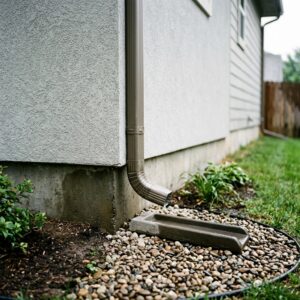
Commercial buildings using scupper drainage systems require careful integration with building-mounted or ground-level gutters to direct water away from building foundations and prevent erosion issues. Scupper sizing must accommodate expected rainfall volumes while preventing backup conditions that create ponding on membrane surfaces. Properties with inadequate scupper capacity or blocked downspout systems experience overflow conditions that can damage building facades and create liability issues for business owners.
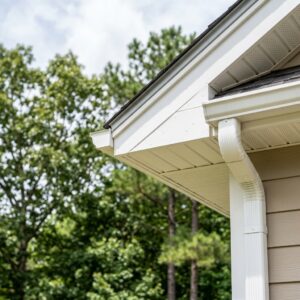
Gutter systems connected to commercial roof drainage must resist corrosion from Georgia’s humid climate and handle thermal expansion without creating leaks at connection points. Regular inspection of scupper-to-gutter connections helps identify potential failure points before they create water damage issues. Commercial property managers should implement cleaning schedules that address both roof-level drainage components and ground-level gutter systems to maintain proper water management throughout their buildings.
Energy Efficiency Considerations for Commercial Roof Systems
Cool Roof Technology and Heat Island Reduction
Commercial properties can benefit significantly from cool roof technologies that reflect solar energy and reduce cooling costs during Georgia’s extended hot weather periods. White TPO membranes and reflective coatings on EPDM systems help reduce surface temperatures and decrease the heat island effect in commercial development areas. Business owners investing in cool roof systems often see reduced HVAC operating costs and extended equipment life due to lower ambient temperatures around rooftop mechanical systems.
According to industry research, proper cool roof implementation can reduce surface temperatures by 50 to 80 degrees compared to traditional dark-colored membranes. This temperature reduction translates to measurable energy savings and improved comfort conditions for commercial building occupants. Property owners should consider cool roof options when planning membrane replacement projects or new commercial construction to maximize long-term operating efficiency and reduce environmental impact.
Insulation Performance and Moisture Control
Adequate insulation beneath commercial roof membranes becomes critical for controlling condensation and maintaining energy efficiency in Georgia’s humid climate conditions. Businesses must balance insulation R-values with proper vapor barrier installation to prevent moisture accumulation within roof assembly components. Poor insulation design can lead to condensation issues that damage roof decking, promote mold growth, and reduce the effectiveness of roofing materials over time.
Commercial roof systems require careful attention to thermal bridging through structural elements that can create cold spots and condensation points. Professional design consideration of insulation continuity and vapor barrier placement helps prevent moisture-related problems while maintaining energy efficiency goals. Property owners should work with experienced contractors who understand the interaction between insulation, membrane systems, and Georgia’s climate conditions to achieve optimal roof performance.
Maintenance Scheduling and Professional Inspection Programs
Seasonal Maintenance Requirements
Commercial properties throughout Oconee County benefit from structured maintenance schedules that address seasonal challenges and prevent minor issues from developing into major repair needs. Spring inspections should focus on winter damage assessment, drain cleaning, and membrane condition evaluation before storm season begins. Summer maintenance activities include checking membrane seams, inspecting equipment penetrations, and verifying that cooling system loads haven’t created new stress points on roofing materials.
Fall preparation becomes critical for ensuring drainage systems can handle increased rainfall and that roof surfaces are clear of debris that could create problems during winter months. Professional maintenance programs help business owners identify potential issues early and schedule repairs during favorable weather conditions. Regular documentation of roof conditions and maintenance activities provides valuable information for warranty claims and insurance purposes when damage does occur.
Professional Inspection Standards and Documentation
Commercial roof inspections require specialized knowledge of membrane systems, drainage design, and equipment integration that goes beyond basic visual assessment. Professional inspectors evaluate membrane attachment methods, flashing details, and structural adequacy to identify potential failure points before they create leak conditions. Proper documentation includes photographic records, written condition assessments, and recommendations for immediate repairs or future maintenance needs.
According to Verisk data, homes with moderate to poor roof condition show 60 percent higher loss costs compared to well-maintained roofing systems, and commercial properties face similar risk patterns. Business owners who invest in professional inspection programs and follow recommended maintenance schedules typically experience fewer emergency repair situations and longer roof service life. Establishing relationships with qualified commercial roofing contractors helps ensure that inspection findings are addressed promptly and properly to protect commercial investments.
Protecting Your Commercial Investment Through Professional Roofing Services
Business owners throughout Echo Brook Park, Eastville, Washington Farms, and Ashland understand that their commercial roof system represents a significant investment requiring professional attention and specialized expertise. Ridgeline Roofing and Exteriors brings decades of experience working with TPO membranes, EPDM systems, and modified bitumen installations on commercial properties along Hog Mountain Road, Mars Hill Road, and High Shoals Road throughout the 30677, 30621, and 30638 zip codes. The combination of Georgia’s challenging climate conditions and complex commercial roof requirements demands contractors who understand membrane performance, drainage design, and equipment integration for long-term success.
Commercial properties in Farmington, Elder, Bishop, and Poplar Springs near Oconee Veterans Park and Lane Creek Golf Course benefit from proactive maintenance programs that address membrane condition, drainage function, and equipment penetration integrity before problems develop into costly repairs. Our Watkinsville roofing contractors provide comprehensive inspection services, emergency repairs, and planned maintenance programs designed specifically for commercial buildings throughout Covena, Heritage Park, Woodlands, and Woodridge North areas along Elder Mill Road and Greensboro Highway. Understanding flat roof problems common in our region helps business owners make informed decisions about their roofing investments and maintenance strategies for protecting their operations and property values.