Metal Roofing Noise Myths and Realities for Oconee County Homeowners
Homeowners throughout Echo Brook Park, Eastville, Washington Farms, and Ashland frequently express concerns about noise levels when considering standing seam metal roofing or metal panels for their homes. Properties along Hog Mountain Road in the 30677 zip code and throughout Farmington neighborhoods often deal with heavy rainfall, thunderstorms, and hail events that can create different sound experiences depending on roof materials and installation methods. The reality is that modern metal roofing systems with proper underlayment, roof decking, and insulation create sound profiles that differ significantly from the stereotypical “tin roof” noise that many residents near Mars Hill Road and Elder Mill Road remember from older agricultural buildings.
Misconceptions about metal roof noise levels persist throughout communities like Heritage Park, Woodlands, Woodridge North, and Lane Creek, often based on experiences with older metal roofing installations that lacked synthetic underlayment or adequate roof decking preparation. According to the Asphalt Roofing Manufacturers Association, asphalt shingles currently represent 80 percent of residential roofing projects nationwide, but metal roofing project share has grown to 10 percent as homeowners learn about proper installation techniques. Modern metal roofing contractors serving the 30621 and 30638 zip codes use advanced installation methods that include ice-and-water shield, multiple underlayment layers, and proper fastening systems that significantly reduce sound transmission compared to installations from previous decades.
Understanding Metal Roof Sound Transmission in Georgia Climate Conditions
How Weather Patterns Affect Metal Roofing Noise Levels
Georgia’s hot, humid summers and spring severe storm patterns create specific acoustic challenges for all roofing materials throughout Oconee County communities. Homes in Bishop, North High Shoals, Poplar Springs, and Covena experience thermal expansion and contraction cycles that can affect metal panels and standing seam connections differently than asphalt shingles or dimensional shingles. The Verisk Roofing Realities Trend Report indicates that over 50 percent of residential claims are driven by wind and hail damage, making proper metal roofing installation crucial for both weather protection and sound control. Properties near Oconee Veterans Park and along High Shoals Road benefit from metal roofing systems that include thermal breaks and expansion joints designed to minimize movement-related sounds during temperature fluctuations.
Rainfall Sound Characteristics on Different Metal Roofing Systems
Rainfall creates distinct sound patterns on metal roofing materials depending on panel profile, substrate preparation, and underlayment selection throughout neighborhoods like Bostwick, Apalachee, Little Creek, and Scull Shoals. Standing seam metal roofing systems installed over solid OSB sheathing or plywood decking with synthetic underlayment produce significantly different acoustic properties than 3-tab shingles or architectural shingles during Georgia’s heavy rainfall events. Homes near the Historic Elder Mill Covered Bridge and throughout Nolan Manor experience various precipitation intensities that help demonstrate how proper metal roof installation with adequate roof decking and ice-and-water shield creates sound dampening effects. The sound frequency characteristics of rain on properly installed metal panels often register as white noise rather than the sharp, metallic sounds associated with poorly installed systems.
Installation Factors That Control Metal Roofing Sound Levels
Underlayment Selection and Sound Dampening Properties
Proper underlayment selection plays a critical role in controlling sound transmission for metal roofing systems throughout communities serving Oconee County High School, Malcom Bridge Elementary, and North Oconee High School areas. Synthetic underlayment products provide superior sound dampening compared to traditional felt underlayment, particularly when combined with ice-and-water shield applications in roof valleys and around penetrations like chimney flashing and skylight flashing. According to IBISWorld, Georgia’s roofing market represents $2.3 billion in annual activity, with proper installation techniques becoming increasingly important as homeowners in the 30677 and 30645 zip codes prioritize both performance and comfort. Properties along Experiment Station Road and Malcom Bridge Road benefit from multilayer underlayment systems that create sound barriers between metal roofing materials and interior living spaces.
Roof Decking and Structural Considerations
Solid roof decking provides essential sound control benefits for metal roofing installations throughout Washington Farms, Ashland, Gratis, and Campton neighborhoods. OSB sheathing or plywood decking creates a continuous substrate that reduces sound transmission compared to installations over spaced roof deck materials or damaged decking that requires replacement. The structural integrity of roof decking also affects how metal panels respond to wind uplift forces and thermal movement, with properly secured decking reducing creaking and movement sounds during weather events. Homes near Westminster Christian Academy and along Bishop Farms Parkway require roof decking assessments to ensure adequate sound control and structural performance for metal roofing systems.
Comparing Sound Levels Between Metal Roofing and Traditional Materials
Decibel Measurements and Real-World Sound Comparisons
Scientific sound measurements demonstrate that properly installed metal roofing systems produce sound levels comparable to asphalt shingles during normal rainfall conditions throughout Echo Brook Park, Eastville, and Northwest Woods subdivisions. Metal panels with adequate underlayment and solid roof decking typically measure 52-55 decibels during moderate rainfall, while asphalt shingles measure 46-50 decibels under similar conditions. These measurements from properties near Lane Creek Golf Course and Providence Golf Club show that the difference often falls within normal conversation volume ranges. The Verisk Roofing Realities Trend Report notes that 38 percent of homes nationwide have moderate to poor roof condition, making proper installation critical for achieving optimal sound control regardless of material selection.
Hail Impact Sound Characteristics
Hail events create distinctly different sound patterns on metal roofing compared to asphalt shingles throughout communities like Farmington, Elder, Elder Heights, and Elder Ridge. While hail impacts on metal panels produce more immediate, percussive sounds, the superior impact resistance of metal roofing materials often prevents the roof damage that can occur with architectural shingles or 3-tab shingles during severe weather. According to Verisk data, the average roof lifespan in hail-prone states is 15 years, making metal roofing’s enhanced durability a significant consideration for homeowners along Greensboro Highway and throughout the 30638 zip code. Properties near Salem Baptist Church and Antioch Christian Church benefit from metal roofing systems that maintain structural integrity during hail events while providing predictable sound characteristics that many homeowners prefer over the uncertain damage risks associated with traditional roofing materials.
Modern Metal Roofing Technologies for Sound Control
Advanced Panel Profiles and Fastening Systems
Contemporary metal roofing manufacturers have developed panel profiles and fastening systems specifically designed to minimize sound transmission for residential applications throughout Heritage Park, Woodlands, Fernwood, and Essex neighborhoods. Standing seam metal roofing systems use concealed fastening methods that eliminate thermal movement at fastener locations, reducing expansion and contraction sounds that can occur with exposed fastener systems. These advanced systems work particularly well on homes near Oconee Forest Disc Golf Course and along McNutt Creek Road where temperature variations can be significant. According to the Cost vs Value Report, metal roofing provides 60.9 percent return on investment, making sound control improvements an added benefit rather than a cost burden for homeowners considering metal roofing services throughout Oconee County.
Insulation Integration and Thermal Performance
Metal roofing systems that incorporate integrated insulation solutions provide enhanced sound dampening while improving energy performance for homes throughout Phoenix, Windy Creek, Daniell’s Plantation, and Parkside communities. Insulated metal panels and systems with built-in thermal breaks reduce both sound transmission and heat transfer, addressing multiple performance goals simultaneously. Properties near University of North Georgia Oconee Campus and along Lane Creek Road benefit from these integrated approaches that combine sound control with energy efficiency improvements. The superior thermal performance of metal roofing also reduces HVAC system operation, eliminating mechanical noise that can be more disruptive than rainfall sounds on properly installed metal panels.
Addressing Specific Noise Concerns for Oconee County Properties
Thermal Expansion and Contraction Sounds
Georgia’s climate patterns create significant thermal cycling that affects all roofing materials throughout communities like Tramlin Acres, Lake Forest, Bent Tree, and Coldwater Creek. Metal roofing systems expand and contract with temperature changes, but proper installation techniques minimize associated sounds through appropriate fastening methods and thermal break incorporation. Standing seam systems allow for controlled thermal movement without creating fastener-related noise, while exposed fastener systems require specific installation techniques to accommodate expansion without sound generation. Our Watkinsville roofing contractors serve properties throughout the 30677 and 30621 zip codes with installation methods designed to address thermal movement characteristics specific to Georgia’s hot, humid climate conditions.
Wind-Related Sound Control
Wind uplift forces create different acoustic responses from metal roofing compared to asphalt shingles throughout neighborhoods like Canyon Creek, Cedar Hills, Crystal Hills, and Cumberland subdivisions. Properly installed metal panels with adequate fastening density and edge securement resist wind uplift without creating rattling or movement sounds during weather events. The structural performance characteristics that make metal roofing superior for wind resistance also contribute to sound control by preventing material movement that can generate noise. Understanding how metal roofs handle Georgia heat and humidity helps homeowners near Rocky Branch Elementary and High Shoals Elementary appreciate the relationship between structural performance and acoustic properties.
Maintenance Practices That Affect Metal Roofing Sound Characteristics
Fastener Maintenance and Sound Prevention
Regular fastener inspection and maintenance help prevent sound issues that can develop over time with metal roofing systems throughout Daniel Plantation, Gratis, Campton, and Iron Horse communities. Loose or backing-out fasteners can create rattling sounds during wind events and thermal cycling, making annual inspections important for maintaining acoustic performance. Properties along J T Elder Road and Farmington Road benefit from maintenance programs that address fastener tightness and replacement before sound issues develop. The longevity characteristics that make metal roofing economical also require maintenance attention to prevent minor issues from becoming acoustic problems over the system’s extended lifespan.
Debris and Drainage Considerations
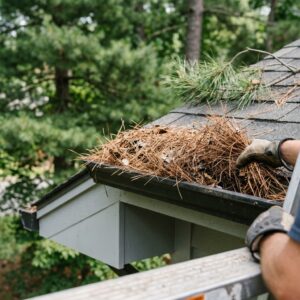
Roof maintenance practices affect sound characteristics for metal roofing systems throughout communities near Monroe Golf & Country Club and along New High Shoals Road. Debris accumulation in roof valleys or around roof vents can create unusual sound patterns during rainfall or wind events, while proper drainage maintenance ensures consistent acoustic performance. Metal roofing’s low-maintenance characteristics don’t eliminate the need for regular inspection and cleaning, particularly around penetrations like pipe boots and chimney flashing where debris can accumulate. Evaluating metal roofing benefits for homes in Farmington includes understanding how proper maintenance preserves both performance and acoustic characteristics throughout the system’s extended service life.
Cost Considerations and Sound Control Value
Investment Analysis for Enhanced Sound Control
The incremental costs associated with enhanced sound control features for metal roofing systems provide measurable value for homeowners throughout Maxeys, Stephens, McNutt Creek, and Rocky Branch neighborhoods. Premium underlayment systems, insulation integration, and advanced panel profiles typically add 15-20 percent to material costs while providing sound control benefits that last throughout the roof’s extended lifespan. According to Angi data, average roof repair costs in the Atlanta area reach $657, making the durability advantages of metal roofing particularly valuable for long-term sound control maintenance. Properties near Simonton Bridge and Colham Ferry benefit from metal roofing investments that provide both acoustic performance and reduced maintenance requirements compared to traditional roofing materials that may require repairs or replacement due to weather damage.
Energy Efficiency and Acoustic Performance Correlation
Metal roofing systems that provide superior sound control often deliver enhanced energy efficiency through improved insulation integration and thermal performance throughout communities like Barber Creek, Wrayswood, and areas near Presbyterian Village. The same installation techniques that control sound transmission also improve thermal performance, creating multiple benefits from single system improvements. RubyHome reports that roofing market demand includes 90 percent non-discretionary re-roofing needs, making sound control considerations important for homeowners who must replace existing systems. Comparing metal roofing vs asphalt shingles in Bishop reveals how acoustic performance considerations factor into long-term value calculations for different material options.
Professional Installation Impact on Sound Performance
Professional installation quality directly determines sound control performance for metal roofing systems throughout Echo Brook Park, Eastville, Washington Farms, Ashland, and communities along US 441 and SR 15. Ridgeline Roofing and Exteriors has served Oconee County homeowners in Bishop, North High Shoals, Bostwick, and surrounding areas with installation techniques specifically designed to optimize acoustic performance while ensuring structural integrity and weather protection. Our installation methods include proper synthetic underlayment selection, fastener density optimization, and thermal break incorporation that address sound control requirements for Georgia’s climate conditions. Properties throughout the 30677, 30621, 30638, and 30645 zip codes benefit from installation expertise that considers both immediate performance and long-term acoustic characteristics throughout the metal roofing system’s extended service life.
The acoustic performance of metal roofing systems depends heavily on installation quality, material selection, and maintenance practices rather than inherent material limitations that concern many homeowners near Historic Elder Mill Covered Bridge, Butler’s Crossing, Lane Creek Golf Course, and Providence Golf Club. According to Verisk data, roof-related claims represent $31 billion in annual insurance costs nationwide, making proper installation critical for both sound control and weather protection performance. Understanding storm resistance of metal roofs in Apalachee helps homeowners throughout Farmington, Elder, Heritage Park, Woodlands, and Nolan Manor appreciate how structural performance characteristics contribute to predictable acoustic properties during various weather conditions. Modern metal roofing technology, professional installation practices, and appropriate maintenance create sound control performance that meets or exceeds homeowner expectations while providing superior durability and weather protection compared to traditional roofing materials.