Metal Roofing Performance During Georgia’s Heavy Rainfall Events
Heavy rainfall events have become increasingly common throughout Oconee County, with neighborhoods like Echo Brook Park, Eastville, Washington Farms, and Ashland along Hog Mountain Road experiencing intense downpours that test every roofing system. Properties in the 30677 zip code, particularly those near the Historic Elder Mill Covered Bridge and throughout Farmington, face unique challenges when standing seam metal panels and architectural shingles must shed large volumes of water quickly. The Verisk Roofing Realities Trend Report shows that roof-related claims account for 25 percent of residential claim value nationwide, making proper water management critical for homeowners near Lane Creek Golf Course and Providence Golf Club. Metal roofing systems with proper underlayment and ice-and-water shield installation demonstrate superior performance compared to traditional asphalt shingles during these weather events. Homes in Poplar Springs, Covena, Bishop, and North High Shoals along High Shoals Road benefit from metal roofing’s ability to channel water efficiently through roof valleys and away from vulnerable areas like dormers and skylights.
The performance advantages of metal roofing during heavy rainfall become particularly evident in neighborhoods throughout the 30621 and 30638 zip codes, where properties near Mars Hill Road and Elder Mill Road experience frequent storm systems moving through the region. According to the National Weather Service, Georgia faces extreme heat hazard classification as high, with expected extreme heat events occurring at least once in the next five years, often accompanied by severe thunderstorms. Standing seam metal roofing systems installed on homes in Heritage Park, Woodlands, Woodridge North, and Lane Creek provide enhanced protection through superior water shedding capabilities compared to traditional 3-tab shingles or dimensional shingles. The interlocking design of metal panels creates fewer penetration points than asphalt shingle installations, reducing opportunities for moisture intrusion around pipe boots, roof vents, and ridge vents. Properties near Oconee Veterans Park and Butler’s Crossing benefit from metal roofing’s resistance to wind uplift and granule loss that commonly affects asphalt roofing materials during intense weather.
Water Shedding Capabilities of Metal Roofing Systems
Surface Design and Water Flow Mechanics
Metal roofing panels feature smooth surfaces that allow rainwater to flow quickly toward gutters and downspouts, unlike asphalt shingles that can trap water between individual shingles and create pooling issues. Homes in Little Creek, Scull Shoals, Nolan Manor, and Apalachee near the Apalachee River benefit from this rapid water evacuation, especially during the heavy rainfall events common in Oconee County. The standing seam design eliminates the horizontal joints found in traditional roofing materials, creating a continuous surface from ridge cap shingles down to the eaves and preventing water from backing up behind individual components. Properties along Greensboro Highway and throughout the 30645 zip code experience improved drainage performance when metal panels are properly installed with appropriate roof pitch and slope calculations. According to IBISWorld, Georgia’s roofing market represents 2.3 percent of the state’s GDP, reflecting the critical importance of proper roofing system selection for weather protection.
Thermal Expansion and Joint Integrity
Standing seam metal roofing systems accommodate thermal expansion through specially designed clips and fasteners that allow panels to move without compromising joint integrity during temperature fluctuations common in Georgia’s climate. Neighborhoods like Bostwick, Maxeys, Stephens, and areas near Salem Baptist Church and Antioch Christian Church experience significant temperature swings that can stress roofing materials and create gaps where water can penetrate. The floating fastener system used in quality metal roof installations prevents the thermal stress that often leads to cracked shingles, lifted shingles, and nail pops in asphalt roofing systems. Properties in Gratis, Campton, Iron Horse, and Wrayswood along McNutt Creek Road benefit from metal roofing’s ability to maintain watertight seals even as panels expand and contract with changing weather conditions. The Asphalt Roofing Manufacturers Association reports that 80 percent of roofs nationwide use asphalt shingles, but metal roofing provides superior thermal performance in Georgia’s variable climate.
Slope Requirements and Drainage Optimization
Metal roofing systems can be installed on lower slope applications than traditional asphalt shingles, providing effective water shedding on roof pitches as low as 1:12 when proper underlayment and seaming techniques are employed. Homes in Echo Brook Park, Eastville, Washington Farms, and Ashland with lower-pitched roof sections near dormers or additions benefit from metal roofing’s superior drainage capabilities. The continuous panel design eliminates the step-flashing complexity required around roof valleys and hip areas, reducing potential leak points that commonly develop in asphalt shingle installations. Properties near Oconee County High School and Malcom Bridge Elementary in the 30677 zip code experience improved water management when metal panels direct flow efficiently toward properly sized gutters and downspouts. According to the Bureau of Economic Analysis, Georgia’s regional price parity stands at 94.5 percent of the national average, making quality metal roofing installation an economically viable long-term investment for superior weather protection.
Comparison with Traditional Asphalt Shingle Performance
Water Penetration Resistance
Asphalt shingle systems rely on overlapping installation and gravity to shed water, creating multiple horizontal seams where wind-driven rain can penetrate during severe weather events. Neighborhoods throughout Farmington, Elder, Bishop, and Poplar Springs near High Shoals Road and Mars Hill Road experience frequent storms where traditional shingles struggle to prevent moisture intrusion. The granular surface of asphalt shingles can trap debris and create dams that allow water to back up under individual shingles, leading to rotted decking and moisture damage in the roof structure. Properties in Covena, Heritage Park, Woodlands, and areas near Lane Creek Golf Course benefit from metal roofing’s continuous surface that eliminates these vulnerable horizontal joints. RubyHome reports that 33 percent of roof replacements result from leak-related issues, highlighting the superior water resistance advantages of properly installed metal roofing systems over traditional materials.
Wind Uplift and Storm Resistance
Metal roofing panels attach to roof decking through concealed fastener systems that distribute wind loads across the entire panel width, unlike asphalt shingles that rely on exposed nails through individual shingle tabs. Homes in North High Shoals, Lane Creek, Woodridge North, and areas near Westminster Christian Academy along New High Shoals Road face strong winds during thunderstorms that can lift and damage traditional roofing materials. The interlocking seam design of standing seam metal roofing creates a continuous membrane that resists wind uplift pressures significantly better than individual shingles that can experience curling shingles and missing shingles during severe weather. Properties throughout the 30621 zip code, particularly near Bishop Baptist Church and along Hillsboro Road, benefit from metal roofing’s superior attachment methods that maintain integrity during high-wind events. According to Verisk data, over 50 percent of residential claims are driven by wind and hail damage, making storm-resistant roofing selection critical for Oconee County homeowners.
Longevity and Maintenance Requirements
Metal roofing systems typically provide 40 to 80 years of service life compared to 20 to 30 years for asphalt shingles, reducing the frequency of roof replacements and associated disruption to homeowners. Neighborhoods like Little Creek, Scull Shoals, Nolan Manor, and Apalachee near the Historic Elder Mill Covered Bridge benefit from metal roofing’s resistance to common aging issues like granule loss, algae staining, and moss growth that plague asphalt installations. The non-porous surface of metal panels prevents the moisture retention that leads to organic growth and premature deterioration in traditional roofing materials. Properties along US 441 and throughout Butler’s Crossing area experience reduced maintenance requirements when metal roofing eliminates the need for periodic replacement of ridge cap shingles, starter strips, and damaged individual components. Industry data shows that the average age of replaced roofs is 19 years, well below the potential lifespan of quality metal roofing installations in Georgia’s climate conditions.
Installation Factors Affecting Rainfall Performance
Underlayment and Moisture Barrier Systems
Proper installation of synthetic underlayment and ice-and-water shield beneath metal roofing panels creates multiple layers of protection against moisture intrusion during heavy rainfall events. Homes in Bostwick, Maxeys, Stephens, and areas near Rocky Branch Road require comprehensive moisture management systems that account for Georgia’s high humidity levels and intense storm patterns. The combination of self-adhering membrane and mechanical fasteners provides backup protection if water somehow penetrates the primary metal roofing barrier. Properties in Gratis, Campton, Iron Horse, and Wrayswood benefit from advanced underlayment systems that prevent condensation issues and moisture damage to OSB sheathing and plywood decking. Metal roofing services in these communities focus on proper moisture barrier installation to ensure optimal performance during Georgia’s challenging weather conditions.
Flashing Integration and Penetration Sealing
Metal roofing installations require specialized flashing techniques around chimneys, skylights, and vent penetrations to maintain watertight integrity during heavy rainfall and wind-driven precipitation. Neighborhoods throughout Echo Brook Park, Eastville, Washington Farms, and Ashland near Hog Mountain Road benefit from proper step flashing and counter flashing installation that prevents water intrusion around roof penetrations. The thermal expansion characteristics of metal roofing require flexible sealing compounds and expansion joints that maintain their integrity as panels move with temperature changes. Properties near Oconee County Middle School and along Experiment Station Road require careful attention to pipe boots, roof vents, and soffit vents integration with metal panel systems. According to the National Roofing Contractors Association, proper flashing installation prevents 95 percent of roof leaks, making professional installation critical for optimal rainfall performance.
Fastener Selection and Placement
Standing seam metal roofing systems utilize concealed fasteners that attach to roof decking through clips, allowing panels to expand and contract while maintaining secure attachment during high winds and thermal cycling. Homes in Farmington, Elder, Bishop, and Poplar Springs throughout the 30638 and 30621 zip codes require fastener systems rated for local wind loads and thermal movement specifications. The elimination of exposed fasteners reduces penetration points through the roofing membrane and prevents the gradual loosening that commonly occurs with direct-fastened roofing materials. Properties near Providence Golf Club and along Elder Mill Road benefit from professional fastener selection that accounts for substrate materials, local weather conditions, and building code requirements. Our Watkinsville roofing contractors ensure proper fastener spacing and installation techniques for optimal long-term performance during Georgia’s variable weather patterns.
Drainage System Integration and Gutter Performance
Water Volume Management
Metal roofing’s efficient water shedding capabilities require properly sized gutters and downspouts to handle the increased water volume during heavy rainfall events common throughout Oconee County. Properties in Covena, Heritage Park, Woodlands, and Woodridge North near Lane Creek experience intense downpours where inadequately sized drainage systems can overflow and cause foundation problems. The smooth surface of metal panels accelerates water flow compared to the resistance created by asphalt shingle surfaces, requiring drainage calculations that account for this increased efficiency. Homes along High Shoals Road and throughout the 30645 zip code benefit from 6-inch gutters and oversized downspouts that prevent overflow during peak precipitation periods. Understanding how metal roofs handle Georgia heat and humidity helps homeowners prepare for the enhanced drainage requirements of these superior roofing systems.
Ice Dam Prevention and Winter Performance
Metal roofing’s thermal properties and smooth surface virtually eliminate ice dam formation during Georgia’s occasional freezing events, preventing the backup of water and potential interior damage. Neighborhoods like North High Shoals, Lane Creek, Little Creek, and Scull Shoals near the Apalachee River benefit from metal roofing’s ability to shed snow and ice quickly when temperatures fluctuate. The reflective surface of metal panels prevents the freeze-thaw cycles that create ice dams with traditional asphalt shingles, maintaining proper drainage even during winter weather. Properties near Salem Baptist Church and Antioch Christian Church experience improved winter performance when metal roofing eliminates the potential for ice-related drainage blockages. Georgia’s climate occasionally produces freezing conditions that test roofing systems, making ice dam prevention an important consideration for homeowners evaluating roofing material options.
Debris Management and Maintenance Access
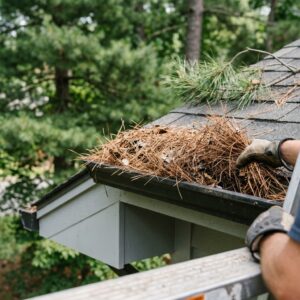
The smooth surface of metal roofing panels allows leaves, branches, and other debris to shed naturally during rainfall, reducing maintenance requirements and preventing drainage blockages. Homes in Nolan Manor, Apalachee, Bostwick, and areas near Oconee Veterans Park benefit from metal roofing’s self-cleaning properties during storm events. The elimination of granule surfaces and textured materials prevents debris accumulation that commonly occurs with asphalt shingle installations, particularly around roof valleys and dormer areas. Properties along Greensboro Highway and US 441 corridor experience reduced maintenance when metal roofing systems shed organic matter that could otherwise retain moisture and promote algae growth. The Cost vs Value Report indicates that metal roof installations provide 60.9 percent return on investment, partly due to reduced maintenance requirements and superior debris management capabilities.
Climate-Specific Performance in Georgia Weather Patterns
Humidity Resistance and Condensation Control
Georgia’s high humidity levels create challenging conditions for roofing systems, but metal roofing with proper ventilation and vapor barriers prevents moisture-related problems that commonly affect traditional materials. Neighborhoods throughout Maxeys, Stephens, Gratis, and Campton near McNutt Creek Road experience year-round humidity that can lead to condensation issues in inadequately designed roofing systems. The thermal properties of metal roofing require careful attention to soffit vents, ridge vents, and insulation placement to prevent condensation on the underside of panels. Properties in Iron Horse, Wrayswood, and areas near Rocky Branch Road benefit from professional installation techniques that account for Georgia’s humid climate conditions. Metal roofing benefits for homes in Farmington include superior moisture management compared to traditional roofing materials in high-humidity environments.
Thermal Cycling and Expansion Management
Georgia’s temperature fluctuations from hot summers to occasional winter freezes create thermal stress that metal roofing systems handle through proper expansion joint design and flexible attachment methods. Homes in Echo Brook Park, Eastville, Washington Farms, and Ashland throughout the 30677 zip code experience significant temperature swings that would stress rigid roofing materials. The engineering of standing seam systems accommodates thermal movement without compromising weathertight integrity, unlike asphalt shingles that can crack and curl under thermal stress. Properties near Malcom Bridge Elementary and along Mars Hill Road benefit from metal roofing’s ability to expand and contract without creating gaps or loose components. According to ThinkHazard data from the World Bank, Georgia faces high extreme heat classification, making thermal performance a critical factor in roofing material selection for long-term durability.
UV Resistance and Color Retention
Metal roofing systems feature factory-applied coatings that resist UV degradation and maintain color integrity throughout decades of exposure to Georgia’s intense sunlight. Neighborhoods like Farmington, Elder, Bishop, and Poplar Springs along High Shoals Road and Elder Mill Road face prolonged sun exposure that causes fading and granule loss in asphalt shingle installations. The polymer coatings used on quality metal roofing products maintain their protective properties and appearance far longer than organic-based roofing materials. Properties in Covena, Heritage Park, Woodlands, and areas near Lane Creek Golf Course benefit from metal roofing’s resistance to UV-related deterioration that commonly shortens the lifespan of traditional roofing materials. Industry research shows that asphalt shingles comprise 80 percent of roofing installations, but metal alternatives provide superior UV resistance in Georgia’s challenging solar environment.
Economic Considerations and Long-Term Value
Installation Costs versus Lifecycle Value
Metal roofing installation costs typically range 50 to 100 percent higher than asphalt shingles initially, but the extended lifespan and reduced maintenance requirements provide superior long-term value for homeowners. Properties in North High Shoals, Lane Creek, Woodridge North, and Little Creek near Westminster Christian Academy benefit from metal roofing’s 40 to 80 year service life compared to 20 to 30 years for traditional materials. The elimination of periodic replacements, reduced insurance claims, and energy efficiency improvements offset the higher initial investment over the roof’s lifetime. Homes throughout the 30621 zip code, particularly near Bishop Baptist Church and along Hillsboro Road, experience lower total ownership costs when metal roofing eliminates multiple replacement cycles. Angi reports that average roof repair costs in Atlanta reach $657, with metal roof repairs averaging $1700 due to their durability and reduced frequency of required maintenance interventions.
Insurance Benefits and Claim Reduction
Many insurance companies offer premium discounts for metal roofing installations due to their superior resistance to hail damage, wind uplift, and fire, providing ongoing savings for homeowners. Neighborhoods like Scull Shoals, Nolan Manor, Apalachee, and Bostwick near the Historic Elder Mill Covered Bridge benefit from potential insurance savings that help offset installation costs. The improved storm resistance of metal roofing systems reduces claim frequency and severity, making these properties more attractive to insurance providers. Properties along US 441 and throughout Butler’s Crossing area experience reduced insurance costs when metal roofing eliminates common claim triggers like wind damage and hail impact. Verisk data shows that insurance losses from roof claims reached $31 billion in 2024, with a 30 percent increase since 2022, highlighting the value of storm-resistant roofing materials for both homeowners and insurers.
Energy Efficiency and Cooling Cost Reduction
Metal roofing systems with reflective coatings reduce cooling costs by reflecting solar heat rather than absorbing it like traditional asphalt shingles, providing ongoing energy savings in Georgia’s hot climate. Homes in Maxeys, Stephens, Gratis, and Campton throughout rural Oconee County benefit from metal roofing’s ability to reduce attic temperatures and lower air conditioning loads. The thermal properties of metal roofing, combined with proper insulation and ventilation, create more comfortable interior conditions while reducing energy consumption. Properties near Oconee County High School and along Hog Mountain Road experience measurable cooling cost reductions when metal roofing systems reflect summer heat instead of transferring it into living spaces. Considering metal roofing vs asphalt shingles in Bishop reveals significant long-term energy savings that contribute to the overall value proposition of metal roofing installations.
Professional Installation Requirements for Optimal Performance
Contractor Certification and Experience
Metal roofing installation requires specialized training and certification to ensure proper seaming, fastening, and flashing techniques that maximize performance during heavy rainfall events. Contractors serving Iron Horse, Wrayswood, Echo Brook Park, and Eastville must understand the unique requirements of standing seam systems compared to traditional asphalt shingle installation methods. The precision required for proper panel alignment, seam integrity, and thermal expansion accommodation demands experience with metal roofing systems specifically. Properties near Rocky Branch Road and throughout the 30677 zip code benefit from contractors who maintain manufacturer certifications and ongoing training in metal roofing installation techniques. Ridgeline Roofing and Exteriors maintains certified installers trained in the latest metal roofing techniques to ensure optimal performance for Oconee County homeowners throughout Washington Farms, Ashland, and surrounding communities.
Quality Control and Inspection Procedures
Professional metal roofing installations include comprehensive quality control measures to verify seam integrity, fastener placement, and flashing installation before project completion. Homes in Farmington, Elder, Bishop, and Poplar Springs along Mars Hill Road require thorough inspection of all penetrations, valley installations, and ridge cap details. The critical nature of proper installation for long-term performance makes professional inspection essential for warranty compliance and optimal weather resistance. Properties near Providence Golf Club and Elder Mill Road benefit from systematic quality control that identifies and corrects installation issues before they can compromise system performance. Understanding the storm resistance of metal roofs in Apalachee demonstrates the importance of proper installation techniques for achieving maximum protection during severe weather events.
Warranty Coverage and Long-Term Support
Quality metal roofing installations include comprehensive material and workmanship warranties that protect homeowners’ investments for decades, unlike shorter warranty periods typical of asphalt shingle installations. Properties in Covena, Heritage Park, Woodlands, and Woodridge North near Lane Creek benefit from manufacturer warranties that often extend 30 to 50 years for materials and comprehensive workmanship guarantees. The extended warranty coverage reflects manufacturers’ confidence in metal roofing performance and provides homeowners with long-term protection against defects or installation issues. Neighborhoods throughout North High Shoals, Little Creek, Scull Shoals, and areas near Salem Baptist Church experience peace of mind from comprehensive warranty coverage that traditional roofing materials cannot match. According to IBISWorld, Georgia’s roofing industry employs 7,055 workers across 3,244 businesses, but specialized metal roofing contractors provide the expertise necessary for optimal installation and warranty compliance.
Maximizing Metal Roofing Performance for Oconee County Homes
Metal roofing systems provide superior performance during heavy rainfall events when properly designed and installed by experienced contractors familiar with Georgia’s challenging climate conditions. Homeowners throughout Nolan Manor, Apalachee, Bostwick, and Maxeys near the Apalachee River and McNutt Creek Road benefit from metal roofing’s enhanced water shedding capabilities, storm resistance, and reduced maintenance requirements compared to traditional asphalt shingle systems. The investment in quality metal roofing installation pays dividends through decades of reliable performance, reduced insurance claims, and lower total ownership costs. Properties in Stephens, Gratis, Campton, and areas near Antioch Christian Church experience the long-term value of metal roofing systems that eliminate the periodic replacement cycles required with conventional roofing materials.
The combination of superior drainage performance, wind resistance, and thermal management makes metal roofing the optimal choice for homes throughout Iron Horse, Wrayswood, and neighborhoods along Greensboro Highway and US 441 in the 30677 and 30621 zip codes. Professional installation by certified contractors ensures that standing seam systems, underlayment, and flashing details perform as designed during Georgia’s intense storm seasons. Homeowners near Oconee Veterans Park, Butler’s Crossing, and throughout the broader Oconee County area invest in metal roofing for its proven ability to handle heavy rainfall while providing decades of reliable protection. The technology and engineering behind modern metal roofing systems deliver performance advantages that traditional materials simply cannot match in Georgia’s demanding weather environment.