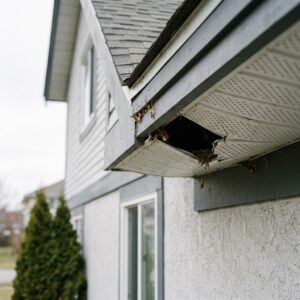
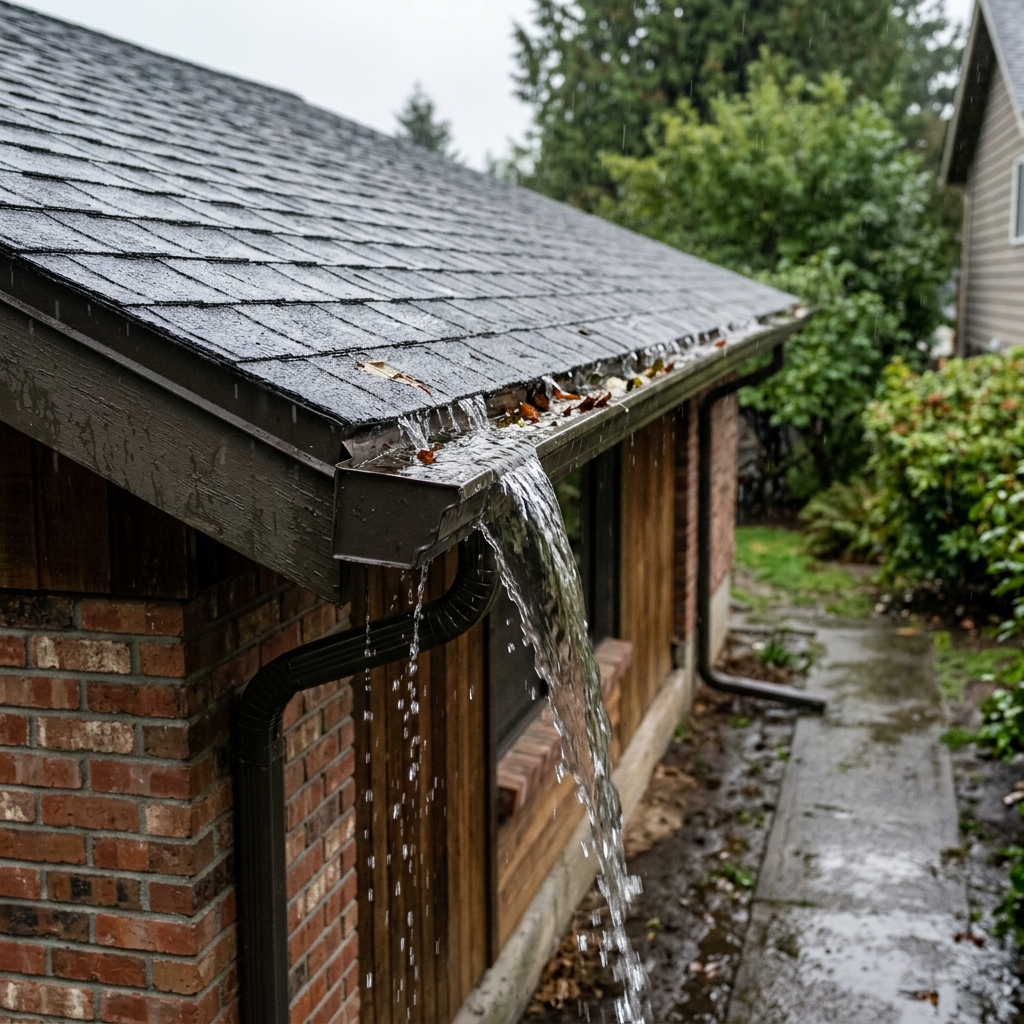
Gutter overflow problems occur when your gutters cannot properly channel water away from your home, leading to water spilling over the edges during rainfall. This common issue affects countless Georgia homeowners and can cause serious damage including foundation problems, basement flooding, landscape erosion, and exterior wall staining. The main causes of gutter overflow include clogged gutters filled with leaves and debris, improperly sized or pitched gutters, damaged or sagging sections, and inadequate downspout capacity. Fixing gutter overflow typically involves cleaning out debris, realigning sagging sections, installing gutter guards, adding additional downspouts, or in some cases, replacing the entire gutter system with properly sized components. Regular maintenance and timely repairs can prevent overflow issues and protect your home from costly water damage.
Common Causes of Gutter Overflow in Georgia Homes
Understanding why gutters overflow is the first step in solving the problem. In Northeast Georgia’s climate, with its mix of heavy spring rains and abundant tree coverage, several factors contribute to gutter overflow issues.
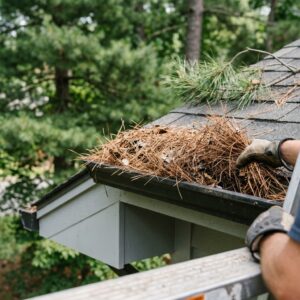
Clogged gutters and downspouts represent the most frequent cause of overflow problems. Leaves, pine needles, seed pods, and other organic debris accumulate in gutters throughout the year, creating dams that prevent proper water flow. During Georgia’s intense thunderstorms, even partially clogged gutters can quickly overflow, sending water cascading over the edges rather than through the downspouts where it belongs.
Improper gutter pitch or slope prevents water from flowing toward downspouts effectively. Gutters should maintain a subtle slope of about one-quarter inch for every 10 feet of length. When gutters are installed level or develop low spots due to settling or improper installation, water pools instead of draining, eventually overflowing during moderate to heavy rainfall.
Undersized gutters and downspouts simply cannot handle the volume of water coming off your roof during Georgia’s torrential downpours. Many older homes have 4-inch gutters that worked adequately decades ago but struggle with today’s more intense storm patterns. Additionally, having too few downspouts creates bottlenecks that cause backups and overflows even when gutters are clean.
Signs Your Gutters Are Overflowing
Recognizing gutter overflow problems early helps prevent extensive damage to your home. While overflow during heavy rain might seem obvious, several subtle signs indicate your gutters aren’t functioning properly even when it’s not actively raining.
Water stains or streaking on exterior walls below the gutter line clearly indicate chronic overflow issues. These vertical marks show where water has repeatedly spilled over the gutter edge, potentially seeping behind siding and causing rot or mold growth. Similarly, erosion patterns in mulch beds or bare spots in the lawn directly below gutters reveal where overflow has been washing away soil and landscaping materials.
During rainfall, watch for water sheeting over gutter edges rather than flowing through downspouts. You might also notice water pooling near your foundation or basement water intrusion after storms. These issues often worsen gradually, making regular observation important for catching problems before they cause significant damage.
DIY Gutter Cleaning and Maintenance
Regular gutter cleaning remains the most effective way to prevent overflow problems. For Georgia homeowners comfortable working on ladders, establishing a consistent cleaning schedule can eliminate most overflow issues before they start.
Begin by gathering necessary safety equipment including a stable ladder, work gloves, safety glasses, and a bucket or tarp for debris collection. Schedule cleanings for dry days when gutters and roof surfaces aren’t slippery. Start near a downspout and work your way along each gutter section, removing large debris by hand before flushing remaining sediment with a garden hose.
While cleaning, inspect for proper water flow by running water through the system. Check that water moves steadily toward downspouts without pooling in any sections. Clear downspouts by running water from the top or using a plumber’s snake if clogged. For ongoing maintenance, consider installing gutter guards to reduce debris accumulation, though these still require periodic cleaning and inspection.
Professional Solutions for Persistent Overflow
When DIY efforts don’t resolve gutter overflow problems, professional intervention often provides the comprehensive solution needed. Experienced contractors can diagnose complex issues and implement lasting fixes that go beyond simple cleaning.
Professional gutter realignment addresses pitch problems that cause water to pool and overflow. Using specialized equipment, contractors can adjust hangers and supports to restore proper slope throughout the system. For severely damaged or undersized gutters, complete replacement with larger 5 or 6-inch systems may be necessary to handle Georgia’s heavy rainfall adequately.
Adding downspouts or increasing downspout size improves drainage capacity significantly. Professionals calculate the appropriate number and placement of downspouts based on roof area and local rainfall intensity. They can also install seamless gutters that eliminate joints where leaks and clogs commonly develop, providing superior performance compared to sectional systems.
Gutter Guards and Overflow Prevention Systems
Modern gutter protection systems offer varying levels of overflow prevention, though no system completely eliminates maintenance needs. Understanding different options helps homeowners choose appropriate solutions for their specific situations and local conditions.
Mesh and screen guards allow water through while blocking larger debris like leaves and twigs. These affordable options work well in areas with deciduous trees but may require occasional cleaning when small debris accumulates on top. Fine mesh systems provide better protection against pine needles and seed pods common in Georgia landscapes.
Reverse curve or helmet-style guards use surface tension to direct water into gutters while debris slides off the edge. While effective at preventing clogs, these systems can struggle during heavy downpours when water velocity overwhelms the surface tension principle, potentially causing overflow at the gutter edge.
Foam inserts and brush guards fill the gutter channel while allowing water to flow through. These budget-friendly options prevent large debris accumulation but may trap smaller particles within their structure, eventually requiring replacement. Regular inspection ensures these systems continue functioning effectively.
Impact of Roof Design on Gutter Performance
Your roof’s design significantly influences gutter performance and overflow potential. Understanding these relationships helps identify why certain homes experience more frequent gutter overflow problems and what solutions might work best.
Steep roof pitches increase water velocity and volume reaching gutters during rainfall. Homes with steep-pitched roofs often require larger gutters and additional downspouts to handle the increased flow rate. Metal roofs, increasingly popular in Georgia, shed water faster than asphalt shingles, potentially overwhelming standard gutter systems during heavy rain.
Large roof sections that drain to single gutter runs create high-volume flow situations. Valleys where two roof sections meet concentrate water flow, requiring special attention to prevent overflow at these critical points. Professional roofers and gutter installers understand these dynamics and can recommend appropriate modifications such as installing larger gutters in high-flow areas or adding splash guards at problem locations.
Seasonal Gutter Maintenance in Georgia
Georgia’s distinct seasons each present unique challenges for gutter systems, making year-round maintenance essential for preventing overflow problems. Adapting your maintenance schedule to seasonal patterns helps maintain optimal gutter performance.
Spring maintenance focuses on clearing pollen, seed pods, and debris from winter storms. Georgia’s abundant pine pollen can create a thick coating that restricts water flow, while maple seeds and oak catkins quickly fill gutters. Schedule thorough cleaning after pollen season subsides but before summer thunderstorm season begins.
Fall preparation involves removing leaves and preparing for winter weather. Clean gutters after most leaves have fallen but before temperatures drop below freezing. Check that downspouts drain away from foundations to prevent ice formation near your home. Winter ice dams, while less common in Georgia than northern states, can still occur during cold snaps and cause severe overflow problems.
Summer inspections during dry periods allow for repairs and upgrades without weather interference. This season provides ideal conditions for resealing joints, adjusting hangers, or installing gutter guards before fall leaf drop begins.
Cost Considerations for Gutter Overflow Solutions
Understanding the costs associated with various gutter overflow solutions helps homeowners budget appropriately and choose cost-effective options. While regular maintenance requires ongoing investment, it typically costs far less than repairing water damage from chronic overflow problems.
Professional gutter cleaning services in Northeast Georgia typically range from $150 to $300 for average-sized homes, depending on gutter length, height, and debris levels. Scheduling bi-annual cleanings prevents most overflow issues and costs less than repairing landscape erosion or foundation damage.
Gutter repairs such as rehanging sagging sections or sealing leaks usually cost between $200 and $500, depending on extent and accessibility. Complete gutter replacement with larger capacity systems ranges from $1,000 to $2,500 for typical homes, while adding gutter guards adds $500 to $2,000 depending on the system chosen. These investments pale compared to potential costs of foundation repairs, basement waterproofing, or landscape restoration resulting from ongoing overflow problems.
When to Call Professionals
While many gutter maintenance tasks fall within DIY capabilities, certain situations warrant professional expertise to ensure safety and proper resolution of overflow problems. Recognizing these scenarios helps prevent injury and ensures lasting solutions.
Multi-story homes and steep roofs present significant safety risks for untrained individuals. Professional contractors have proper safety equipment, insurance, and experience working at heights. They can also identify and address complex issues like improper gutter pitch or structural problems causing overflow that might escape untrained observation.
Persistent overflow despite regular cleaning indicates underlying issues requiring professional diagnosis. Hidden problems such as underground drainage blockages, improperly sized components, or roof drainage issues often contribute to chronic overflow. Contractors can perform comprehensive evaluations including water flow tests and drainage assessments to identify root causes and implement appropriate solutions.
Protecting Your Home Investment
Addressing gutter overflow problems protects one of your largest investments—your home. The relatively minor expense and effort of maintaining functional gutters prevents extensive and costly damage to multiple home components.
Foundation damage from chronic gutter overflow can cost tens of thousands of dollars to repair. Water pooling near foundations causes soil erosion, hydrostatic pressure, and potential structural movement. Basement water intrusion damages finished spaces, promotes mold growth, and reduces home value. Exterior wall damage from overflow can necessitate siding replacement, repainting, and possible structural repairs if water penetrates wall cavities.
Properly functioning gutters also protect landscaping investments, prevent ice hazards on walkways, and maintain your home’s curb appeal. Regular maintenance and timely repairs ensure these critical systems continue protecting your home for years to come. For comprehensive exterior protection, consider how your gutters work in conjunction with your roofing system to provide complete water management.
Solving gutter overflow problems requires understanding their causes, recognizing warning signs, and implementing appropriate solutions. Whether through diligent DIY maintenance or professional intervention, keeping gutters flowing freely protects your home from water damage and preserves its value. If you’re experiencing persistent gutter overflow issues or need professional assessment of your gutter system, Ridgeline Roofing and Exteriors provides comprehensive gutter services throughout Northeast Georgia. Our experienced team can diagnose overflow problems, perform necessary repairs or replacements, and help you maintain a properly functioning gutter system. Call 770-706-7663 to schedule your free gutter inspection and protect your home from water damage.