In heavily wooded areas, gutter guards can work effectively when you choose the right type and maintain them properly. While no gutter guard system is 100% maintenance-free in forested environments, quality micro-mesh and reverse-curve designs significantly reduce the frequency of gutter cleaning from multiple times per year to typically once or twice annually. The effectiveness depends on several factors including the types of trees surrounding your property, the pitch of your roof, and the specific gutter guard design. Pine needles, oak tassels, and small debris pose the biggest challenges, but modern gutter guard systems have evolved to handle these issues better than earlier designs. Homeowners in wooded areas of Georgia report that while gutter guards don’t eliminate all maintenance, they dramatically reduce the time and effort required to keep gutters functioning properly, making them a worthwhile investment for most properties.
Understanding the Challenges of Heavily Wooded Properties
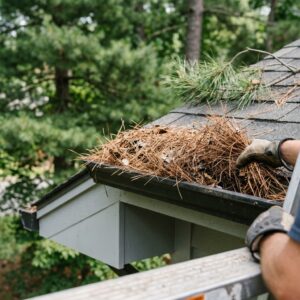
Living surrounded by trees brings natural beauty and shade, but it also creates unique challenges for your home’s gutter system. In heavily wooded areas throughout Northeast Georgia, homeowners face a constant battle with leaves, twigs, seed pods, pine needles, and other organic debris. These materials don’t just fall during autumn – trees shed debris year-round, with different species dropping various materials during different seasons.
The accumulation of this debris in unprotected gutters leads to several serious problems. Clogged gutters overflow during rainstorms, potentially causing water damage to your foundation, landscaping, and siding. Standing water in debris-filled gutters becomes a breeding ground for mosquitoes and can accelerate gutter corrosion. In winter, trapped debris holds moisture that can freeze and create ice dams, leading to significant roof damage.
Additionally, the weight of waterlogged debris can cause gutters to sag or pull away from the fascia board. Many homeowners in wooded areas find themselves cleaning gutters four to six times per year, a dangerous and time-consuming task that becomes increasingly difficult with age or mobility limitations.
How Different Gutter Guard Types Perform in Wooded Areas
Not all gutter guards are created equal, especially when it comes to handling the diverse debris found in heavily wooded environments. Understanding how each type performs can help you make an informed decision for your property.
Micro-Mesh Gutter Guards
Micro-mesh systems feature extremely fine stainless steel or aluminum mesh that blocks even the smallest debris while allowing water to flow through. In heavily wooded areas, these guards excel at keeping out pine needles, shingle grit, and small seed pods. The tight weave prevents debris from entering the gutter while the smooth surface encourages leaves to slide off, especially when installed at the proper angle.
However, very fine debris like pollen or dirt can sometimes create a film over the mesh, requiring occasional brushing or hosing. Despite this minor maintenance need, micro-mesh guards typically offer the best overall performance in wooded areas.
Reverse-Curve Gutter Guards
Reverse-curve or surface-tension guards use the principle of water adhesion to direct rainwater into the gutters while debris slides off the curved surface. These solid guards work well with larger leaves and twigs, making them popular in areas with deciduous trees.
The main limitation in heavily wooded areas is that pine needles and small debris can sometimes follow the water flow into the gutter. Additionally, heavy rainfall can overwhelm the system, causing some water to overshoot the gutter entirely. Professional installation is crucial for these systems to function properly.
Screen and Mesh Guards
Basic screen guards offer an affordable option but provide limited effectiveness in heavily wooded areas. While they block larger leaves, smaller debris like pine needles and seeds often pass through or become stuck in the openings. Over time, debris accumulates on top of the screens, requiring regular cleaning and potentially defeating the purpose of having guards.
Foam Insert Guards
Foam inserts fit directly into gutters and allow water to flow through while blocking debris. In heavily wooded areas, these guards face significant challenges. The porous material can trap seeds that eventually sprout, and the foam degrades relatively quickly when constantly exposed to moisture and organic matter. Most professionals don’t recommend foam guards for heavily wooded properties.
The Reality of Gutter Guard Maintenance in Wooded Areas
While gutter guard manufacturers sometimes market their products as “maintenance-free,” this claim doesn’t hold up in heavily wooded environments. However, quality gutter guards do dramatically reduce maintenance requirements compared to unprotected gutters.
With properly installed micro-mesh or reverse-curve guards, most homeowners in wooded areas find they need to inspect and lightly clean their gutter protection system once or twice per year, compared to the four to six cleanings required for unprotected gutters. This maintenance typically involves removing any debris accumulated on top of the guards and checking that water flows properly.
The type of trees on your property significantly impacts maintenance needs. Properties dominated by pine trees require more frequent attention due to the constant shedding of needles. Oak trees present challenges during spring when they drop tassels and again in fall with acorns and leaves. Maple trees produce “helicopter” seeds that can stick to certain guard types.
Understanding your specific tree species and their shedding patterns helps set realistic expectations for gutter guard performance and maintenance schedules. Even with some maintenance required, the reduction in dangerous ladder climbing and time spent on gutter cleaning makes guards worthwhile for most wooded properties.
Installation Considerations for Maximum Effectiveness
Proper installation plays a crucial role in how well gutter guards perform in heavily wooded areas. The pitch of your roof affects how debris lands on and slides off the guards. Steeper roofs generally allow debris to slide off more easily, while low-slope roofs may require guards with a more pronounced angle.
The condition of your existing gutters also matters. Installing guards on damaged or improperly pitched gutters won’t solve underlying drainage problems. Professional installers should evaluate and address any gutter issues before adding protection systems.
In heavily wooded areas, consider installing guards with a slight forward pitch to encourage debris to slide off. Some installers also recommend trimming tree branches that hang directly over the roof, though this must be balanced with the desire to maintain shade and the natural environment.
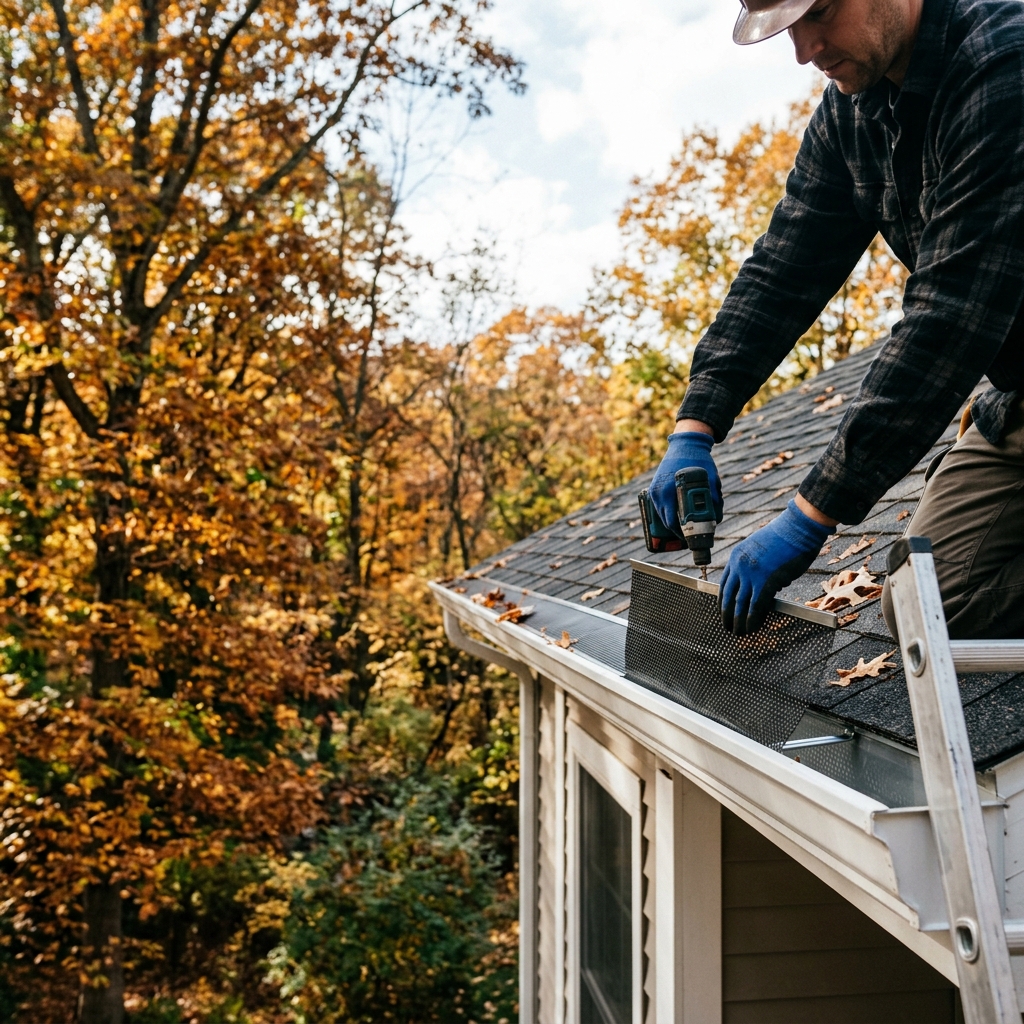
The method of attachment is another critical factor. Guards that slide under shingles can potentially void roof warranties or create water infiltration points. Professionally installed systems that attach to the gutter lip often provide better long-term performance without risking damage to your roofing system.
Cost-Benefit Analysis for Wooded Properties
When evaluating whether gutter guards make sense for your heavily wooded property, consider both immediate and long-term costs. Professional gutter cleaning in wooded areas typically costs between $150-$300 per service, depending on home size and accessibility. For properties requiring six cleanings annually, that’s $900-$1,800 per year.
Quality gutter guard installation ranges from $8-$15 per linear foot, meaning a typical home might invest $1,500-$3,000 for complete coverage. While this represents a significant upfront cost, the investment often pays for itself within two to three years through reduced cleaning expenses.
Beyond direct cost savings, gutter guards provide additional value through reduced risk of water damage, decreased ladder-related injuries, and extended gutter lifespan. For many homeowners, especially those unable to safely clean gutters themselves, the peace of mind alone justifies the investment.
However, the analysis changes if you select low-quality guards that require frequent maintenance or replacement. Investing in professional-grade systems with strong warranties provides better long-term value than cheaper alternatives that may fail within a few years.
Common Misconceptions About Gutter Guards in Wooded Areas
Several misconceptions persist about gutter guards in heavily wooded environments. Understanding the reality helps set appropriate expectations and make informed decisions.
Myth: Gutter Guards Eliminate All Maintenance
No gutter protection system completely eliminates maintenance in heavily wooded areas. While quality guards significantly reduce cleaning frequency, periodic inspection and light maintenance remain necessary. The key benefit is transforming a dangerous, frequent chore into an occasional, manageable task.
Myth: All Gutter Guards Clog with Pine Needles
While pine needles challenge many gutter guard designs, modern micro-mesh systems effectively handle these problematic materials. The key is selecting guards specifically designed and tested for pine needle rejection rather than systems primarily meant for larger leaves.
Myth: Gutter Guards Cause Ice Dams
Properly installed gutter guards don’t cause ice dams. Ice dams result from heat loss through the roof, not from gutter protection systems. In fact, guards can help prevent ice formation by maintaining proper water flow and reducing debris accumulation that holds moisture.
Making the Right Choice for Your Property
Determining whether gutter guards will work effectively for your heavily wooded property requires honest assessment of several factors. Consider the types and volume of debris your trees produce, your physical ability or willingness to perform maintenance, and your budget for both initial installation and ongoing upkeep.
If your property features primarily deciduous trees with large leaves, reverse-curve guards might provide excellent protection with minimal maintenance. For properties with mixed tree types including pines and oaks, micro-mesh systems typically offer the best overall performance despite slightly higher costs.
Location also matters within wooded properties. Gutters on portions of your home with the heaviest tree coverage might benefit from guards, while sections with minimal overhead canopy might not require protection. This targeted approach can reduce costs while addressing the most problematic areas.
Professional consultation helps identify the best solution for your specific situation. Experienced installers can assess your property’s unique challenges and recommend systems proven to perform well with your local tree species and debris types.
Long-Term Performance Expectations
Quality gutter guards in heavily wooded areas typically maintain effective performance for 20-25 years with proper maintenance. The key to longevity lies in selecting appropriate materials and designs for your environment. Stainless steel micro-mesh guards generally outlast aluminum versions in areas with acidic debris from pine needles or oak leaves.
Performance may gradually decline without maintenance as fine debris accumulates. However, even partially obstructed guards usually perform better than unprotected gutters. Annual inspection and light cleaning help maintain optimal water flow and extend the system’s effective lifespan.
Weather events can impact guard performance. Heavy storms may deposit unusual amounts of debris that require prompt removal. Ice and snow can temporarily affect water flow but shouldn’t damage quality guards designed for your climate. Understanding these variables helps maintain realistic expectations for long-term performance.
Professional Installation vs. DIY in Wooded Areas
While DIY gutter guard installation might seem cost-effective, heavily wooded properties present unique challenges that often warrant professional installation. Proper pitch adjustment, secure attachment, and integration with existing roofing systems require experience and specialized tools.
Professional installers understand how local tree species and weather patterns affect gutter guard performance. They can identify potential problem areas and adjust installation techniques accordingly. Additionally, professional installation typically includes warranties covering both products and workmanship.
DIY installation risks include improper pitch leading to debris accumulation, inadequate attachment causing guards to fail during storms, and potential damage to roofs or gutters. For most homeowners in heavily wooded areas, professional installation provides better long-term value despite higher upfront costs.
Conclusion: Making Gutter Guards Work in Your Wooded Paradise
Gutter guards do work in heavily wooded areas when you choose the right type for your specific environment and maintain them appropriately. While they don’t eliminate all maintenance, quality micro-mesh and reverse-curve systems dramatically reduce the burden of gutter cleaning while protecting your home from water damage.
Success with gutter guards in wooded areas requires realistic expectations, proper product selection, and professional installation. By understanding the challenges your trees present and selecting guards designed to handle those specific debris types, you can enjoy the beauty of your wooded property without the constant worry of clogged gutters.
For homeowners in Northeast Georgia’s wooded communities, professional evaluation of your specific situation provides the best path forward. Ridgeline Roofing and Exteriors offers expert consultation on gutter guard solutions tailored to heavily wooded properties. Our experienced team understands the unique challenges posed by Georgia’s diverse tree species and can recommend and install the most effective gutter protection systems for your home. Contact us at 770-706-7663 to schedule a free inspection and discover how the right gutter guards can transform your home maintenance routine while protecting your investment.