When comparing micro-mesh vs screen gutter guards, homeowners need to understand the key differences in design, performance, and long-term value. Micro-mesh gutter guards feature extremely fine stainless steel or aluminum mesh with openings typically smaller than 50 microns, while standard screen guards use larger aluminum or plastic mesh with openings ranging from 1/8 to 1/4 inch. The primary distinction lies in filtration capability—micro-mesh systems block virtually all debris including pine needles, shingle grit, and even pollen, whereas screen guards allow smaller particles to pass through. Installation methods also differ, with micro-mesh guards often requiring professional installation due to their precise mounting requirements, while screen guards can be DIY-friendly. Cost considerations show micro-mesh systems commanding premium prices of $15-25 per linear foot installed, compared to $3-8 for basic screen guards. However, micro-mesh guards typically offer superior water flow rates, better ice dam prevention, and longer warranties ranging from 20-40 years versus 5-10 years for standard screens.
Understanding Micro-Mesh Gutter Guard Technology
Micro-mesh gutter guards represent the most advanced filtration technology available in gutter protection systems. These guards utilize surgical-grade stainless steel mesh with microscopic openings that measure between 30-50 microns—smaller than a grain of sand. This incredibly fine mesh sits within a heavy-duty aluminum frame that secures directly to your existing gutters or fascia board.
The engineering behind micro-mesh technology focuses on surface tension and water adhesion principles. As rainwater flows across the mesh surface, it breaks through the fine openings while debris slides off the angled surface. This design allows micro-mesh systems to handle heavy rainfall rates exceeding 22 inches per hour in most installations, making them suitable for Georgia’s intense summer storms.
Manufacturing quality varies significantly among micro-mesh brands. Premium systems use 316 marine-grade stainless steel mesh that resists corrosion and maintains structural integrity for decades. The supporting frames typically feature powder-coated aluminum with reinforced mounting brackets designed to withstand wind uplift and snow loads common in North Georgia regions.
Traditional Screen Gutter Guards Explained
Screen gutter guards have protected homes for generations, offering a simple yet effective barrier against leaves and larger debris. These systems use expanded aluminum, vinyl-coated steel, or plastic mesh with openings typically measuring 1/8 to 1/4 inch in diameter. The larger apertures allow water to flow freely while catching most leaves, twigs, and acorns.
Installation flexibility makes screen guards popular among DIY enthusiasts and budget-conscious homeowners. Most designs snap directly onto gutter edges or slide under the first row of shingles without requiring special tools or modifications. This simplicity translates to lower installation costs and easier maintenance access when cleaning becomes necessary.
Material composition affects both performance and longevity. Aluminum screens resist rust and handle temperature fluctuations well, making them suitable for Georgia’s variable climate. Plastic variants offer the lowest initial cost but may become brittle under prolonged UV exposure, requiring replacement every 5-7 years in sunny locations.
Debris Filtration Capabilities Compared
The fundamental difference between micro-mesh and screen guards lies in their filtration capabilities. Micro-mesh systems block virtually everything except water, including pine needles, maple seeds, shingle granules, and even pollen. This comprehensive filtration prevents gutter clogs and reduces the frequency of professional cleanings to once every 3-5 years in most environments.
Screen guards excel at catching larger debris like oak leaves, small branches, and seed pods while allowing finer materials to pass through. In heavily wooded areas around Wrayswood and Iron Horse neighborhoods, this partial filtration may require annual gutter cleaning to remove accumulated sediment and small debris that penetrates the screen.
Regional considerations significantly impact filtration needs. Properties near pine forests require the superior filtration of micro-mesh systems to handle needle accumulation, while homes surrounded by deciduous trees may find screen guards adequate for managing seasonal leaf fall. Understanding your specific debris challenges helps determine which filtration level provides optimal protection.
Pine Needle Performance
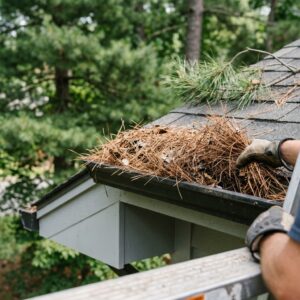
Pine needles present unique challenges that highlight the performance gap between micro-mesh and screen guards. These thin, flexible needles easily slip through standard screen openings, accumulating in gutters and downspouts where they form dense, water-resistant mats. Micro-mesh guards completely block pine needles at the surface, preventing this problematic buildup.
Testing shows micro-mesh systems maintain 95-98% efficiency against pine needles even after years of exposure, while screen guards allow 40-60% of needles to penetrate depending on mesh size and needle length. This difference becomes critical in areas with significant pine tree coverage, where needle accumulation can completely clog unprotected gutters within a single season.
Shingle Grit and Fine Debris
Asphalt shingle granules continuously shed from roofs, especially during the first few years after installation and again as shingles age. These sand-like particles easily pass through screen guards, settling in gutter channels where they restrict water flow and add weight. Micro-mesh systems trap these granules on the surface where rain washes them away.
The accumulation of shingle grit accelerates gutter deterioration by holding moisture against metal surfaces and providing growing medium for moss and algae. Properties with aging asphalt shingles experiencing granule loss benefit significantly from micro-mesh protection that prevents this damaging buildup.
Water Flow Rate Performance Analysis
Despite their fine mesh, quality micro-mesh guards actually outperform screen guards in water flow capacity when properly installed. Laboratory testing demonstrates that premium micro-mesh systems handle 22-44 inches of hourly rainfall, exceeding the 15-20 inch capacity of most screen guards. This superiority stems from the mesh’s ability to break water surface tension more effectively than larger screen openings.
Installation angle critically affects flow rates for both systems. Micro-mesh guards require precise pitch adjustment—typically matching roof slope—to optimize water capture. Screen guards offer more forgiving installation tolerances but may experience overflow during intense downpours if mounted too flat or too steep.
Real-world performance varies based on maintenance frequency and local conditions. Clean micro-mesh surfaces maintain near-laboratory flow rates for years, while screen guards gradually lose capacity as fine debris accumulates in mesh openings. Regular brushing or blowing restores both systems to peak performance, though micro-mesh guards require less frequent attention.
Installation Requirements and Complexity
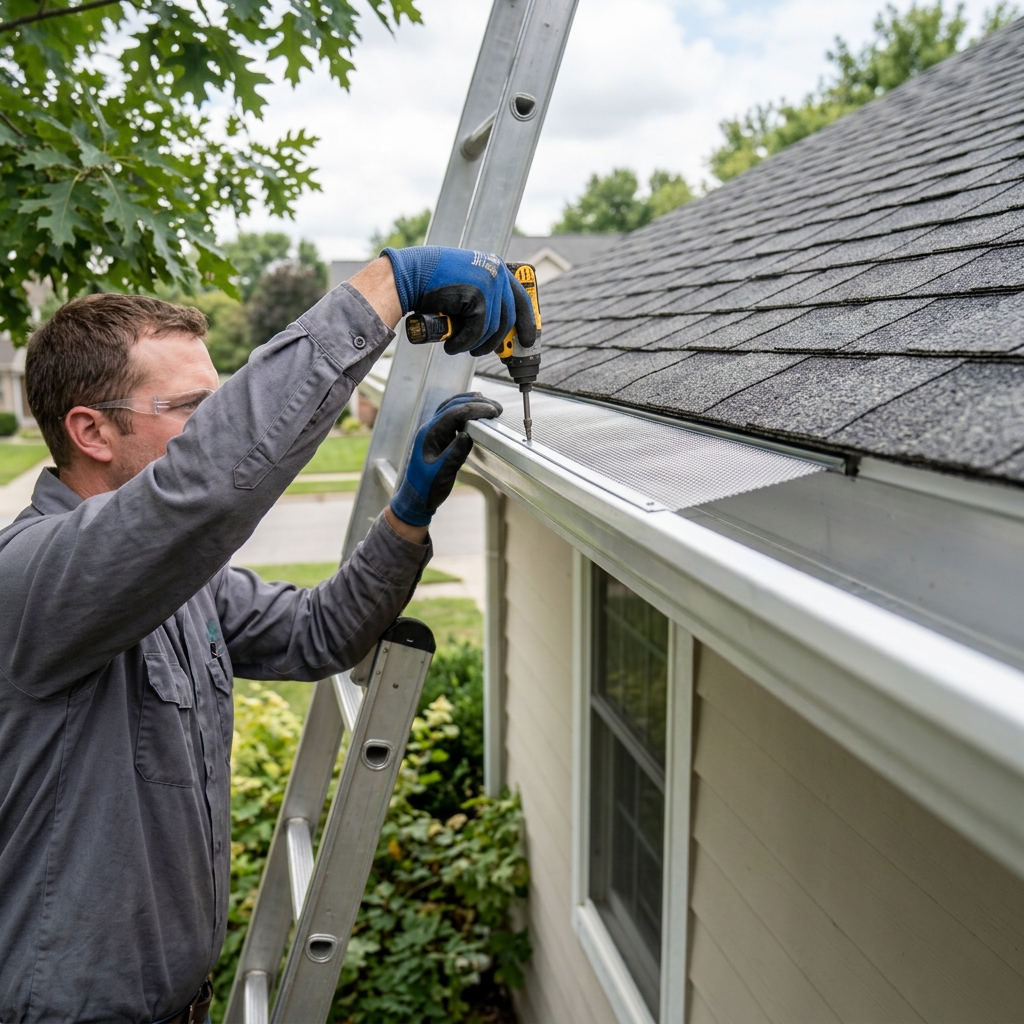
Professional installation becomes nearly mandatory for micro-mesh systems due to their exacting mounting requirements. These guards must align precisely with roof edges while maintaining proper slope for water capture and debris shedding. Installation typically involves removing gutter hangers, mounting the guard frame, and reinstalling hangers through pre-drilled holes—a process requiring specialized tools and expertise.
Screen guards offer multiple installation options suitable for different skill levels. Basic designs clip onto gutter lips without tools, while advanced versions slide under shingles and secure with screws. This flexibility allows competent DIYers to complete installation in a weekend, though professional installation ensures optimal performance and maintains warranty coverage.
Hidden costs often emerge during installation of either system. Micro-mesh guards may require gutter realignment, fascia repair, or hanger replacement to achieve proper mounting—expenses that can add $500-1,500 to project costs. Screen guards rarely demand structural modifications but may need trimming around valleys, dormers, and complex rooflines that increase installation time.
Tools and Time Requirements
Installing micro-mesh guards requires professional-grade equipment including drill motors, specialized brackets, sealants, and safety gear. Professional crews typically complete 100-150 linear feet daily, accounting for roof complexity and necessary preparations. The precision required often extends project timelines compared to simpler gutter protection options.
Screen guard installation needs basic hand tools—tin snips, screwdrivers, and measuring tape—available in most homeowner toolboxes. Experienced installers complete 200-300 linear feet per day, while DIY installation progresses at 50-75 feet daily depending on roof accessibility and installer experience. These faster installation rates translate to lower labor costs for professional installation.
Durability and Lifespan Expectations
Material quality directly determines gutter guard longevity, with micro-mesh systems generally outlasting screen alternatives by significant margins. Premium micro-mesh guards featuring stainless steel mesh and aluminum frames carry 20-40 year warranties backed by transferable coverage that adds value during home sales. These systems withstand extreme weather, UV exposure, and physical impacts without degrading.
Screen guard durability varies widely based on material selection. Aluminum screens typically last 10-20 years with minimal maintenance, while plastic versions may require replacement every 5-10 years due to UV degradation and brittleness. Coated steel screens fall between these extremes, offering 15-20 year lifespans when powder coating remains intact.
Environmental factors significantly impact both systems’ longevity. Properties with overhanging trees experience accelerated wear from falling branches and constant debris accumulation. Coastal areas see increased corrosion rates that particularly affect lower-quality materials. Understanding local conditions helps predict realistic lifespan expectations and plan replacement schedules.
Cost Comparison and Value Analysis
Initial investment represents the most dramatic difference between micro-mesh vs screen gutter guards compared directly. Professional micro-mesh installation typically costs $15-25 per linear foot including materials and labor, meaning a typical 200-foot home installation ranges from $3,000-5,000. Screen guards cost $3-8 per linear foot installed, resulting in $600-1,600 for the same home.
Long-term value calculations must consider maintenance savings, replacement frequency, and damage prevention. Micro-mesh guards virtually eliminate gutter cleaning costs—saving $200-400 annually—and prevent water damage that could cost thousands in repairs. Their extended lifespan means one micro-mesh installation often outlasts two or three screen guard replacements.
Return on investment varies by individual circumstances. Homeowners planning to stay 10+ years generally recoup micro-mesh investments through reduced maintenance and damage prevention. Those selling within 5 years may find screen guards provide adequate protection at lower upfront cost, though premium gutter protection can become a selling point for quality-conscious buyers.
Hidden Cost Factors
Beyond initial installation, several hidden costs affect total ownership expense. Micro-mesh systems may require professional cleaning every 3-5 years at $150-300 per service, while screen guards need annual maintenance costing $200-400. Screen guards’ shorter lifespan necessitates complete replacement every 10-15 years, effectively doubling long-term costs.
Warranty coverage significantly impacts value propositions. Premium micro-mesh manufacturers offer no-clog guarantees that include free cleaning if problems occur, while most screen guards carry limited warranties covering only material defects. These comprehensive warranties provide peace of mind and predictable maintenance costs over system lifespans.
Maintenance Requirements for Each System
Micro-mesh guards require minimal but specific maintenance to maintain peak performance. Annual visual inspections identify debris accumulation on mesh surfaces, which simple brushing or leaf blowing removes. Professional cleaning every 3-5 years ensures hidden valleys and complex rooflines remain clear, with service typically costing $150-300 depending on home size and accessibility.
Screen guards demand more frequent attention due to partial debris penetration. Biannual cleaning—spring and fall—removes accumulated sediment and fine debris from gutter channels. This maintenance involves removing screen sections, flushing gutters, and reinstalling guards—a process many homeowners handle themselves or hire professionals to complete for $200-400 annually.
Both systems benefit from proactive maintenance following severe weather. Seasonal maintenance programs in Watkinsville often include gutter guard inspection and cleaning, ensuring optimal performance throughout the year. Regular attention prevents small issues from becoming expensive problems requiring guard replacement or gutter repairs.
Climate and Weather Considerations
Georgia’s diverse weather patterns create unique challenges for gutter protection systems. Micro-mesh guards excel during heavy spring downpours, handling intense rainfall without overflow when properly maintained. Their fine mesh also prevents ice dam formation by maintaining consistent gutter temperatures and allowing proper drainage during freeze-thaw cycles.
Screen guards perform adequately in moderate rainfall but may experience overflow during severe storms exceeding their flow capacity. Ice accumulation poses greater challenges for screen systems, as water freezing in larger mesh openings creates blockages that persist until complete thawing. This limitation becomes significant in North Georgia’s mountain regions experiencing regular winter freezes.
Wind resistance varies between systems based on installation method and material weight. Micro-mesh guards’ secure mounting and heavier construction provide superior wind resistance, withstanding gusts exceeding 100 mph when properly installed. Screen guards’ lighter weight and simpler mounting may allow uplift during severe storms, particularly if installation compromises are made during DIY projects.
Making the Right Choice for Your Home
Selecting between micro-mesh and screen gutter guards requires evaluating multiple factors specific to your property and priorities. Homes surrounded by pine trees or those experiencing significant shingle granule loss benefit most from micro-mesh filtration capabilities. Properties with primarily deciduous trees and homeowners comfortable with occasional maintenance may find screen guards provide sufficient protection at lower cost.
Budget constraints often drive decisions, but considering total lifecycle costs reveals the true value proposition. Micro-mesh systems’ higher initial investment pays dividends through reduced maintenance, longer lifespan, and superior protection against water damage. Screen guards offer immediate savings and adequate protection for many situations, particularly when professional installation ensures optimal performance.
Professional consultation helps navigate the micro-mesh vs screen gutter guards compared decision by evaluating your specific needs, local environment, and long-term plans. Experienced contractors assess roof configuration, identify problem areas, and recommend solutions balancing performance requirements with budget realities. This expertise ensures your investment provides maximum protection and value for years to come.
For homeowners in Watkinsville, Athens, and surrounding North Georgia communities, the choice between micro-mesh and screen gutter guards ultimately depends on balancing superior protection against initial investment. While micro-mesh systems command premium prices, their comprehensive filtration, minimal maintenance, and extended warranties often justify the cost for homeowners seeking long-term solutions. Screen guards remain viable options for budget-conscious buyers accepting more frequent maintenance in exchange for lower upfront costs. Whatever system you choose, professional installation and regular maintenance ensure optimal performance protecting your home from water damage.