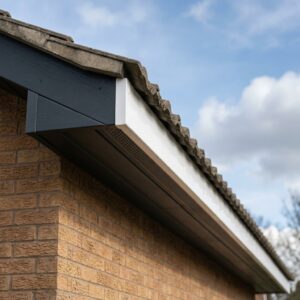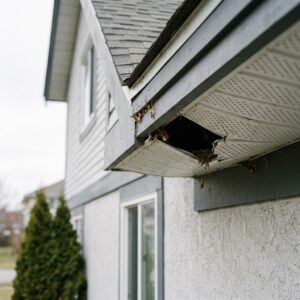
Soffits play a critical yet often overlooked role in protecting your home’s structural integrity. These horizontal surfaces that connect your home’s exterior walls to the roof edge are prime targets for moisture damage, pest intrusion, and weather-related deterioration. Many homeowners miss early warning signs of soffit damage because these areas are typically out of direct sight and require intentional inspection. Common indicators include small holes or cracks in the material, water stains or discoloration, sagging or warping sections, peeling paint, visible mold growth, and evidence of pest activity like droppings or nesting materials. Regular inspection of your soffits, especially after severe weather events, can help you catch damage early before it escalates into more serious structural problems affecting your attic, roof system, or home’s interior.
Understanding the Critical Role of Soffits in Your Home
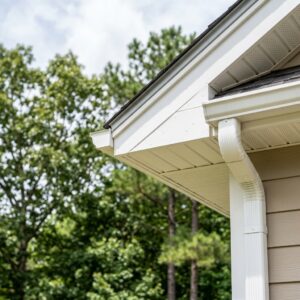
Soffits serve multiple essential functions beyond their aesthetic appeal. These horizontal surfaces provide crucial ventilation for your attic space, working in conjunction with ridge vents to create proper airflow that regulates temperature and moisture levels. Without functioning soffits, your attic can become a breeding ground for mold, experience extreme temperature fluctuations, and suffer from moisture buildup that deteriorates roof decking and insulation.
The ventilation provided by soffits directly impacts your home’s energy efficiency. During summer months, proper soffit ventilation allows hot air to escape from your attic, reducing the strain on your cooling system. In winter, this same ventilation prevents warm, moist air from condensing on cold surfaces, which can lead to ice dams and water damage. Understanding these functions helps explain why soffit damage can have far-reaching consequences throughout your home.
Hidden Signs of Soffit Damage Most Homeowners Miss
While obvious damage like large holes or completely detached sections are hard to miss, many signs of soffit deterioration remain hidden from casual observation. One frequently overlooked indicator is subtle discoloration or staining on the soffit surface. These marks often appear as faint yellow or brown patches that gradually darken over time, indicating ongoing moisture intrusion that hasn’t yet caused visible structural damage.
Another commonly missed sign is the presence of tiny pinholes or hairline cracks in the soffit material. These small openings might seem insignificant, but they provide entry points for insects, moisture, and small animals. Over time, these minor breaches can expand, leading to significant damage. Homeowners often notice these issues only when conducting close-up inspections or when problems have progressed to more visible stages.
Paint problems on soffits frequently go unnoticed until they become severe. Early stages of paint failure, including slight bubbling, flaking at edges, or loss of sheen, signal underlying moisture issues. Many homeowners attribute these changes to normal wear and aging, not recognizing them as symptoms of water damage or inadequate ventilation that requires immediate attention.
The Connection Between Attic Problems and Soffit Damage
Your attic often provides the first clues about soffit problems, yet many homeowners rarely inspect this space. Excessive heat buildup in the attic during summer months can indicate blocked or damaged soffit vents. This overheating not only increases cooling costs but also accelerates the deterioration of roofing materials and can cause premature shingle failure.
Moisture-related issues in the attic frequently stem from compromised soffits. When soffit vents become blocked or damaged, proper air circulation ceases, leading to condensation on rafters, insulation, and other surfaces. This moisture creates ideal conditions for mold growth, wood rot, and insulation degradation. Homeowners might notice musty odors, visible mold, or water stains on attic surfaces without realizing the root cause lies in their damaged soffits.
Ice dams forming along roof edges during winter often indicate poor attic ventilation caused by soffit problems. When warm air becomes trapped in the attic due to inadequate ventilation, it melts snow on the roof, which then refreezes at the colder roof edge. This cycle creates ice dams that can force water under shingles and into your home, causing extensive damage to walls, ceilings, and insulation.
How Weather and Environmental Factors Accelerate Soffit Deterioration
Georgia’s humid climate and seasonal weather patterns create unique challenges for soffit materials. The combination of high humidity, intense summer heat, and occasional severe storms accelerates the deterioration of soffit components. Wood soffits are particularly vulnerable to moisture absorption, leading to swelling, warping, and eventual rot. Even materials designed to resist moisture, like vinyl or aluminum, can fail when subjected to extreme temperature fluctuations and UV exposure over time.
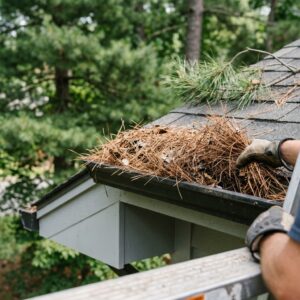
Tree proximity significantly impacts soffit condition in ways many homeowners don’t consider. Overhanging branches not only pose a direct physical threat during storms but also create conditions that promote soffit damage. Leaves and debris accumulating on soffits trap moisture against the surface, accelerating deterioration. Additionally, tree shade can prevent proper drying after rain, maintaining damp conditions that foster mold growth and material breakdown.
Wind-driven rain represents another often-underestimated threat to soffit integrity. During severe storms, rain can be forced horizontally into soffit vents and small openings, saturating materials not designed for direct water exposure. This moisture intrusion might not be immediately visible but gradually compromises the structural integrity of soffit materials and adjacent components. For homeowners interested in comprehensive weather protection, understanding how Georgia weather impacts roofs in Watkinsville and Bishop provides valuable insights into regional weather patterns and their effects on home exteriors.
The Pest Problem: How Animals Exploit Damaged Soffits
Damaged soffits create ideal entry points for various pests seeking shelter in your home. Small openings that might seem insignificant to homeowners represent open invitations to squirrels, birds, bats, and insects. These creatures can squeeze through surprisingly small gaps, and once inside, they establish nests in your attic space, causing additional damage and creating health hazards through droppings and parasites.
The signs of pest intrusion through damaged soffits often manifest in subtle ways. Homeowners might hear scratching or scurrying sounds in the attic, particularly during early morning or evening hours. Small piles of nesting materials near soffit openings, droppings on exterior walls below soffits, or visible trails of dirt and debris can indicate active pest problems. Unfortunately, by the time these signs become noticeable, significant damage may have already occurred.
Preventing pest intrusion requires more than just patching visible holes. Animals are persistent and will often create new openings if they’ve previously gained access to your attic. Professional inspection can identify vulnerable areas and recommend comprehensive solutions that address both current damage and future prevention. This proactive approach protects not only your soffits but also your home’s insulation, wiring, and structural components from pest-related damage.
The Financial Impact of Ignoring Soffit Damage
Postponing soffit repairs might seem like a way to save money, but this decision often leads to exponentially higher costs down the road. Minor soffit damage that could be repaired for a few hundred dollars can escalate into thousands of dollars in repairs when left unaddressed. Water intrusion through damaged soffits can compromise insulation effectiveness, leading to increased energy bills that accumulate over months and years.
The cascading effects of soffit damage extend beyond the immediate area. Moisture entering through compromised soffits can damage roof decking, rafters, and interior walls. This water damage often remains hidden until it manifests as ceiling stains, peeling paint, or visible mold growth inside your home. By this point, repairs might involve not just soffit replacement but also extensive interior renovations, mold remediation, and structural repairs.
Insurance considerations add another layer of financial complexity to soffit damage. Many homeowners assume their insurance will cover any damage, but policies often exclude damage resulting from lack of maintenance or gradual deterioration. Documented regular maintenance and prompt repairs of known issues can make the difference between covered claims and out-of-pocket expenses. Understanding what first-time homebuyers in Watkinsville should know about roofs includes recognizing the importance of maintaining all roof system components, including soffits.
Professional Inspection: When and Why It’s Essential
While homeowners can perform basic visual inspections, professional evaluation provides a comprehensive assessment that identifies both visible and hidden damage. Roofing professionals use specialized tools and techniques to inspect areas that are difficult or dangerous for homeowners to access. They understand the subtle signs of damage that untrained eyes might miss and can evaluate the overall condition of your entire roofing system, not just the soffits.
The timing of professional inspections plays a crucial role in maintaining soffit integrity. Annual inspections, ideally conducted in spring or fall, allow for the identification and repair of minor issues before they escalate. Additional inspections should follow severe weather events, particularly after hail storms, high winds, or ice storms that can cause immediate but not always visible damage to soffit components.
Professional inspectors also provide valuable documentation of your home’s condition. This documentation proves essential for insurance claims, home sales, and tracking maintenance history. Detailed inspection reports include photographs, specific damage locations, and recommended repairs with cost estimates. This information helps homeowners make informed decisions about repair timing and budgeting while maintaining a comprehensive record of their home’s maintenance.
Modern Solutions for Soffit Repair and Replacement
Advances in building materials and installation techniques offer homeowners better options for soffit repair and replacement than ever before. Modern soffit materials include improved vinyl formulations that resist fading and warping, aluminum options with enhanced ventilation capabilities, and composite materials that combine durability with aesthetic appeal. These materials often include built-in pest deterrents and improved moisture resistance.
Ventilation technology has evolved significantly, with modern soffit systems incorporating continuous ventilation strips that provide superior airflow while preventing pest intrusion. These systems work more efficiently than traditional circular vents, distributing air more evenly throughout the attic space. Some advanced systems include built-in baffles that prevent insulation from blocking airflow, a common problem in older installations.
The repair process itself has also improved through better installation techniques and materials. Professional contractors now use moisture barriers, improved fastening systems, and seamless integration methods that create more durable, weather-resistant installations. These improvements mean that properly installed modern soffits can last decades with minimal maintenance, providing better long-term value for homeowners.
Preventive Maintenance Strategies for Long-lasting Soffits
Establishing a regular maintenance routine significantly extends soffit lifespan and prevents major damage. Simple tasks like clearing debris from soffit vents, checking for pest activity, and monitoring paint condition can identify problems early. Homeowners should schedule these inspections seasonally, paying special attention after storms or extreme weather events.
Proper gutter maintenance directly impacts soffit condition, yet many homeowners fail to recognize this connection. Clogged or damaged gutters allow water to overflow, saturating soffits and fascia boards. Regular gutter cleaning, ensuring proper water flow away from the home, protects soffits from unnecessary moisture exposure. Installing gutter guards can reduce maintenance frequency while providing consistent protection.
Creating a maintenance calendar helps ensure consistent care for your home’s exterior components. This calendar should include seasonal gutter cleaning, annual professional inspections, and periodic checks of vulnerable areas. Documenting maintenance activities, including dates, observations, and any repairs performed, creates a valuable history that can help identify patterns and predict future maintenance needs. For comprehensive protection strategies, learning about how roof ventilation protects homes in Oconee County provides insights into maintaining proper airflow throughout your roofing system.
Taking Action to Protect Your Home
Recognizing the signs of soffit damage represents just the first step in protecting your home. Taking prompt action when damage is discovered prevents minor issues from becoming major structural problems. Whether performing regular maintenance, scheduling professional inspections, or addressing identified damage, proactive homeowners save money and protect their property values through timely intervention.
The interconnected nature of roofing systems means that soffit damage rarely exists in isolation. Problems with soffits often indicate or lead to issues with fascia, gutters, roof ventilation, and even structural components. Understanding these connections helps homeowners make informed decisions about repairs and maintenance priorities.
For homeowners in the Watkinsville, Athens, and surrounding Georgia communities, professional roofing contractors like Ridgeline Roofing & Exteriors provide comprehensive inspection and repair services that address all aspects of your roofing system. With over 20 years of experience and advanced inspection technology including Drone Zone AI, their team can identify and resolve soffit issues before they compromise your home’s integrity. Don’t wait for visible damage to become a costly problem – schedule a professional inspection today by calling 770-706-7663 to ensure your soffits and entire roofing system remain in optimal condition.