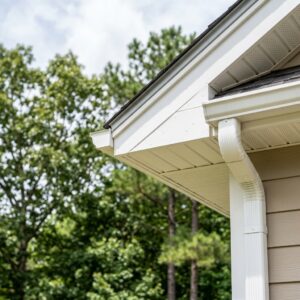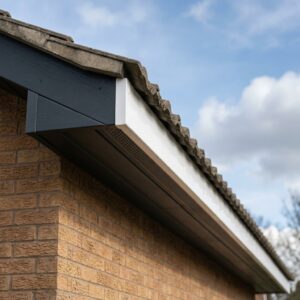
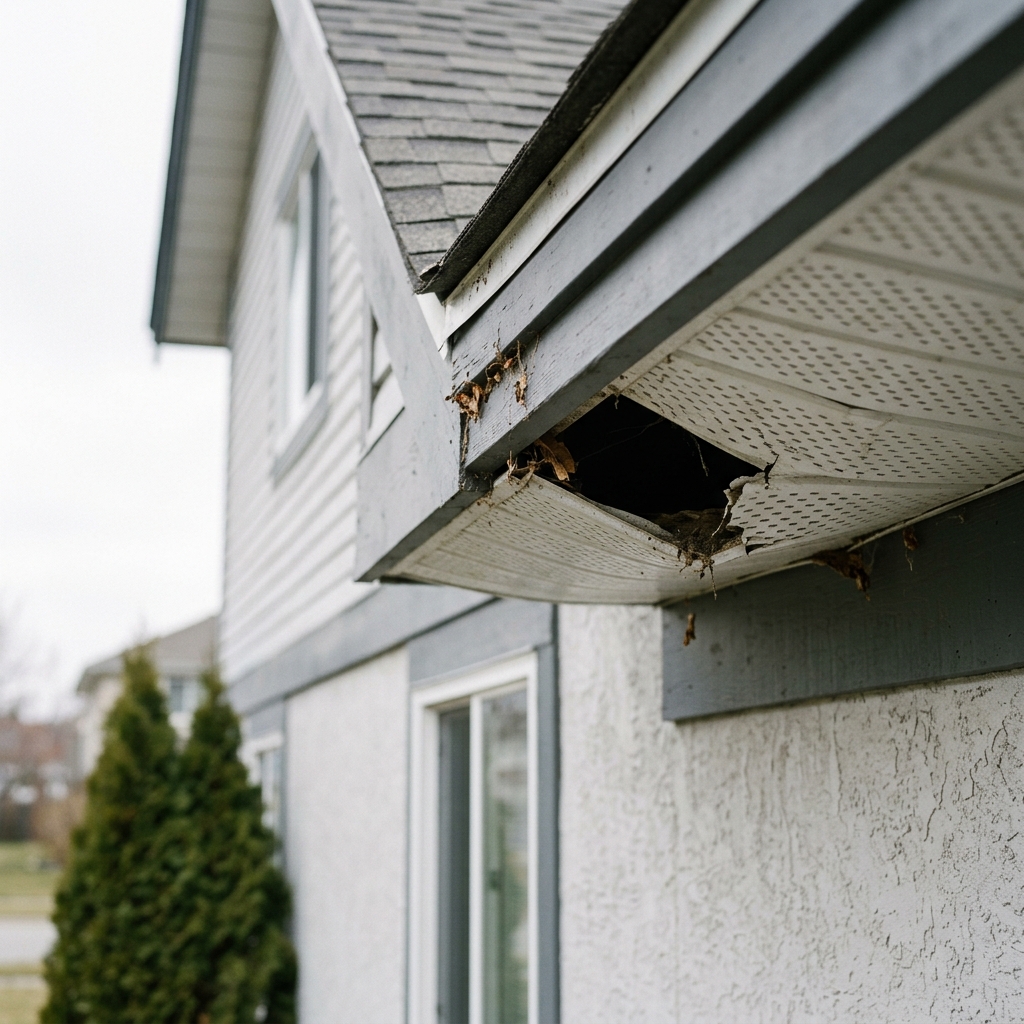
Damaged soffit panels create an open invitation for pests to enter your attic, offering easy access through compromised barriers that normally protect your home’s interior. Soffits, the horizontal boards connecting your roof’s edge to your exterior walls, play a crucial role in ventilation and pest prevention. When these panels crack, warp, or develop gaps due to weather damage, moisture, or age, they become entry points for wildlife and insects seeking shelter. Common attic invaders like squirrels, raccoons, bats, birds, and various insects can squeeze through surprisingly small openings in damaged soffits. Once inside, these pests establish nests, contaminate insulation, damage wiring, and create health hazards through droppings and parasites. Understanding why pests target damaged soffit panels helps homeowners recognize the importance of regular inspections and prompt repairs to maintain their home’s protective barrier.
Understanding the Role of Soffits in Home Protection
Soffits serve multiple critical functions beyond their aesthetic appeal. These architectural components provide essential ventilation for your attic space, allowing proper airflow that prevents moisture buildup and regulates temperature. The ventilation system created by soffits works in conjunction with ridge vents to establish continuous air circulation, protecting your roof structure from heat damage and condensation issues.
Beyond ventilation, soffits act as a physical barrier against pest intrusion. When properly installed and maintained, they seal the gap between your roof’s edge and exterior walls, preventing animals and insects from accessing your attic space. This protective function becomes compromised when soffits sustain damage, creating vulnerabilities that pests quickly exploit.
The materials used in soffit construction—whether vinyl, aluminum, wood, or fiber cement—each offer different levels of durability and pest resistance. However, all types require regular maintenance and inspection to ensure they continue providing adequate protection. Environmental factors in Georgia, including high humidity, temperature fluctuations, and severe weather events, can accelerate soffit deterioration, making vigilant maintenance even more critical.
Common Types of Soffit Damage That Attract Pests
Several types of damage can compromise soffit panels and create pest entry points. Water damage remains one of the most prevalent issues, often resulting from clogged gutters, ice dams, or roof leaks. When moisture infiltrates soffit materials, it causes wood to rot, vinyl to warp, and metal to corrode, creating gaps and weak spots that pests easily penetrate.
Physical impact from falling branches, hail, or high winds can crack or dislodge soffit panels, leaving obvious openings for wildlife. Age-related deterioration also plays a significant role, as materials naturally degrade over time, developing cracks, separating at joints, or pulling away from their mounting points. Even small gaps measuring just a quarter-inch can provide access for mice, while larger openings accommodate squirrels, raccoons, and birds.
Poor installation or previous repair work can create vulnerabilities as well. Improperly sealed joints, inadequate fastening, or misaligned panels leave gaps that may not be immediately visible but provide sufficient space for pest entry. Additionally, pest damage itself can compound the problem—woodpeckers creating holes while searching for insects, or squirrels gnawing through weakened areas to expand their access points.
Why Attics Appeal to Wildlife and Pests
Attics provide ideal conditions that attract various pests seeking shelter and nesting sites. The enclosed, dark environment offers protection from predators and harsh weather conditions, making it particularly appealing during breeding seasons or extreme temperatures. The insulation materials commonly found in attics serve dual purposes for pests—providing nesting material and maintaining comfortable temperatures year-round.
During Georgia’s hot summers, attics offer cooler refuges compared to exposed outdoor areas, while in winter, the rising heat from living spaces below creates warm havens for cold-blooded insects and mammals alike. The relative isolation and minimal human activity in most attics allow pests to establish colonies undisturbed, often going unnoticed until populations grow substantial enough to cause visible damage or create noise disturbances.
Food sources also contribute to attic appeal. While the attic itself may not contain food, it provides safe storage for materials pests gather elsewhere. Additionally, insects living in attic spaces attract predatory species, creating food chains that support diverse pest populations. The proximity to outdoor food sources combined with indoor shelter makes damaged soffit entry points particularly valuable to opportunistic wildlife.
The Most Common Attic Invaders Through Damaged Soffits
Squirrels rank among the most frequent attic invaders, utilizing their agility and sharp teeth to exploit damaged soffit panels. These persistent rodents can gnaw through weakened wood or vinyl, expanding small openings to accommodate their entry. Once inside, they create nests using insulation and stored items, often causing extensive damage to electrical wiring through their constant gnawing behavior.
Raccoons, with their dexterous paws and considerable strength, can tear apart compromised soffit panels to gain attic access. These intelligent creatures often return to the same denning sites year after year, making prompt soffit repair crucial to prevent recurring invasions. Bats require only tiny openings—as small as 3/8 of an inch—to enter through damaged soffits, establishing colonies that can number in the hundreds.
Birds, particularly starlings and sparrows, frequently nest in soffit vents or gaps created by damage. Their nesting materials can block ventilation, creating moisture problems that further deteriorate roofing components. Various insects, including wasps, carpenter bees, and termites, also exploit soffit damage. These smaller invaders may seem less problematic initially but can cause significant structural damage over time while attracting larger predators.
Mice and rats represent year-round threats, capable of squeezing through openings as small as a dime. Their rapid reproduction rates mean a small initial invasion through damaged soffits can quickly become a serious infestation, contaminating attic spaces with droppings and urine that pose health risks to inhabitants.
Health and Safety Risks of Pest Infestations
Pest infestations in attics pose numerous health hazards to homeowners and their families. Animal droppings and urine can contaminate insulation and create airborne particles that circulate through home ventilation systems. Raccoon feces may contain roundworm eggs, while bat guano can harbor histoplasmosis spores—both causing serious respiratory illnesses in humans.
Parasites accompanying wildlife infestations present additional concerns. Fleas, ticks, and mites from animal inhabitants can spread throughout homes, affecting both humans and pets. These parasites may carry diseases such as Lyme disease, Rocky Mountain spotted fever, and various bacterial infections. Bird mites, in particular, can cause persistent skin irritation and allergic reactions.
Structural damage from pest activity creates safety hazards beyond health concerns. Gnawed electrical wiring increases fire risks, while accumulated nesting materials near heat sources pose combustion dangers. Weakened structural components from prolonged pest activity can compromise roof integrity, potentially leading to costly repairs or dangerous collapses.
The psychological impact of pest infestations shouldn’t be overlooked either. Nocturnal noises from attic inhabitants disrupt sleep patterns, while concerns about disease transmission and property damage create ongoing stress for homeowners. Professional pest removal and thorough soffit repair become essential for restoring both home safety and peace of mind.
Identifying Signs of Pest Entry Through Soffits
Early detection of pest entry through damaged soffits can prevent extensive infestations and minimize damage. Visual inspection reveals tell-tale signs such as droppings near exterior walls, grease marks from repeated animal passage, and obvious holes or gaps in soffit panels. Homeowners should regularly examine soffit areas, particularly after severe weather events that may cause damage.
Auditory clues often provide the first indication of attic inhabitants. Scratching, scurrying, or thumping sounds, especially during dawn and dusk when many animals are most active, suggest pest presence. Vocal sounds like chirping, squeaking, or chittering help identify specific species—information valuable for targeted removal strategies.
Indoor signs of pest intrusion include unusual odors from urine or droppings, stains on ceilings indicating nest locations, and increased insect activity in living spaces. Finding nesting materials like twigs, leaves, or shredded insulation in unexpected places suggests active transport between outdoors and attic spaces. Temperature fluctuations or drafts near ceiling areas may indicate compromised soffit ventilation due to pest blockages.
Professional inspection proves invaluable when pest presence is suspected but not confirmed. Experienced technicians can identify subtle entry points, assess damage extent, and recommend comprehensive solutions addressing both immediate pest concerns and underlying soffit vulnerabilities.
The Connection Between Moisture and Pest Attraction
Moisture problems significantly increase pest attraction to damaged soffit areas. When soffits fail to provide adequate ventilation or develop leaks, resulting dampness creates ideal conditions for various pests. Many insects, including termites and carpenter ants, require moisture for survival and actively seek damp wood in compromised soffit structures.
Fungal growth resulting from moisture infiltration attracts additional pest species. Certain beetles and flies feed on mold and mildew, establishing populations that draw predatory spiders and centipedes. This cascade effect transforms a simple moisture problem into a complex ecosystem supporting multiple pest species within attic spaces.
Water-damaged soffits lose structural integrity more rapidly, becoming easier for pests to penetrate. Rotted wood offers minimal resistance to gnawing rodents or burrowing insects, while warped vinyl or corroded metal creates gaps without requiring pest modification. Understanding how proper ventilation and roofing work together helps prevent moisture accumulation that attracts pests.
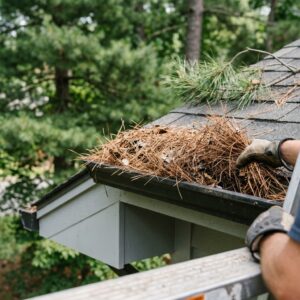
Georgia’s humid climate exacerbates moisture-related soffit problems, making proactive maintenance essential. Regular gutter cleaning, proper attic ventilation, and prompt leak repairs prevent moisture accumulation that accelerates soffit deterioration and increases pest attraction. Addressing moisture issues simultaneously with soffit repairs provides long-term protection against recurring pest problems.
Prevention Strategies for Protecting Soffits
Implementing comprehensive prevention strategies protects soffits from damage that creates pest entry points. Regular maintenance schedules should include bi-annual soffit inspections, checking for signs of wear, damage, or developing gaps. Immediate attention to minor issues prevents their escalation into major vulnerabilities exploitable by pests.
Proper installation techniques significantly impact soffit longevity and pest resistance. Professional contractors ensure adequate sealing at all joints, appropriate material selection for local climate conditions, and integration with existing ventilation systems. Quality installation creates robust barriers that withstand environmental stresses while maintaining necessary airflow for attic health.
Landscape management around homes reduces pest pressure on soffits. Trimming tree branches away from roof edges eliminates wildlife highways to soffit areas, while removing dense vegetation near foundations reduces shelter options that encourage pest populations. Strategic placement of deterrents, such as motion-activated lights or ultrasonic devices, can discourage wildlife from investigating soffit areas.
Proactive pest control measures complement physical soffit protection. Regular perimeter treatments create chemical barriers discouraging insect establishment, while exclusion techniques like chimney caps and vent covers eliminate alternative entry routes that might lead pests to exploit soffit weaknesses. Proper roof ventilation plays a crucial role in maintaining the dry conditions that discourage pest habitation.
Professional Soffit Repair and Pest Exclusion
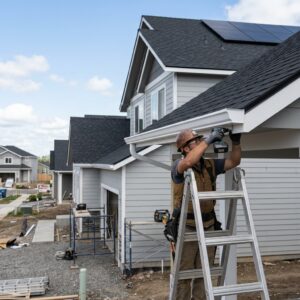
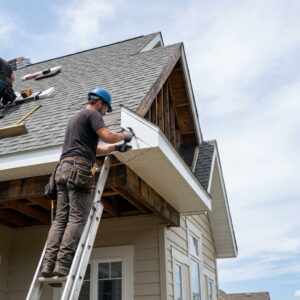
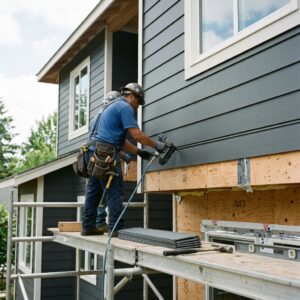
Professional soffit repair services provide comprehensive solutions addressing both structural damage and pest vulnerabilities. Experienced contractors assess damage extent, identify all potential entry points, and recommend appropriate repair or replacement strategies. Their expertise ensures repairs not only restore aesthetic appeal but also reestablish effective pest barriers.
Modern soffit materials and installation techniques offer enhanced pest resistance compared to older methods. Continuous soffit systems minimize joints where gaps might develop, while integrated pest-resistant screens on ventilation openings maintain airflow while excluding even small insects. Professional installation of these advanced systems provides superior long-term protection.
Coordination between roofing contractors and pest control professionals optimizes outcomes when addressing existing infestations. Pest removal must precede soffit repairs to prevent trapping animals inside, while thorough sanitization eliminates attractants that might encourage reinfestation. This collaborative approach ensures comprehensive resolution of pest problems.
Warranty considerations make professional soffit repair particularly valuable. Quality contractors guarantee their work against defects and premature failure, providing homeowners with recourse if pest entry points redevelop. This protection, combined with professional expertise in local building codes and pest behavior patterns, justifies the investment in professional services over DIY attempts that might leave vulnerabilities.
Long-Term Benefits of Maintaining Pest-Free Soffits
Maintaining intact, pest-free soffits provides numerous long-term benefits beyond immediate pest exclusion. Property values remain protected when homes show no evidence of pest damage or infestation history—important considerations during real estate transactions. Insurance claims related to pest damage often face coverage limitations, making prevention through soffit maintenance financially prudent.
Energy efficiency improves when soffits function properly without pest-created gaps or blocked ventilation. Consistent attic temperatures reduce HVAC system strain, lowering utility costs while extending equipment lifespan. Properly ventilated attics also prevent ice dam formation in winter and moisture buildup in summer, protecting overall roof structure integrity.
Health protection for family members represents perhaps the most significant benefit of pest-free soffits. Eliminating disease vectors, allergens, and parasites associated with wildlife infestations creates safer living environments. This protection proves especially important for households with young children, elderly residents, or individuals with compromised immune systems.
Peace of mind resulting from secure soffits allows homeowners to focus on other aspects of property maintenance and family life. Eliminating concerns about nocturnal noises, potential fire hazards from gnawed wiring, or surprise encounters with attic wildlife significantly improves quality of life. Regular soffit maintenance represents a small investment yielding substantial returns in comfort, safety, and property protection.
Take Action to Protect Your Home
Understanding why pests enter attics through damaged soffit panels empowers homeowners to take proactive protective measures. Regular inspections, prompt repairs, and professional maintenance prevent small vulnerabilities from becoming major infestations. The connection between soffit integrity and pest exclusion makes this often-overlooked component crucial for comprehensive home protection.
For homeowners in Watkinsville, Athens, and surrounding Georgia communities, professional soffit inspection and repair services provide essential protection against pest intrusion. Ridgeline Roofing & Exteriors offers comprehensive exterior services, including soffit repair and replacement, designed to maintain your home’s protective barriers. Their experienced team understands local pest behaviors and environmental challenges, providing solutions that address both immediate concerns and long-term protection needs.
Don’t wait until pest noises or visible damage indicate serious problems. Contact Ridgeline Roofing & Exteriors at 706-726-2126 to schedule a professional soffit inspection. Their commitment to quality workmanship and comprehensive exterior protection ensures your home remains secure against pest intrusion while maintaining proper ventilation and structural integrity. Protect your investment and your family’s health by addressing soffit vulnerabilities before they become costly pest problems.