Heat Wave Damage to Asphalt Shingles in Watkinsville and Oconee County
Georgia’s intense summer heat waves create serious challenges for asphalt shingle roofs throughout Watkinsville, from Echo Brook Park and Eastville to Washington Farms along Hog Mountain Road in the 30677 zip code. Homeowners in neighborhoods like Ashland, Farmington, and Elder near Mars Hill Road often notice the first signs of heat-related roof damage after consecutive days of temperatures exceeding 95 degrees. The combination of direct UV exposure, thermal expansion, and Georgia’s high humidity levels causes asphalt shingles to deteriorate faster than in cooler climates, leading to granule loss, curling edges, and compromised underlayment systems.
Properties throughout the 30621 and 30638 zip codes, including homes in Bishop, North High Shoals, and Poplar Springs along High Shoals Road, face unique challenges due to their exposure patterns and roof orientations. According to Verisk’s Roofing Realities Trend Report, asphalt shingles represent 80 percent of all residential roofing in the United States, making heat-related damage a widespread concern for Oconee County homeowners. The report also indicates that homes with moderate to poor roof conditions experience 60 percent higher loss costs, emphasizing the importance of identifying early warning signs before minor heat damage becomes major structural problems requiring complete roof replacement. Homeowners in Poplar Springs, Covena, and North High Shoals along High Shoals Road benefit from professional asphalt roofing services that address these concerns before they escalate.
Visible Granule Loss and Surface Deterioration
Excessive Granule Shedding in Gutters
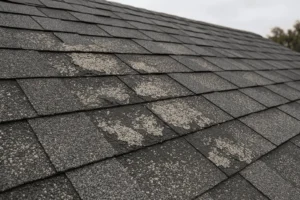
Homeowners in Covena, Heritage Park, and Woodlands near Lane Creek Road frequently discover large accumulations of colored granules in their gutters after Georgia heat waves exceed normal seasonal temperatures. These protective granules shield the asphalt mat from UV radiation and provide fire resistance, but extreme heat causes the asphalt base to soften and release granules at accelerated rates. Properties around Salem Baptist Church and throughout the Nolan Manor subdivision along Elder Mill Road show particularly heavy granule loss on south-facing roof slopes that receive direct afternoon sun exposure.
Bare Spots and Exposed Asphalt Mat
Roofs on homes in Little Creek, Scull Shoals, and the Apalachee area near US 441 often develop visible bare patches where granules have completely worn away, exposing the underlying asphalt shingle material to direct weather. This exposed asphalt mat becomes increasingly brittle with continued heat exposure, leading to cracking and moisture infiltration that compromises the roof deck and structural components. The Georgia roofing market, valued at $2.3 billion according to IBISWorld data, reflects the significant investment homeowners make in protecting their properties from this type of progressive deterioration.
Color Fading and Uneven Appearance
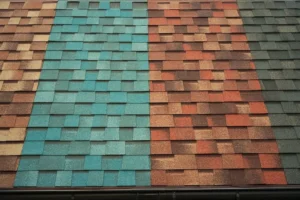
Neighborhoods like Bostwick, Woodridge North, and areas surrounding Oconee County High School on Hog Mountain Road commonly experience significant color variation across their asphalt shingle roofs after prolonged heat exposure. UV radiation breaks down the colored ceramic granules, causing architectural shingles to fade unevenly and creating a patchy, weathered appearance that reduces curb appeal and indicates underlying damage. This fading often appears first on dormers and roof sections with steep pitches that face southwest, where heat exposure reaches its daily peak during Georgia summer afternoons.
Shingle Curling and Edge Lifting
Upward Curling at Shingle Edges
Heat-related thermal cycling causes asphalt shingles on homes throughout Farmington, Elder, and the 30638 zip code to curl upward at their edges, creating gaps where wind-driven rain can penetrate beneath the shingle surface. This curling typically begins along the eaves and rakes where starter strips and drip edge components experience the most thermal stress during hot Georgia afternoons. Properties near Westminster Christian Academy on New High Shoals Road and throughout the Bishop area show pronounced edge curling on three-tab shingles, which lack the dimensional stability of architectural shingles under extreme heat conditions.
Claw-Like Curling Patterns
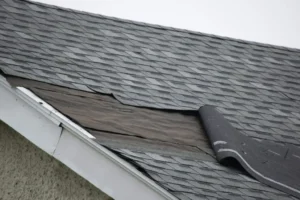
Severe heat damage creates distinctive claw-shaped curling where individual shingle tabs lift and curve dramatically upward, particularly visible on homes in Phoenix, Windy Creek, and neighborhoods along Experiment Station Road near Butler’s Crossing. This advanced curling pattern indicates that the asphalt mat has become permanently deformed and lost its ability to lay flat against the roof deck, compromising the shingle’s water-shedding capabilities. According to the National Roofing Contractors Association, this type of thermal damage requires immediate attention to prevent water infiltration and subsequent damage to roof decking and interior spaces.
Lifted Shingle Corners and Tabs
Properties throughout Daniell’s Plantation, Parkside, and areas near Oconee Veterans Park frequently develop lifted shingle corners where repeated thermal expansion has weakened the self-sealing strips that bond overlapping shingles together. These lifted areas create entry points for moisture and allow wind uplift forces to grab shingle edges during storms, potentially leading to complete shingle blow-off. Homeowners near Antioch Christian Church and along Greensboro Highway in the 30677 zip code should monitor these lifted corners carefully, as they often precede more extensive roof system failures.
Cracking and Splitting Damage
Horizontal Crack Formation
Intense Georgia heat waves cause horizontal cracks to develop across asphalt shingles on homes in Bent Tree, Coldwater Creek, and Canyon Creek subdivisions near Malcom Bridge Road, where repeated thermal expansion and contraction stress the shingle material beyond its flexibility limits. These horizontal cracks typically form parallel to the shingle’s bottom edge and allow water penetration directly into the underlayment system and roof deck below. Properties around Lane Creek Golf Course and throughout the Cedar Hills neighborhood show this pattern most commonly on architectural shingles that have reached 15 to 20 years of age, according to industry lifespan data.
Vertical Splitting Through Shingle Tabs
Heat-stressed shingles on roofs throughout Crystal Hills, Cumberland, and Daniel Plantation near Mars Hill Road develop vertical splits that extend from the shingle’s exposed edge upward toward the nail line, creating channels for water infiltration. This splitting occurs when the asphalt becomes brittle from UV exposure and thermal cycling, losing the flexibility needed to accommodate normal building movement and thermal expansion. The Asphalt Roofing Manufacturers Association reports that proper attic ventilation through ridge vents and soffit vents can reduce these temperature extremes and extend shingle life significantly.
Random Cracking Patterns
Severe heat damage creates irregular cracking patterns across shingles on homes in Gratis, Campton, and neighborhoods surrounding Historic Elder Mill Covered Bridge, where multiple stress factors combine to fragment the asphalt material. These random cracks often interconnect to form larger damaged areas that compromise multiple shingles simultaneously, requiring extensive repair or replacement work. Properties near Bishop Baptist Church and along High Shoals Road in the 30645 zip code show this advanced cracking most frequently on roofs with inadequate ventilation systems that trap excessive heat in the attic space.
Thermal Expansion and Buckling Issues
Shingle Buckling and Warping
Extreme heat causes dimensional shingles on homes throughout Iron Horse, Wrayswood, and areas near North Oconee High School to buckle and warp as the asphalt material expands beyond the shingle’s designed tolerances. This buckling creates raised ridges and valleys across the roof surface that disrupt proper water drainage and create stress concentration points where future failures are likely to occur. Understanding is asphalt roofing still the best choice for Georgia’s climate helps homeowners in Maxeys and Stephens evaluate their long-term roofing options when facing this type of thermal damage.
Expansion Joint Failures
Heat-related expansion causes failures at critical roof transitions on homes in McNutt Creek, Rocky Branch, and Simonton Bridge areas along secondary roads throughout Oconee County. Step flashing around chimneys and counter flashing at wall intersections can separate when thermal movement exceeds design limits, creating pathways for water infiltration. Properties near Providence Golf Club and throughout the Colham Ferry area show particular vulnerability at dormer connections and roof valley intersections where multiple roofing materials meet and expand at different rates during heat waves.
Nail Pop and Fastener Issues
Thermal cycling creates nail pops throughout roofing systems on homes in Barber Creek, Tramlin Acres, and Lake Forest subdivisions, where expanding and contracting roof decking pushes roofing nails upward through shingle surfaces. These protruding nails create puncture holes that allow direct water penetration and can tear surrounding shingle material during high winds. According to Verisk data, over 50 percent of residential claims involve wind and hail damage, often exacerbated by pre-existing fastener problems caused by thermal stress on roofing systems throughout Georgia’s climate zones.
Moisture Infiltration and Secondary Damage
Water Stains and Interior Leaks
Heat-damaged shingles on homes throughout Deerbrook, Deerwood Estates, and River Farms near the Apalachee River allow moisture infiltration that creates visible water stains on interior ceilings and walls. This moisture penetration typically follows a progressive pattern, beginning with small discolored spots and expanding into larger damaged areas as the compromised roof system allows continued water entry. Homeowners in Riverhaven Estates and Paradise Falls should recognize that interior water stains often indicate extensive damage to roof decking, insulation, and structural components that require professional assessment and repair.
Attic Moisture and Insulation Damage
Failed shingles throughout Settlers Ridge, Founders Grove, and Danson Woods create attic moisture problems that compromise insulation effectiveness and promote mold growth in the confined space above living areas. This moisture infiltration typically saturates blown-in insulation and reduces its thermal performance, leading to higher energy costs and potential indoor air quality issues. Our Watkinsville roofing contractors frequently identify these secondary moisture problems during roof inspections in the Northwest Woods and Birchmore subdivisions, where inadequate ventilation compounds heat-related damage.
Structural Deck Deterioration
Prolonged moisture exposure through heat-damaged shingles causes OSB sheathing and plywood decking to deteriorate on homes throughout Birchmore Hills, Lake Wellbrook, and Welbrook Farms near Hog Mountain Road. This structural deterioration weakens the roof’s load-bearing capacity and creates sagging areas that trap water and accelerate further damage. Properties around Manna Church and throughout the Fieldstone neighborhood require immediate professional attention when deck deterioration becomes visible, as compromised structural integrity poses safety risks beyond simple roofing concerns.
Professional Assessment and Timing Considerations
Post-Heat Wave Inspection Protocols
Homeowners throughout Essex, Fernwood, and Salem areas should schedule professional roof inspections within 30 days after major heat wave events that exceed 100 degrees for multiple consecutive days. These inspections identify heat damage in its early stages when repairs remain cost-effective compared to full roof replacement, particularly important given that the average roof replacement cost reaches $9,526 according to RubyHome industry data. Properties near Presbyterian Village and along J T Elder Road benefit from systematic documentation of heat damage that supports insurance claims and helps prioritize repair scheduling before Georgia’s severe weather season begins.
Insurance Claim Timing and Documentation
Heat damage assessment requires careful timing and documentation for homes throughout Flinchum, Lake Forest, and neighborhoods near University of North Georgia’s Oconee Campus on Bishop Parkway. Insurance coverage for gradual deterioration differs significantly from sudden storm damage claims, making professional documentation essential for successful claim resolution. According to Verisk’s research, roof-related claims represent 25 percent of all residential claim value, emphasizing the importance of proper documentation and timely claim submission for heat-damaged roofing systems throughout the 30621 zip code.
Seasonal Repair Planning
Georgia’s climate creates optimal windows for roof repair work between heat waves and severe weather seasons, particularly beneficial for homes in Canyon Creek, Cedar Hills, and areas near Athens Academy. Professional contractors can address heat damage most effectively during moderate temperature periods when roofing materials remain stable and weather conditions allow proper installation techniques. Ridgeline Roofing and Exteriors schedules heat damage repairs strategically to protect homes throughout McNutt Creek Road and Rocky Branch Road before summer temperatures create additional thermal stress on compromised roofing systems.
Material Selection and Prevention Strategies
Heat-Resistant Shingle Options
Modern architectural shingles with enhanced granule technology provide superior heat resistance for homes throughout Virgil Langford Road, Union Church Road, and Simonton Bridge Road areas that experience extreme solar exposure. These advanced materials incorporate reflective granules and modified asphalt formulations that maintain flexibility at higher temperatures compared to standard three-tab shingles. Research into how long asphalt shingles last in Georgia’s climate helps homeowners understand the performance differences between standard and premium roofing materials when planning replacement projects.
Ventilation System Improvements
Proper attic ventilation through ridge vents, soffit vents, and roof vents significantly reduces heat stress on shingles throughout Price Mill Road, Moores Ford Road, and Ruth Jackson Road neighborhoods by maintaining lower attic temperatures. Adequate ventilation systems prevent heat buildup that accelerates shingle deterioration and reduces the thermal cycling stress that causes cracking and curling damage. Homeowners near Bishop Farms Parkway and throughout Colham Ferry should ensure their ventilation systems provide at least one square foot of net free area per 150 square feet of attic space for optimal heat management.
Reflective Roofing Technologies
Cool roof technologies incorporating reflective granules and light-colored shingle options help reduce surface temperatures on homes throughout Barber Creek Road and surrounding rural areas where shade coverage is limited. These reflective materials can reduce shingle surface temperatures by 10 to 15 degrees compared to traditional dark-colored asphalt shingles, extending material lifespan and reducing thermal stress damage. Analysis of asphalt roofing performance in bishop and north high shoals demonstrates how material selection affects long-term durability in Georgia’s challenging climate conditions.
Maintenance and Long-Term Protection
Regular Inspection Schedules
Proactive maintenance programs help homeowners throughout the Hopping Road corridor, including properties near High Shoals Elementary, identify heat damage before it progresses to major system failures requiring complete roof replacement. Biannual inspections during spring and fall seasons allow early detection of granule loss, edge curling, and thermal cracking that respond well to targeted repairs. The Georgia roofing industry employs 7,055 workers according to IBISWorld data, reflecting the substantial workforce needed to maintain the state’s housing stock against heat-related deterioration and weather damage.
Preventive Repair Strategies
Early intervention for heat-damaged shingles on homes throughout the Daniells Bridge Road area prevents minor problems from escalating into major structural damage that threatens interior spaces and personal property. Professional repair work addressing initial granule loss and edge curling costs significantly less than emergency repairs following complete system failure during severe weather events. Evaluating asphalt roofing pros and cons for homes in farmington helps property owners make informed decisions about repair versus replacement timing based on their roof’s current condition and expected remaining lifespan.
Storm Preparation Considerations
Heat-damaged roofing systems throughout Hillsboro Road and the surrounding 30645 zip code area show increased vulnerability to storm damage, making pre-season preparation essential for protecting homes during Georgia’s severe weather periods. Compromised shingles with existing thermal damage fail more readily under wind and hail loading, leading to extensive damage that could have been prevented through proactive repair work. Understanding how storms damage asphalt shingles in apalachee emphasizes the importance of addressing heat damage before severe weather seasons test already weakened roofing systems throughout Oconee County.
Protecting Your Investment in Georgia’s Climate
Heat wave damage to asphalt shingles represents a significant concern for homeowners throughout Watkinsville, from established neighborhoods like Echo Brook Park and Washington Farms to newer developments in Woodlands and Heritage Park along the US 441 corridor. Recognizing early warning signs such as granule loss, edge curling, and thermal cracking helps property owners in the 30677, 30621, and 30638 zip codes protect their investments before minor heat damage becomes major structural problems. Professional assessment and strategic timing of repairs optimize both protection and cost-effectiveness for homes throughout Elder Mill Road, Mars Hill Road, and Experiment Station Road areas.
The combination of Georgia’s intense summer heat, high humidity levels, and severe weather patterns creates unique challenges for roofing systems throughout Oconee County, from Bishop and North High Shoals to Farmington and Elder communities. Homeowners investing in quality materials, proper ventilation systems, and regular maintenance programs provide their properties with the best protection against heat-related deterioration while maintaining the value and comfort of their homes. With roofing representing such a substantial investment in property protection, understanding heat damage indicators and taking proactive measures ensures long-term performance throughout Poplar Springs, Covena, Bostwick, and Apalachee neighborhoods facing Georgia’s challenging climate conditions year after year.