Gutters play a critical role in protecting your home from water damage by channeling rainwater away from your foundation, walls, and landscaping. Before storm season hits Georgia, identifying signs that your gutters need repair can save you from costly water damage and emergency repairs. Common indicators include sagging gutters, visible cracks or holes, water overflow during rain, rust spots, separated joints, and water pooling around your foundation. Additionally, if you notice peeling paint on your home’s exterior, basement moisture, or erosion in your landscaping, these often point to failing gutters. Regular inspections, especially before spring and summer storms, help homeowners catch problems early when repairs are simpler and less expensive than dealing with water damage after a major storm.
Visual Signs Your Gutters Are Failing
The most obvious signs of gutter problems are often visible from the ground, making regular visual inspections an important part of home maintenance. Sagging gutters indicate that the fasteners have loosened or the gutters themselves have become too heavy from debris accumulation. When gutters sag, they can’t properly channel water, leading to overflow and potential damage to your home’s siding and foundation.
Cracks, holes, and rust spots are clear indicators that your gutters are deteriorating. Even small cracks can expand quickly during freeze-thaw cycles common in Georgia winters. Rust, particularly on steel gutters, weakens the material and creates holes that allow water to escape where it shouldn’t. These visual defects often start small but can rapidly worsen during heavy storms.
Separated joints and seams represent another critical failure point. Gutters are typically installed in sections, and the connections between these sections can separate over time due to temperature expansion and contraction, house settling, or impact damage. When joints separate, water pours directly down rather than flowing to downspouts.
Water-Related Warning Signs
Water behavior around your gutters provides important clues about their condition. During rain, properly functioning gutters should contain water flow without any overflow. If you notice water spilling over the edges during moderate rainfall, this indicates either clogged gutters or inadequate capacity for your roof’s water volume.
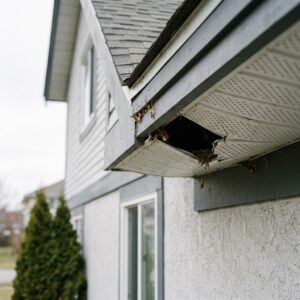
Water stains or mildew on your home’s exterior walls often trace back to overflowing or leaking gutters. These stains typically appear as vertical streaks below the gutter line and can lead to permanent discoloration or paint damage if not addressed. In severe cases, constant moisture exposure can cause wood rot in fascia boards and soffits.
Foundation issues related to poor gutter performance include water pooling near your home’s base, cracks in the foundation, or basement water intrusion. When gutters fail to direct water away from your home, it saturates the soil around your foundation, potentially causing settling, cracks, or hydrostatic pressure against basement walls. This is particularly concerning in Georgia’s clay soils, which expand and contract significantly with moisture changes.
Landscape and Erosion Indicators
Your landscaping often reveals gutter problems before other signs become apparent. Erosion patterns directly below gutters indicate overflow issues, while dead grass or washed-out mulch near downspouts suggest improper water dispersal. Healthy gutters should direct water at least six feet away from your home’s foundation through properly positioned downspouts and extensions.
Standing water in your yard after rain, particularly near the house, signals that your gutter system isn’t effectively managing roof runoff. This can create mosquito breeding grounds and contribute to foundation problems over time. Pay special attention to areas where water seems to consistently collect after storms.
Seasonal Damage Patterns in Georgia
Georgia’s climate presents unique challenges for gutter systems throughout the year. Spring storms bring heavy rainfall that tests gutter capacity, while summer heat can accelerate deterioration of gutter materials and sealants. Understanding these seasonal patterns helps homeowners time their inspections and repairs effectively.
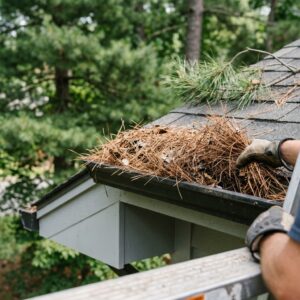
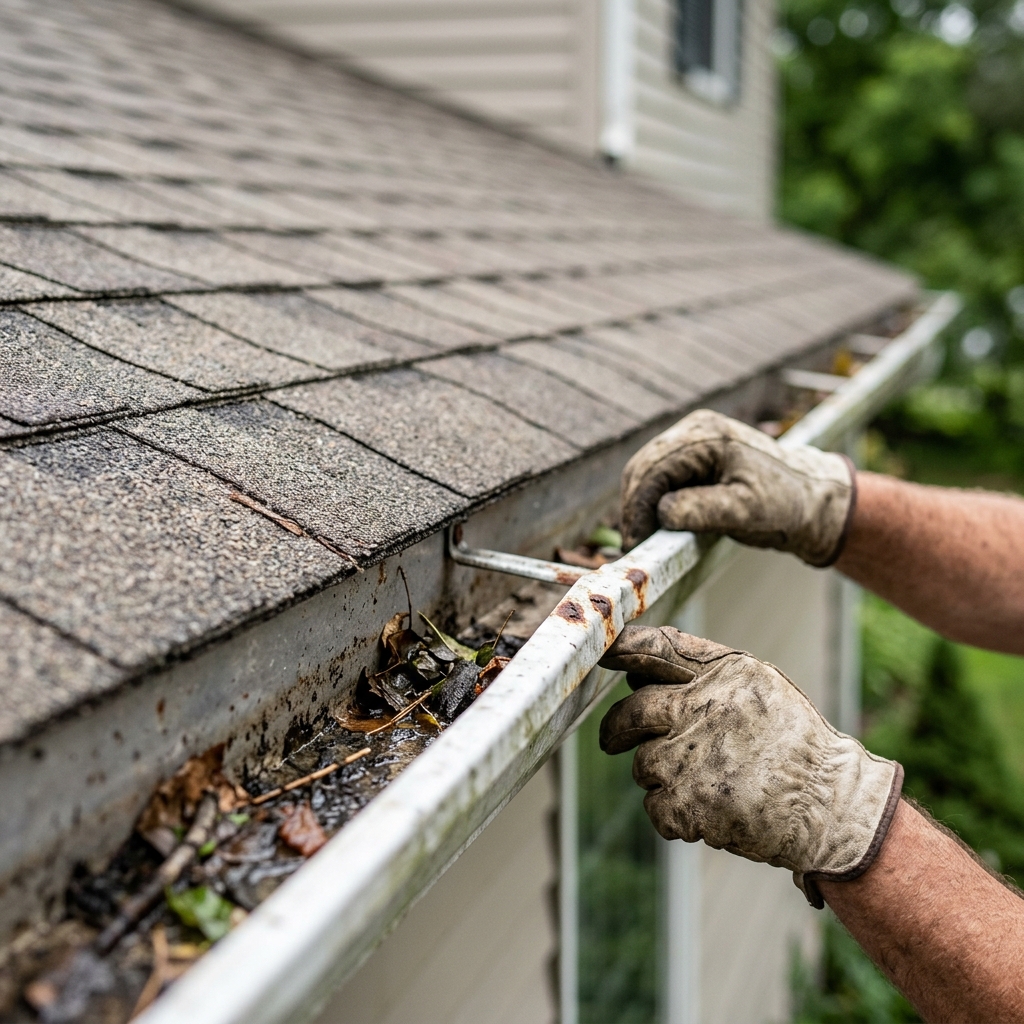
Fall presents particular challenges with leaf accumulation from Georgia’s abundant tree cover. Clogged gutters from autumn debris often go unnoticed until winter rains reveal overflow problems. Pine needles, common in many Georgia neighborhoods, create especially problematic clogs because they form dense mats that completely block water flow.
Winter ice formation, though less common than in northern states, still occurs in North Georgia and can cause significant gutter damage. Ice dams form when gutters fill with frozen water, potentially pulling gutters away from the house or causing them to collapse entirely. Even without full ice dams, freeze-thaw cycles stress gutter joints and can crack older materials.
Storm Season Preparation Timeline
Timing your gutter maintenance and repairs strategically helps avoid emergency situations. Late winter to early spring represents the ideal window for comprehensive gutter inspection and repair, allowing time to address issues before heavy spring rains arrive. This timing also helps prevent water damage during Georgia’s tornado season, which peaks from March through May.
Summer maintenance should focus on clearing any spring storm debris and checking for heat-related damage to sealants and fasteners. As hurricane season approaches in late summer and fall, ensuring your gutters can handle intense rainfall becomes critical for protecting your home from water intrusion.
Hidden Damage That Requires Professional Assessment
Not all gutter problems are visible from the ground, making professional inspections valuable for catching hidden issues. Fascia board rot behind gutters often goes unnoticed until significant damage occurs. This rot weakens the gutter attachment points and can spread to roof decking if left unchecked.
Improper gutter pitch represents another hidden issue that causes water to pool in sections rather than flow toward downspouts. Even a quarter-inch deviation from proper slope can cause standing water, which accelerates corrosion and creates overflow points during storms. Professional contractors use levels to ensure proper pitch during installation and can adjust existing gutters to restore proper flow.
Internal corrosion in gutters may not be visible from below but significantly weakens the system. This is particularly common in older steel gutters or in areas where acidic debris like pine needles accumulates. Regular professional inspections can identify internal deterioration before complete failure occurs.
Impact of Gutter Problems on Roofing Systems
Failed gutters don’t just threaten your foundation and siding—they can also damage your roof. When gutters overflow, water can back up under shingles, leading to rot in fascia boards and roof decking. This moisture intrusion often goes unnoticed until significant damage requires extensive repairs.
Ice backup in clogged gutters forces water under shingles during winter freezes, potentially causing leaks that appear far from the actual gutter problem. Additionally, the weight of water-filled or ice-filled gutters can pull away fascia boards, creating gaps where water enters your home’s structure.
Cost Implications of Delayed Gutter Repairs
Understanding the financial impact of postponing gutter repairs helps homeowners make informed maintenance decisions. Simple repairs like resealing joints or replacing a section typically cost a fraction of addressing water damage to foundations, siding, or landscaping. Early intervention prevents cascading problems that multiply repair expenses.
Insurance considerations also factor into gutter maintenance decisions. Many homeowners insurance policies exclude damage resulting from poor maintenance, including neglected gutters. Documenting regular gutter maintenance and timely repairs helps ensure coverage if storm damage occurs despite proper upkeep.
The cost difference between planned repairs and emergency storm damage response can be substantial. Emergency repairs during storm season often carry premium pricing due to high demand, while planned maintenance allows you to compare contractors and schedule work at competitive rates.
Choosing Repair vs. Replacement
Determining whether to repair or replace gutters depends on several factors including age, material condition, and extent of damage. Gutters over 20 years old often benefit from complete replacement rather than repeated repairs, especially if multiple sections show deterioration. Modern gutter systems offer improved materials and installation methods that provide better long-term performance.
Partial replacement might work when damage is localized to specific sections, but mismatched materials can create weak points and aesthetic issues. Professional contractors can assess whether your existing gutters merit repair investment or if replacement offers better value considering expected lifespan and performance improvements.
Professional Inspection and Maintenance Benefits
While homeowner vigilance helps identify obvious problems, professional gutter inspections provide comprehensive assessment including areas difficult to see or evaluate without proper equipment. Experienced contractors recognize subtle signs of developing problems and can recommend preventive measures that extend gutter life.
Modern inspection technology, including drone assessments, allows thorough evaluation without ladder risks. These inspections can identify problems with gutter hangers, hidden corrosion, and proper water flow patterns that might escape casual observation. Professional inspections also document your gutter condition, valuable for insurance or home sale purposes.
Regular professional maintenance, including thorough cleaning and minor adjustments, costs far less than major repairs or water damage remediation. Establishing a maintenance schedule with a trusted contractor ensures your gutters receive attention before minor issues become major problems.
Taking Action Before Storm Season
Protecting your home from storm season water damage starts with addressing gutter problems before heavy rains arrive. The signs discussed—from visible sagging and cracks to water stains and foundation issues—all indicate the need for prompt attention. Whether through DIY inspection or professional assessment, identifying these warning signs early prevents costly water damage and protects your home investment.
For homeowners in Northeast Georgia, where spring storms and summer downpours test gutter systems annually, staying ahead of maintenance proves especially important. Don’t wait for the next storm to reveal gutter problems through water damage. If you’ve noticed any signs your gutters need repair before storm season, consider scheduling a professional inspection. Ridgeline Roofing and Exteriors provides comprehensive gutter services across Watkinsville, Athens, and surrounding communities, helping homeowners protect their properties from water damage year-round. Call 706-322-0014 to schedule your gutter inspection before storm season arrives.