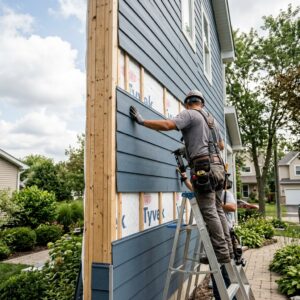
Rotted fascia boards significantly compromise your gutter system’s performance and can lead to extensive water damage throughout your home. When fascia boards deteriorate due to moisture exposure, they lose their structural integrity, causing gutters to sag, pull away from the roofline, or completely detach. This creates improper water drainage, allowing rainwater to overflow behind the gutters and seep into your home’s walls, foundation, and interior spaces. The relationship between fascia boards and gutters is critical – fascia boards serve as the mounting surface for your gutter system, and when they fail, the entire water management system fails with them. Understanding how rotted fascia boards affect your gutter system helps homeowners recognize early warning signs and take preventive action before minor issues become major structural problems.
Understanding the Role of Fascia Boards in Your Roofing System
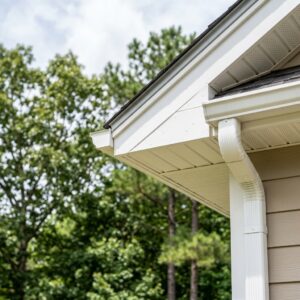
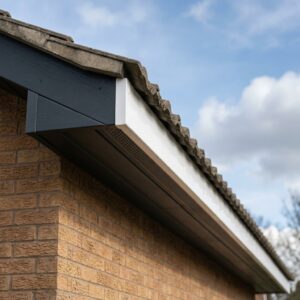
Fascia boards are the long, straight boards that run along the lower edge of your roof, typically where gutters attach. These essential components serve multiple purposes in your home’s roofing system. They provide a finished appearance to your roofline, protect the roof’s edge from weather exposure, and most importantly, offer a secure mounting point for your gutter system.
Made from wood, composite materials, or sometimes aluminum, fascia boards bear the full weight of your gutters when filled with rainwater. During heavy rainstorms common in Georgia, gutters can hold hundreds of pounds of water, placing significant stress on the fascia boards. This continuous weight-bearing responsibility makes fascia board integrity crucial for proper gutter function.
The positioning of fascia boards makes them particularly vulnerable to moisture damage. They’re constantly exposed to rain, humidity, and potential water overflow from clogged gutters. In Georgia’s humid climate, this exposure accelerates deterioration, especially in wooden fascia boards that haven’t been properly sealed or maintained.
How Fascia Board Rot Develops
Fascia board rot typically begins with prolonged moisture exposure. Several factors contribute to this deterioration process in Georgia homes. Clogged gutters that overflow regularly saturate the fascia boards, creating ideal conditions for rot. Improperly installed or damaged drip edges allow water to run behind the gutters directly onto the fascia. Additionally, poor roof ventilation can cause condensation to form on the underside of the roof deck, dripping onto fascia boards.
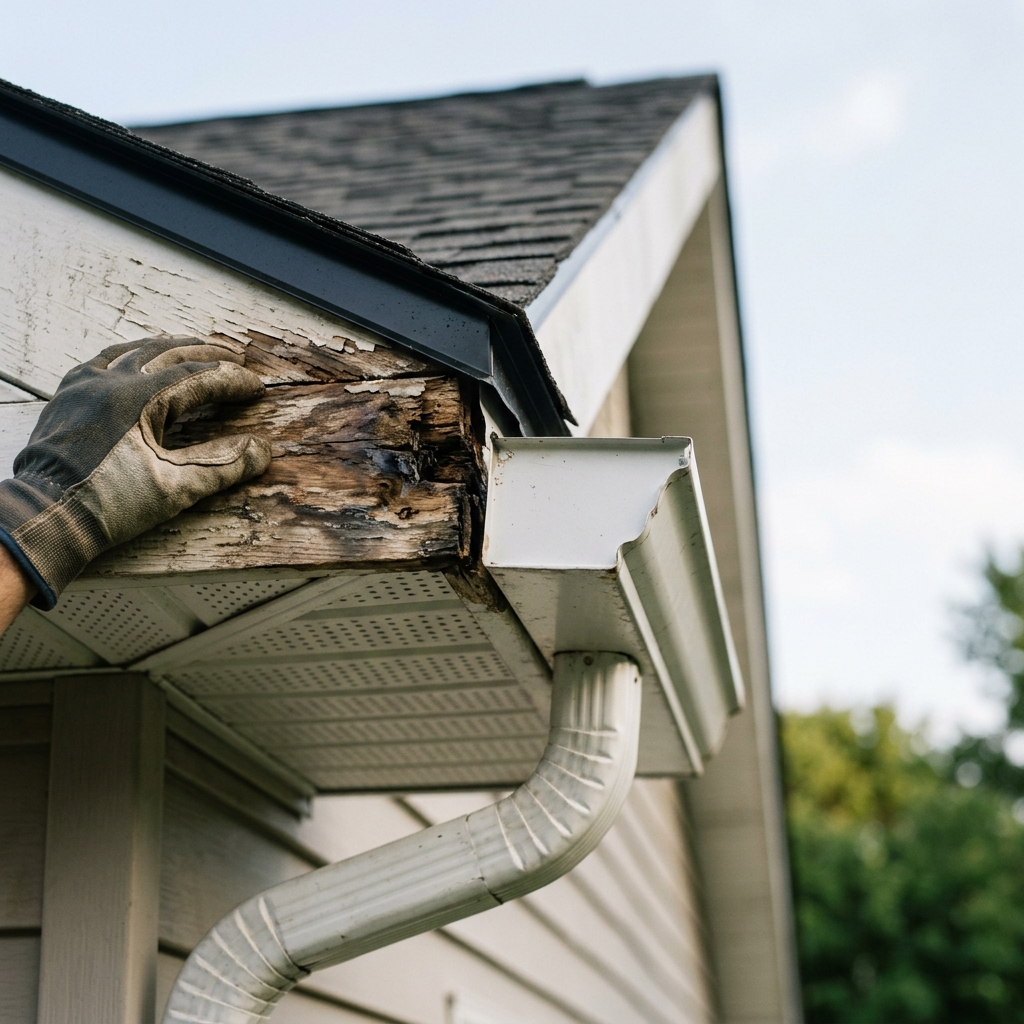
The rot process starts slowly but accelerates once it takes hold. Wood fibers break down, becoming soft and spongy. Paint begins to peel or bubble, revealing discolored wood beneath. As the rot progresses, the fascia board loses its structural strength, developing cracks, holes, or crumbling sections. This deterioration often goes unnoticed until visible sagging or gutter detachment occurs.
Environmental factors in Northeast Georgia accelerate fascia rot. High humidity levels throughout the year keep wood moisture content elevated. Temperature fluctuations cause wood to expand and contract, creating cracks where moisture enters. Heavy seasonal rains, particularly during spring storms, overwhelm damaged gutter systems and increase fascia exposure to water.
Signs Your Fascia Boards Are Affecting Your Gutters
Recognizing the early warning signs of fascia board rot can prevent extensive damage to your gutter system and home. Visual indicators often appear before complete failure occurs. Look for gutters that appear to be pulling away from the roofline or sagging in certain sections. These are clear signs that the fascia boards can no longer support the weight properly.
Paint problems on fascia boards signal moisture issues. Peeling, bubbling, or flaking paint indicates water has penetrated the wood surface. Discoloration, particularly dark streaks or patches, suggests active rot or mold growth. Soft spots that give way when pressed with a screwdriver confirm advanced deterioration requiring immediate attention.
Water damage patterns around your home often trace back to fascia board problems. Water stains on exterior walls below the roofline indicate gutter overflow or improper drainage. During rainstorms, observe water running behind gutters rather than through them. Ice dams forming in winter can also result from compromised fascia boards affecting proper gutter positioning.
The Domino Effect: From Fascia Rot to Gutter System Failure
When fascia boards begin to rot, they trigger a cascade of problems throughout your gutter system. As the wood softens and weakens, it can no longer hold gutter mounting brackets securely. Gutters begin to sag, creating low spots where water pools instead of flowing toward downspouts. This standing water adds extra weight, accelerating the fascia deterioration and creating a destructive cycle.
Sagging gutters develop improper pitch angles, preventing efficient water flow. Water overflows at these low points, cascading down exterior walls and pooling around your foundation. This overflow not only damages siding and landscaping but also increases the risk of basement flooding and foundation problems. The constant moisture exposure can lead to mold growth in walls and compromise your home’s structural integrity.
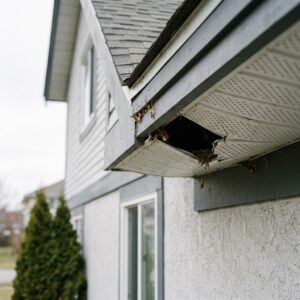
Eventually, severely rotted fascia boards fail completely, causing sections of gutters to detach and fall. This creates dangerous conditions for anyone below and leaves your roof edge completely unprotected from water damage. The exposed roof decking and rafters become vulnerable to rot, potentially requiring extensive roof repairs beyond just fascia and gutter replacement.
Impact on Your Home’s Water Management System
Your home’s water management system relies on properly functioning gutters to direct rainwater away from the structure. When rotted fascia boards compromise gutter performance, this entire system breaks down. Water that should flow through gutters and downspouts instead finds alternative paths, often into your home’s most vulnerable areas.
Foundation damage represents one of the most serious consequences of gutter system failure. Water pooling around your foundation due to overflowing or detached gutters can cause soil erosion, foundation settling, and basement water infiltration. In Georgia’s clay-heavy soils, this water exposure causes dramatic soil expansion and contraction, leading to foundation cracks and structural movement.
The roof structure itself suffers when water backs up due to compromised gutters. Moisture seeping under shingles accelerates roof deck deterioration and can damage rafters and trusses. Interior ceiling stains, attic mold growth, and damaged insulation often result from this water intrusion, requiring costly remediation beyond exterior repairs.
Prevention Strategies for Fascia Board Protection
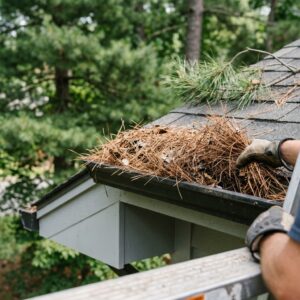
Protecting your fascia boards from rot requires proactive maintenance and strategic improvements. Regular gutter cleaning prevents overflow that saturates fascia boards. In Georgia, cleaning gutters at least twice yearly, especially after spring pollen season and fall leaf drop, maintains proper water flow and reduces fascia exposure to standing water.
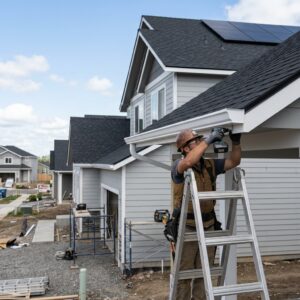
Proper gutter installation includes features that protect fascia boards. Installing drip edges ensures water flows into gutters rather than behind them. Gutter aprons provide additional protection by creating a barrier between the gutter back and fascia board. These components, when properly installed, significantly extend fascia board lifespan.
Material selection plays a crucial role in fascia board longevity. While wood remains popular for its appearance, composite materials offer superior moisture resistance. Some homeowners choose aluminum or vinyl fascia covers that protect existing wood while providing a maintenance-free surface. When replacing fascia boards, consider upgraded materials that better withstand Georgia’s humid climate.
Professional Assessment and Repair Options
Professional inspection accurately determines the extent of fascia board damage and appropriate repair strategies. Experienced contractors use moisture meters to detect hidden rot not visible from the ground. They assess whether damage is localized to specific sections or requires complete fascia board replacement. This thorough evaluation prevents overlooking damage that could worsen over time.
Repair options vary based on damage severity. Minor rot in isolated areas might allow for partial board replacement, cutting out damaged sections and splicing in new material. However, extensive rot typically requires complete fascia board replacement to ensure structural integrity. Professional contractors ensure new installations include proper sealing and protective measures against future moisture damage.
Timing repairs correctly prevents escalating damage and costs. Addressing fascia rot promptly, before it affects gutter attachment and water management, saves money long-term. Delaying repairs allows damage to spread to roof decking, rafters, and interior spaces, multiplying repair expenses. Professional contractors can also identify and address the root causes of fascia rot, preventing recurring problems.
The Cost of Ignoring Rotted Fascia Boards
Ignoring rotted fascia boards creates exponentially growing repair costs. What begins as a relatively simple fascia board replacement can escalate into extensive structural repairs. Water damage from failing gutters affects siding, insulation, drywall, and flooring. Mold remediation alone can cost thousands of dollars when water infiltration goes unchecked.
Insurance implications add another layer of concern. Many homeowners’ insurance policies exclude damage from long-term maintenance neglect. Rotted fascia boards that cause gradual water damage might not be covered, leaving homeowners responsible for all repair costs. Additionally, visible rot and gutter problems can affect home value and complicate sales transactions.
Safety hazards from failing gutter systems present immediate risks. Falling gutters can injure people or damage property below. Ice formations from improper drainage create slip hazards on walkways. Water infiltration can damage electrical systems, creating fire risks. These safety concerns make prompt fascia board repair not just a maintenance issue but a critical safety priority.
Integrating Fascia Maintenance into Regular Home Care
Successful fascia board maintenance integrates into your regular home care routine. Biannual inspections, ideally during spring and fall gutter cleaning, help identify problems early. Look for paint deterioration, soft spots, or signs of moisture damage. Document any changes with photos to track progression over time.
Creating a maintenance schedule ensures consistent care. Schedule professional gutter cleaning if you cannot safely perform this task yourself. Plan for fascia board painting or sealing every few years to maintain moisture protection. Budget for periodic professional inspections that can identify hidden problems before they become severe.
Understanding the connection between various home systems helps prevent problems. Proper roof ventilation reduces moisture that can affect fascia boards. Well-maintained gutters protect fascia from water exposure. Regular roof inspections identify issues that could lead to fascia damage. This holistic approach to home maintenance protects your investment and prevents costly repairs.
Choosing the Right Solutions for Your Georgia Home
Georgia’s climate presents unique challenges for fascia boards and gutter systems. High humidity, intense summer heat, and occasional severe storms all contribute to faster deterioration rates. Understanding these local factors helps in selecting appropriate materials and maintenance strategies for long-term protection.
Material selection should prioritize moisture resistance and durability. Pressure-treated lumber offers better rot resistance than standard wood. Composite materials provide excellent longevity with minimal maintenance requirements. For ultimate protection, aluminum or vinyl wrapping over wood fascia creates an impermeable barrier against moisture while maintaining traditional appearance.
Professional contractors familiar with Georgia’s climate conditions can recommend optimal solutions for your specific situation. They understand how local weather patterns affect building materials and can suggest proven strategies for protecting fascia boards. Their expertise ensures repairs address not just visible damage but also underlying issues that could cause future problems.
Understanding how rotted fascia boards affect your gutter system empowers homeowners to protect their investment through timely maintenance and repairs. Regular inspections, prompt attention to warning signs, and professional assessment when problems arise prevent minor issues from becoming major structural damage. For Georgia homeowners concerned about fascia board integrity or experiencing gutter system problems, professional evaluation provides peace of mind and protects your home’s water management system. Contact Ridgeline Roofing and Exteriors at 770-706-7663 for expert assessment of your fascia boards and gutter system, ensuring your home remains protected from water damage year-round.