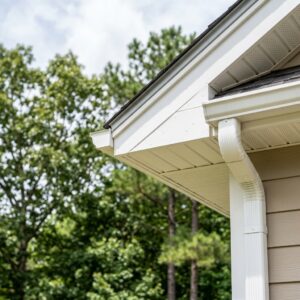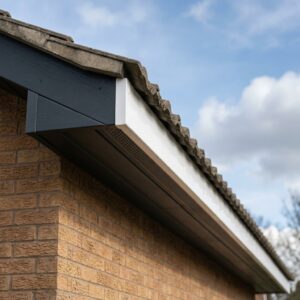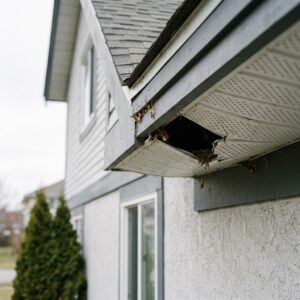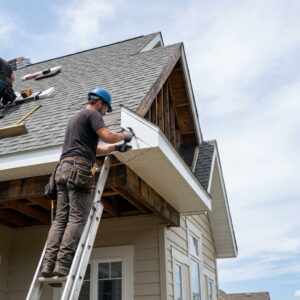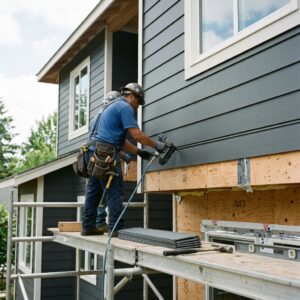
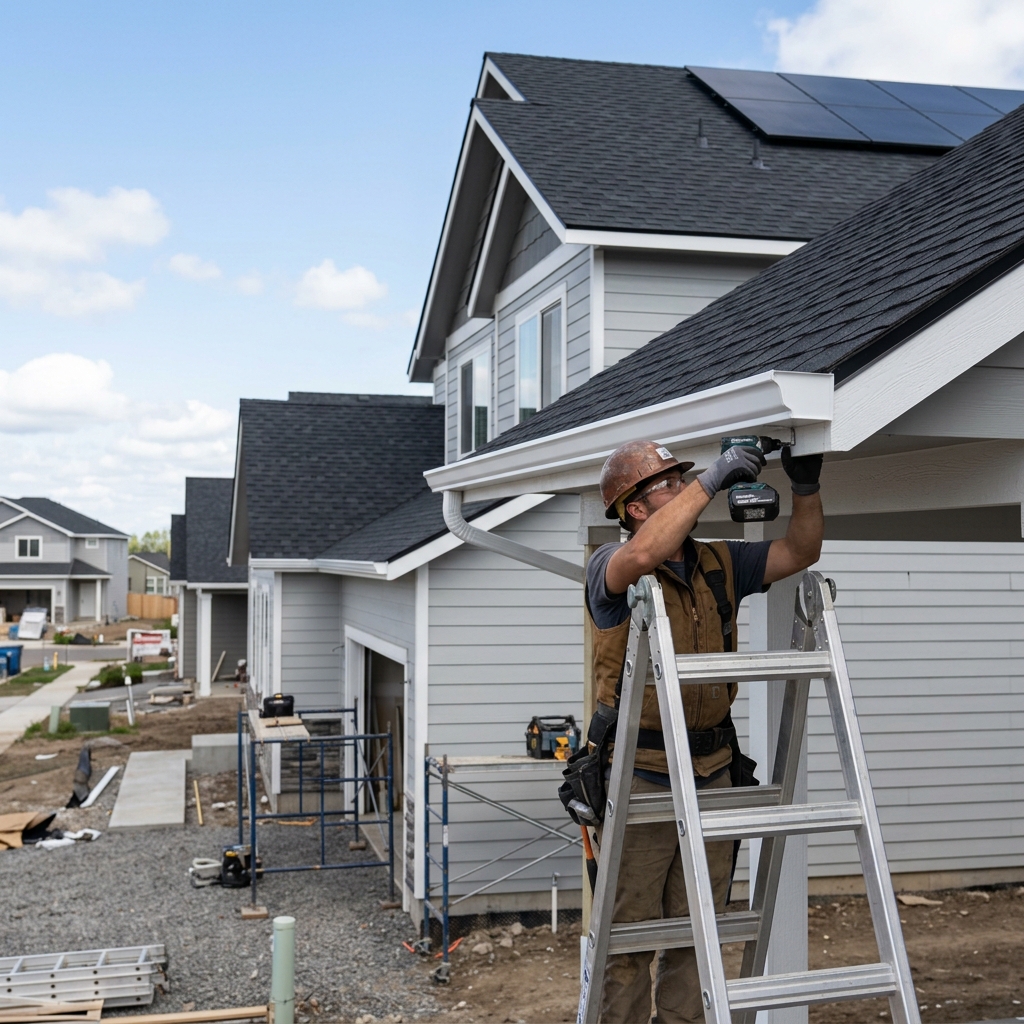
Gutter installation for new construction homes is one of the most important exterior decisions a builder or homeowner can make during the construction process. Unlike retrofit gutter projects on older homes, new construction gives you the rare advantage of planning and installing a complete gutter system from scratch — with no compromises, no workarounds, and no limitations imposed by an existing structure. A properly designed gutter system directs rainwater away from your foundation, protects your siding and fascia boards, prevents soil erosion around the home’s perimeter, and reduces the risk of basement or crawl space moisture intrusion. In Georgia’s climate — where heavy summer thunderstorms, seasonal downpours, and humidity are constant factors — getting gutters right from day one is not optional. It is a foundational part of protecting your investment. This guide walks through everything new construction homeowners need to know about selecting, sizing, and installing gutters on a newly built home, including material choices, placement, downspout planning, and long-term maintenance expectations.
Why Gutter Planning Matters During New Construction
Most homeowners spend months selecting roof materials, siding colors, and interior finishes, but gutters often become an afterthought addressed in the final weeks of a build. That approach creates real problems. Gutter systems are most effective when they are designed in coordination with your roofline, roof pitch, and drainage landscape — not retrofitted to accommodate them after the fact. During new construction, your contractor has full access to the fascia boards, can assess the exact pitch and overhang of each roof section, and can plan downspout placement with the grading and landscaping in mind.
In Northeast Georgia, homes built near wooded areas or sloped lots face additional drainage demands. The volume of water that moves off a roof during a typical summer storm is substantial, and without a correctly sized and positioned gutter system, that water lands directly against your foundation or beneath your soffits. Over time, that moisture leads to wood rot, mold growth, foundation settlement, and structural damage that costs far more to repair than a well-planned gutter installation would have in the first place. Thinking through gutter installation during the design phase of your new home is one of the simplest ways to protect the long-term value of the structure.
Choosing the Right Gutter Material for a New Home
New construction presents the ideal opportunity to select gutter materials that match your home’s architecture, performance needs, and maintenance preferences. The most common options available to Georgia homeowners include aluminum, vinyl, steel, copper, and zinc. Each comes with its own set of advantages and trade-offs that should be weighed carefully before installation begins.
Aluminum Gutters
Aluminum is the most widely installed gutter material in residential new construction across the country, and for good reason. It is lightweight, rust-resistant, available in a wide range of colors, and cost-effective without sacrificing durability. Seamless aluminum gutters — fabricated on-site using a roll-forming machine — are particularly well-suited for new construction because they can be cut to the exact lengths needed for each section of the roofline, eliminating joints where leaks commonly develop. For most new homes in the Athens, Watkinsville, and Bishop areas, seamless aluminum gutters represent the best balance of performance and value.
Steel and Copper Gutters
Galvanized steel gutters offer more structural strength than aluminum, making them appropriate for homes with steeper pitches, larger roof surface areas, or areas with heavy tree canopy that may deposit debris. Copper gutters are a premium option often selected for upscale custom builds and log cabin homes where aesthetics carry significant weight. Copper develops a distinctive patina over time, requires no painting, and can last 50 years or more with minimal maintenance. The trade-off is cost — copper gutters run significantly more than aluminum or steel options and should be budgeted accordingly during the planning phase of your new build.
Vinyl Gutters
Vinyl gutters are inexpensive and easy to install, but they carry notable limitations in Georgia’s climate. High summer temperatures cause vinyl to expand and contract dramatically, and prolonged UV exposure leads to brittleness and cracking over time. For a new construction home where you want gutters that will last 20 or more years without replacement, vinyl is generally not the recommended choice. Aluminum or steel systems will outperform vinyl in durability, especially in the heat and humidity common throughout North Georgia.
Proper Gutter Sizing for New Construction
Gutter sizing is one of the most frequently misunderstood aspects of residential gutter installation. Many new homeowners and even some contractors default to standard 5-inch K-style gutters without evaluating whether that size is appropriate for the home’s actual roof surface area and local rainfall intensity. Undersized gutters overflow during heavy rain events — which in Georgia can deliver several inches of rain within an hour — causing exactly the type of foundation and landscape damage the gutter system was designed to prevent.
K-Style vs. Half-Round Gutters
The two most common gutter profiles used in residential construction are K-style and half-round. K-style gutters have a flat back and decorative front profile that mimics crown molding, making them a natural visual match for most contemporary and traditional home designs. They hold more water volume than half-round gutters of the same width, which is an advantage in high-rainfall regions. Half-round gutters offer a more traditional, rounded appearance often seen on craftsman-style and historic homes. Both are available in 5-inch and 6-inch widths, and both can be effective when correctly sized.
Determining the Right Size
Contractors use the roof’s drainage area — measured in square footage — combined with the pitch of the roof and the maximum anticipated rainfall rate in your area to determine the appropriate gutter width and downspout spacing. For a typical new construction home in Oconee County or Clarke County, 5-inch gutters often suffice for smaller roof sections, while larger rooflines with significant square footage frequently require 6-inch gutters to manage peak water flow without overflowing. Getting this calculation right during the build is far simpler than upsizing gutters after the home is complete. Your roofing and exterior contractor should perform this sizing assessment as part of the gutter planning process, not as an afterthought.
Downspout Placement and Drainage Planning
Downspouts are the gutters’ delivery mechanism — they carry collected water from the gutters down to grade level and away from the foundation. Proper downspout placement on a new construction home requires thoughtful coordination between the gutter installer, the grading contractor, and sometimes the landscaping team. A common rule of thumb is one downspout for every 30 to 40 linear feet of gutter, but roof pitch, gutter length, and local rainfall intensity may require more frequent placement on certain homes.
Equally important is where the downspout water is discharged. Downspout extensions, underground drainage pipes, and French drain systems can all be incorporated into new construction site planning to ensure that water moves away from the foundation and does not pool near the structure. On sloped lots — which are common throughout Northeast Georgia’s rolling terrain — water discharged at the wrong location can redirect back toward the home. Coordinating this drainage planning during the build, rather than after the landscaping is in place, saves significant cost and prevents long-term moisture problems. Homeowners building new in this region should also consider how gutter performance ties into their broader roofing and water management strategy, including how roof ventilation protects homes in Oconee County from heat and moisture buildup throughout the year.
Gutter Guards and Leaf Protection on New Builds
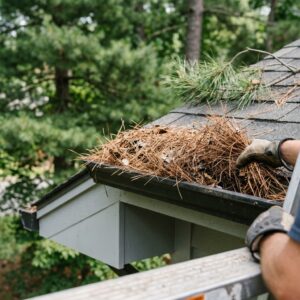
New construction homes built in wooded areas, near tree lines, or with significant mature tree coverage on the property face an ongoing gutter maintenance challenge: debris accumulation. Leaves, pine needles, twigs, and seed pods collect in gutters and cause blockages that prevent proper drainage, lead to overflow, and create conditions where standing water accelerates corrosion and supports mosquito breeding. Installing gutter guards during the initial gutter installation on a new home is far more efficient and less expensive than retrofitting them later.
Micro-mesh gutter guards are widely considered the most effective type for wooded Georgia properties. They allow water to pass through while blocking even fine debris like pine needles and shingle granules. Reverse-curve and screen-style guards are also available at lower price points, but they may require more maintenance over time. When budgeting your new construction gutter system, discuss guard options with your contractor upfront so that the appropriate guard style is integrated into the gutter profile and mounting system from day one rather than added as an incompatible afterthought.
Gutter Installation Timing in the Construction Schedule
On a new construction home, gutters are typically installed after the roof is complete, the fascia boards are in place, and the exterior trim work is finished but before final landscaping and grading are done. This sequencing matters because the fascia board condition directly affects how securely gutters can be mounted, and gutter installation before exterior paint or trim finishing can lead to rework. Coordinating your gutter installation with the overall construction schedule prevents delays and ensures the system is installed correctly on properly prepared surfaces.
For homeowners building new homes in Georgia — whether a traditional build, a timber frame, or a log cabin — working with a contractor who manages both roofing and exterior systems under one roof simplifies this coordination significantly. If you are exploring what goes into a new home roof from start to finish, the guide on how a roof is installed from start to finish provides useful context on how the roofing phase connects to downstream exterior work like gutters and siding.
Common Mistakes to Avoid With New Construction Gutters
Even on new construction projects managed by experienced general contractors, gutter-related mistakes are surprisingly common. Understanding these pitfalls in advance allows homeowners and builders to avoid them during the planning and installation phases.
- Incorrect slope (pitch) of the gutter run: Gutters must be installed with a slight slope — typically about a quarter inch of drop for every 10 feet of run — to ensure water flows toward the downspout. Gutters installed level or with insufficient slope allow water to pool and stagnate.
- Undersized downspouts: Using 2×3-inch downspouts on a home that generates high water volume based on its roof area and local rainfall rates leads to chronic overflow. 3×4-inch downspouts handle significantly more volume and are worth the modest additional cost on larger homes.
- Too few downspouts: Spacing downspouts too far apart concentrates water discharge at fewer points and increases the risk of overflow between discharge locations during peak rainfall.
- Improper fascia preparation: Installing gutters on fascia boards that are not perfectly straight, have not been primed and painted, or show any signs of rot creates a compromised mounting surface that leads to sagging and detachment over time.
- Ignoring ice and snow considerations: While Georgia does not experience the severe winter ice loading common in northern states, homes in North Georgia’s mountain communities near Hiawassee and surrounding areas can see significant ice accumulation. Gutter systems in those elevations should be selected and mounted with those conditions in mind.
New construction homeowners who are also thinking carefully about long-term home value and exterior performance should review resources on roofing upgrades that add value to homes in Bishop and what first-time homebuyers in Watkinsville should know about roofs to build a comprehensive understanding of how exterior systems work together to protect a home.
Warranties, Maintenance, and Long-Term Gutter Performance
A properly installed seamless aluminum gutter system on a new construction home should perform reliably for 20 years or more with routine maintenance. That maintenance typically involves clearing debris from gutters and downspouts at least twice per year — more frequently on heavily wooded properties — inspecting sealant at end caps and joints, checking that hangers and mounting hardware remain secure, and verifying that downspouts are discharging freely. Catching minor issues like loose hangers or cracked end caps early prevents them from developing into costly repair or replacement projects.
When your gutter installation is part of a broader new construction project handled by a licensed contractor, ask about workmanship warranties on the installation itself, as well as manufacturer warranties on the gutter materials. Understanding warranty coverage from the start is equally important for your roofing system — a topic covered in detail in this guide on understanding roof warranties for Oconee County homeowners.
Work With a Contractor Who Understands New Construction From the Ground Up
Gutter installation for new construction homes is most successful when it is handled by a contractor who understands how roofing, exterior systems, drainage, and construction sequencing all connect. Ridgeline Roofing & Exteriors serves new construction clients throughout Northeast and North Georgia — including Watkinsville, Athens, Hiawassee, Bishop, Farmington, and surrounding communities — providing roofing, gutters, siding, windows, and exterior services as part of a unified construction and exterior package. With 20-plus years in business, installers averaging more than 25 years of experience, and GAF Master Elite Certification, Ridgeline brings the expertise and accountability that new construction projects require.
Whether you are building a traditional home, a custom log cabin, or a timber frame structure, getting your gutter system planned and installed correctly from the beginning protects your investment for decades. Contact Ridgeline Roofing & Exteriors today to discuss your new construction gutter needs and schedule a consultation. Call 770-706-7663 or visit ridgelineroofingcompany.com to get started.