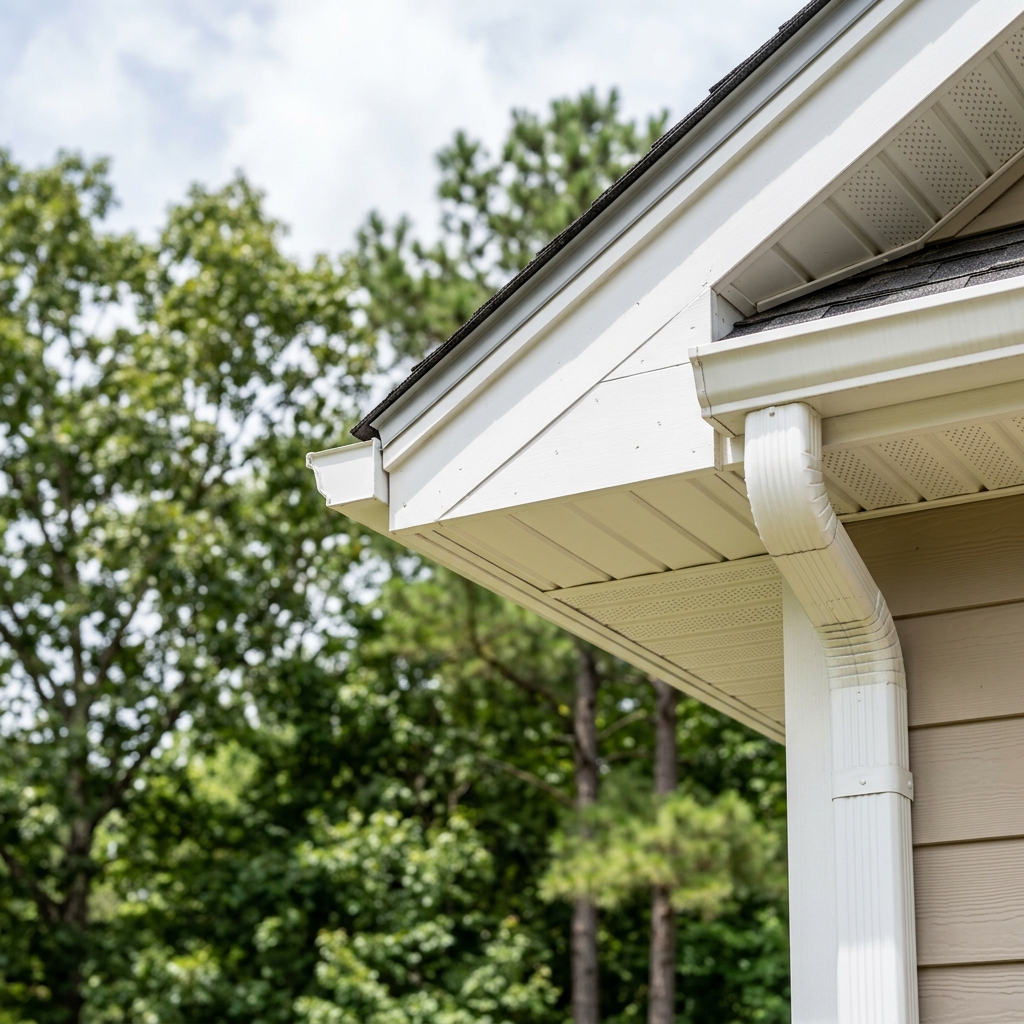
Fascia rot is one of the most common — and most overlooked — exterior problems facing Georgia homeowners. The fascia board runs along the lower edge of your roofline, supporting your gutters and forming the visible border between your roof and the outside world. In Georgia’s hot, humid climate, wood fascia is under constant pressure from moisture, heat cycles, and biological growth, making rot a genuine threat to your home’s structural integrity. Understanding fascia rot causes and prevention for Georgia homeowners is critical because untreated rot can spread to rafters, sheathing, and soffit, turning a manageable repair into a costly reconstruction project. The good news is that fascia rot is largely preventable with the right materials, proper gutter maintenance, and routine inspections. Whether your home is shaded by large oaks in Watkinsville or sits exposed to afternoon storms in Farmington, knowing what to look for and how to stop rot before it starts can save you thousands of dollars and protect the long-term value of your home.
Why Georgia’s Climate Makes Fascia Rot a Real Threat
Georgia’s climate is uniquely harsh on wood exterior components. The state averages over 50 inches of rainfall per year, and Northeast Georgia communities like Athens, Bishop, and Bogart experience significant humidity throughout the spring and summer months. Wood fascia boards absorb moisture when gutters overflow, when roof water drips behind gutter flanges, or simply from prolonged ambient humidity. Once moisture content in wood exceeds roughly 20 percent, the conditions become ideal for wood-decaying fungi to take hold.
What makes Georgia particularly challenging is the combination of heat and moisture. Summers bring intense UV exposure and high temperatures that cause wood to expand and contract repeatedly. This thermal cycling opens small cracks in painted surfaces, allowing water infiltration even when gutters appear to be functioning properly. Then, during Georgia’s mild winters, wet wood barely dries out before the next rain cycle begins. For homes situated under heavy tree canopy — common across communities like Wrayswood and Iron Horse — shade further slows drying and encourages moss, algae, and mold growth directly on fascia surfaces. Understanding how roof ventilation protects homes in Oconee County can also help homeowners grasp how moisture management at the roofline affects everything from sheathing to fascia boards below.
The Primary Causes of Fascia Rot in Georgia Homes
Clogged or Improperly Pitched Gutters
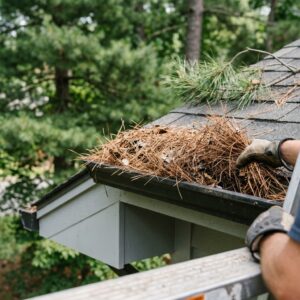
The most frequent cause of fascia rot is water overflow from clogged or misaligned gutters. When gutters fill with pine needles, leaves, and debris — a constant reality in heavily wooded Georgia neighborhoods — water backs up and runs behind the gutter, directly against the fascia board. Even a single season of neglected gutters can introduce enough sustained moisture to initiate wood decay. Gutters that sag or pull away from the fascia create a similar problem, allowing pooling water to sit against the wood for extended periods. Regular gutter cleaning, ideally twice per year, is one of the most effective steps any Georgia homeowner can take to prevent fascia damage.
Poor Roof Drainage and Drip Edge Failures
A properly installed drip edge directs water off the roof deck and into the gutter trough, preventing it from running down the fascia face. When drip edge flashing is missing, improperly lapped, or corroded, water wicks back under roofing materials and saturates the fascia repeatedly with every rain event. Many older homes throughout Oconee County and surrounding communities were built without adequate drip edge installation, leaving fascia boards directly exposed to roof runoff. Learning more about what a drip edge is and why your roof needs one is essential background knowledge for any homeowner concerned about protecting their fascia system long term.
Aging or Insufficient Paint and Sealant
Paint acts as the primary moisture barrier on wood fascia boards. Over time, Georgia’s intense UV exposure and temperature swings cause paint to peel, crack, and blister. Once the paint film fails, bare or exposed wood absorbs rainwater rapidly. Many homeowners repaint the visible face of fascia boards while ignoring the top edge, rear face, and end cuts — areas where moisture infiltration most commonly begins. Any cut end of a fascia board, whether from original installation or a repair, must be thoroughly sealed with an appropriate wood preservative primer before painting to prevent entry points for moisture and decay fungi.
Wood Species and Original Installation Quality
Traditional pine fascia boards, while affordable and widely used, are not naturally rot-resistant. In Georgia’s climate, untreated pine fascia can begin showing signs of decay within five to ten years without diligent maintenance. The quality of original installation also plays a significant role. Fascia boards installed with insufficient clearance from roofing materials, with open joints at seams, or without back-priming all create conditions that accelerate moisture uptake and decay. Understanding how poor installation causes problems throughout a roof system applies just as directly to fascia and trim as it does to shingles and underlayment.
Biological Growth: Mold, Algae, and Fungi
In shaded, humid environments common across Northeast Georgia, algae and mold establish quickly on painted wood surfaces. While surface algae may look like a cosmetic issue, the organisms produce acids that break down paint films and directly attack wood fibers over time. Homes near tree lines or watercourses are especially vulnerable. Annual inspections of fascia surfaces for discoloration, green streaking, or soft spots are a practical defense against biological deterioration progressing into structural rot.
How to Identify Fascia Rot Before It Spreads
Visual and Physical Inspection Signs
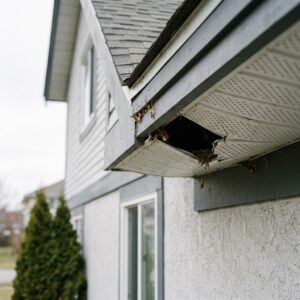
Early-stage fascia rot often presents as discoloration, paint bubbling or peeling in concentrated areas, or dark staining that doesn’t wash away. As decay advances, wood fibers soften and can be probed with a screwdriver — if the tool sinks easily into the board, rot has taken hold. Homeowners should inspect fascia boards at least once annually, particularly after the fall season when gutter debris accumulation is highest. Pay special attention to areas behind downspouts, at joints between fascia sections, and at the corners of the roofline where water tends to concentrate.
Interior Indicators
Fascia rot that has progressed to adjacent roof decking, soffit, or rafter tails can produce interior symptoms including water stains on ceilings near exterior walls, musty odors in attic spaces, and increased pest activity, since insects and rodents are attracted to softened wood. If you’re seeing these signs, the fascia issue has likely extended beyond a simple board replacement. Checking out common causes of roof leaks in older homes can help homeowners connect multiple symptoms to a single underlying moisture management problem at the roofline.
Fascia Rot Prevention Strategies for Georgia Homeowners
Choose Rot-Resistant Materials
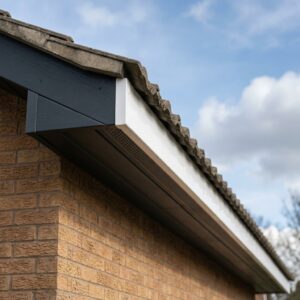
One of the most effective long-term prevention strategies for fascia rot causes and prevention for Georgia homeowners is selecting the right material from the start. Fiber cement fascia boards, such as those manufactured by James Hardie, resist moisture absorption, biological growth, and thermal cycling far better than traditional pine. PVC and composite trim boards offer similar advantages in wet climates and are increasingly popular in Georgia new construction and renovation projects. While these materials typically cost more upfront than wood, they dramatically reduce maintenance frequency and the risk of structural rot damage. For homeowners investing in roofing upgrades that add value to their homes, pairing a new roof with upgraded exterior trim materials is a smart combination.
Maintain Gutters on a Consistent Schedule
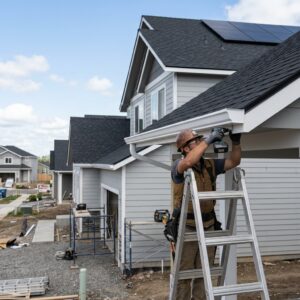
Clean gutters at least twice annually — once in late spring after pollen season and again in late fall after leaf drop. In areas with significant pine coverage, quarterly cleaning may be warranted. Inspect gutter slope and hanger spacing to ensure water flows efficiently toward downspouts without pooling. Adding gutter guards can reduce debris accumulation, though guards still require periodic inspection and occasional clearing. Properly functioning gutters are the single most important defense against chronic fascia moisture exposure.
Inspect and Maintain Paint and Sealant Annually
Georgia homeowners should walk the exterior of their home each spring, looking specifically at the condition of fascia paint. Address any peeling, cracking, or bare wood promptly with a quality exterior primer followed by a paint rated for high humidity environments. When repainting, clean surfaces thoroughly and allow adequate drying time before application. Any exposed end grain or cut sections must be sealed with a penetrating wood preservative primer before topcoats are applied. This annual attention dramatically extends the life of wood fascia systems.
Ensure Proper Roof Drainage and Flashing
If your home lacks adequate drip edge flashing, or if existing flashing is damaged or corroded, having it properly installed or replaced is a high-value investment. A roofing professional can assess flashing conditions during a routine inspection and correct deficiencies before they lead to chronic fascia saturation. Similarly, ensuring that roof shingles have proper overhang positioning to direct water into gutters rather than behind them reduces the moisture load on fascia boards significantly. Homeowners curious about how roof flashing works and why it matters will find that understanding this component helps connect roofline maintenance to fascia protection directly.
Trim Trees and Improve Sunlight Exposure
Reducing overhanging tree branches accomplishes two goals: it limits debris accumulation in gutters and increases sunlight reaching fascia and roof surfaces, improving drying time after rainfall. Trees within ten feet of the roofline should be pruned regularly. This is especially relevant in heavily wooded communities across Northeast Georgia where dense canopy can keep fascia surfaces damp for days after a rain event, accelerating both biological growth and wood decay.
When Fascia Repair or Replacement Is Necessary
When rot is localized to a short section of fascia board without involving the rafter tails or roof decking behind it, replacement of the individual board section is typically sufficient. Contractors will remove the affected section, inspect and treat any adjacent framing that shows early moisture damage, and install a replacement board with proper priming and sealing on all surfaces before painting. When rot has spread to soffit panels or rafter tails, the repair scope expands and may involve partial replacement of roof decking and structural framing at the eave. In these cases, a full inspection by an experienced roofing and exterior contractor is essential to understand the true extent of the damage before beginning repairs. If you’re weighing the scope of needed work, resources like understanding when to repair versus replace can help frame the decision-making process.
Protecting Your Georgia Home from the Roofline Down
Fascia rot may begin as a small, easily overlooked problem, but in Georgia’s humid climate it rarely stays small without intervention. The combination of rainfall, heat, biological growth, and seasonal temperature swings makes the fascia one of the most maintenance-demanding components on any Georgia home’s exterior. By choosing durable materials, maintaining gutters diligently, keeping paint and sealant in good condition, and scheduling annual visual inspections, homeowners across Watkinsville, Athens, Bishop, and surrounding communities can prevent the significant structural and financial damage that advanced fascia rot causes.
If you’re concerned about fascia rot, gutter performance, or the overall condition of your roofline, Ridgeline Roofing and Exteriors serves Northeast and North Georgia homeowners with comprehensive exterior inspections, roofing services, and exterior repairs backed by over 20 years of regional experience. As a GAF Master Elite Certified Contractor, Ridgeline brings certified expertise and Drone Zone AI inspection technology to help homeowners see and address problems before they become costly emergencies. Contact Ridgeline Roofing and Exteriors today at 770-706-7663 to schedule a free inspection and protect your home from the outside in.